Bali Wildlife
Every Spices Matter


Macroglossinae is the largest and most diverse subfamily within the family Sphingidae (Superfamily Bombycoidea, Order Lepidoptera), comprising more than 900 species of hawk moths distributed worldwide. Members are especially diverse in tropical and subtropical regions, where they inhabit forests, grasslands, shrublands, agricultural landscapes, and urban gardens.
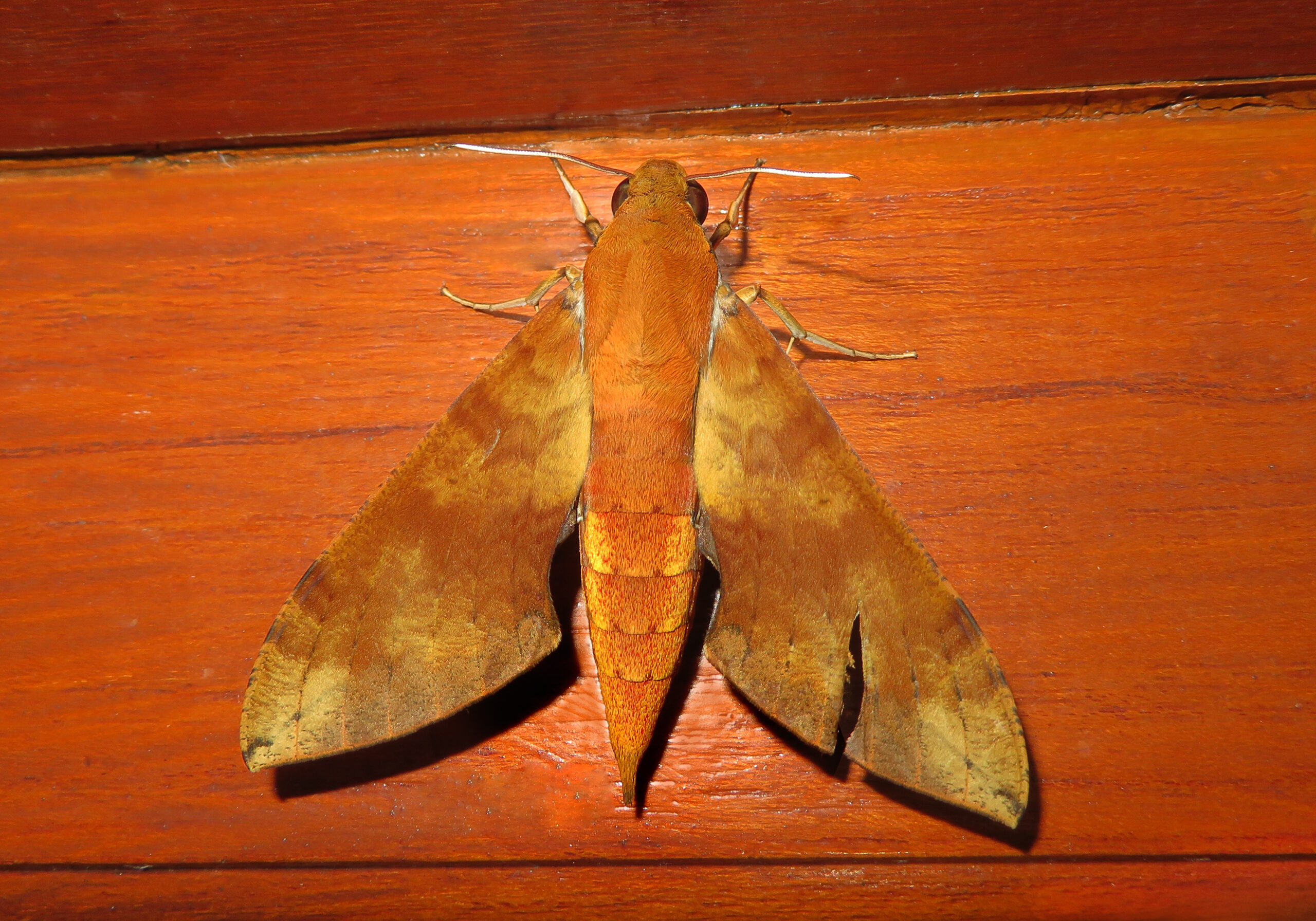
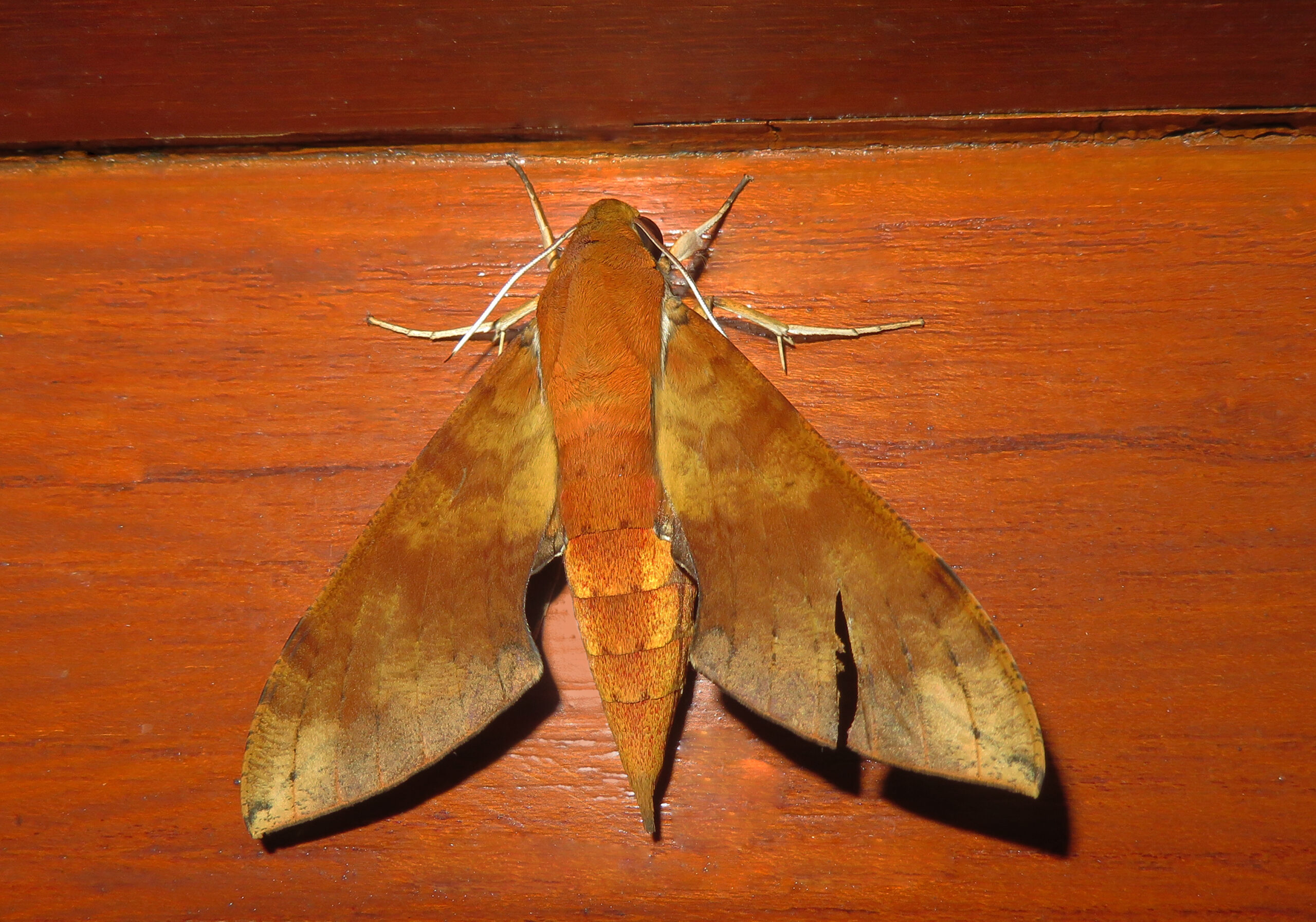
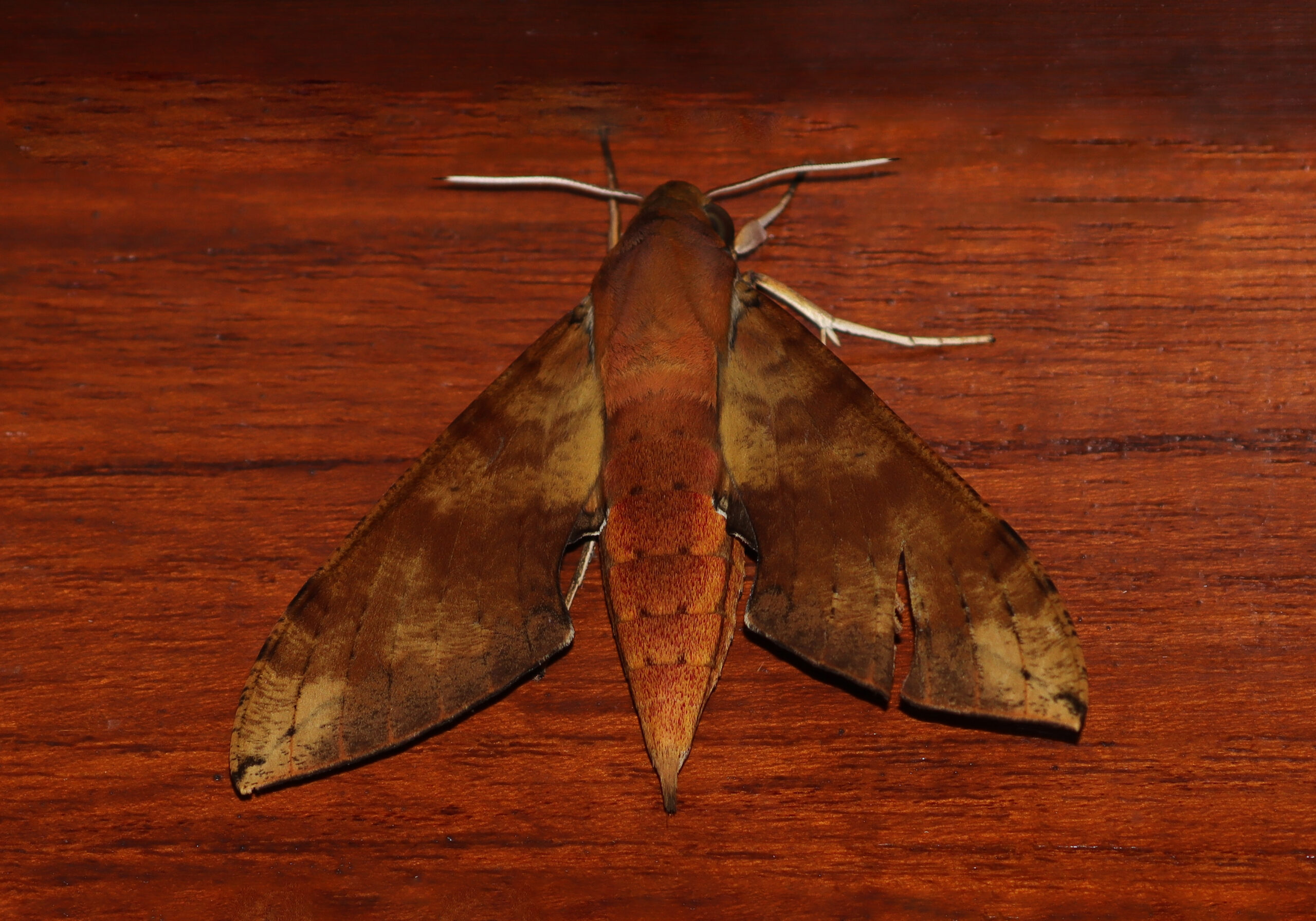
Moths of the subfamily Macroglossinae are generally small to medium-sized, although some species are relatively large. They are characterized by a streamlined body, narrow forewings, and powerful flight muscles that enable exceptionally rapid and agile flight. Many species are capable of sustained hovering while feeding, a behavior that closely resembles that of hummingbirds.
The head bears large compound eyes and a long, well-developed proboscis adapted for extracting nectar from deep tubular flowers. Antennae are thickened toward the tip and aid in flight stability and sensory perception. Coloration varies widely, ranging from cryptic shades of brown, gray, and olive to vivid green, pink, yellow, and orange, with many species displaying camouflage or bold markings.
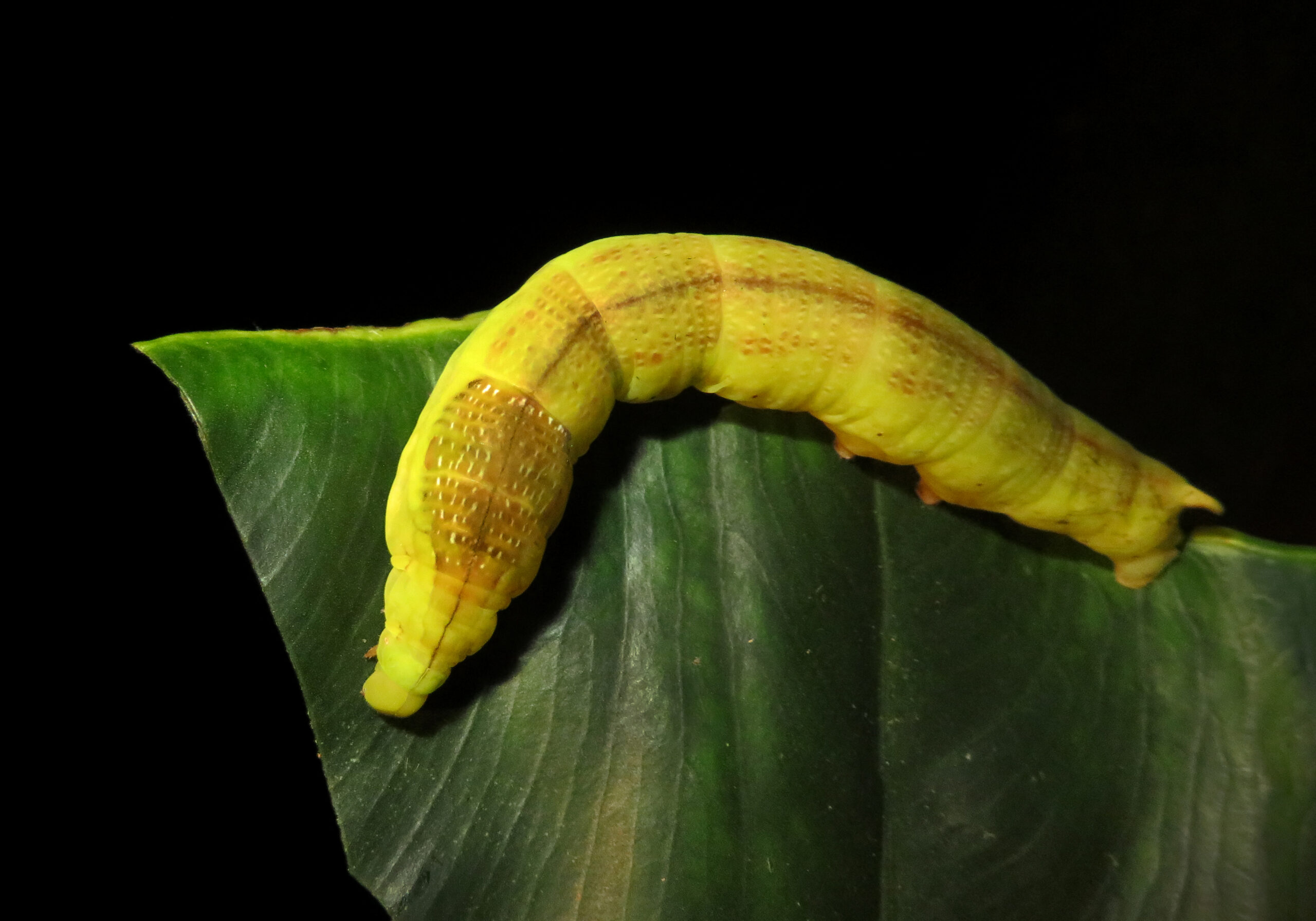
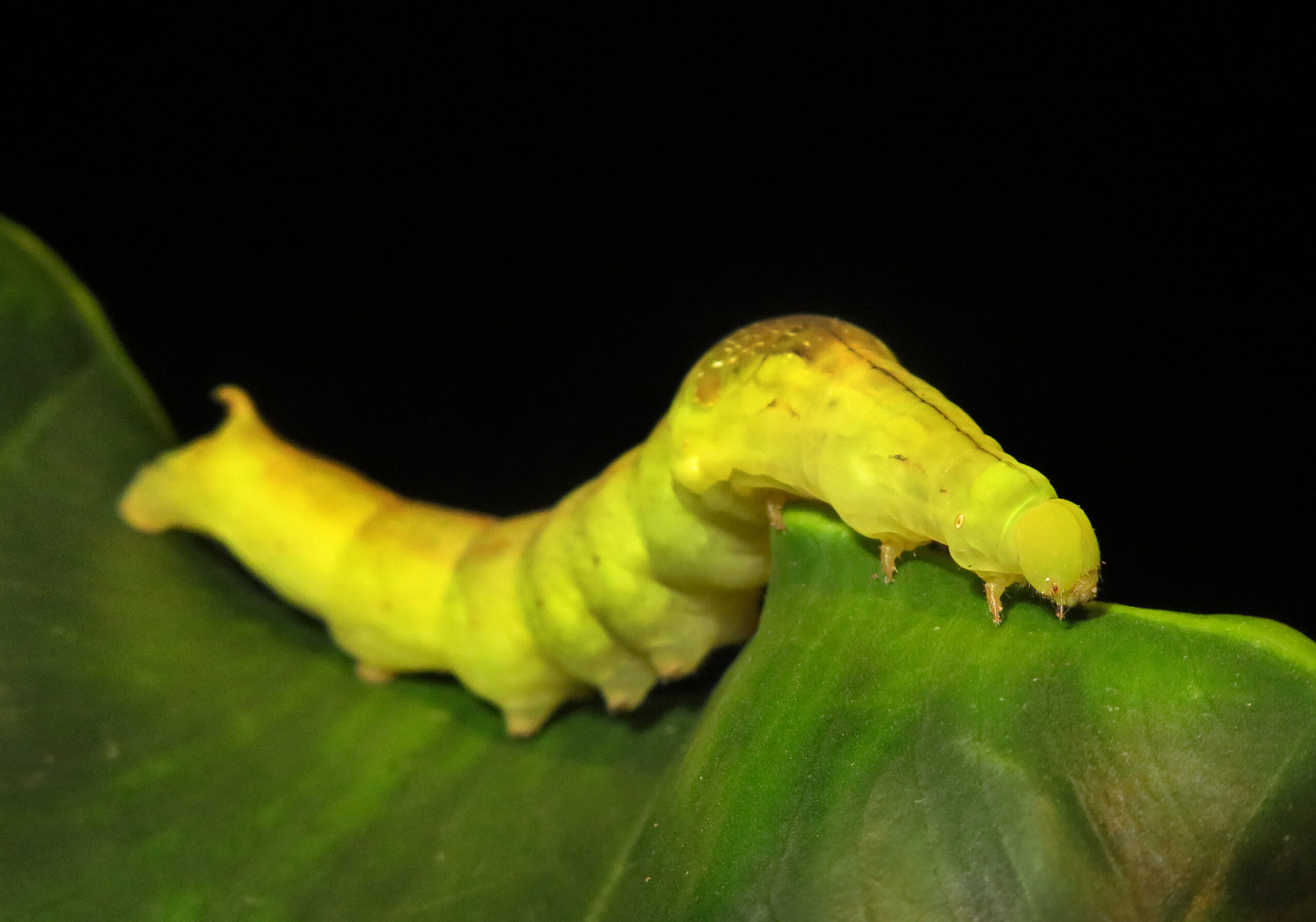
The life cycle involves complete metamorphosis, consisting of egg, larva (hornworm), pupa, and adult stages. Caterpillars are typically smooth-bodied and cylindrical, bearing the characteristic horn-like projection on the final abdominal segment. They feed on a wide variety of trees, shrubs, vines, and herbaceous plants, often exhibiting species-specific host plant preferences.
Adults are primarily nectar feeders and are active during the day, dusk, or night, depending on the species. Their long proboscis allows them to pollinate flowers with deep corollas that are inaccessible to many other insects. Some species are important long-distance migrants, capable of dispersing over considerable distances.
The subfamily includes numerous well-known genera, such as Macroglossum (hummingbird hawk moths), Cephonodes (bee hawk moths), Theretra, Hippotion, Daphnis, Acosmeryx, and Hyles, representing a remarkable diversity of forms and ecological adaptations.
Ecologically, Macroglossinae moths are among the most important pollinators of many flowering plants, particularly those that bloom at dusk or during the night. Their larvae contribute to plant–herbivore interactions and serve as prey for birds, reptiles, mammals, and parasitoid insects, while adults form an important component of pollination networks and terrestrial food webs. Their exceptional flight performance and close associations with flowering plants make Macroglossinae one of the most ecologically significant groups within the hawk moth family.