

Typical Cockroaches and Termites (Superfamily Blattoidea)
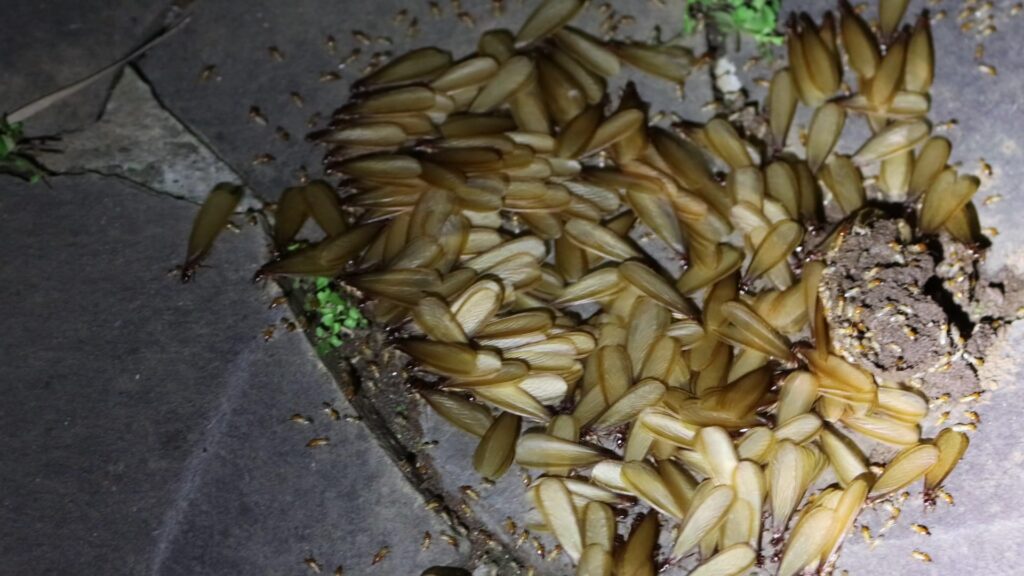
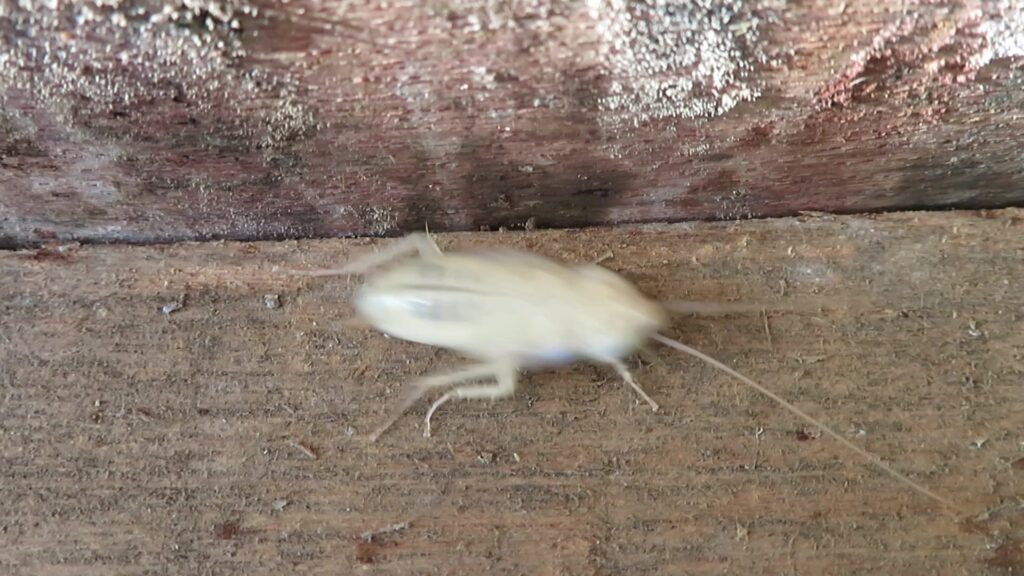
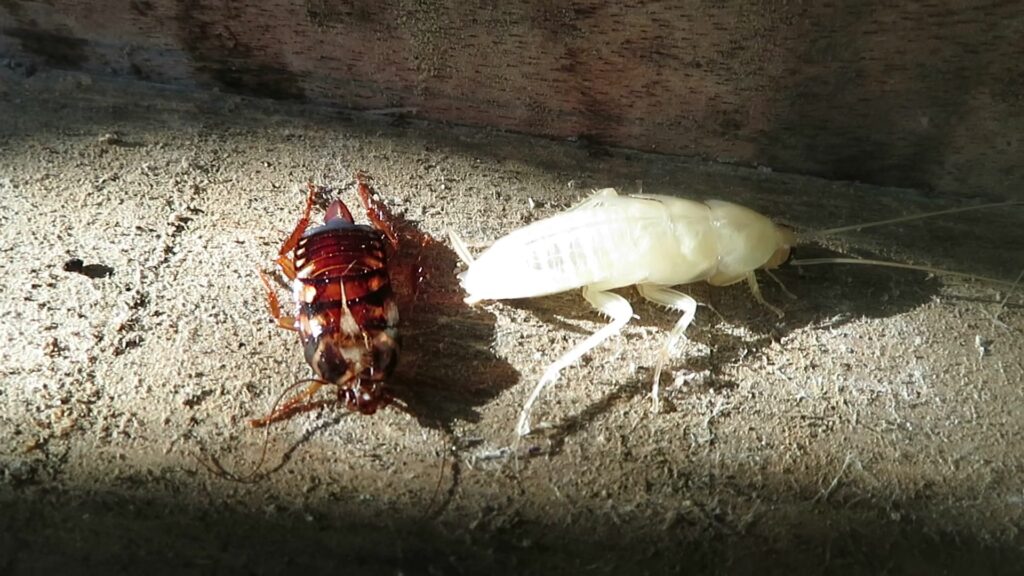
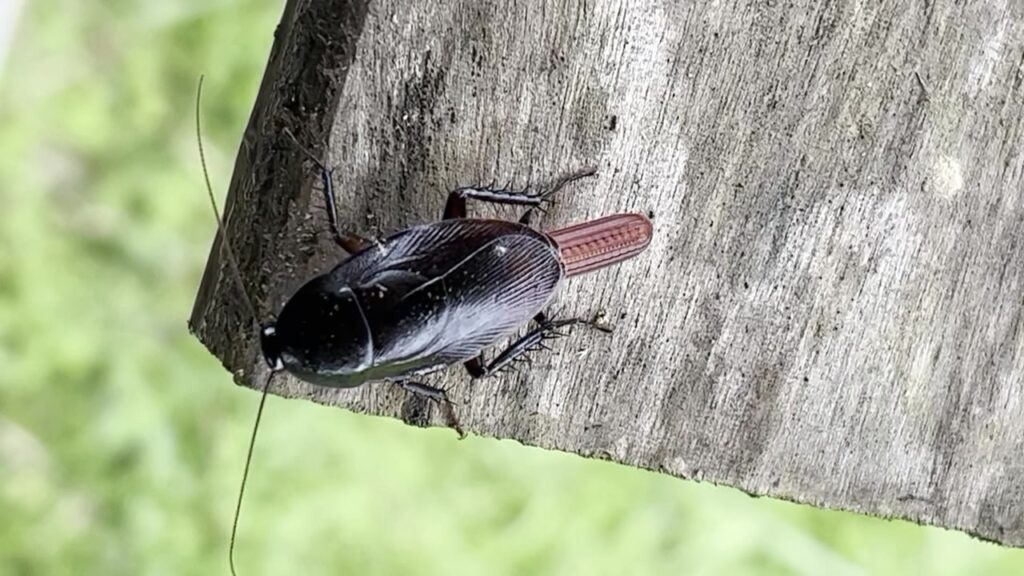
Blattoidea is a superfamily of insects in the order Blattodea, encompassing cockroaches and several closely related lineages. Members are primarily terrestrial, generally flattened, fast-moving insects with long antennae, spiny legs, and chewing mouthparts. The group includes species occupying forests, leaf litter, caves, grasslands, and human environments, ranging from small cryptic cockroaches to large tropical forms.
Blattoideans are typically recognized by their oval, dorsoventrally flattened bodies, although body shape varies substantially among species. The head is partly concealed beneath a broad pronotum, and the antennae are long and highly sensitive. Their legs are adapted primarily for running, with enlarged femora and rows of spines commonly present on the tibiae. Many species are remarkably agile and can disappear rapidly into crevices or vegetation when disturbed.
The forewings, when present and functional, are usually leathery tegmina that protect the more delicate hindwings. Some species are strong fliers, while others fly poorly or are effectively wingless. Sexual dimorphism is common: males may have longer wings and more developed flight musculature, whereas females in some lineages have reduced wings or broader abdomens.
Blattoidea includes both wild and synanthropic species. Forest-dwelling species commonly live beneath bark, among leaf litter, inside rotting wood, under stones, or within tree cavities. Others inhabit caves, grasslands, plantations, and agricultural landscapes. A smaller number have adapted exceptionally well to buildings, food-storage areas, sewers, and other human-associated habitats.
Most species are nocturnal, becoming active after dark when they forage, court, and disperse. Their long antennae and sensitive sensory organs allow them to navigate in darkness and detect odors, vibrations, humidity, and potential threats. When exposed, many species respond with rapid running and seek shelter rather than relying on flight.
Feeding habits are diverse, but many blattoideans are omnivorous or detritivorous. They consume decaying plant material, leaf litter, fungi, fruits, seeds, animal remains, and a variety of organic debris. Some species are more specialized herbivores, while others readily exploit food resources associated with human settlements. Through consumption and fragmentation of organic material, forest cockroaches contribute to decomposition and nutrient cycling.
Reproduction generally involves internal fertilization, followed by the production of an ootheca, a protective egg case containing multiple eggs. The ootheca may be deposited in a sheltered location or, in some species, carried by the female for part or all of its development. Young hatch as nymphs, resembling miniature adults but lacking fully developed wings and reproductive structures. They undergo successive molts before reaching maturity.
Blattoidea contains several important cockroach lineages, including Blattidae, Ectobiidae, and related groups, depending on the classification adopted. Familiar genera within the broader assemblage include Blatta, Periplaneta, Ectobius, Shelfordella, and numerous tropical forest genera. Classification of Blattodea has been extensively revised following molecular studies, particularly because cockroaches are closely related to termites and are now understood to form a lineage within the broader cockroach–termite assemblage.
A notable feature of the group is its ecological versatility. Wild blattoideans occur in tropical rainforests, temperate forests, savannas, caves, and other terrestrial ecosystems. Some species have become highly successful commensals of humans, exploiting warm, humid environments and abundant food resources. These synanthropic species can be transported around the world through trade and human movement.
Blattoideans are important components of terrestrial food webs. They serve as prey for birds, amphibians, reptiles, spiders, predatory insects, and small mammals, while their feeding activities contribute to the breakdown and redistribution of organic matter. Forest species can therefore play an important role in nutrient cycling, particularly in tropical ecosystems where leaf litter decomposes rapidly.
Some species are also of economic and public-health importance when they become household pests. Cockroaches living in buildings can contaminate food and surfaces and may contribute to the spread of microorganisms. Their shed skins, fecal material, and other debris can also contain allergens. However, the great majority of cockroach species are wild organisms that have little or no direct association with human health problems.
Overall, Blattoidea is a diverse superfamily of cockroaches characterized by flattened bodies, long antennae, cursorial legs, chewing mouthparts, and remarkable ecological adaptability. From decomposer communities in tropical forests to highly specialized inhabitants of human buildings, its members demonstrate the ecological versatility that has made cockroaches one of the most successful groups of terrestrial insects.