

Household Cockroaches and Allies (Epifamily Blattoidae)
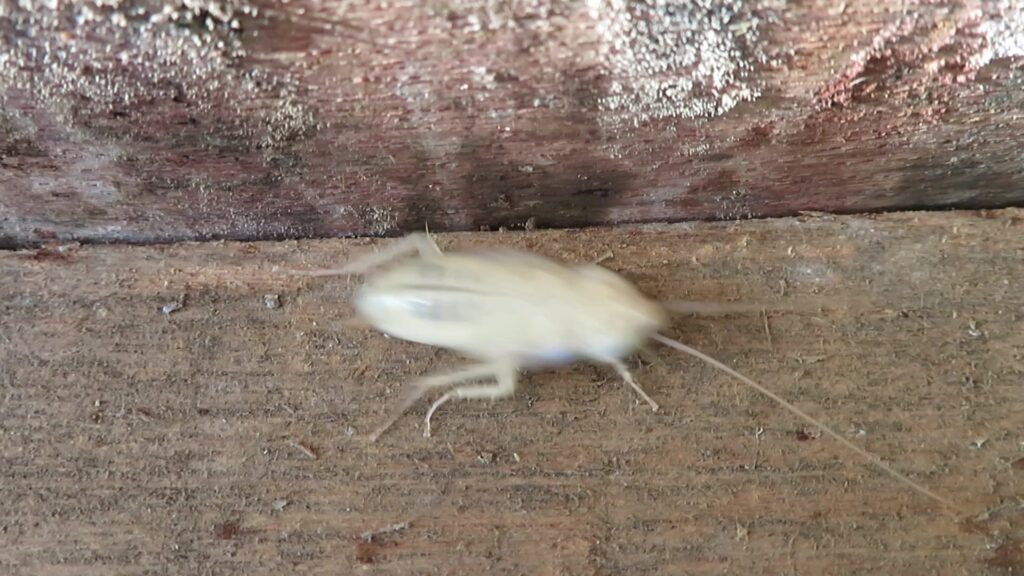
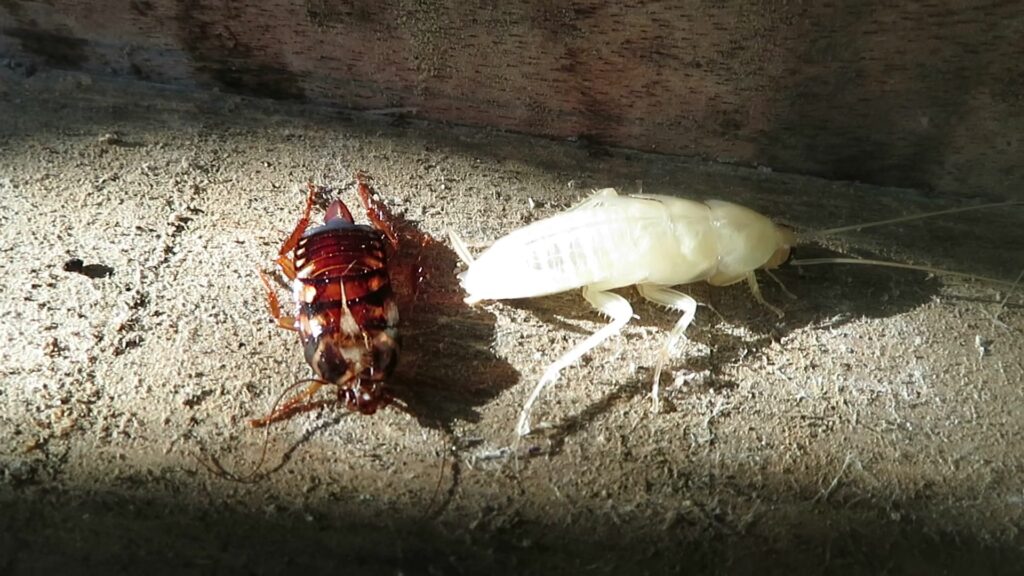
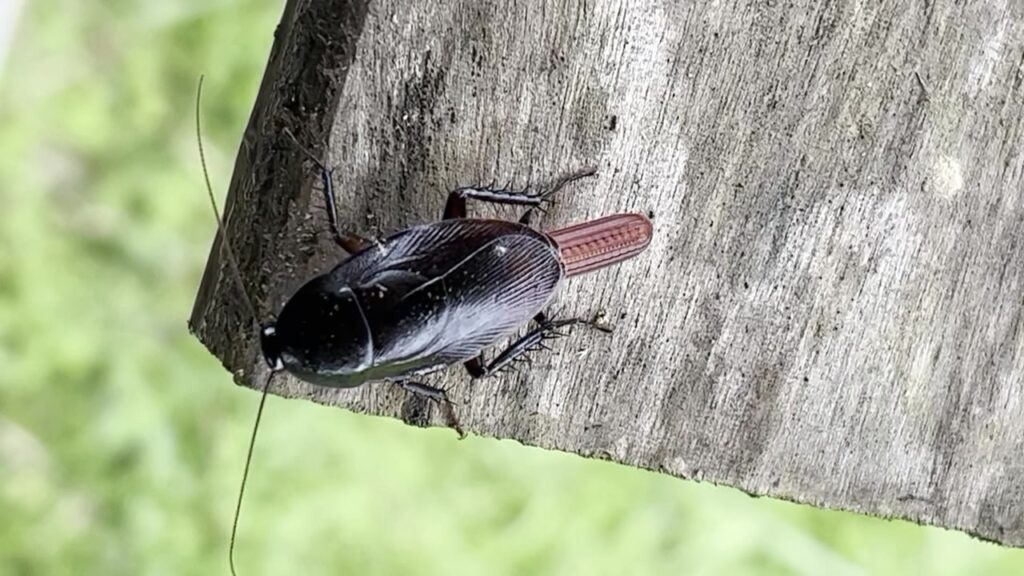
Blattoidae is an epifamily-level lineage within the cockroach superfamily Blattoidea and the order Blattodea. It encompasses a group of cockroaches centered on the family Blattidae, including many familiar large-bodied cockroaches. Members are predominantly terrestrial and are characterized by robust, generally flattened bodies, long antennae, spiny running legs, and well-developed chewing mouthparts.
Blattoid cockroaches are generally medium-sized to large insects, although considerable variation occurs among species. The body is typically oval and dorsoventrally flattened, allowing individuals to move efficiently through narrow crevices. The head is partly concealed beneath a broad pronotum, while the abdomen is usually covered by overlapping wings or tegmina in fully winged species.
The antennae are long and filiform, functioning as highly sensitive sensory organs. They detect odors, touch, air movements, humidity, and other environmental cues. The legs are strongly adapted for rapid terrestrial locomotion, with rows of spines commonly present on the tibiae. This combination of sensory sensitivity and running ability allows many species to navigate efficiently through complex habitats, particularly at night.
Wing development varies within Blattoidae. In many species, adults possess leathery forewings and membranous hindwings, although some species have shortened wings or reduced flight ability. In several cockroaches, males and females differ in wing length and body proportions. Even among winged species, running is often more important than sustained flight.
Most members are nocturnal and spend daylight hours concealed in cracks, beneath objects, inside cavities, or among vegetation. Activity begins after dark, when individuals leave shelters to search for food, mates, and suitable oviposition sites. Their behavior is strongly influenced by temperature, humidity, and the availability of shelter.
Feeding is generally omnivorous and opportunistic. Blattoid cockroaches consume decaying vegetation, fruits, seeds, fungi, carrion, animal products, and other organic material. Their broad dietary tolerance allows some species to exploit a wide range of resources in natural ecosystems, while others have become successful inhabitants of buildings and other human-modified environments.
Reproduction is characterized by the production of an ootheca, a hardened or leathery egg case containing multiple embryos. Depending on the species, the female may deposit the ootheca in a protected location or carry it for a period before deposition. Nymphs hatch without functional wings and progressively develop adult characteristics through a series of molts.
Representative genera include Blatta and Periplaneta, among other genera traditionally placed within Blattidae. Species such as Blatta orientalis, the Oriental cockroach, and Periplaneta americana, the American cockroach, are among the best-known representatives. Other members occur primarily in natural habitats and may be encountered beneath bark, in leaf litter, in caves, or within decaying wood.
The geographical distribution of Blattoidae is broad and often strongly influenced by human transportation. Native species occur in many parts of the Old World, while several members have been introduced far beyond their original ranges. Warm, humid environments are particularly favorable for many species, although some have adapted to cooler temperate conditions and highly seasonal climates.
Wild blattoids perform important ecological functions. As detritivores, scavengers, and omnivores, they help fragment organic material and contribute to decomposition and nutrient recycling. Their bodies and activities also support food webs by providing prey for birds, amphibians, reptiles, spiders, predatory insects, and small mammals.
A subset of species has become closely associated with humans. These synanthropic cockroaches can inhabit kitchens, basements, drains, warehouses, restaurants, and other sheltered locations where food and moisture are available. Such species can contaminate food and surfaces and may contribute to indoor allergen exposure, although this lifestyle represents only a small fraction of the ecological diversity of the group.
Taxonomically, Blattoidae is situated within the modern classification of Blattodea, a group whose relationships have been substantially revised by molecular phylogenetic research. Cockroaches and termites are now recognized as closely related, with termites nested within the broader cockroach lineage. Consequently, higher-level names and ranks such as epifamily may differ among taxonomic systems.
Overall, Blattoidae represents a significant lineage of cockroaches combining efficient terrestrial locomotion, sensitive sensory systems, flexible feeding habits, and diverse reproductive strategies. Its members range from forest-dwelling decomposers and scavengers to globally distributed household pests, illustrating the remarkable ecological breadth of cockroaches.