Bali Wildlife
Every Spices Matter


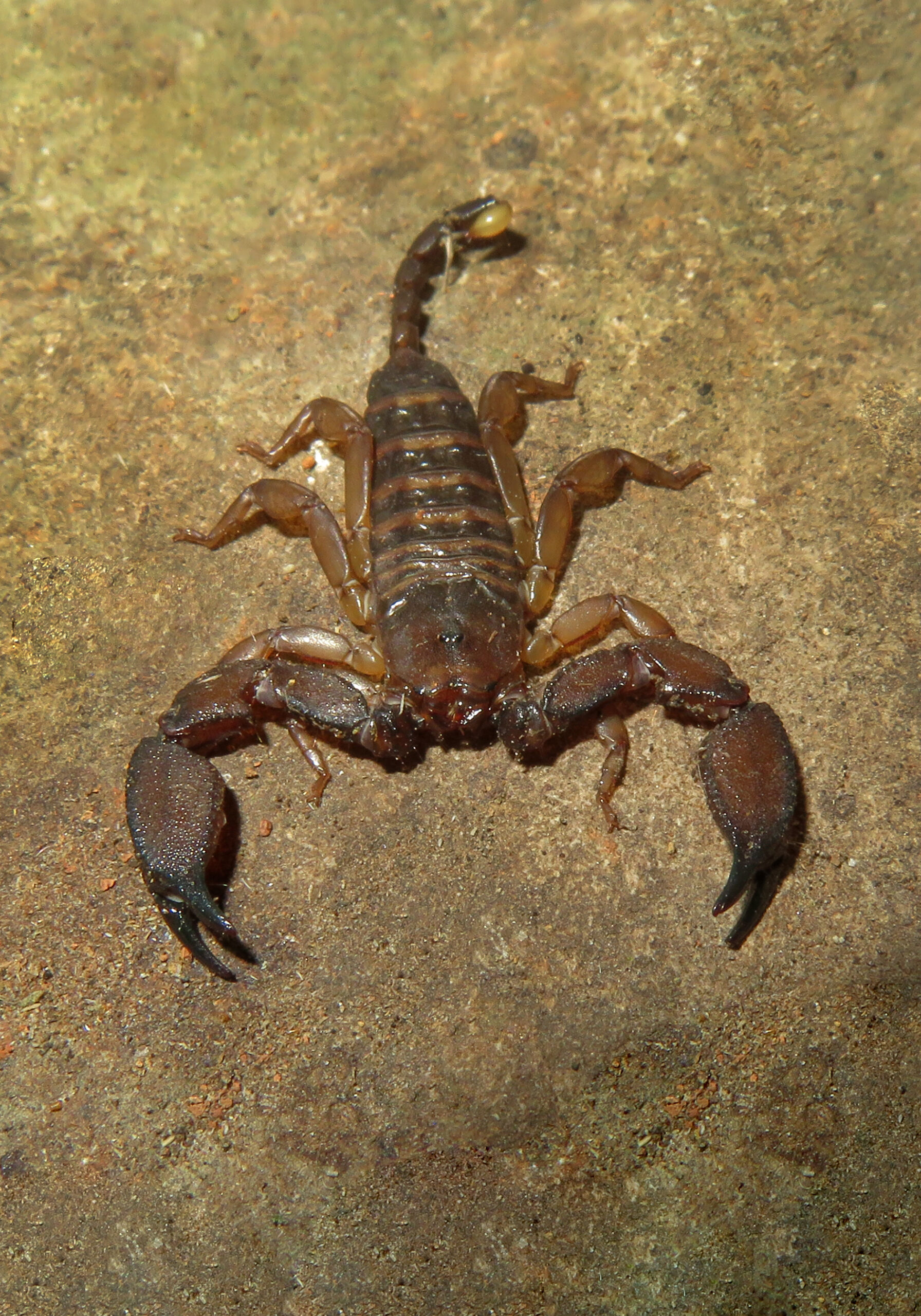
Orthosterni is the principal infraorder within the suborder Neoscorpionina (Order Scorpiones), comprising nearly all living scorpion species. Members of this infraorder are distributed worldwide on every continent except Antarctica and occupy a broad range of habitats, including deserts, tropical rainforests, savannas, grasslands, rocky hillsides, caves, coastal regions, and mountainous environments.
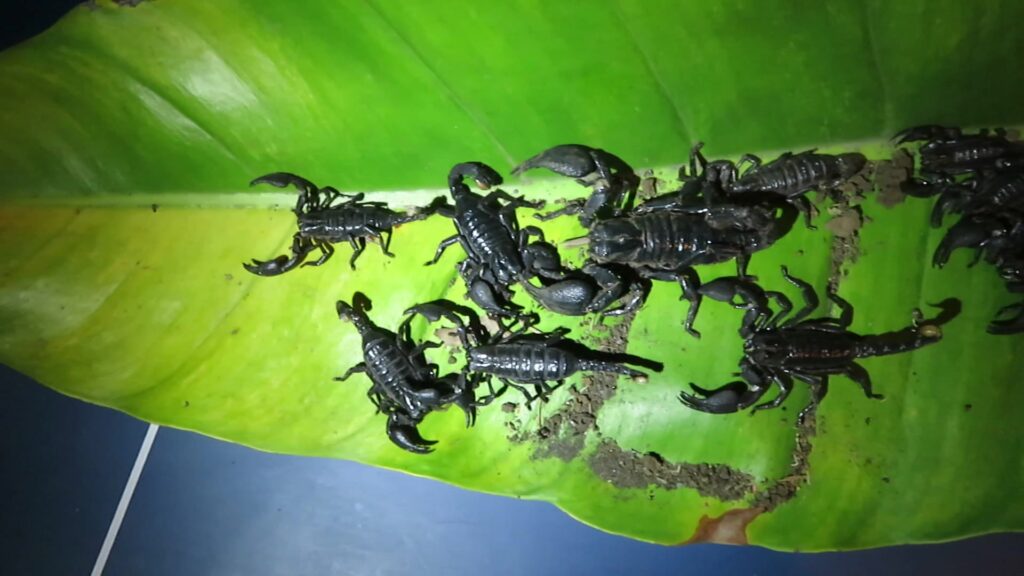
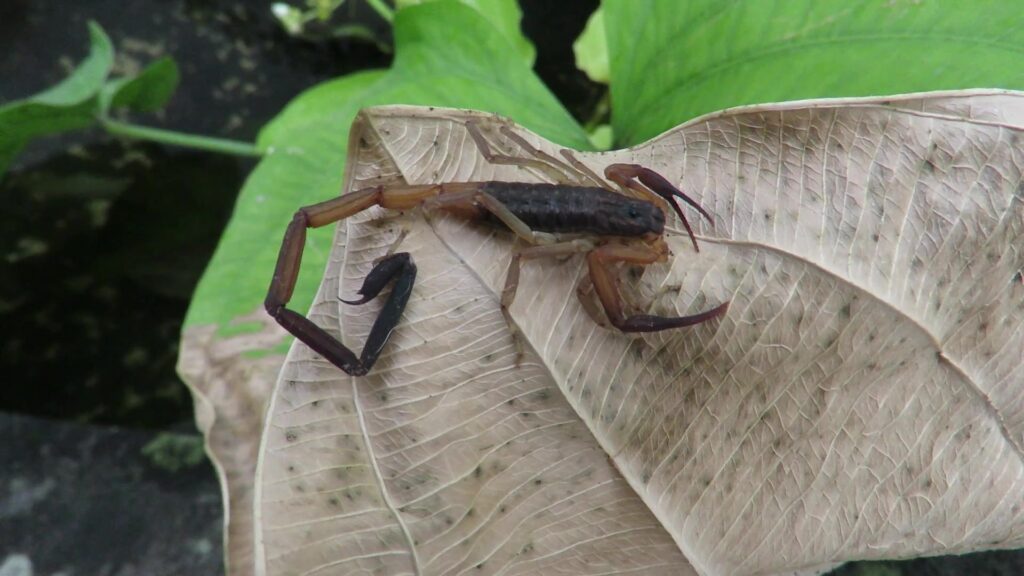
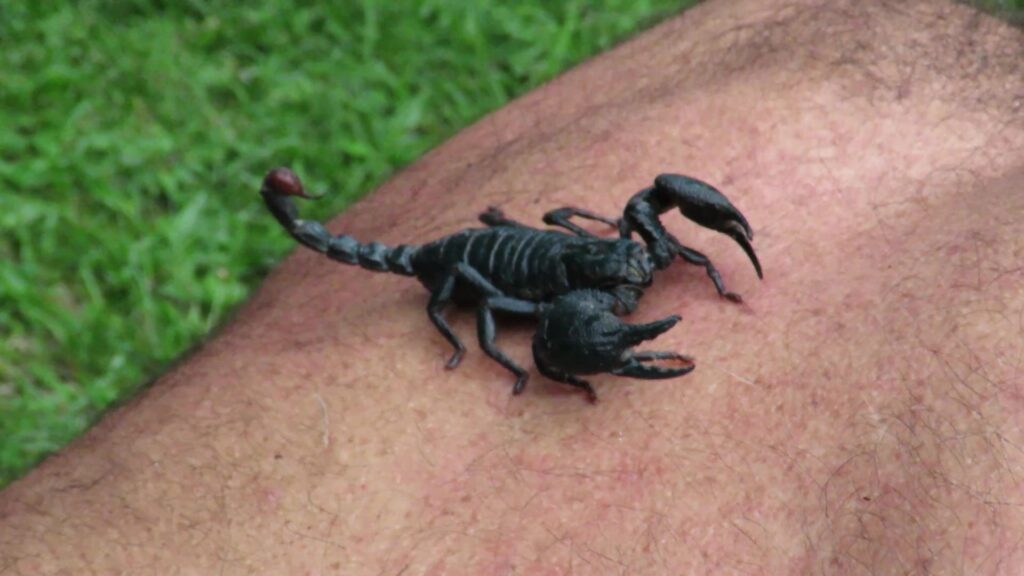
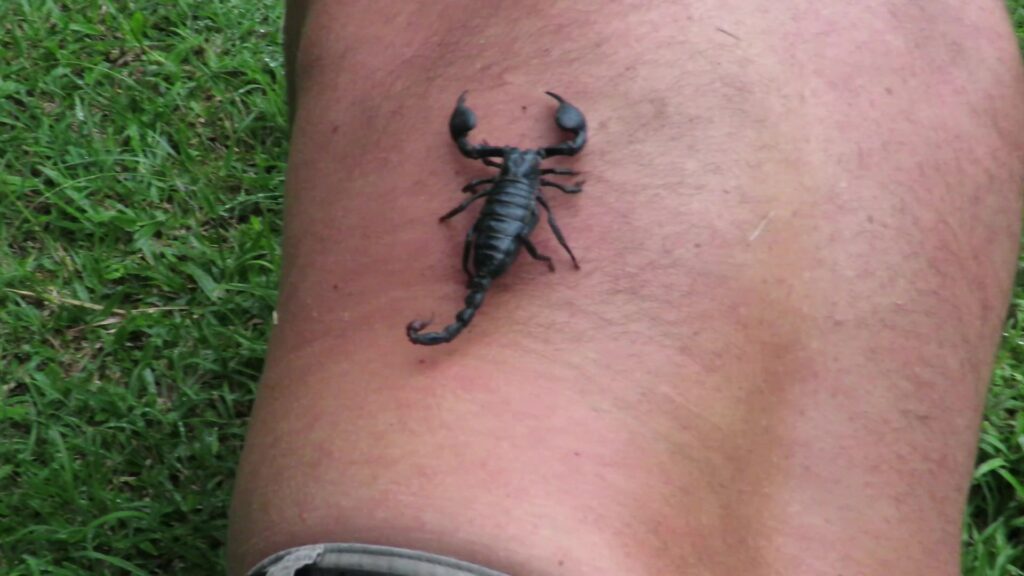
Scorpions of the infraorder Orthosterni exhibit the characteristic body plan of modern scorpions, consisting of a cephalothorax (prosoma) and a segmented abdomen divided into the mesosoma and the elongated metasoma, commonly known as the tail. The tail terminates in a venomous telson equipped with a curved stinger used for prey capture and defense. Large pedipalps ending in powerful pincers (chelae) are used to grasp, manipulate, and sometimes overpower prey before envenomation.
Most Orthosterni species are nocturnal predators that remain hidden beneath rocks, logs, bark, leaf litter, or within burrows during the day. At night, they actively hunt insects, spiders, centipedes, and other arthropods, while larger species may occasionally prey upon small vertebrates such as lizards, frogs, or rodents. Depending on the species, prey is subdued using either the powerful pincers, venom from the stinger, or a combination of both.
Like all modern scorpions, members of Orthosterni possess paired comb-like sensory organs called pectines on the underside of the body. These highly specialized structures detect chemical cues, substrate vibrations, and surface textures, assisting in navigation, prey detection, and mate recognition. Their exoskeleton also fluoresces under ultraviolet light because of fluorescent compounds embedded in the cuticle.
Reproduction is viviparous, with females giving birth to live young rather than laying eggs. Newly born scorpions climb onto the mother’s back, where they remain until after their first molt. This period of maternal care provides protection during the most vulnerable stage of development.
Orthosterni includes nearly all extant scorpion families, including Buthidae, Scorpionidae, Hormuridae, Bothriuridae, Euscorpiidae, Diplocentridae, and several others, representing a remarkable diversity of body forms, ecological adaptations, and venom compositions.
Ecologically, Orthosterni species are important predators that help regulate populations of insects and other invertebrates in terrestrial ecosystems. They also serve as prey for birds, reptiles, amphibians, mammals, and larger arthropods. Their ancient evolutionary history, specialized sensory systems, and ecological significance make Orthosterni one of the most successful and widespread lineages of modern arachnids.