Bali Wildlife
Every Spices Matter


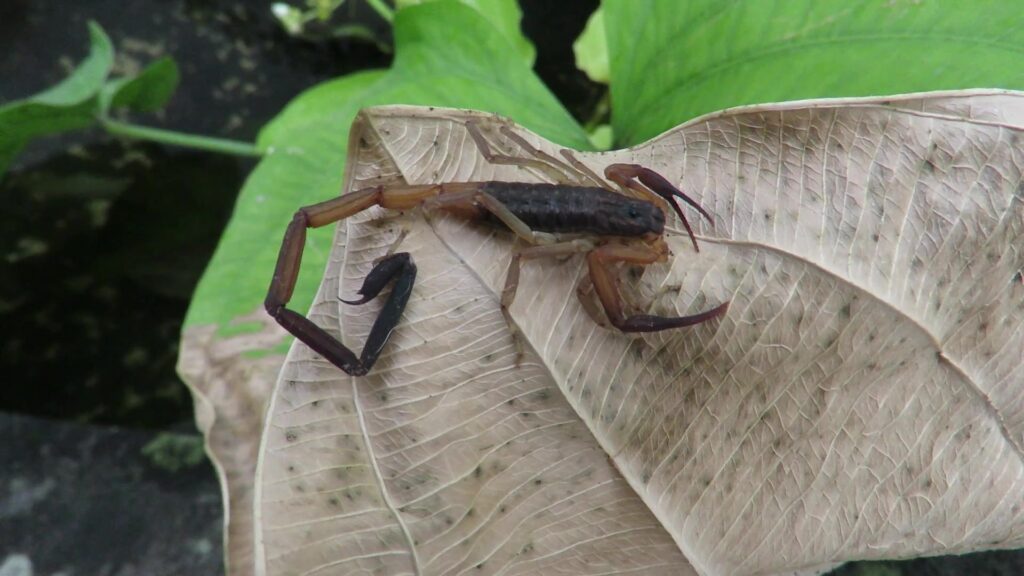
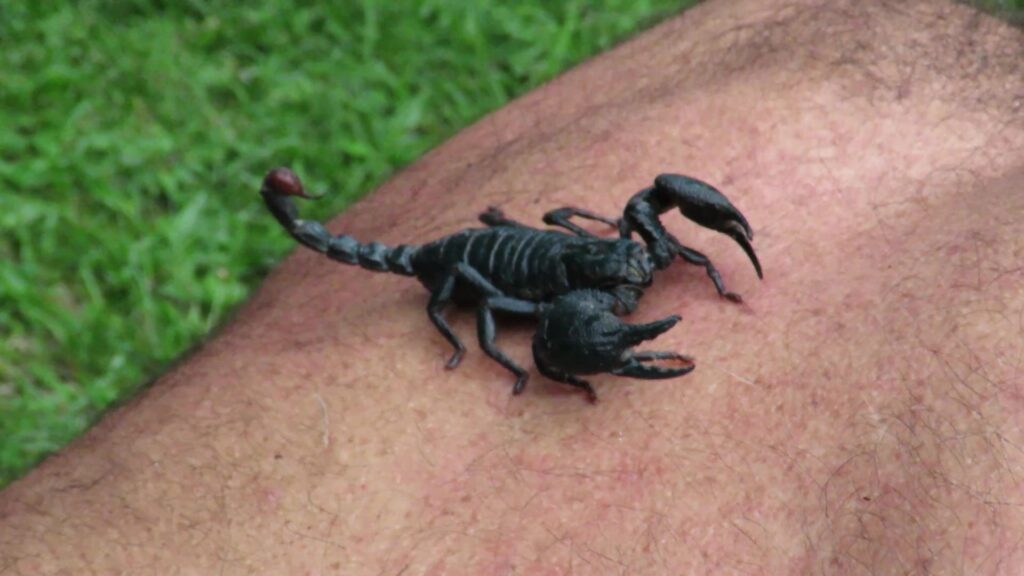
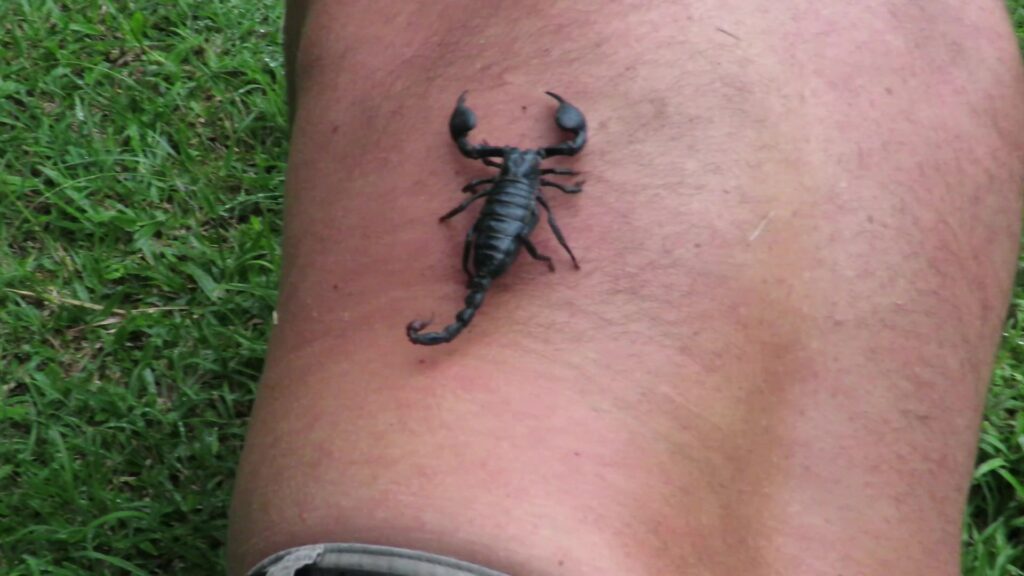
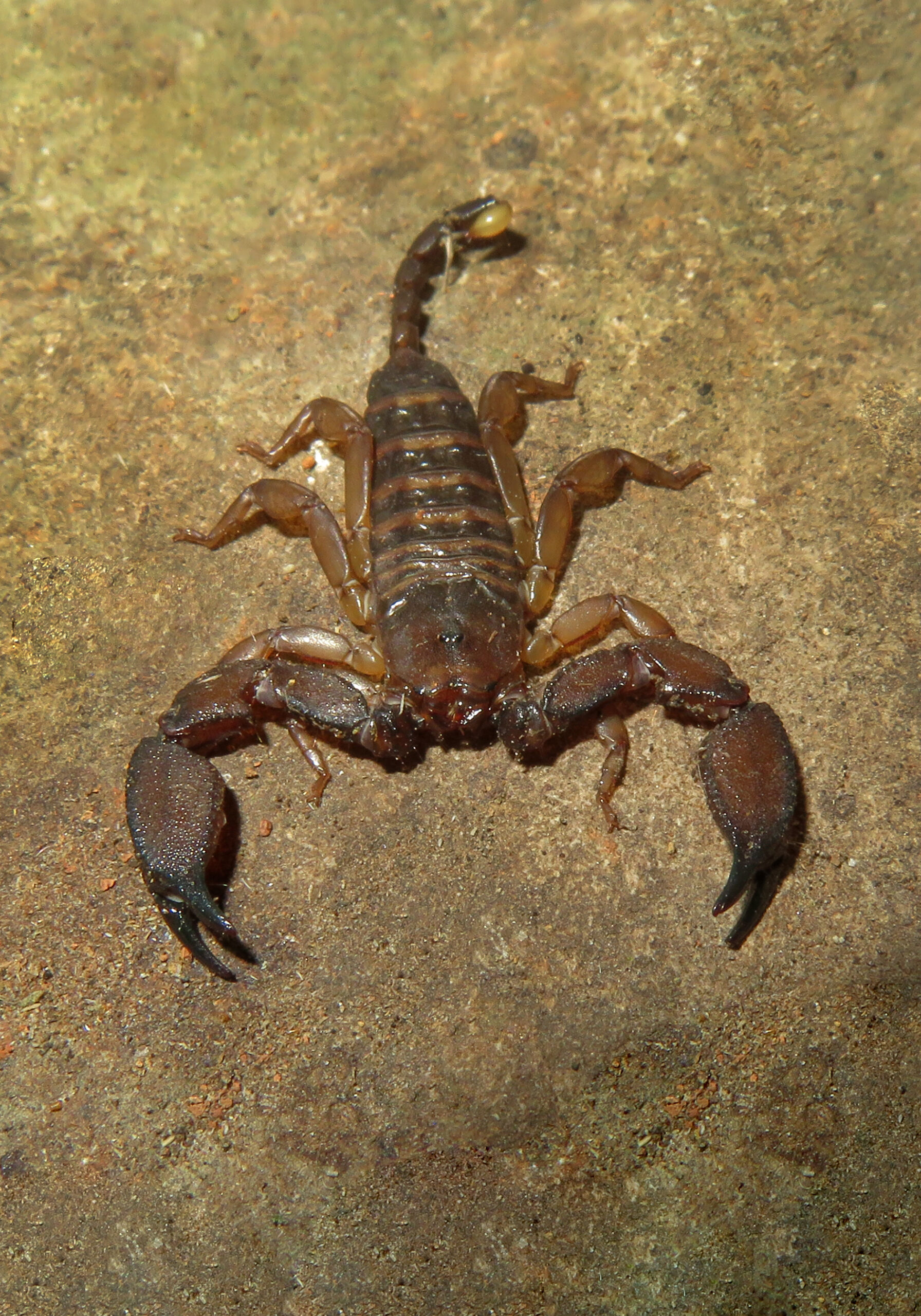
Neoscorpionina is a suborder of scorpions within the order Scorpiones, representing the overwhelming majority of living scorpion species. Members of this group are distributed across tropical, subtropical, and temperate regions on every continent except Antarctica. They occupy a remarkable variety of habitats, including deserts, tropical rainforests, savannas, grasslands, rocky outcrops, caves, and mountainous regions.
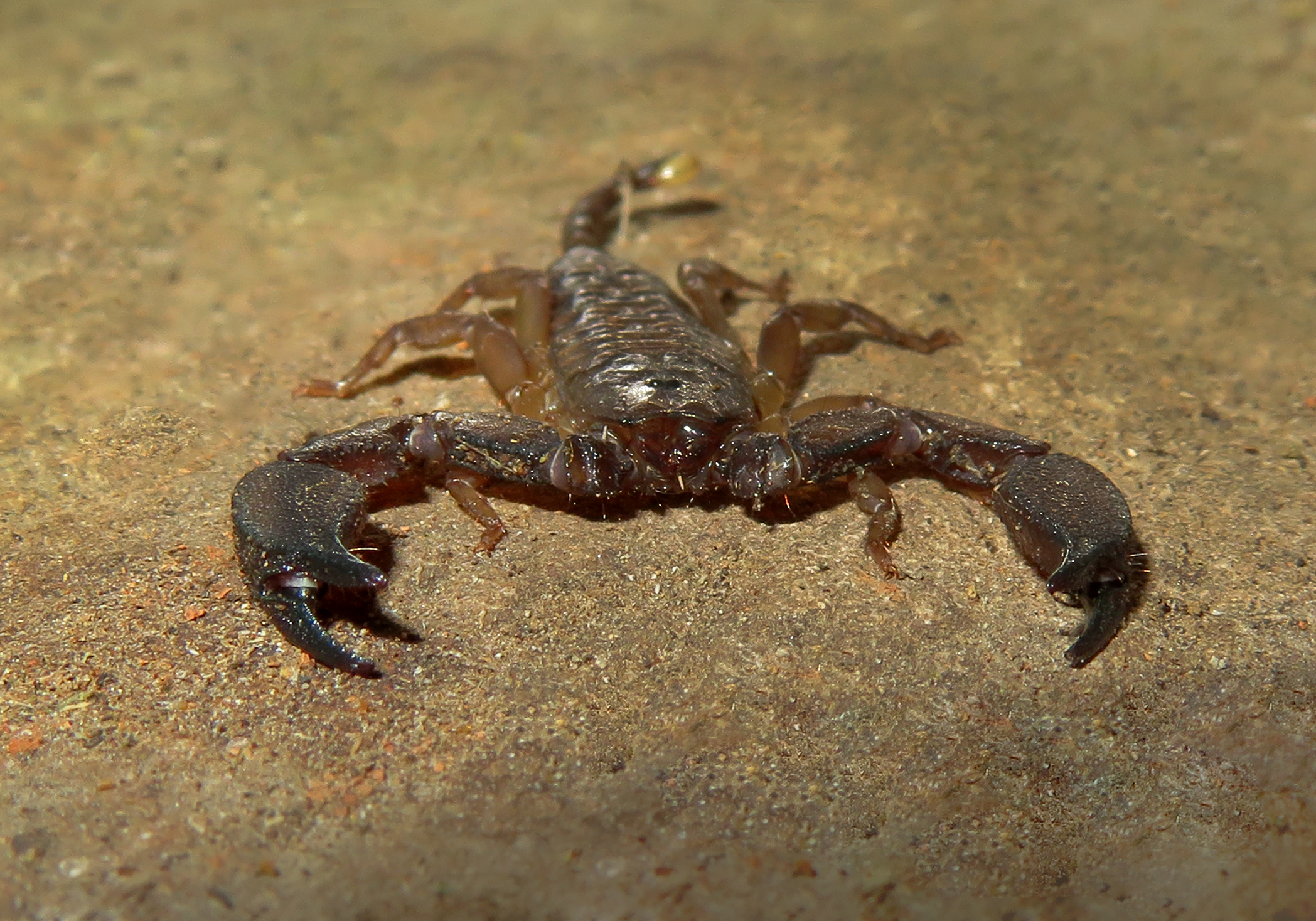
Scorpions of the suborder Neoscorpionina possess the characteristic body plan of modern scorpions, consisting of a broad cephalothorax (prosoma) and a segmented abdomen divided into the mesosoma and the elongated metasoma, or “tail.” The tail terminates in a venomous telson equipped with a curved stinger used primarily for prey capture and defense. Large pedipalps ending in powerful pincers are used to grasp and manipulate prey, while four pairs of walking legs provide efficient locomotion across a variety of substrates.
Most species are nocturnal predators that spend daylight hours concealed beneath rocks, logs, bark, leaf litter, or within burrows. At night they actively hunt insects, spiders, centipedes, and other arthropods, although larger species may occasionally prey upon small vertebrates. Depending on the species, prey may be subdued primarily with the pincers or with venom delivered through the stinger.
Like other scorpions, members of Neoscorpionina possess specialized sensory organs called pectines on the underside of the body. These comb-like structures detect vibrations, chemical signals, and surface textures, playing an important role in navigation, prey detection, and mate recognition. Their cuticle also fluoresces under ultraviolet light, a characteristic shared by nearly all living scorpions.
Reproduction is viviparous. Females give birth to live young, which climb onto the mother’s back immediately after birth and remain there until after their first molt. This maternal care greatly increases the survival of the young during their most vulnerable stage.
Neoscorpionina encompasses most extant scorpion families, including Buthidae, Scorpionidae, Hormuridae, Bothriuridae, Euscorpiidae, and numerous others, reflecting a broad diversity of body forms, venom composition, and ecological adaptations.
Ecologically, Neoscorpionina species are important predators that regulate populations of insects and other invertebrates. They also serve as prey for birds, reptiles, amphibians, mammals, and larger arthropods. Their ecological importance, specialized adaptations, and long evolutionary history make them key components of terrestrial ecosystems and valuable indicators of habitat quality and biodiversity.