Bali Wildlife
Every Spices Matter


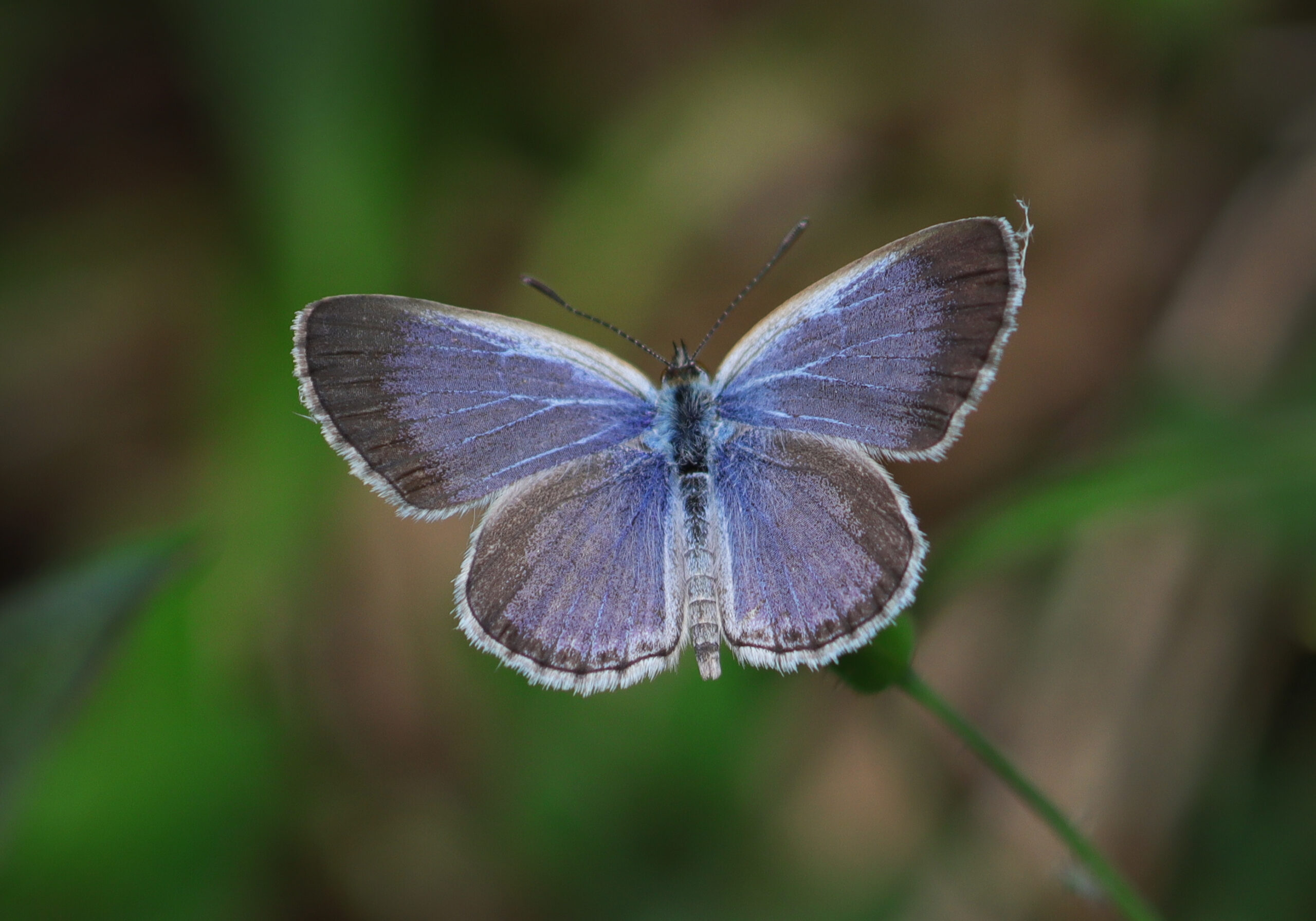
Zizina is a genus of small blue butterflies within the subtribe Zizeeriina (Tribe Polyommatini, Family Lycaenidae, Order Lepidoptera). Species of this genus are widely distributed across Africa, Asia, Australia, and many Pacific islands. They are commonly found in open habitats such as grasslands, meadows, agricultural fields, gardens, roadsides, and urban green spaces.
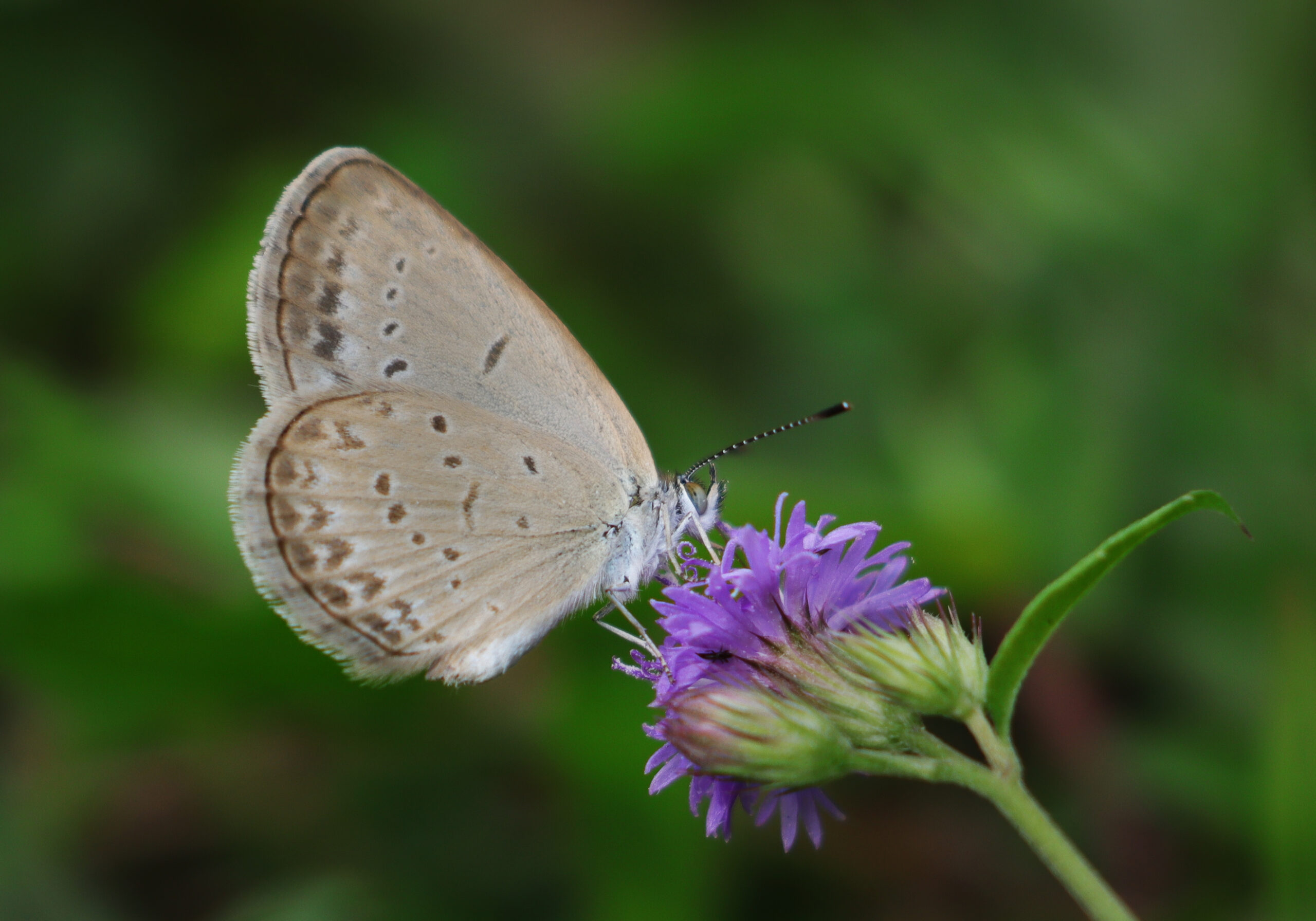
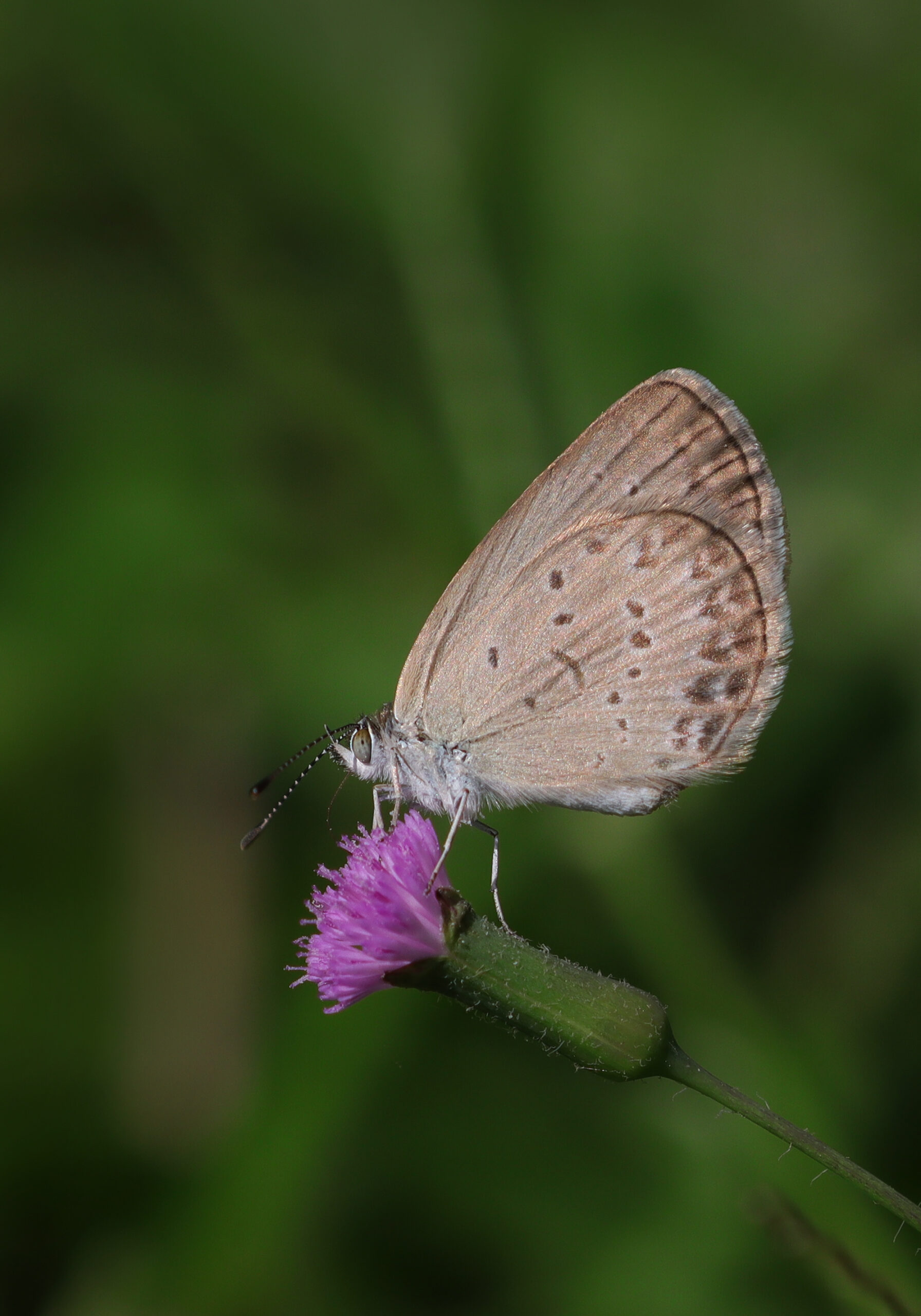
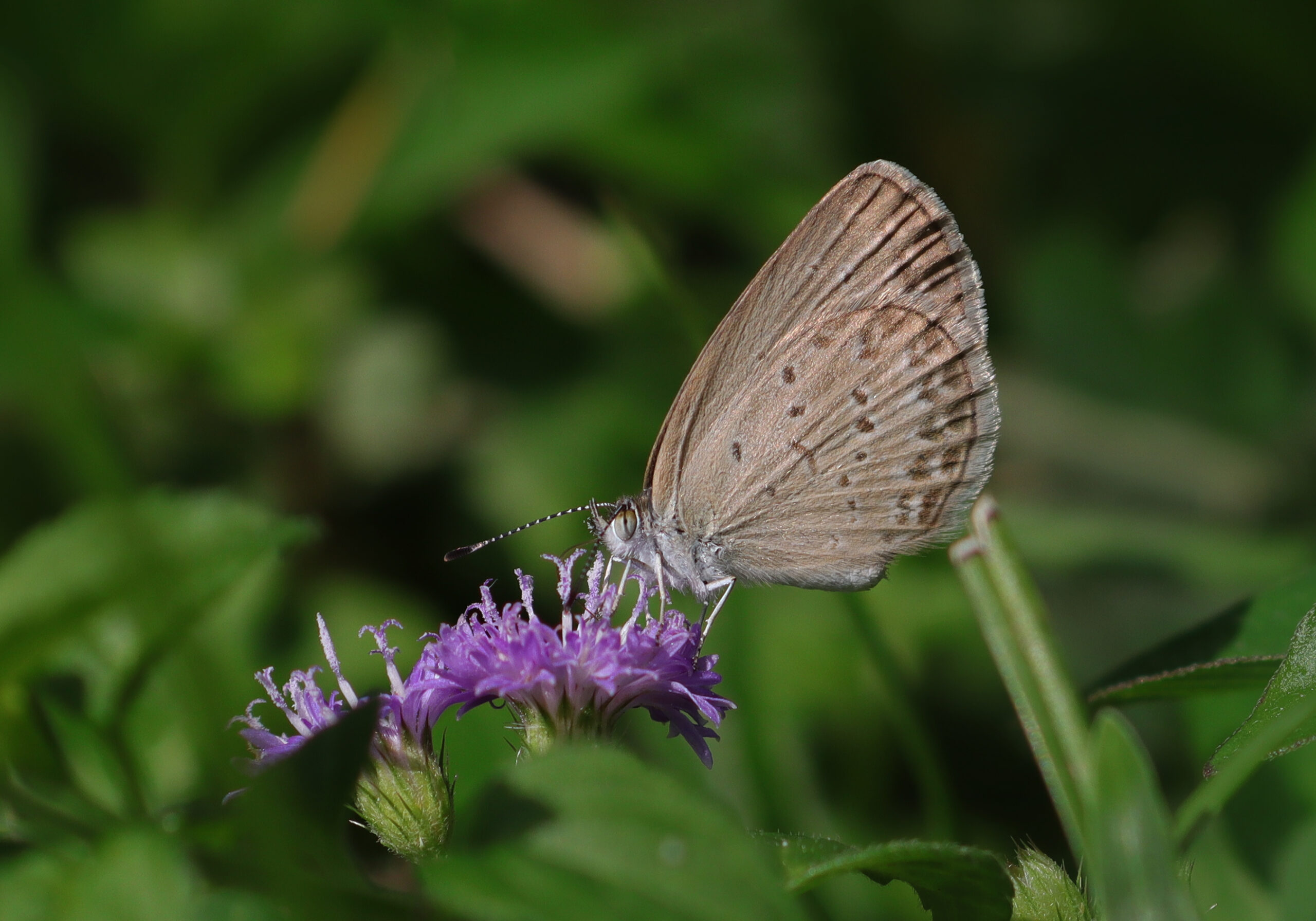
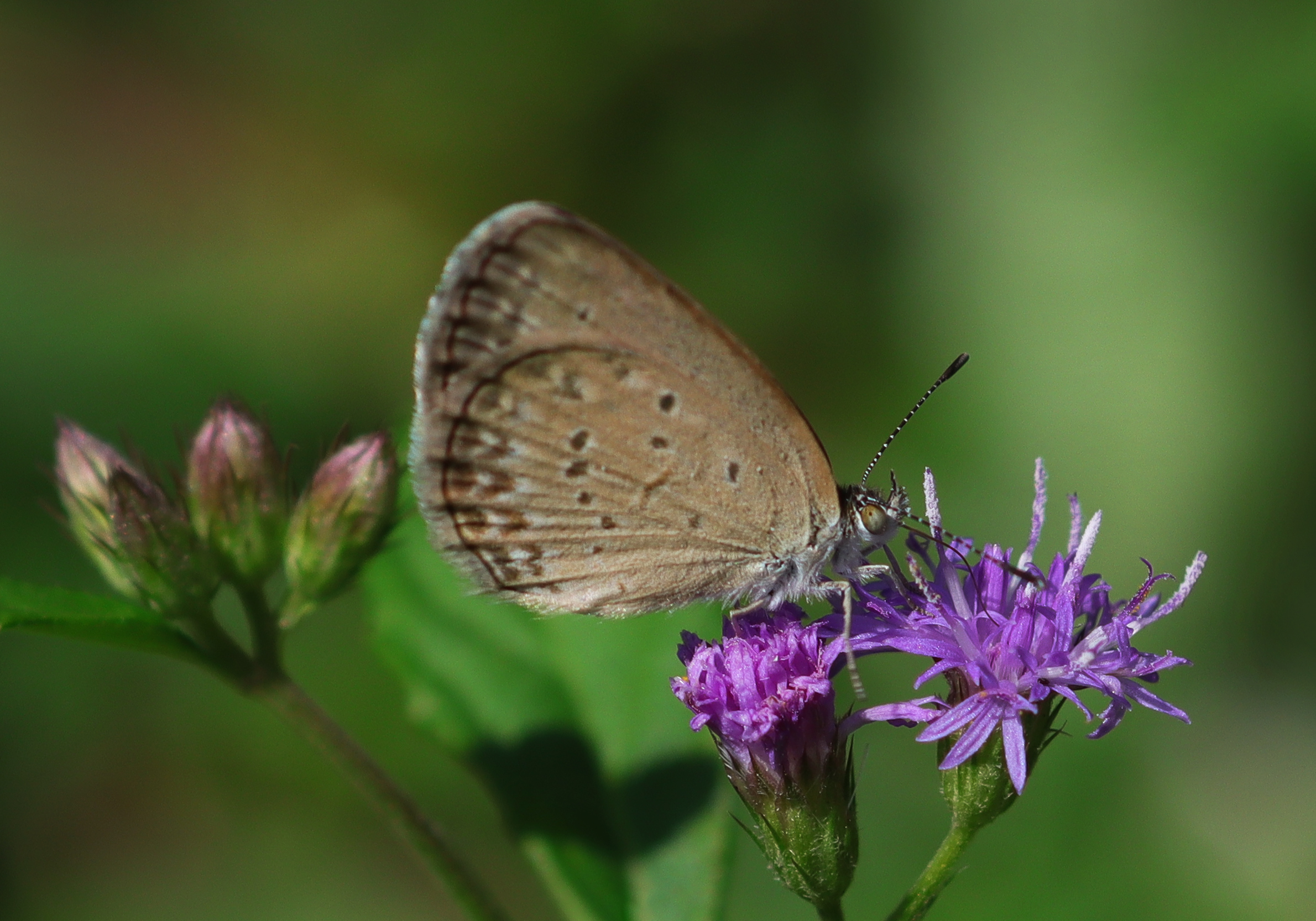
Butterflies of the genus Zizina are very small and delicate, typically exhibiting a wingspan of only a few centimeters. Males usually display pale blue to violet-blue coloration on the upper side of the wings, while females are often brown or gray with varying amounts of blue near the wing bases. The underside is light gray or pale brown and marked with small dark spots and fine bands that provide effective camouflage when resting.
Like other lycaenids, Zizina species possess slender bodies, clubbed antennae, and a rapid, fluttering flight. They are active during the day and are frequently observed flying low over grassy vegetation or visiting small flowers.
The life cycle involves complete metamorphosis, consisting of egg, larva (caterpillar), pupa, and adult stages. Caterpillars are flattened and slug-like in appearance and often feed on low-growing herbaceous plants, particularly legumes (Fabaceae). Some species exhibit associations with ants (myrmecophily), with larvae producing secretions that attract ants, which in turn provide protection from predators.
Adults feed primarily on nectar from a variety of small flowering plants and are important pollinators in open habitats.
One of the best-known species is Zizina otis, commonly called the Lesser Grass Blue, which is widespread and often abundant in grassy environments.
Ecologically, Zizina butterflies contribute to pollination and form part of complex food webs involving plants, ants, predators, and parasitoids. Their ability to thrive in disturbed habitats and their sensitivity to environmental changes make them useful indicators of ecosystem health and biodiversity.