Bali Wildlife
Every Spices Matter


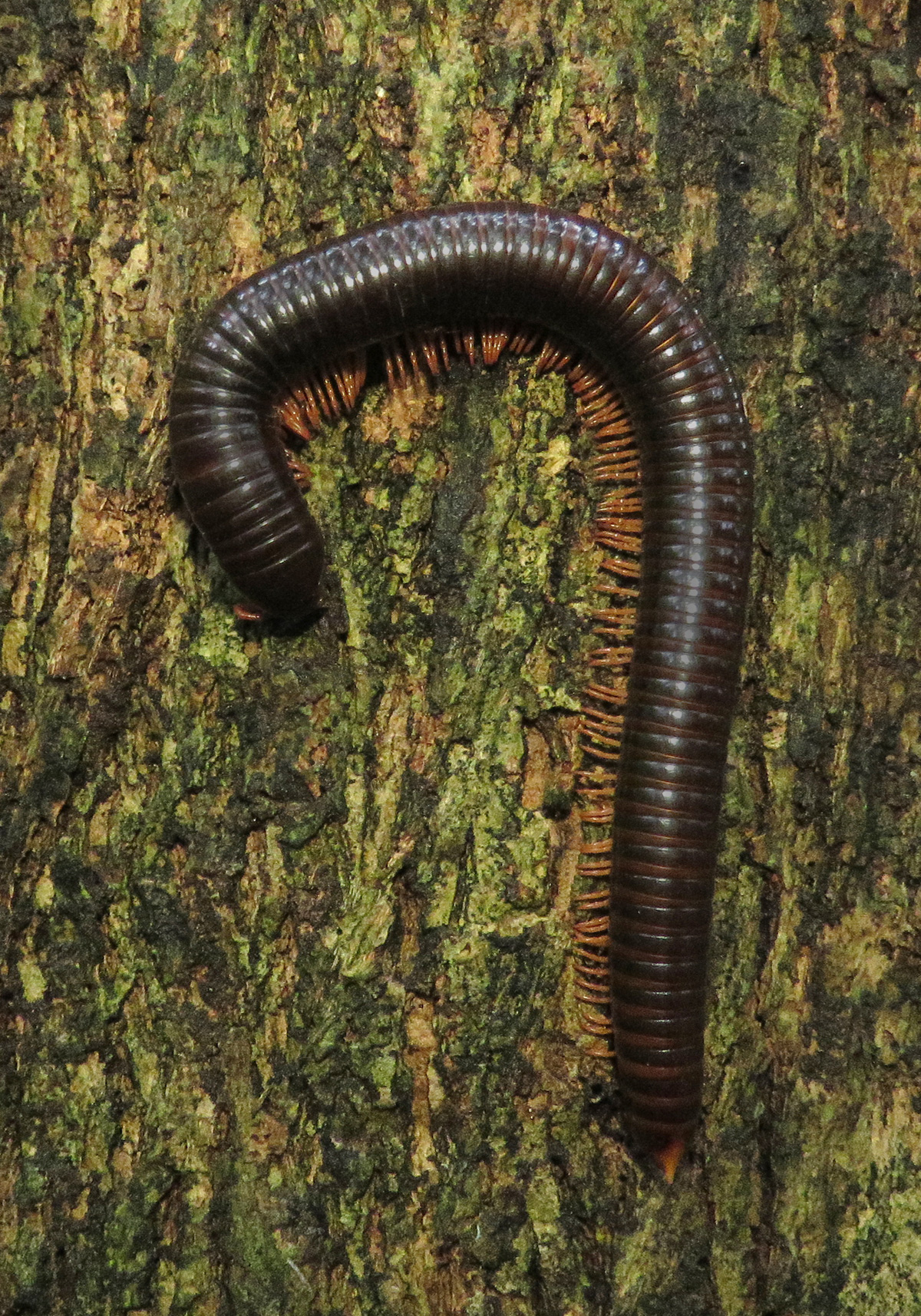
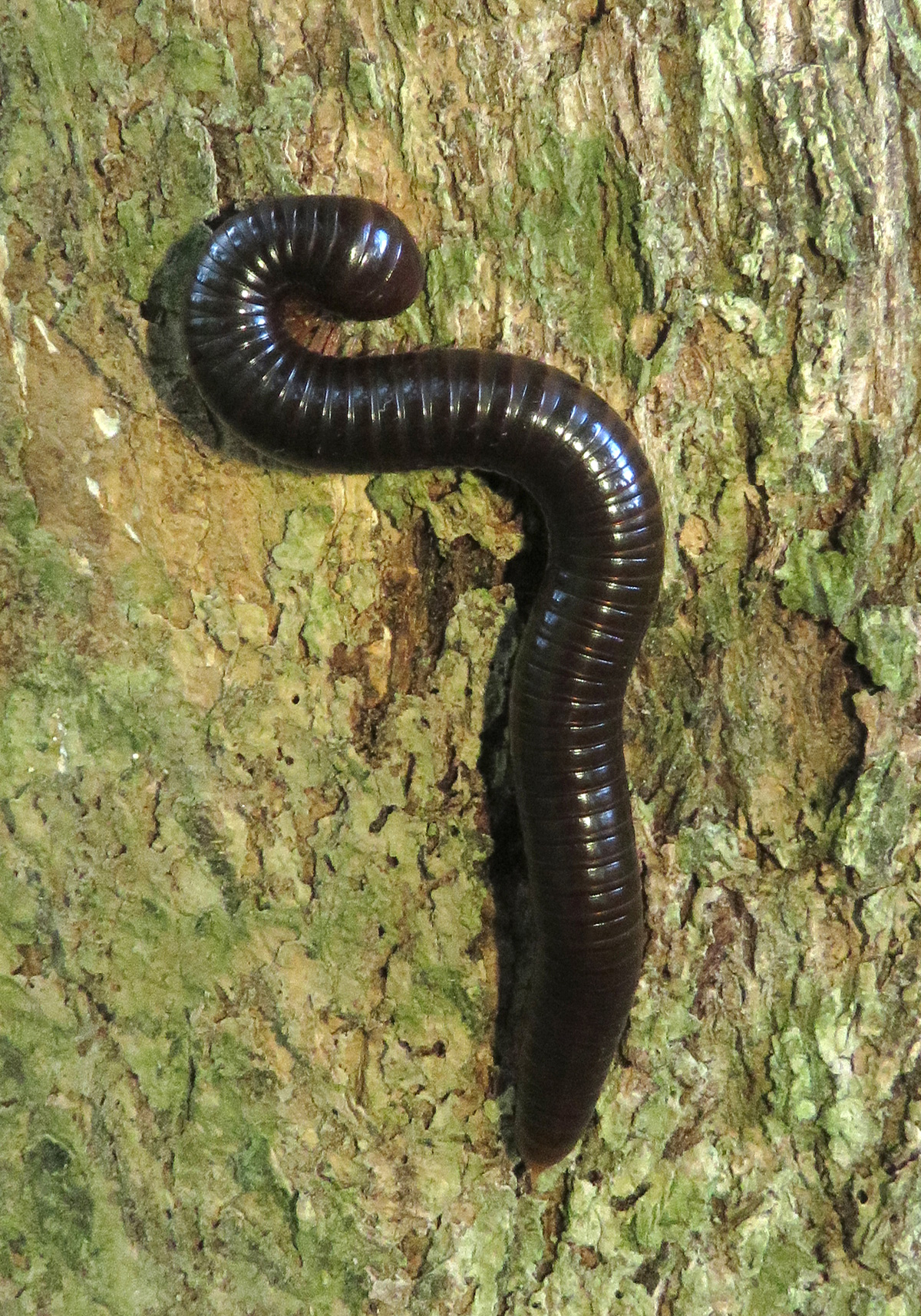
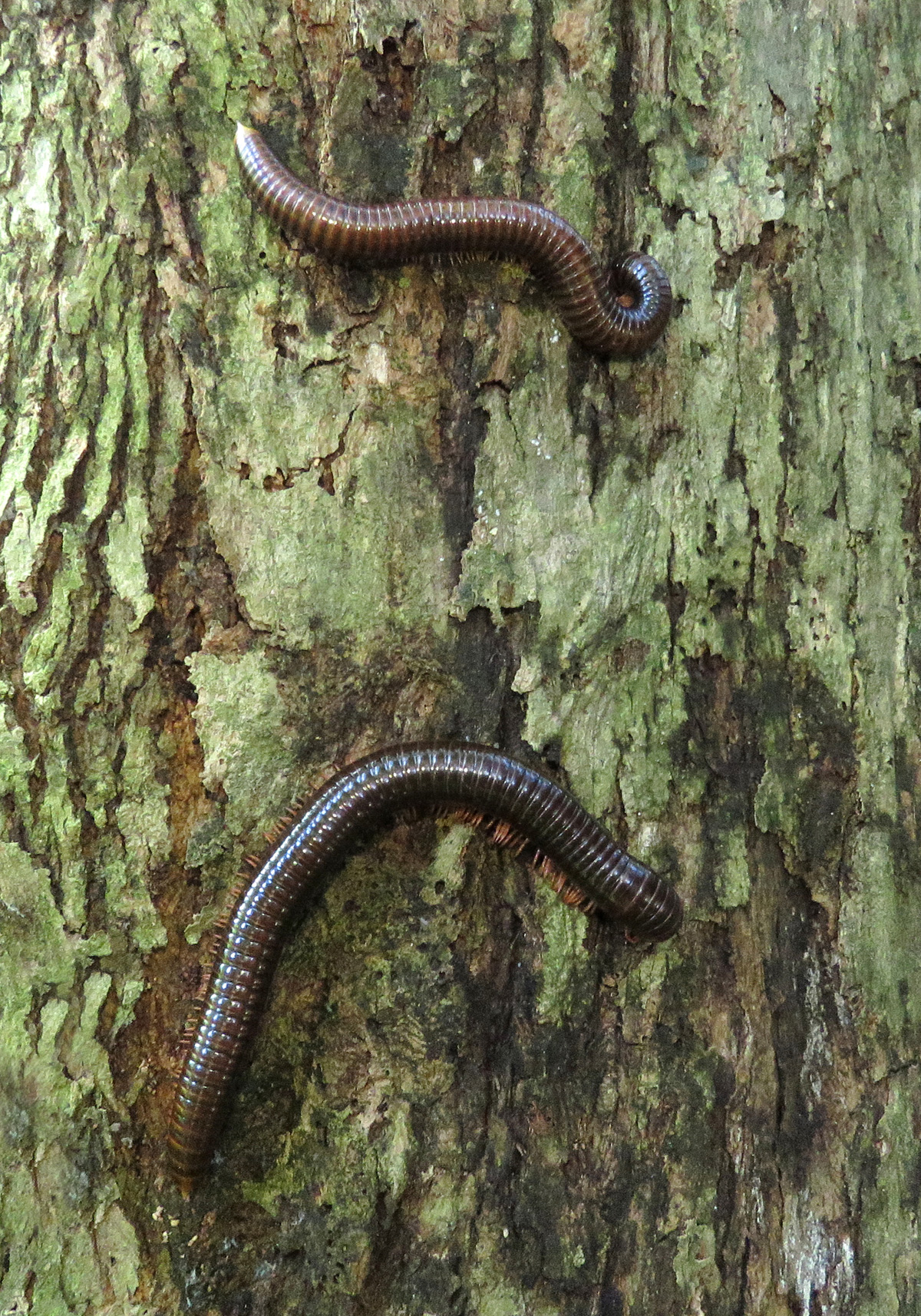
Trigoniulinae is a subfamily of millipedes within the family Pachybolidae, belonging to the suborder Trigoniulidea of the order Spirobolida in the class Diplopoda. Members of this subfamily are part of the round-backed millipedes characterized by cylindrical, elongated bodies with numerous segments.
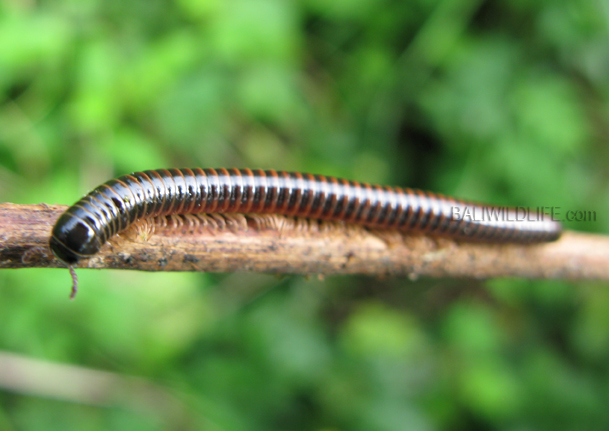
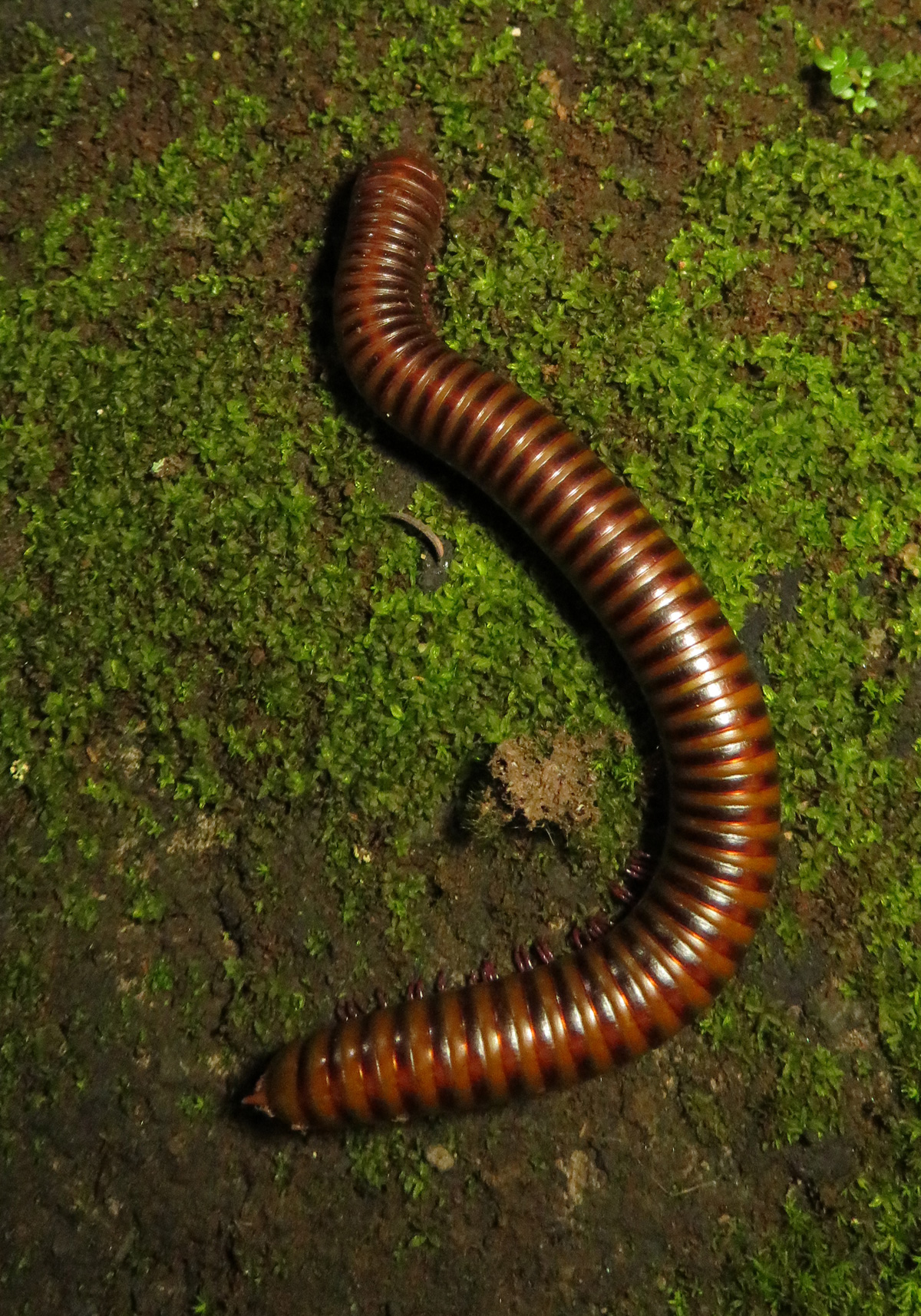
Millipedes of the subfamily Trigoniulinae typically possess smooth and robust bodies, with most segments bearing two pairs of legs. Their coloration commonly ranges from dark brown to black or reddish tones, although some species may exhibit contrasting bands or patterns along the body.
Species in this group are primarily found in tropical and subtropical regions, especially in Southeast Asia and other humid environments. They inhabit forest floors, leaf litter, soil, and decaying organic material where moisture levels remain relatively high.
Ecologically, Trigoniulinae millipedes function mainly as detritivores, feeding on decomposing plant material such as fallen leaves, rotting wood, and other organic debris. Their feeding activity helps accelerate decomposition and contributes to nutrient cycling within forest ecosystems.
Like many millipedes, members of Trigoniulinae defend themselves by curling their bodies into a tight spiral when disturbed. They may also release chemical secretions from specialized glands that serve as a deterrent against predators.