Bali Wildlife
Every Spices Matter


Tinoliinae is a small subfamily of moths within the family Erebidae (Superfamily Noctuoidea, Order Lepidoptera). Members of this subfamily are distributed primarily throughout the tropical regions of Africa and Asia, where they inhabit tropical rainforests, secondary forests, woodland edges, plantations, and other forested habitats. Tinoliinae is a relatively small and taxonomically complex group, and its classification remains the subject of ongoing phylogenetic research.
Moths of the subfamily Tinoliinae are generally small to medium-sized and possess a slender to moderately robust body with broad, delicately scaled wings. Their coloration is usually cryptic, consisting of shades of brown, gray, cream, reddish-brown, or olive, often marked with fine transverse lines, mottling, or darker patches that closely resemble bark, dead leaves, or lichens. This camouflage allows them to remain concealed while resting during daylight hours.
Adults are primarily nocturnal and are frequently attracted to artificial lights. Most species possess a well-developed coiled proboscis and are believed to feed on nectar, tree sap, fermenting fruits, or other sugar-rich fluids, although the feeding biology of many species remains poorly documented because of their secretive habits.
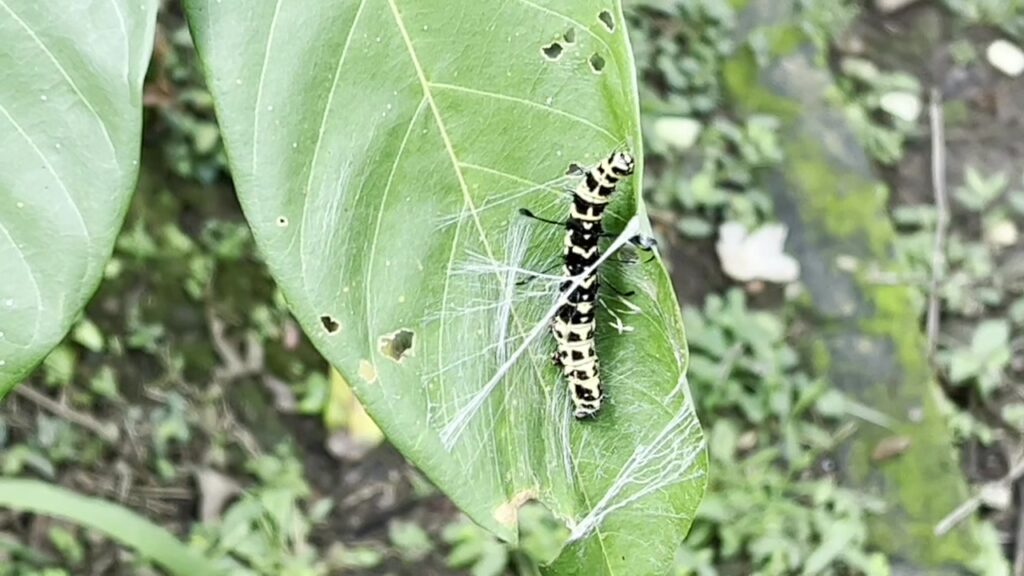
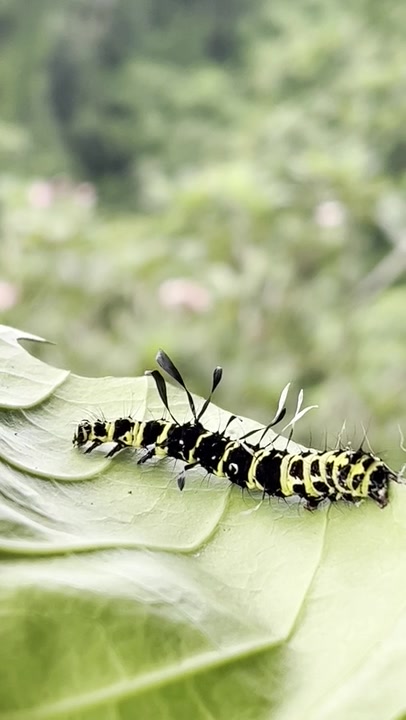
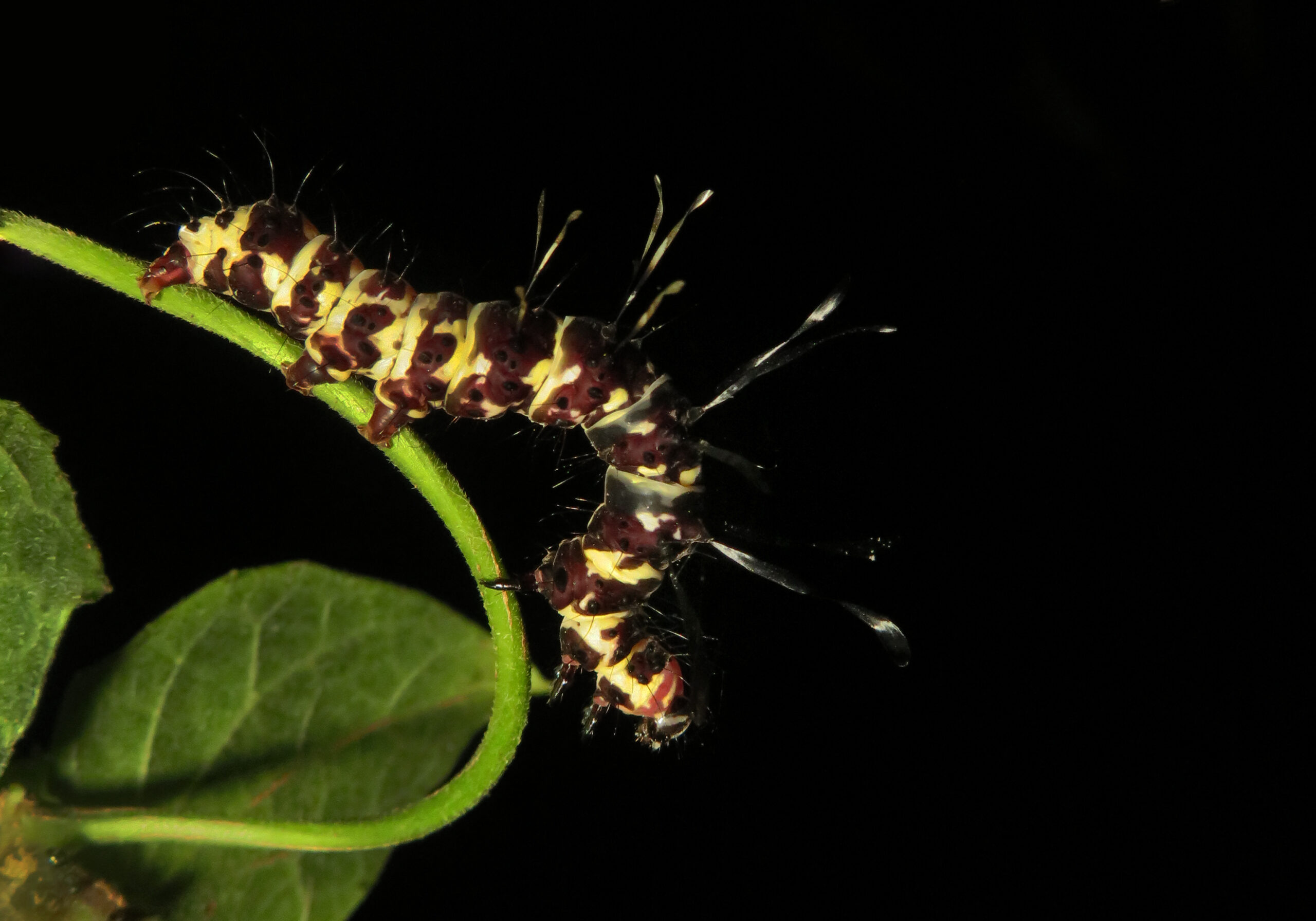
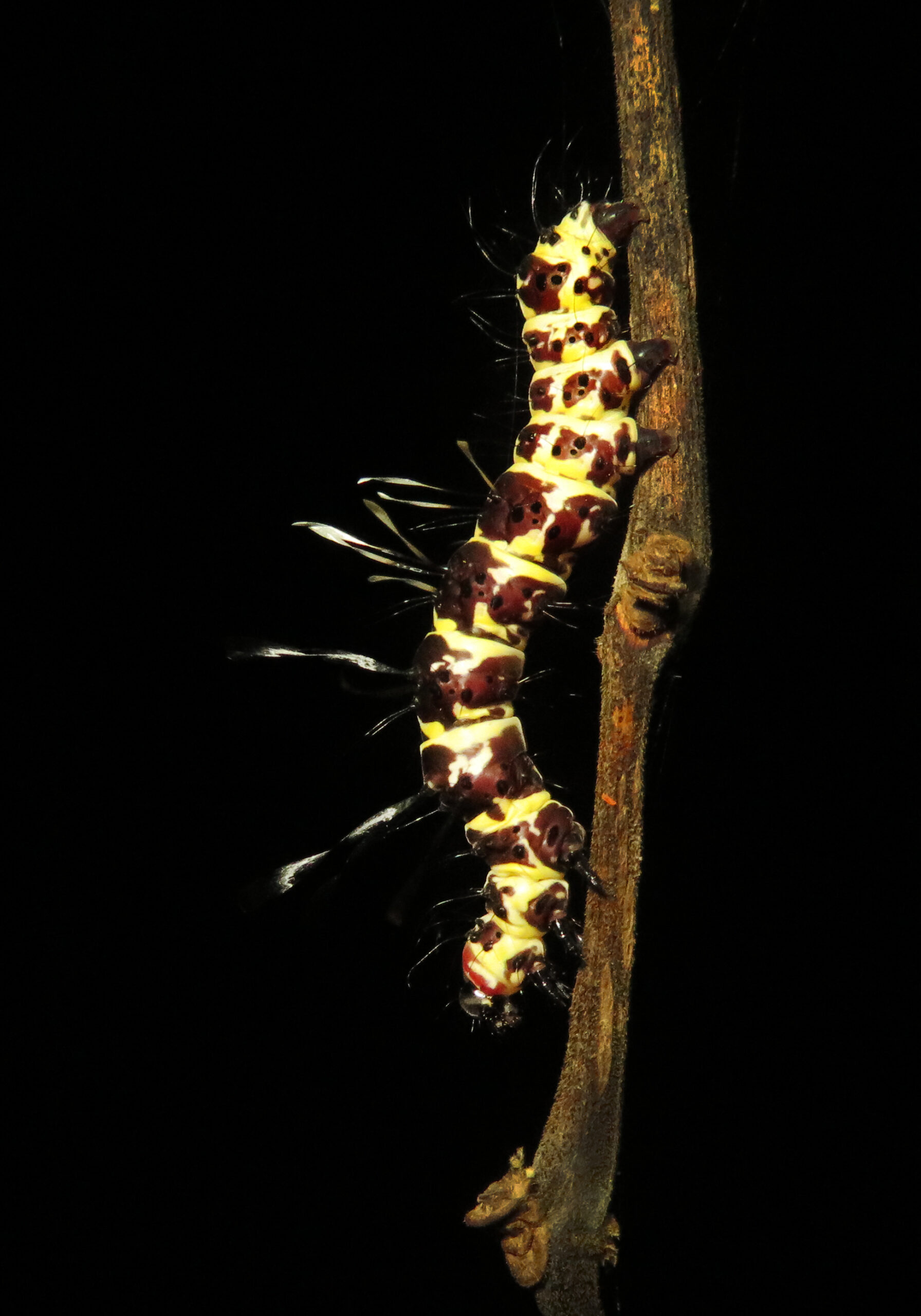
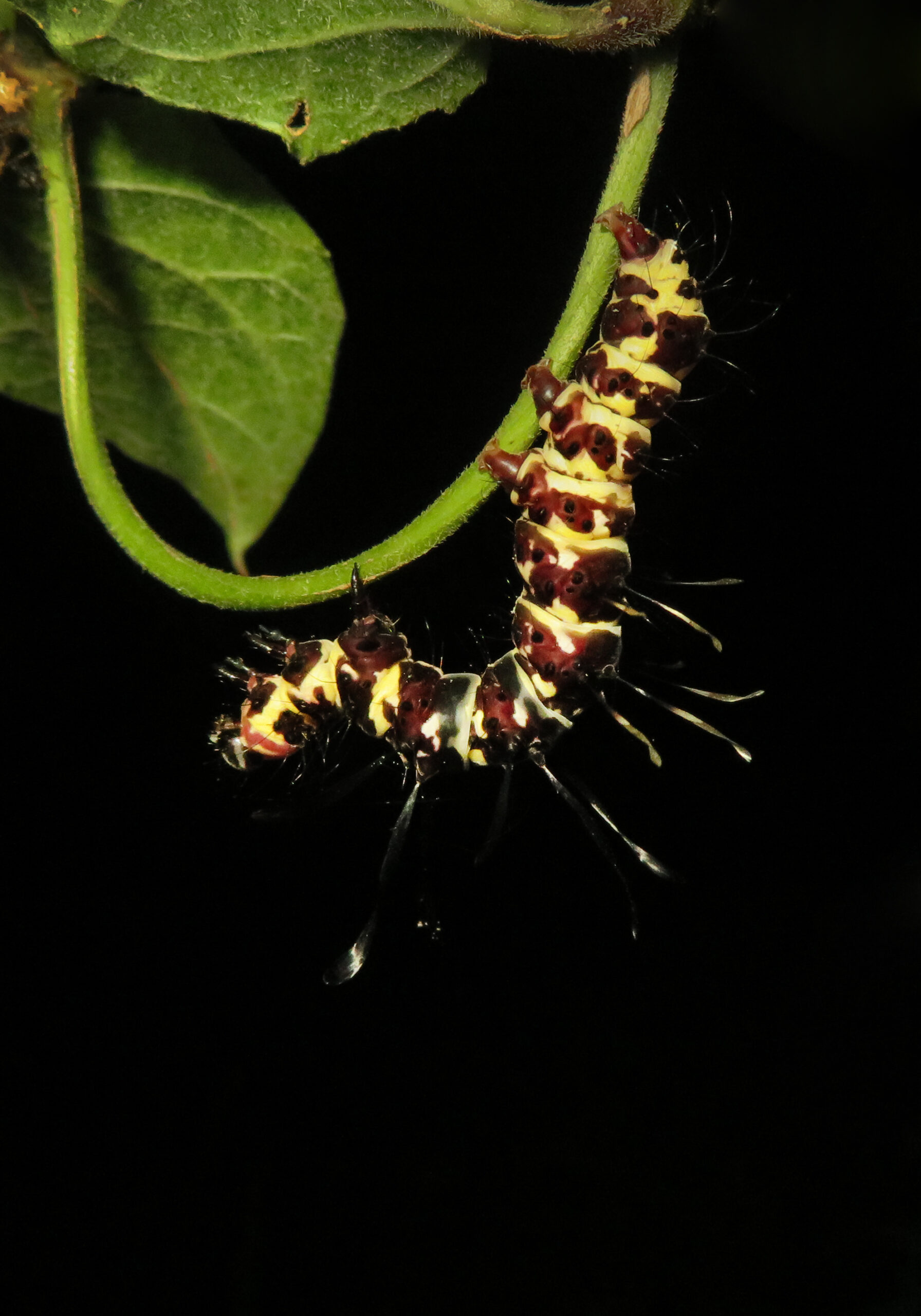
The life cycle involves complete metamorphosis, consisting of egg, larva (caterpillar), pupa, and adult stages. Caterpillars are leaf-feeding herbivores and, where known, many species develop on plants in the family Acanthaceae. Pupation occurs within a loose silken cocoon, and in some genera the pupa is covered with distinctive golden hairs. The immature stages of many Tinoliinae species remain undescribed, highlighting the need for further biological study.
The subfamily currently includes a small number of genera, notably Tinolius, Calesia, Poeta, and Tamsia, although their relationships remain uncertain and the composition of the subfamily may change as additional molecular and morphological evidence becomes available.
Ecologically, Tinoliinae moths function as herbivores during the larval stage and as components of nocturnal pollinator and detrital food webs as adults. Their caterpillars contribute to plant–herbivore interactions, while both larvae and adults serve as prey for birds, bats, spiders, predatory insects, and other insectivores. Although comparatively little is known about their natural history, Tinoliinae species form part of the rich biodiversity of tropical forest ecosystems.