Bali Wildlife
Every Spices Matter


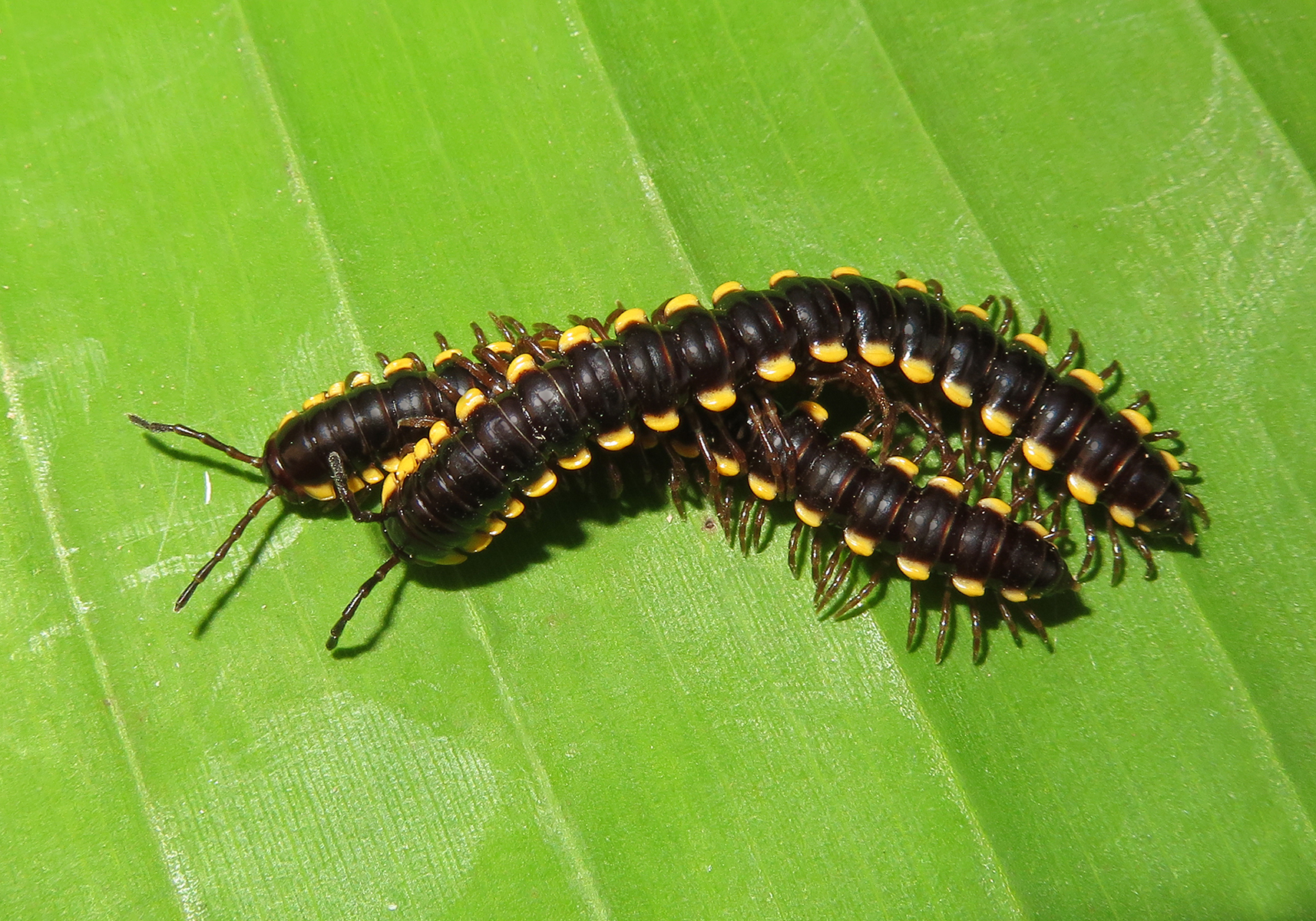
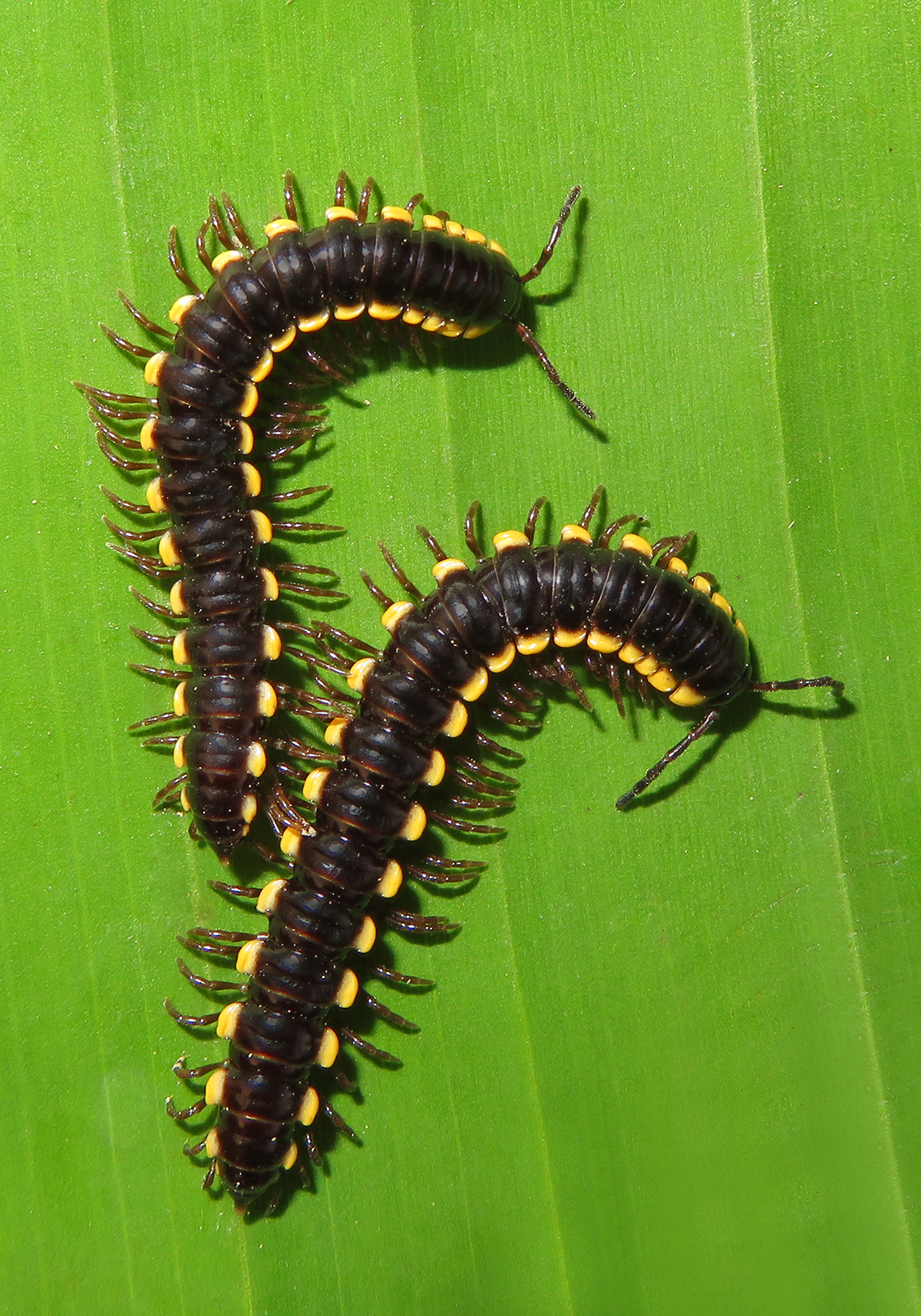
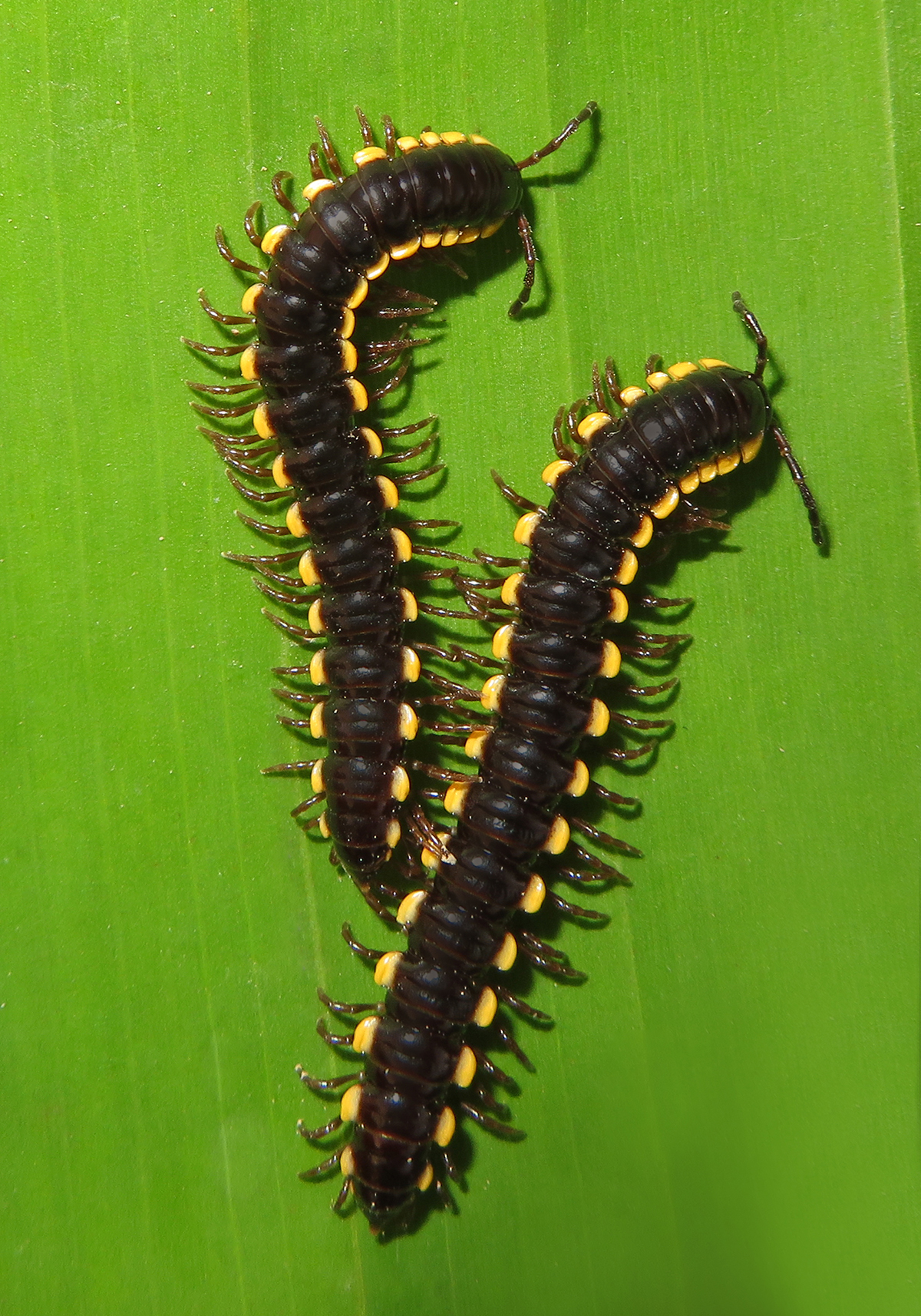
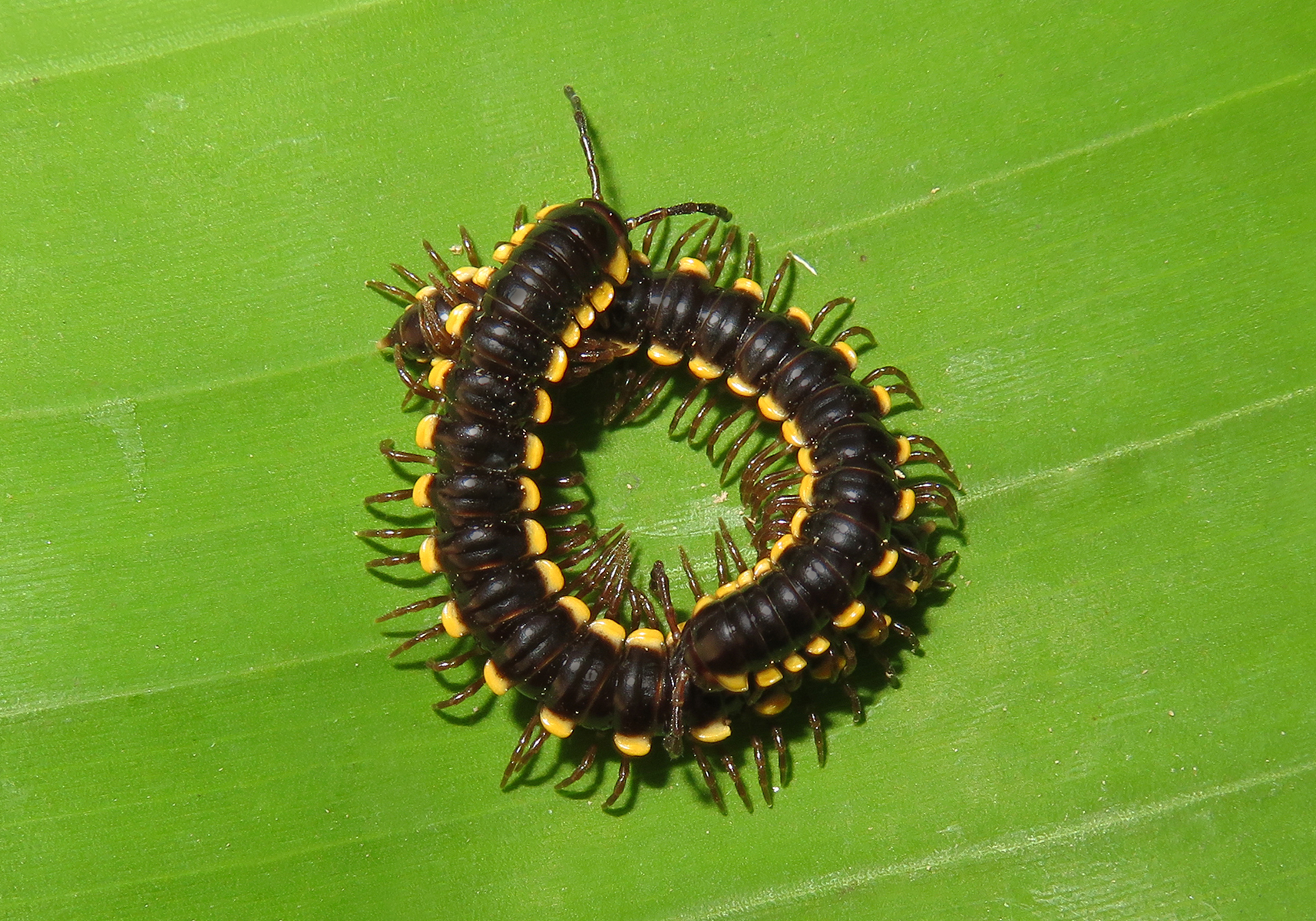
Sulciferini is a tribe within the subfamily Paradoxosomatinae (family Paradoxosomatidae, order Polydesmida). It comprises a group of flat-backed millipedes primarily distributed in tropical and subtropical regions of Asia, where they are especially diverse.
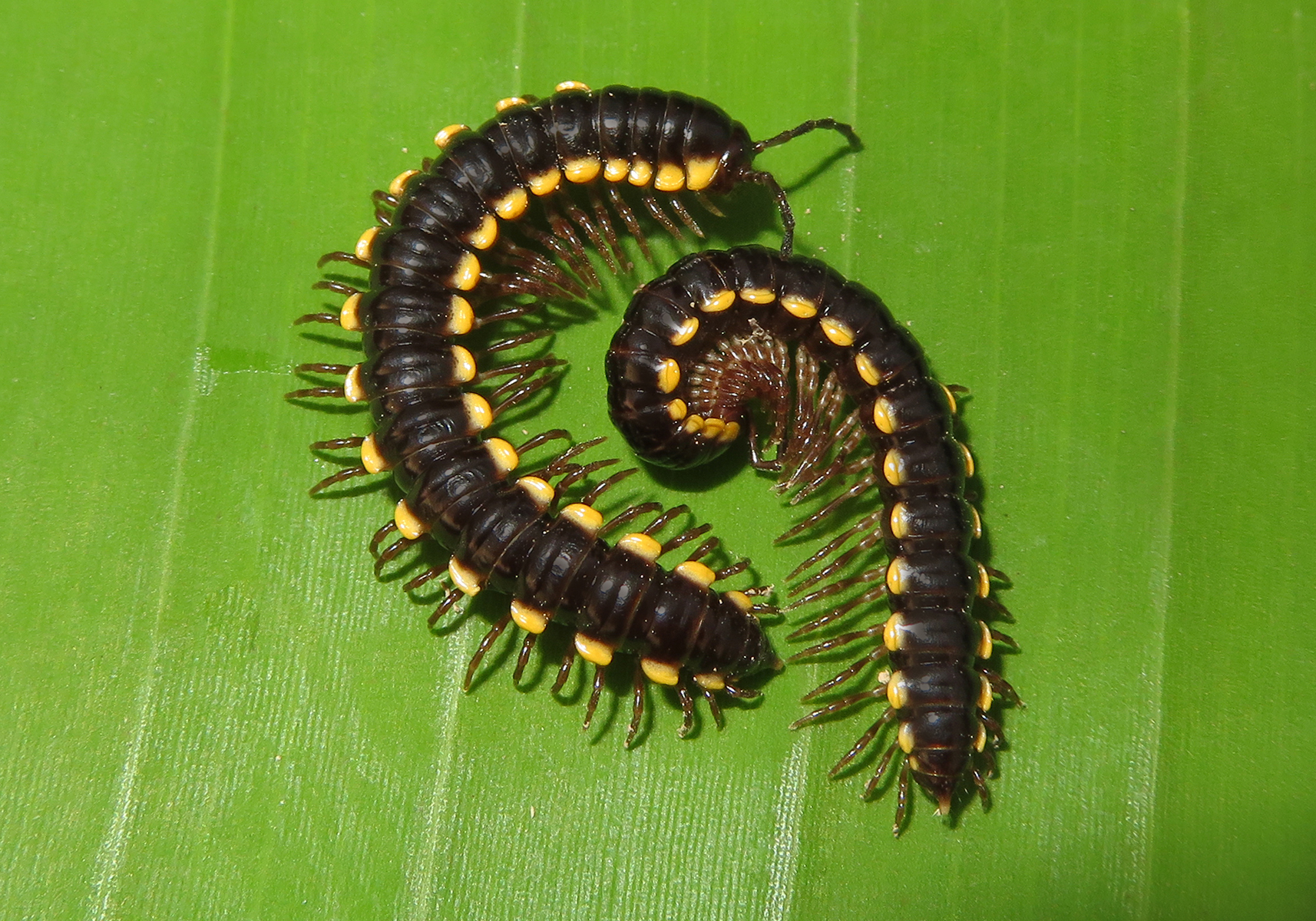
Members of Sulciferini share the typical characteristics of paradoxosomatid millipedes: elongated and dorsoventrally flattened bodies with well-developed lateral keels (paranota) on each segment. Adults generally possess 20 body segments. As with most polydesmid millipedes, they lack functional eyes and depend on antennae and chemical signals for environmental perception.
Species within this tribe often display distinct morphological traits in the male gonopods (reproductive appendages), which are important for taxonomic identification and species differentiation. Body coloration ranges from dark brown or black to patterned forms with lighter margins or contrasting stripes.
Sulciferini species are terrestrial detritivores inhabiting leaf litter, forest floors, soil, and decomposing wood. They feed on decaying plant material and fungi, playing an important ecological role in nutrient recycling and soil formation.
Like other members of Paradoxosomatidae, they possess defensive glands capable of producing chemical secretions that deter predators. These secretions may include mild irritants but are generally not harmful to humans.
Ecologically, Sulciferini contributes to decomposition processes and supports the maintenance of healthy forest ecosystems.