Bali Wildlife
Every Spices Matter


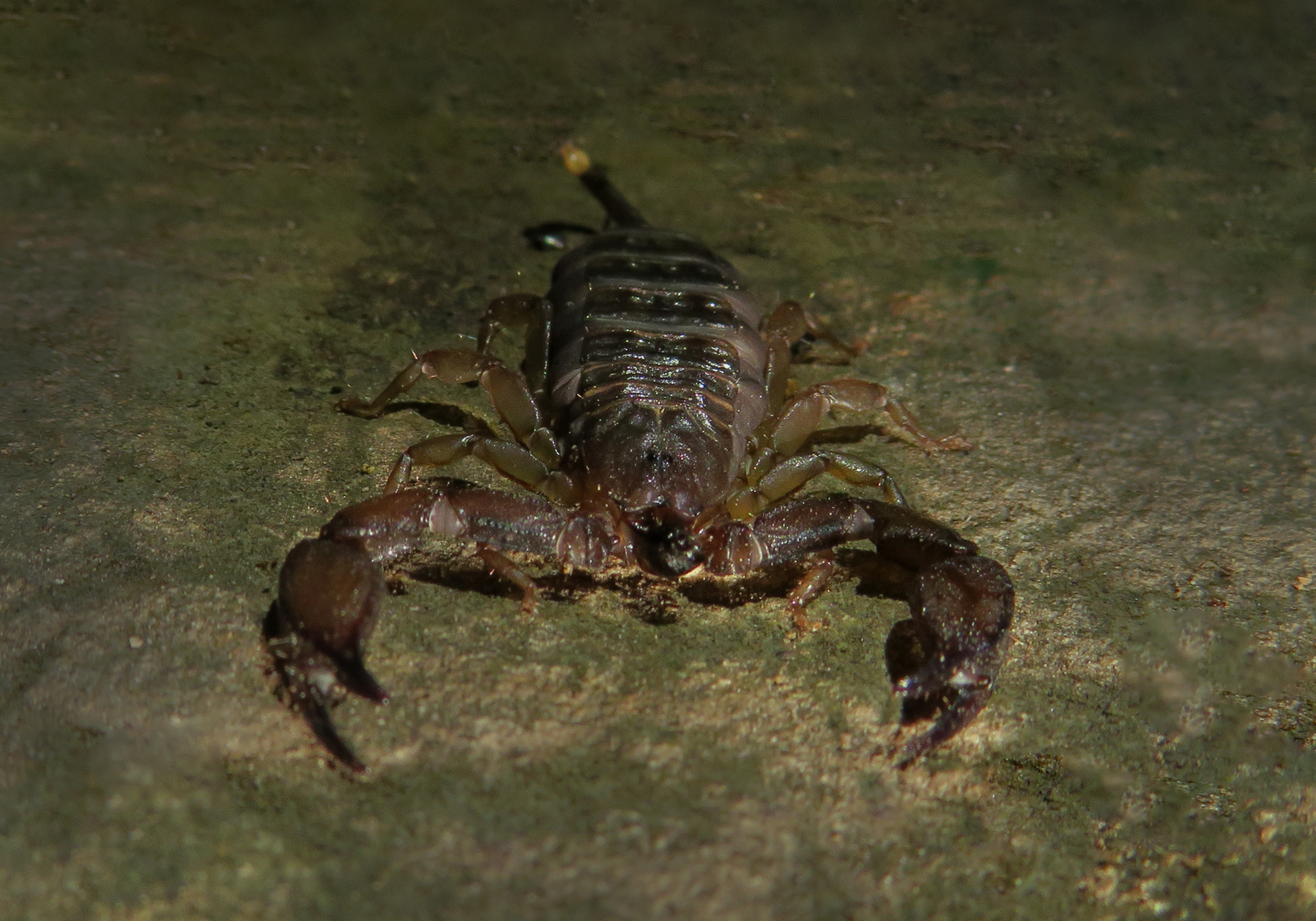
Scorpionoidea is a major superfamily within the parvorder Iurida (Infraorder Orthosterni, Order Scorpiones), comprising many of the world’s largest and most robust scorpions. Members of this superfamily are widely distributed throughout tropical, subtropical, and temperate regions of Africa, Asia, Australia, Europe, and the Americas. They inhabit diverse environments, including tropical rainforests, savannas, deserts, rocky landscapes, caves, grasslands, and mountainous regions.
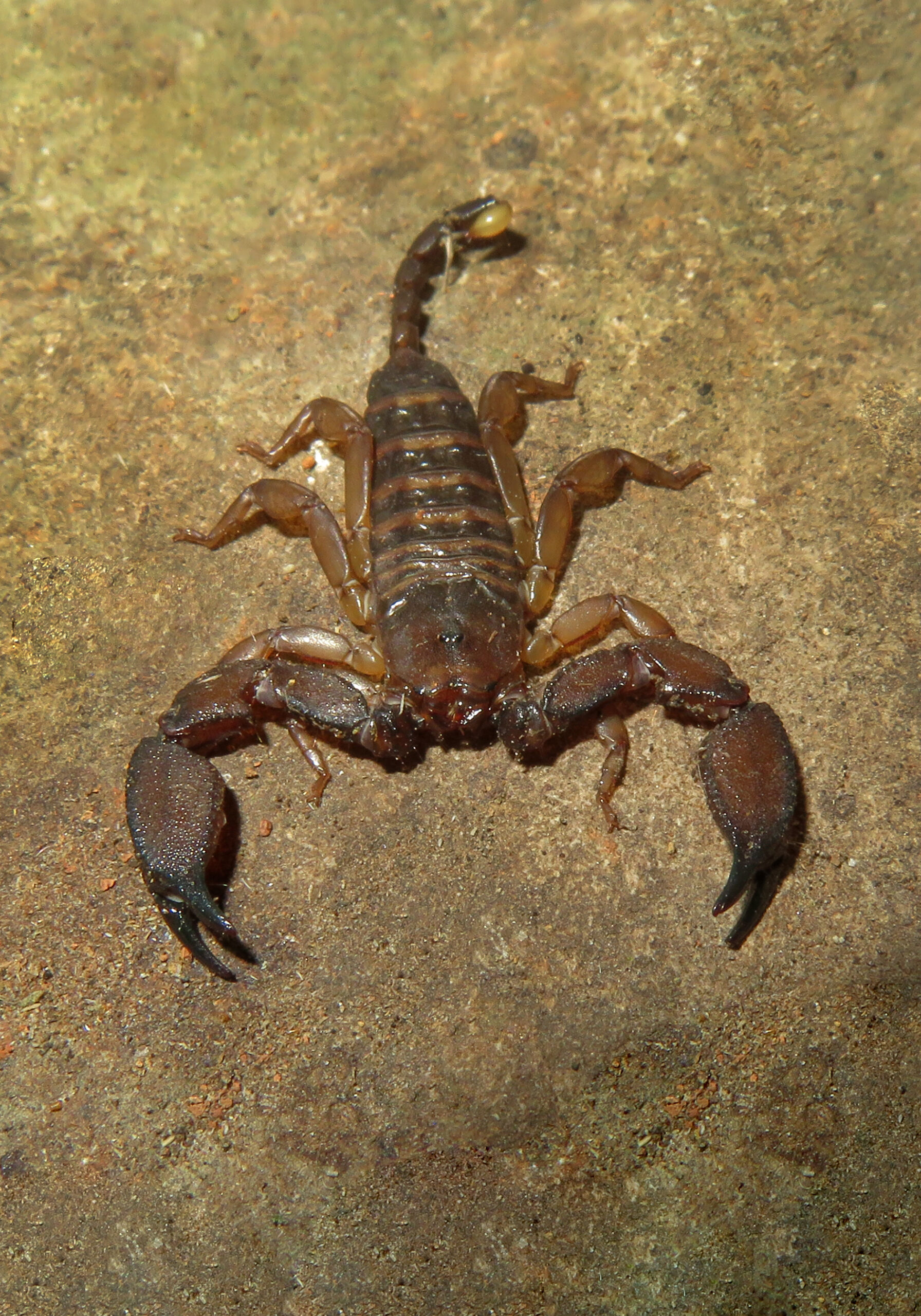
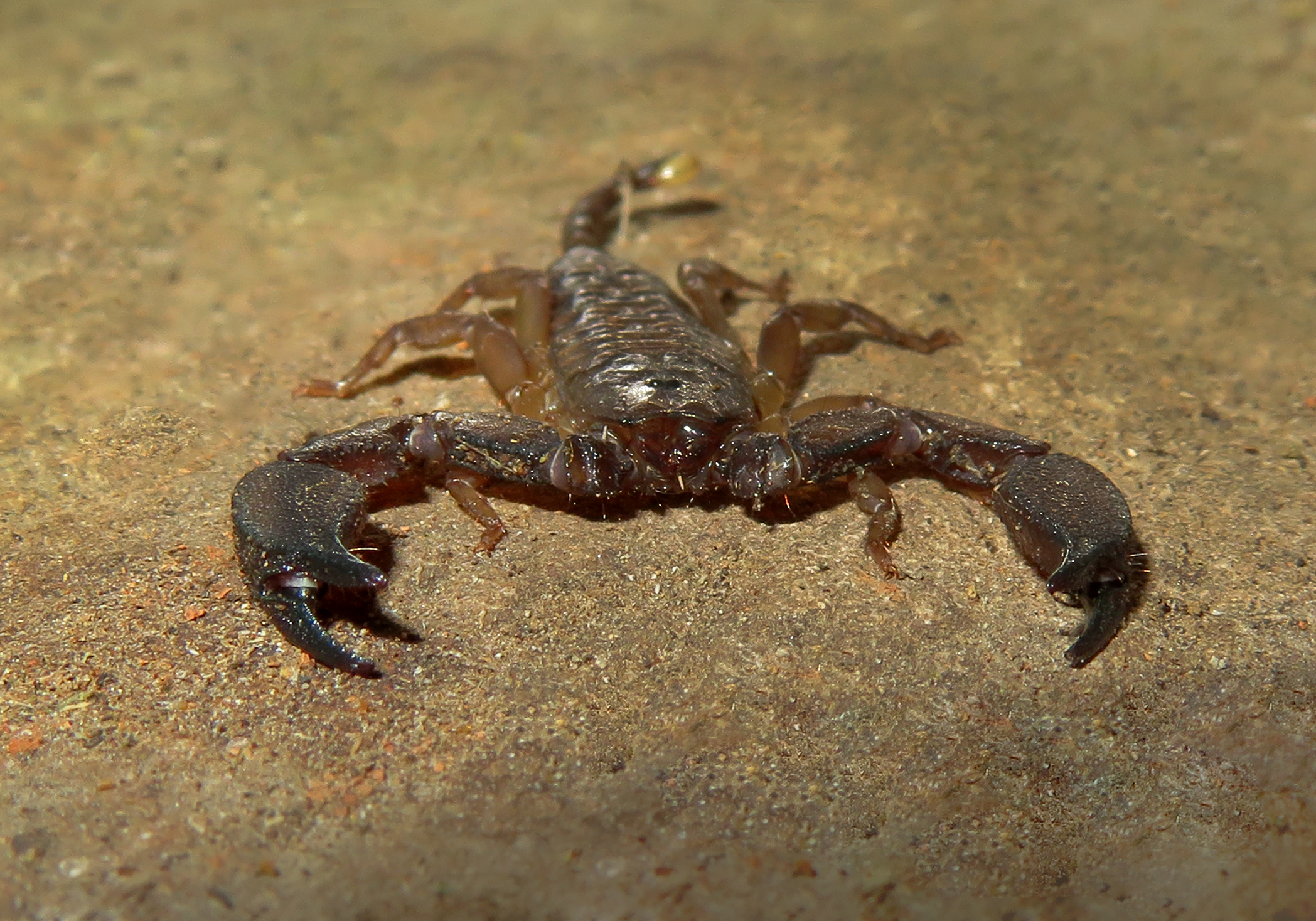
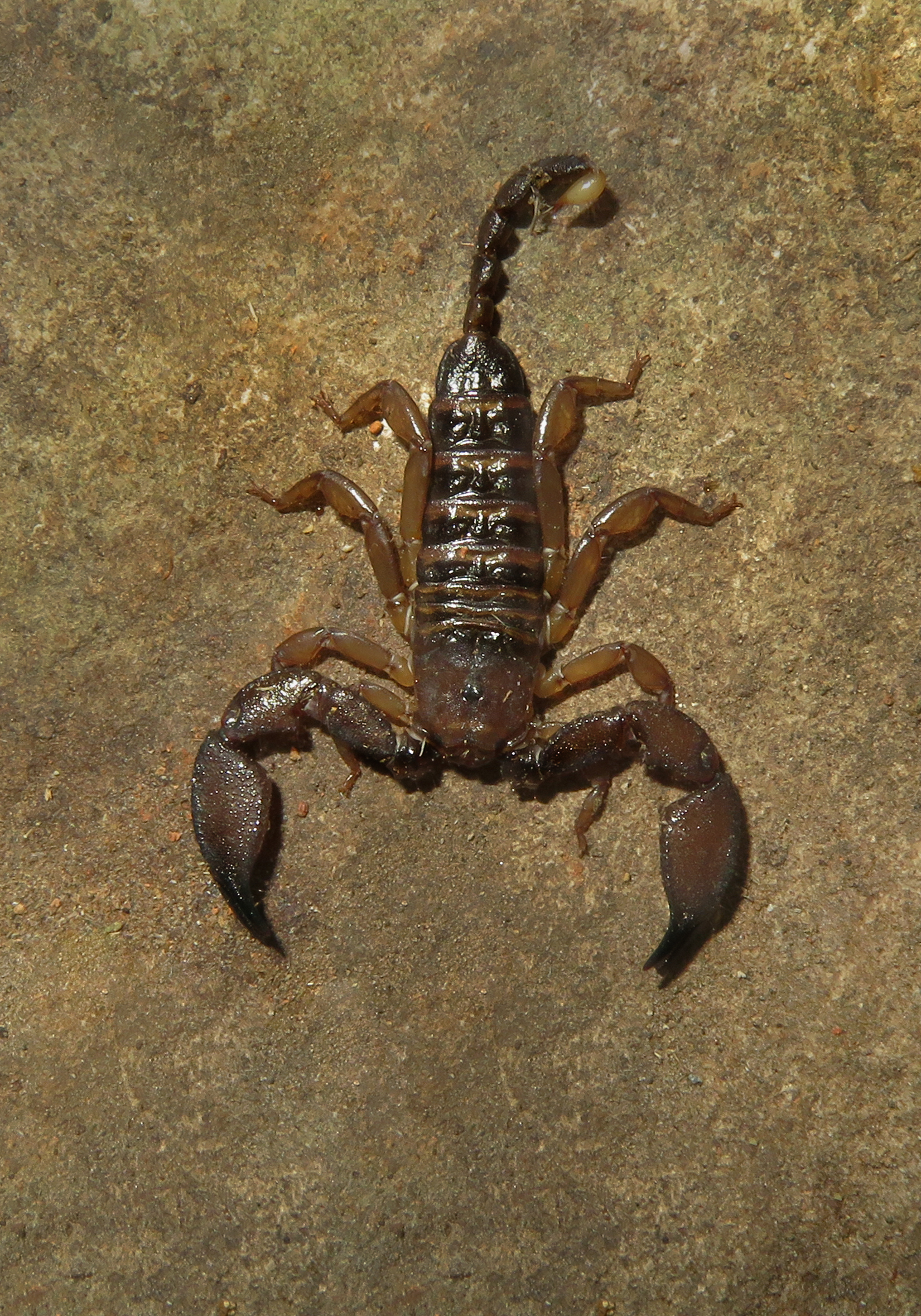
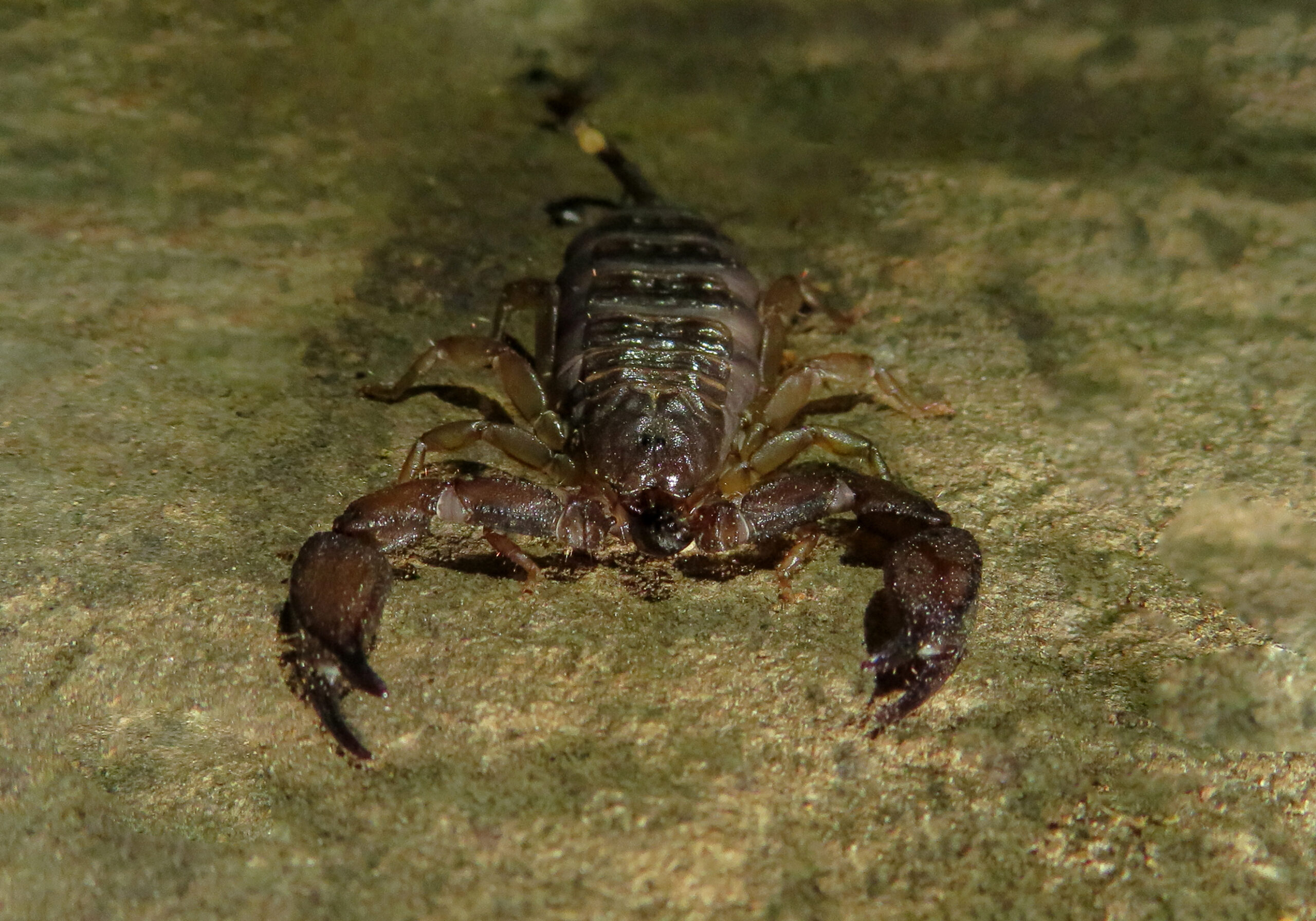
Scorpions of the superfamily Scorpionoidea are generally medium to very large in size and are characterized by a heavily sclerotized body, well-developed pedipalps with large pincers (chelae), and a segmented tail (metasoma) ending in a venomous telson. In many species, the pedipalps are particularly robust and are used extensively for capturing prey, reducing reliance on the stinger compared with some other scorpion groups.
Body coloration varies from pale yellow and reddish-brown to dark brown and glossy black, often providing effective camouflage against soil, bark, rocks, or leaf litter. Like all scorpions, members possess specialized comb-like sensory organs called pectines, which detect substrate vibrations, chemical signals, and environmental textures. Their exoskeleton also fluoresces under ultraviolet light because of naturally occurring fluorescent compounds in the cuticle.
Most species are nocturnal predators that remain hidden during the day beneath rocks, logs, bark, leaf litter, or inside burrows. At night they actively hunt insects, spiders, centipedes, and other arthropods, while larger species may occasionally capture small vertebrates such as lizards, frogs, or rodents. Prey is seized with the powerful pincers and subdued with venom when necessary.
Reproduction is viviparous, with females giving birth to live young rather than laying eggs. Newly born scorpions climb onto the mother’s back, where they remain until after their first molt. This period of maternal care provides protection and increases juvenile survival.
The superfamily includes several well-known families, such as Scorpionidae, Hormuridae, Diplocentridae, and related lineages. Members exhibit a wide range of ecological adaptations, from burrowing desert species to arboreal and forest-dwelling forms.
Ecologically, Scorpionoidea species are important predators that help regulate populations of insects and other invertebrates. They also serve as prey for birds, reptiles, amphibians, mammals, and larger arthropods. Their roles as both predators and prey, together with their long evolutionary history and specialized adaptations, make them essential components of terrestrial ecosystems and valuable indicators of habitat integrity.