Bali Wildlife
Every Spices Matter


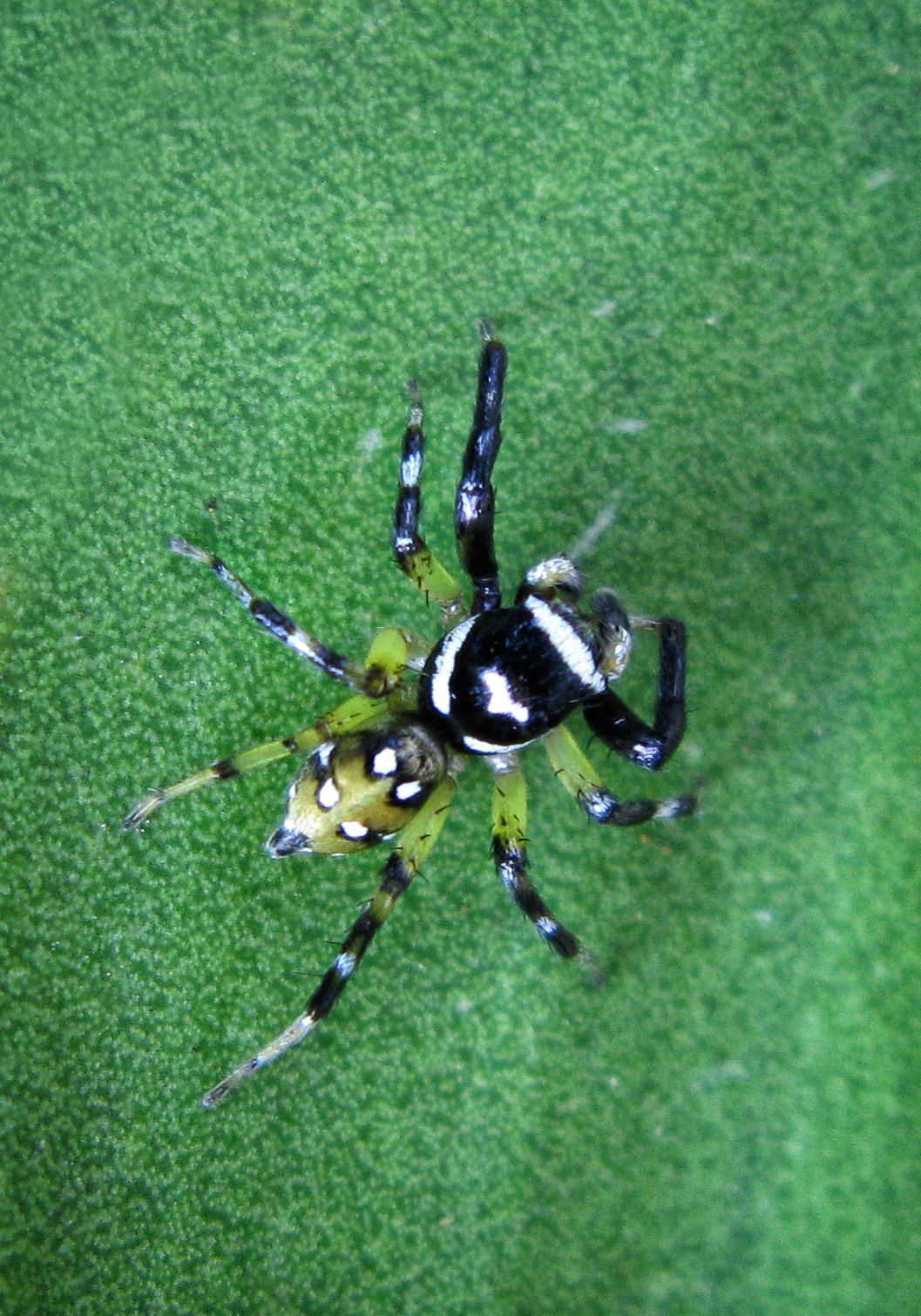
Salticinae is the largest and most diverse subfamily within the family Salticidae (Order Araneae, Class Arachnida), comprising the majority of known jumping spider species. The subfamily has a worldwide distribution, occurring on all continents except Antarctica, and reaches its greatest diversity in tropical and subtropical regions. Members of Salticinae occupy a wide range of habitats, including forests, grasslands, shrublands, agricultural areas, and urban environments.
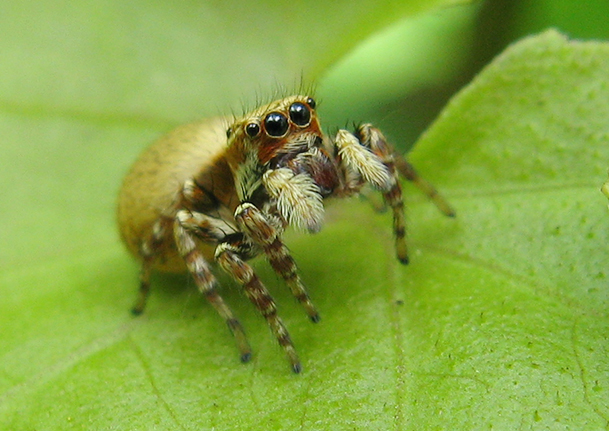
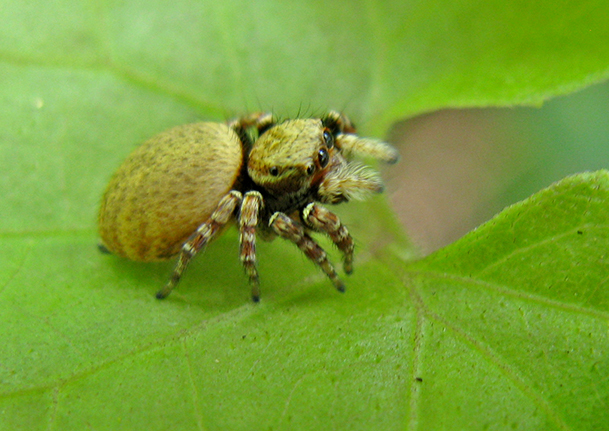
Spiders of the subfamily Salticinae are typically small to medium-sized and share the characteristic jumping spider body plan, with a compact prosoma, relatively short legs, and powerful hind legs adapted for jumping. They are distinguished by their highly developed visual system, particularly the large anterior median eyes, which provide acute vision and enable precise prey detection, depth perception, and complex visual communication.
Salticinae are active, diurnal hunters that do not use capture webs. Instead, they stalk prey and capture it by a sudden leap, secured by a silk dragline. Silk is also used for constructing retreats, molting chambers, and egg sacs. Many species exhibit agile movement and remarkable spatial awareness.
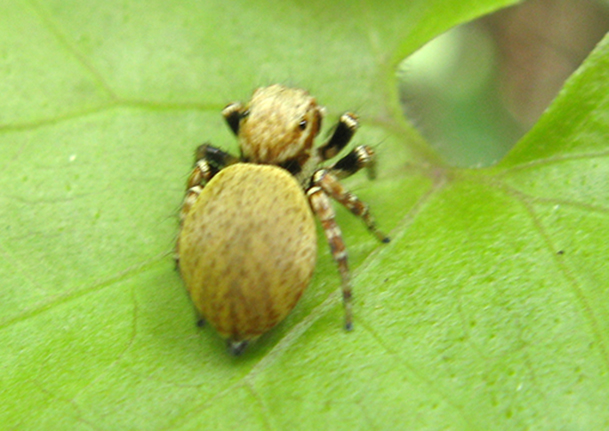
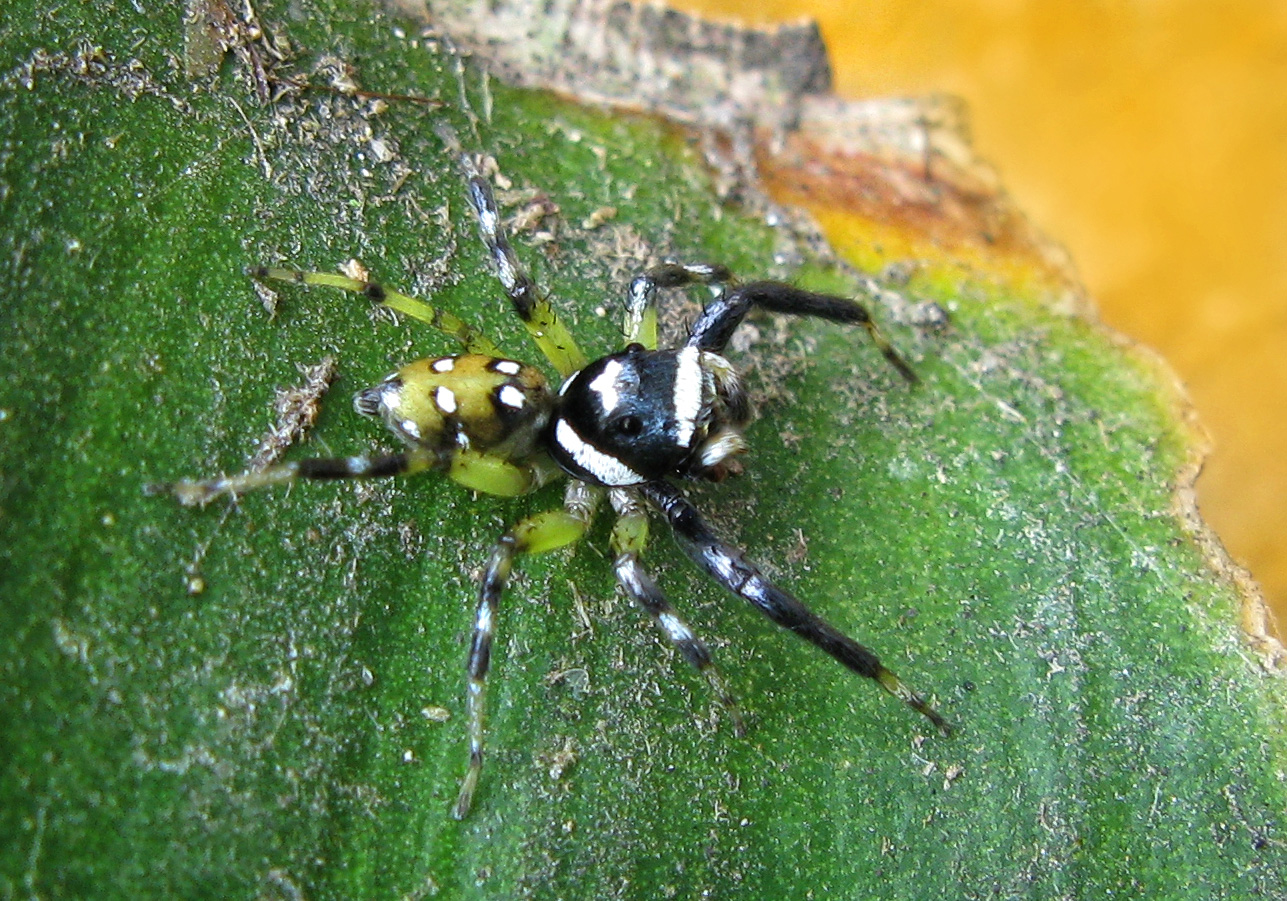
Coloration and morphology within Salticinae are highly variable. Some species are cryptically colored, while others display vivid hues, iridescent scales, or bold patterns. Sexual dimorphism is common, especially in males, which often possess modified chelicerae, legs, or body setae and perform elaborate courtship displays involving visual signals and vibrations.
Salticinae undergo direct development. Females lay eggs in silk sacs, and spiderlings emerge as miniature versions of adults. In some species, females guard the egg sac and early instars.
Ecologically, Salticinae are important predators of insects and other small arthropods, playing a significant role in controlling pest populations. The subfamily includes many well-known and diverse genera, such as Salticus, Phidippus, Hyllus, and Plexippus, and represents the evolutionary and behavioral core of the jumping spiders.