Bali Wildlife
Every Spices Matter


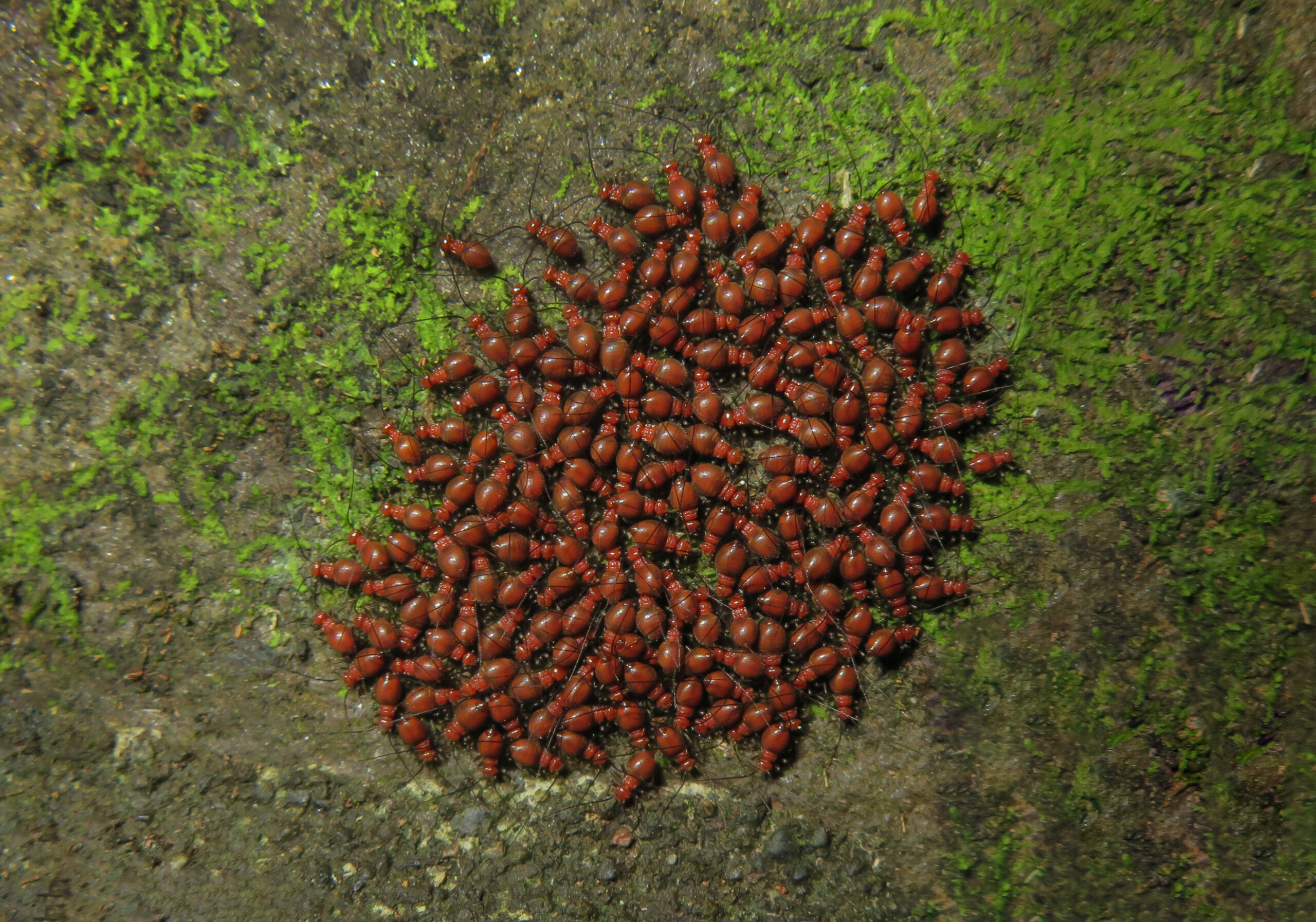
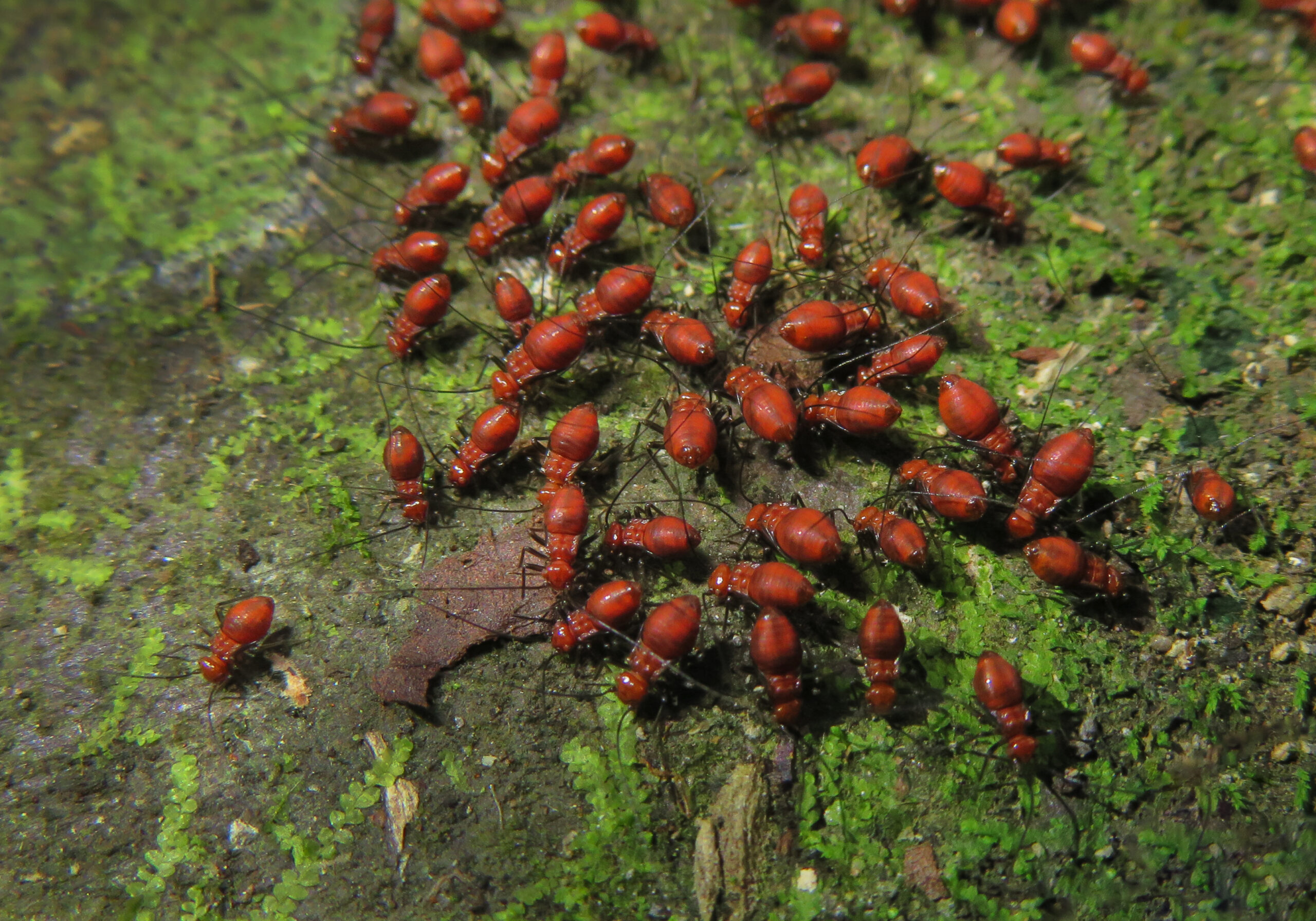
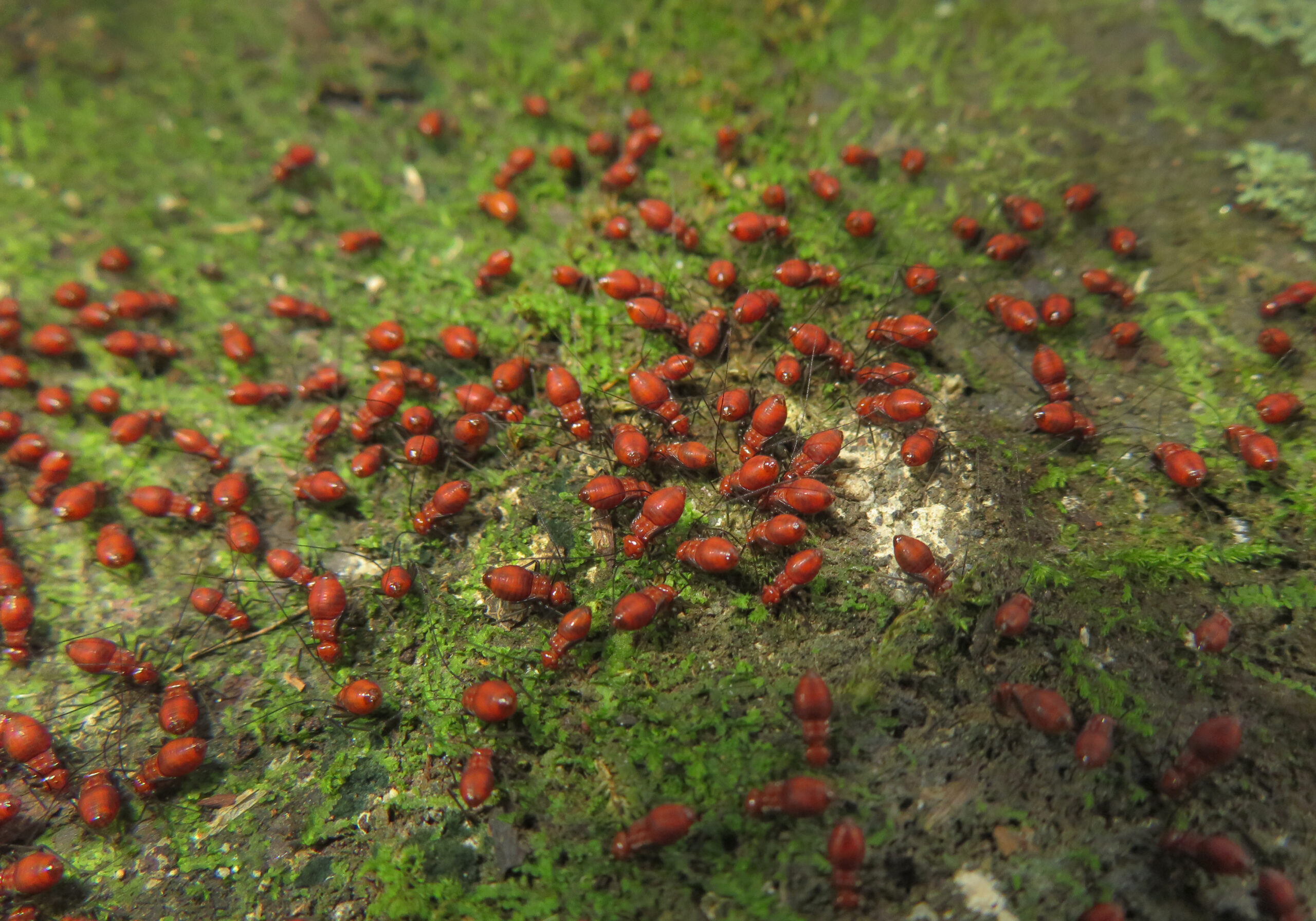
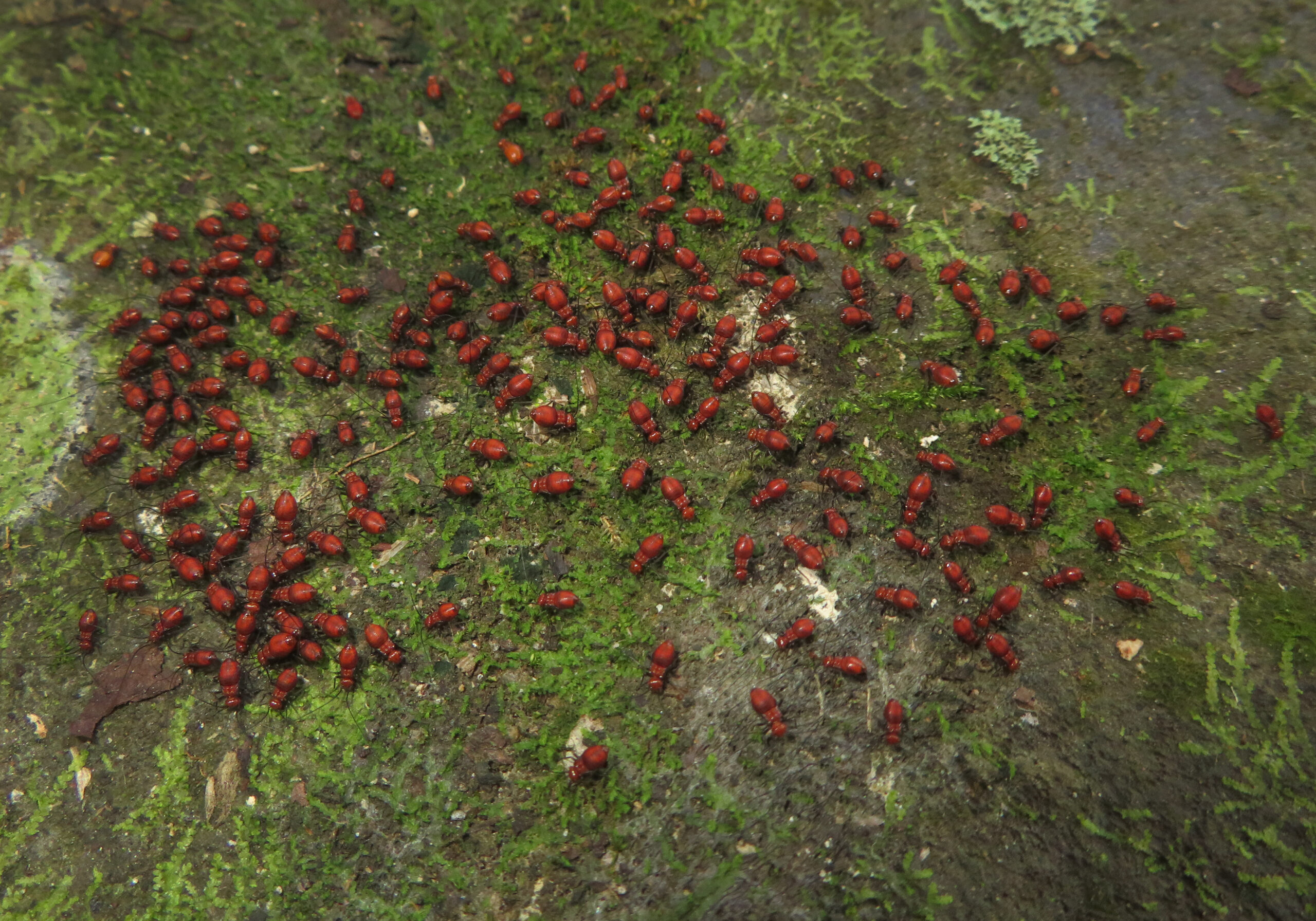
Psocodea is an order of small to minute insects that includes barklice, booklice, and parasitic lice. This group represents a diverse and evolutionarily significant lineage within the class Insecta, with members distributed worldwide across a wide range of terrestrial habitats. The order encompasses both free-living species (traditionally known as Psocoptera) and parasitic forms (formerly classified as Phthiraptera).
Members of Psocodea are generally characterized by small body size, soft bodies, and relatively simple morphology. Free-living forms such as barklice and booklice typically have a distinct head with large compound eyes, long filiform antennae, and chewing mouthparts. Wings, when present, are membranous and held roof-like over the body at rest, though many species are wingless. Parasitic lice, in contrast, are wingless, flattened, and highly specialized for life on their hosts.
The order exhibits a wide range of feeding habits. Free-living psocids are primarily detritivorous or microphagous, feeding on algae, fungi, lichens, organic debris, and starchy materials such as paper or stored products. Parasitic lice are ectoparasites of birds and mammals, feeding on skin, feathers, or blood, depending on the group.
Psocodea undergo hemimetabolous development, with egg, nymph, and adult stages. Nymphs resemble adults but are smaller and lack fully developed reproductive structures and, in winged species, wings. Reproductive strategies vary widely, including both sexual reproduction and parthenogenesis in some species.
Ecologically, Psocodea play important roles in nutrient cycling and the breakdown of organic material, particularly through the activities of barklice and booklice. Parasitic lice are significant in medical and veterinary contexts, as some species can transmit diseases or affect the health of their hosts. The order Psocodea reflects a remarkable evolutionary transition from free-living detritivores to highly specialized parasites, illustrating the diversity and adaptability of insects.