Bali Wildlife
Every Spices Matter


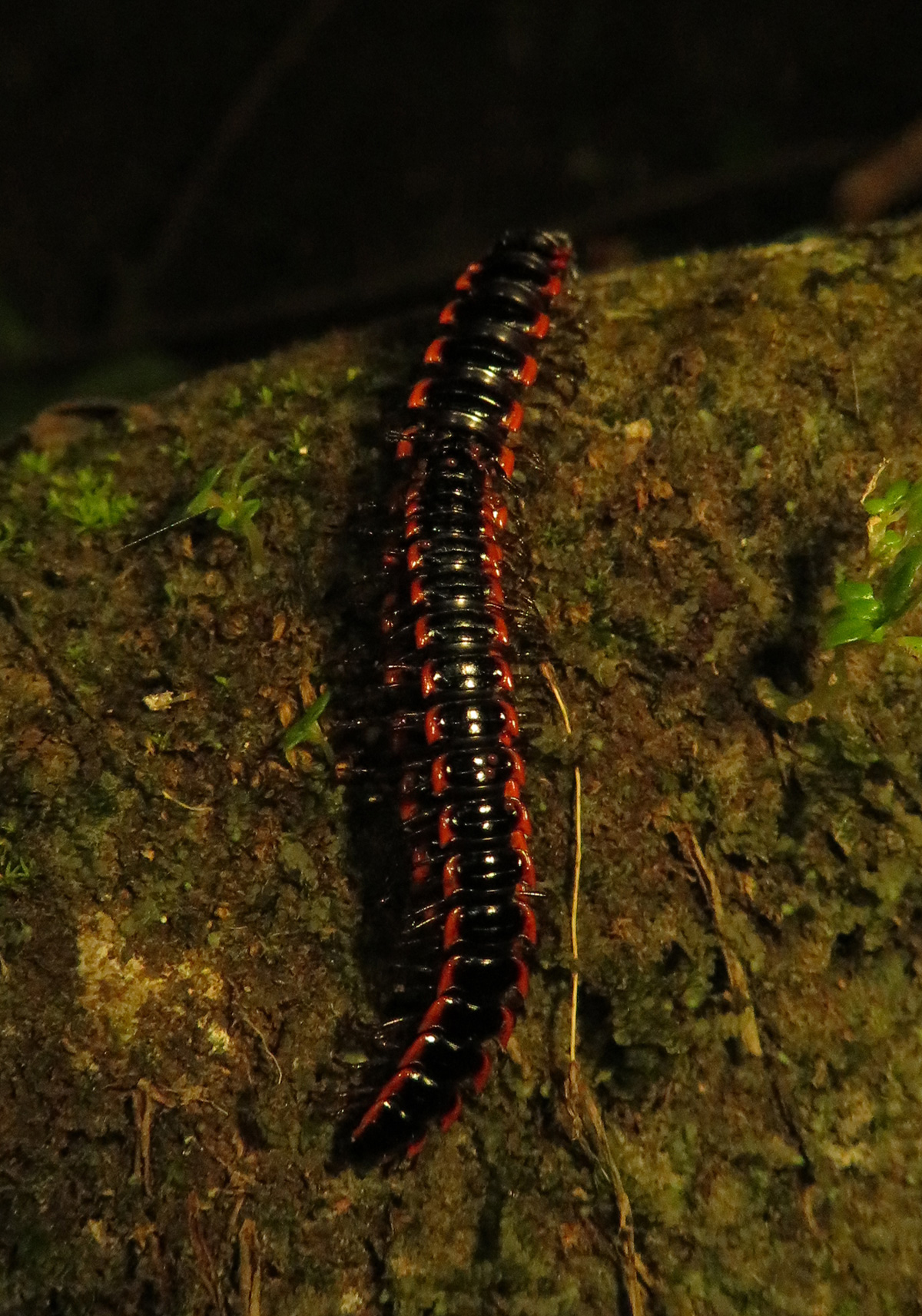
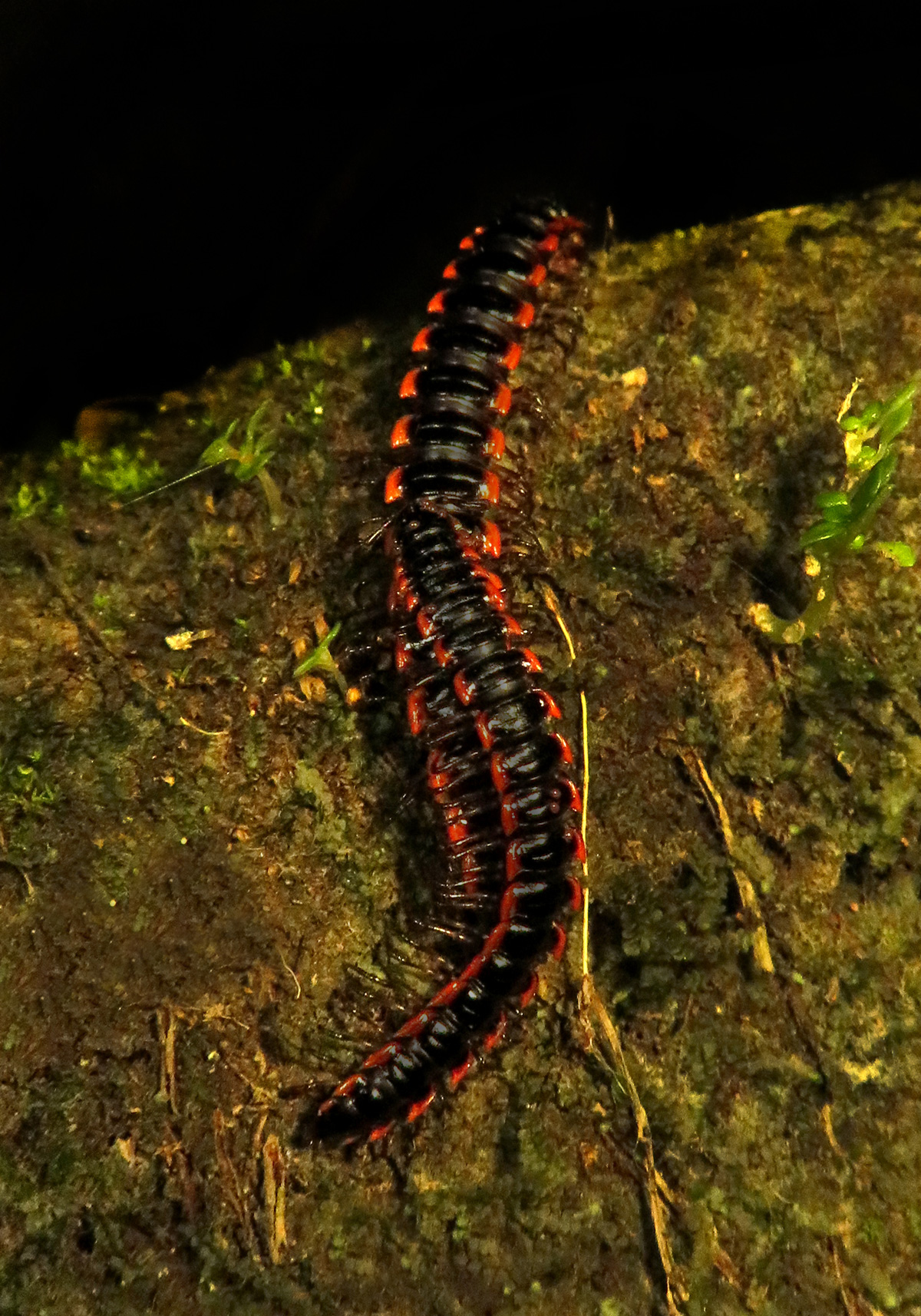
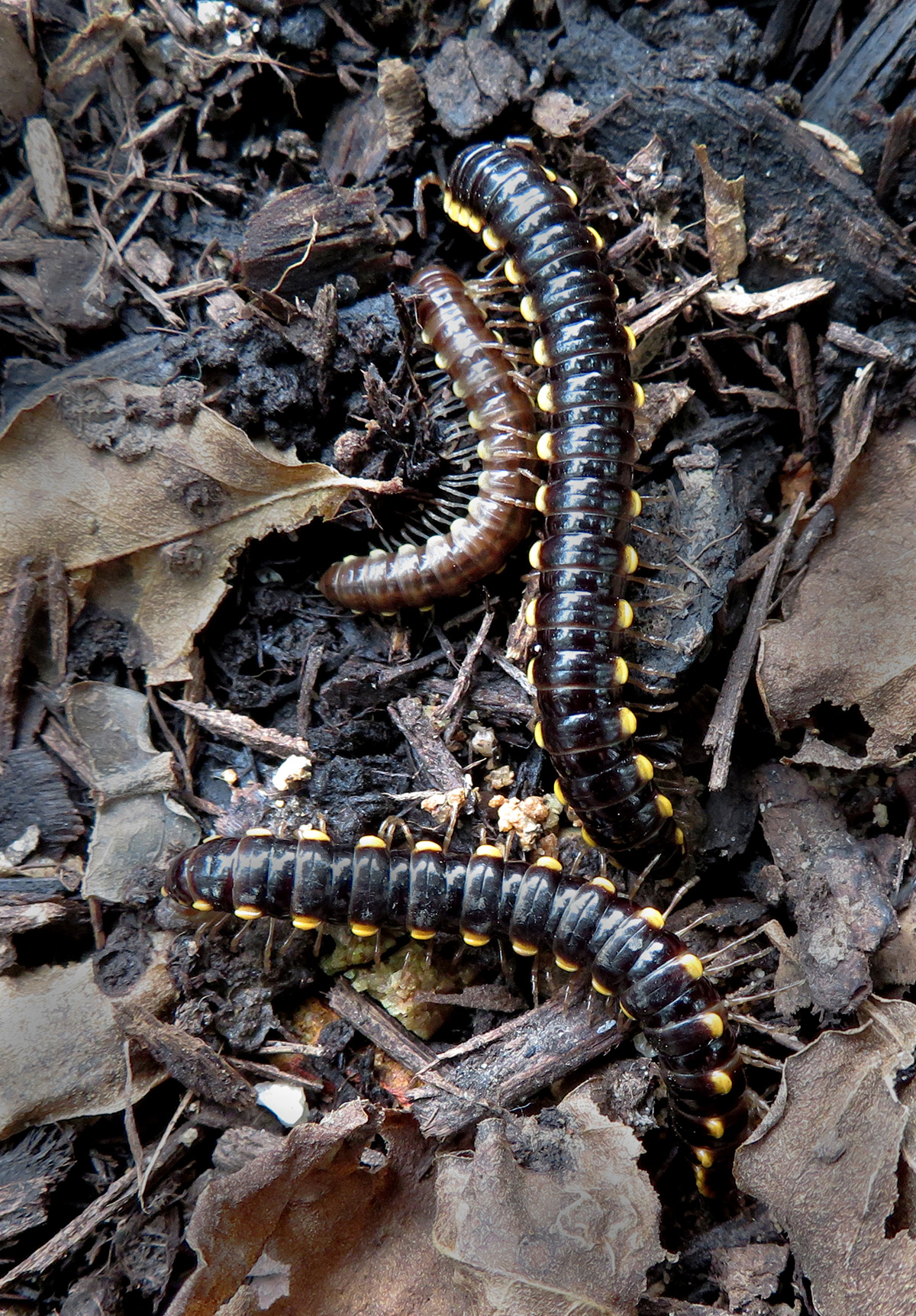
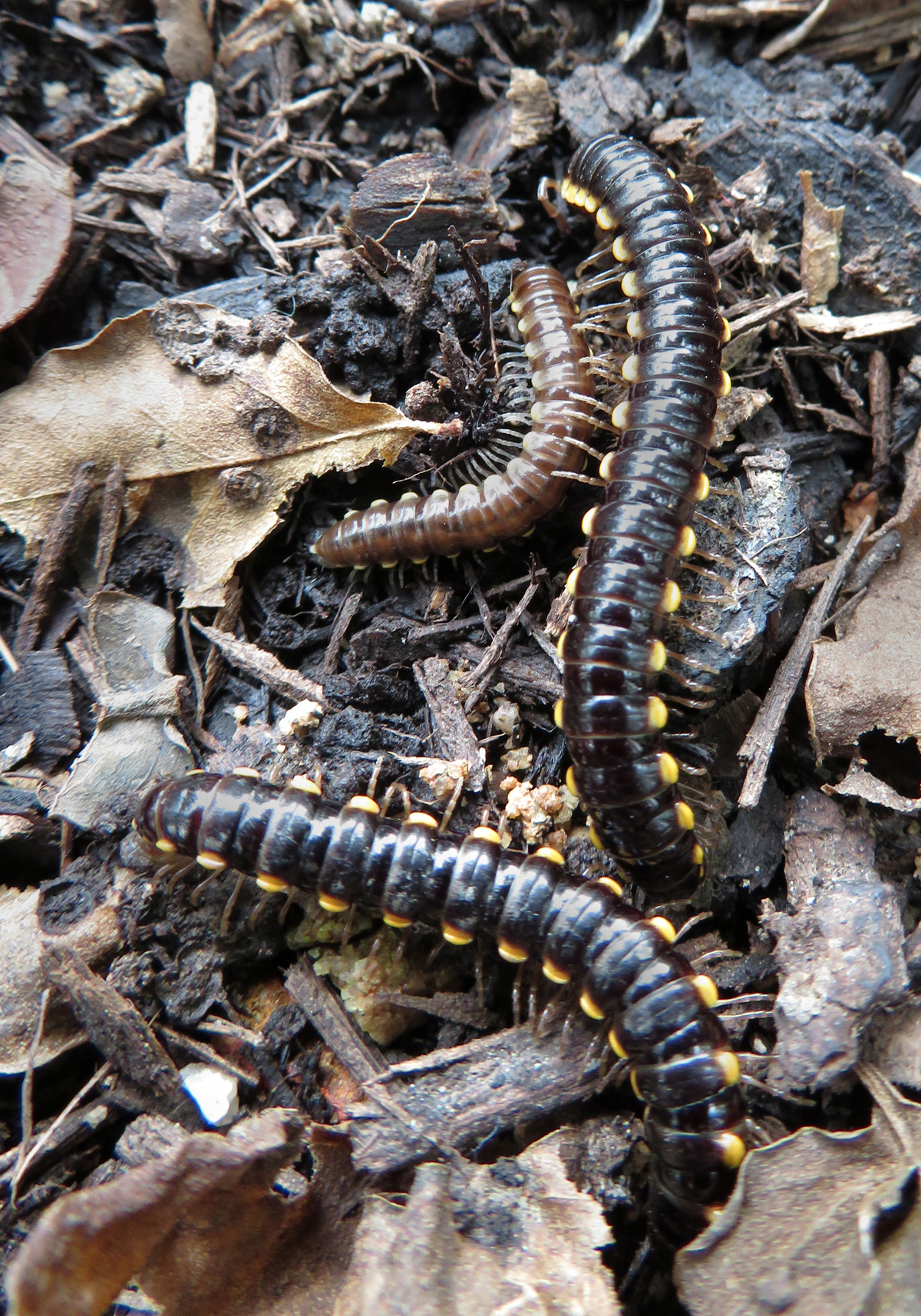
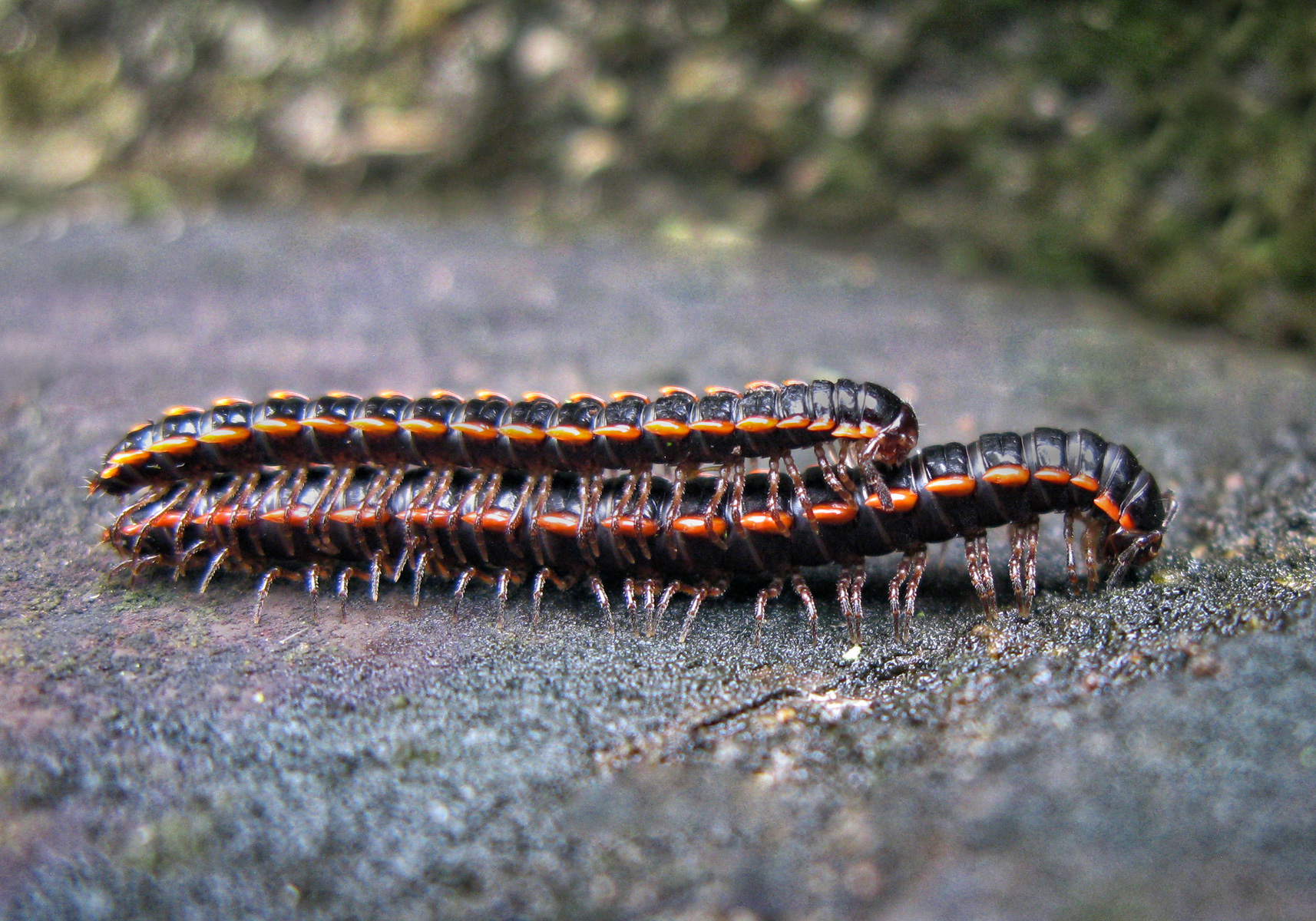
Polydesmida is the largest order of millipedes within the class Diplopoda. Commonly known as flat-backed millipedes, this order includes more than 3,500 described species distributed worldwide, especially in tropical and temperate regions.
Polydesmida are characterized by their flattened bodies and prominent lateral extensions called paranota, which give them a broad, segmented appearance. Most species possess 20 body segments as adults, and unlike many other millipedes, they lack eyes (ocelli). Their coloration varies widely, ranging from brown and black to brightly colored species with contrasting patterns, which often serve as warning signals to predators.
Members of this order are primarily terrestrial and inhabit leaf litter, soil, decaying wood, and forest floors. They are detritivores, feeding mainly on decomposing plant material, fungi, and organic debris, thereby playing a crucial role in nutrient cycling and soil formation.
As a defense mechanism, many Polydesmida species produce chemical secretions, including hydrogen cyanide compounds, to deter predators. Despite this, they are harmless to humans and contribute significantly to ecosystem health.
Ecologically, Polydesmida are important decomposers in forest ecosystems, aiding in the breakdown of organic matter and enhancing soil fertility.