Bali Wildlife
Every Spices Matter


Paradoxosomatinae is a subfamily within the family Paradoxosomatidae (order Polydesmida, class Diplopoda). It represents one of the largest and most diverse groups of flat-backed millipedes, with numerous genera and species distributed mainly throughout Asia and Australasia, and extending into other tropical regions.
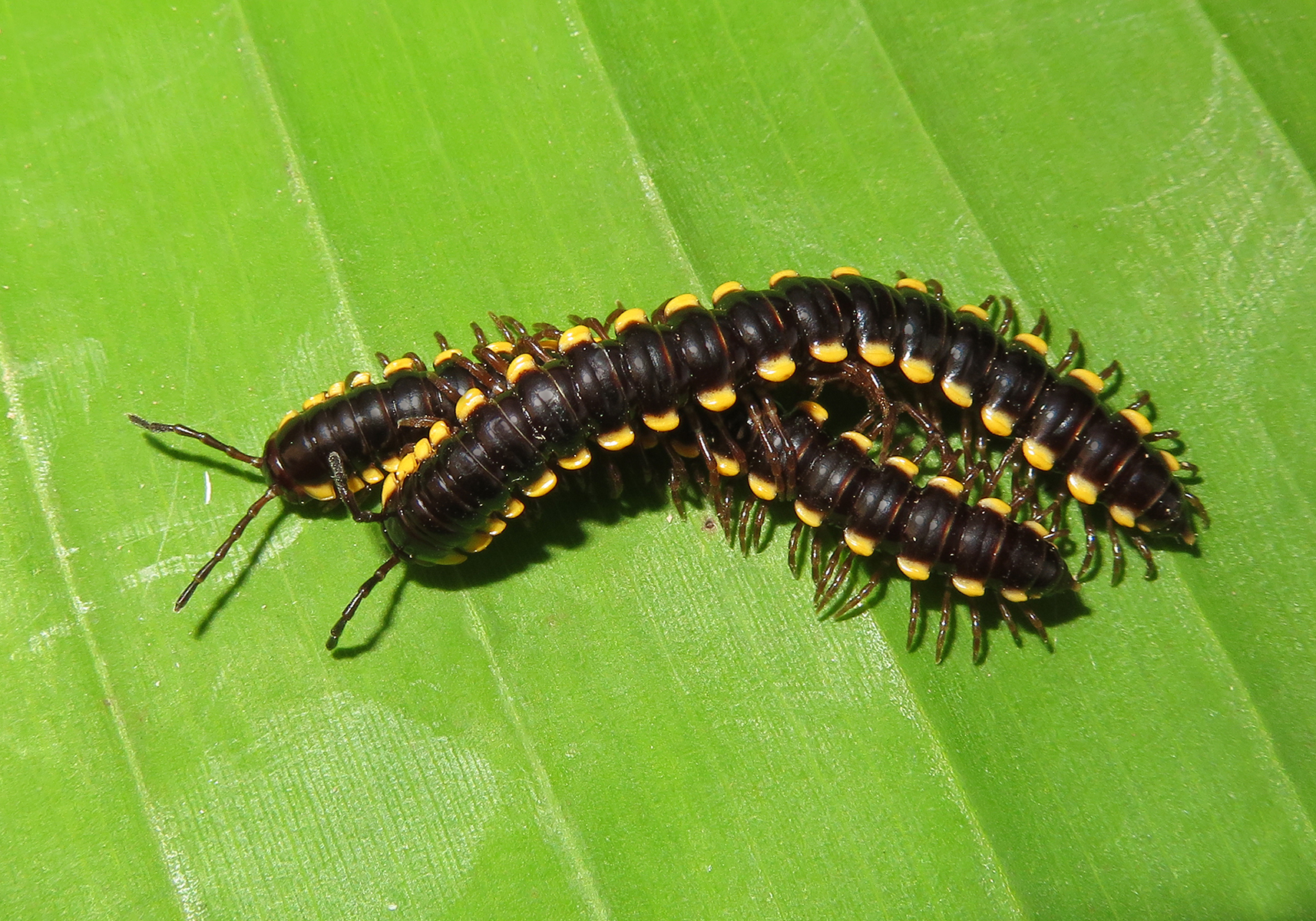
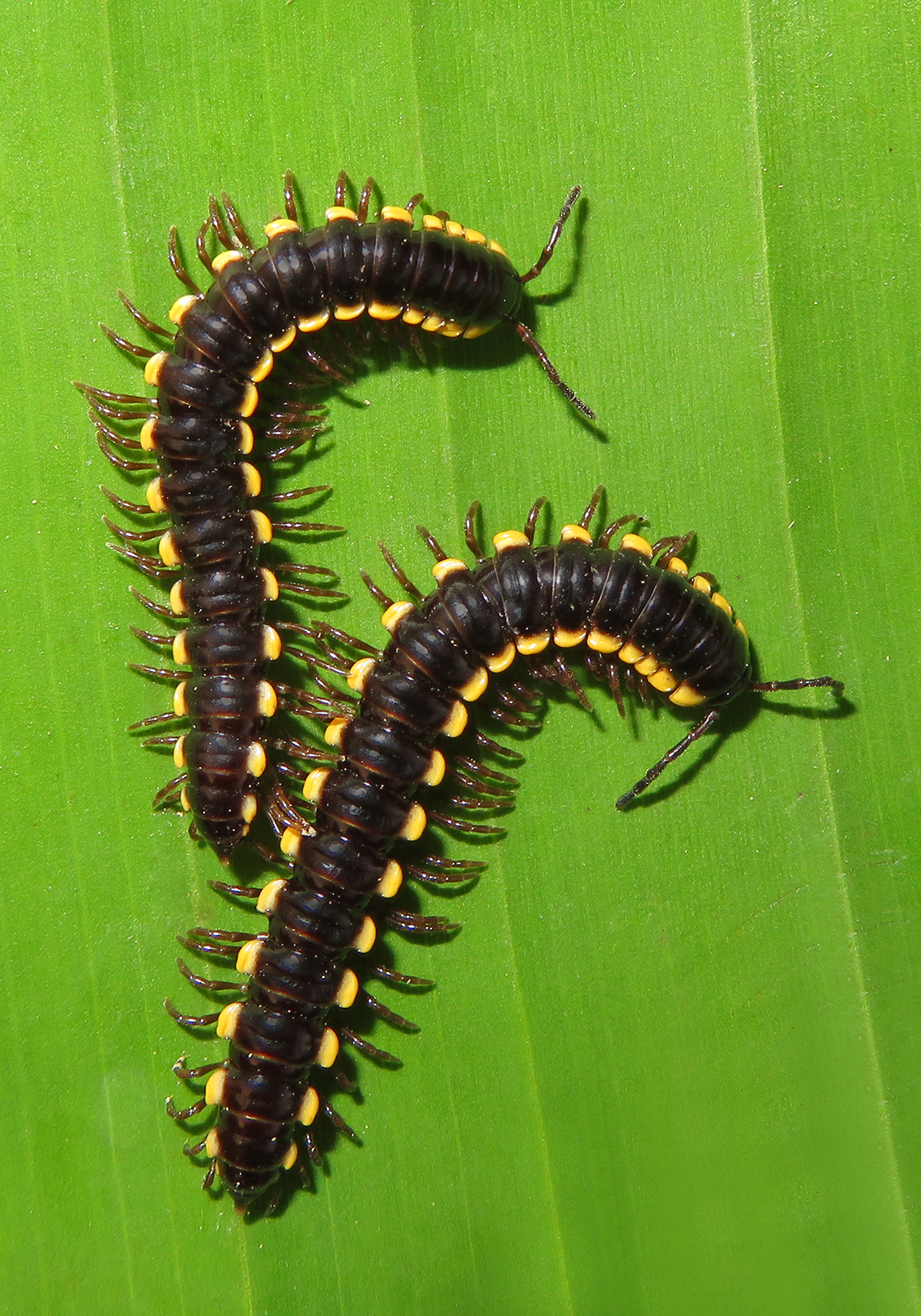
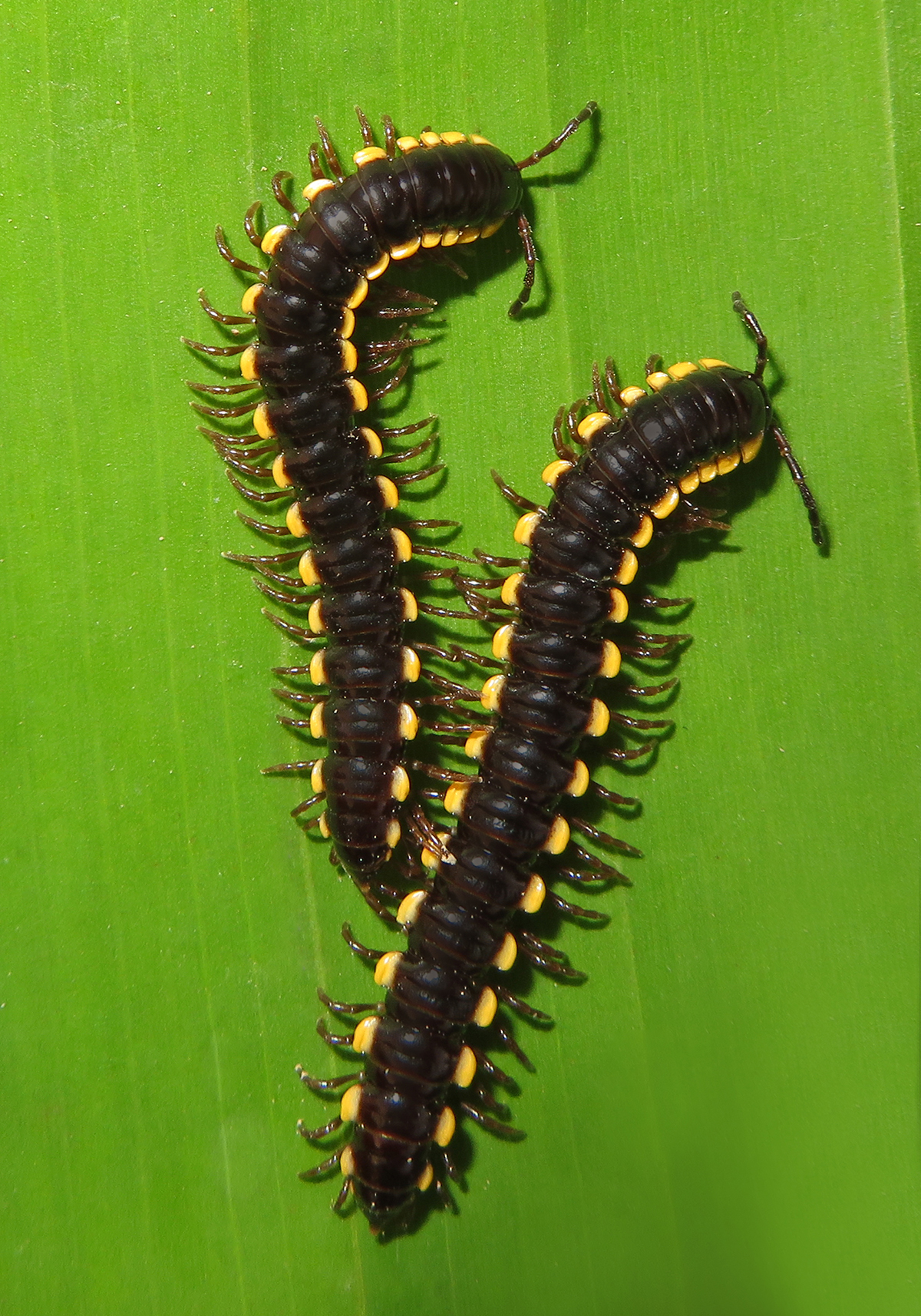
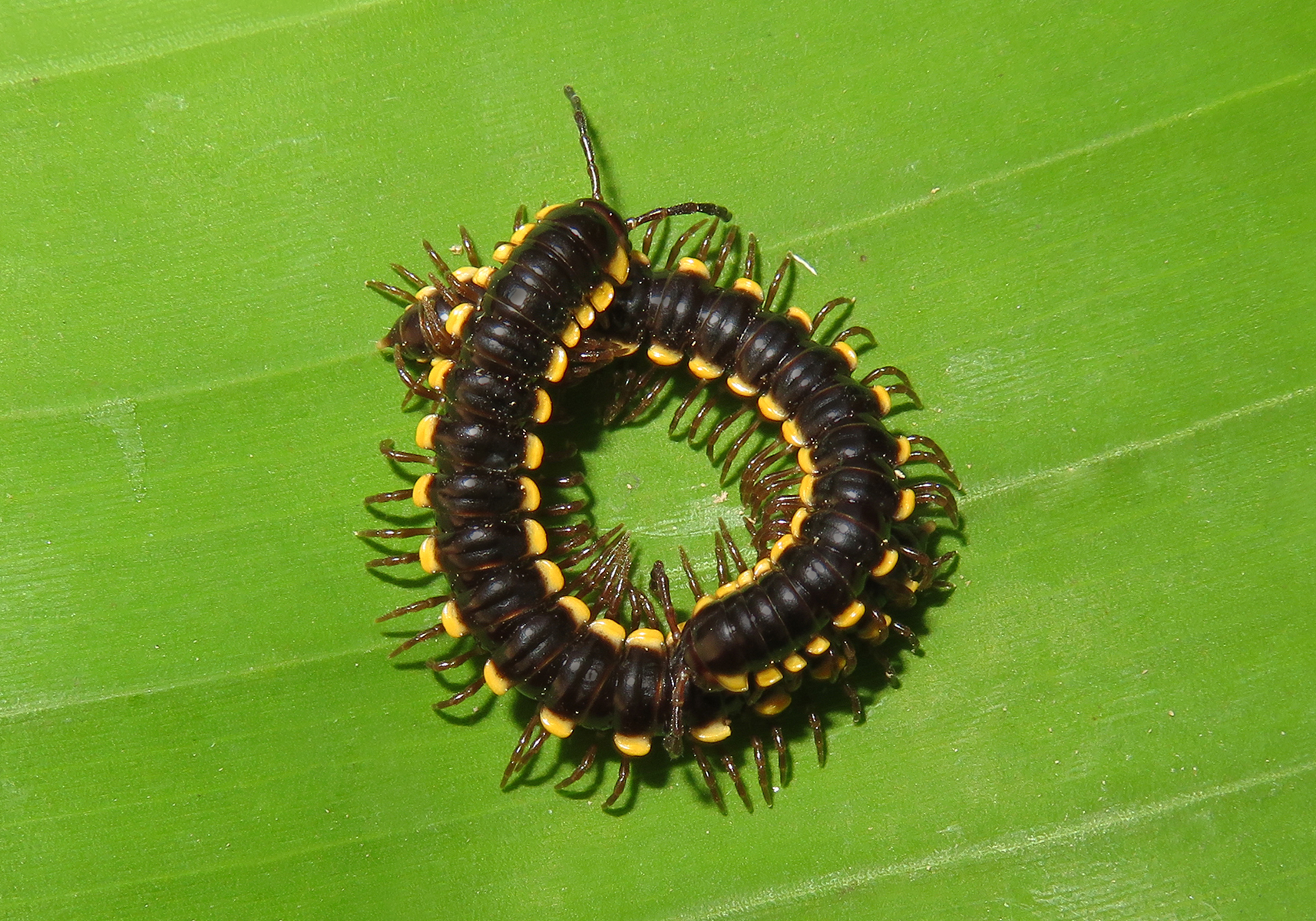
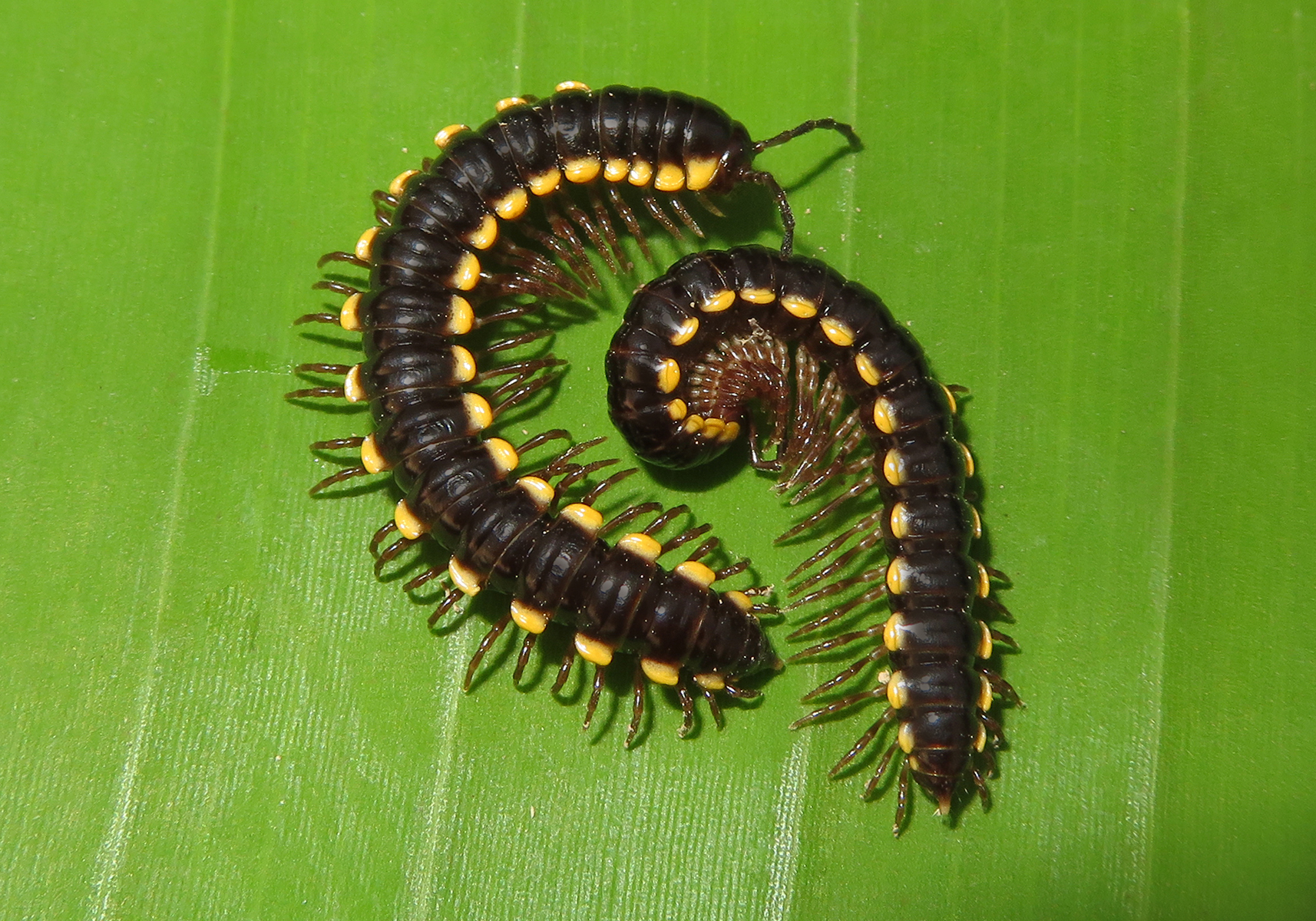
Members of Paradoxosomatinae are characterized by elongated, dorsoventrally flattened bodies with well-developed lateral keels (paranota) on each segment. Adults typically possess 20 body segments. As in most polydesmid millipedes, they generally lack eyes and rely heavily on antennae and chemical cues to navigate and locate food.
Coloration varies widely among species, ranging from uniform dark brown or black to species with striking patterns, bright bands, or contrasting lateral markings. Some species exhibit aposematic (warning) coloration associated with their chemical defenses.
Paradoxosomatinae species are primarily terrestrial detritivores inhabiting leaf litter, forest floors, soil layers, and decaying wood. They feed on decomposing plant material and fungi, playing a vital role in nutrient cycling, soil aeration, and organic matter breakdown.
Like other members of Paradoxosomatidae, they possess defensive glands that produce chemical secretions to deter predators. While some may release mild irritants, they are not considered dangerous to humans.
Ecologically, Paradoxosomatinae contributes significantly to forest ecosystem processes and serves as an important component of soil biodiversity.