Bali Wildlife
Every Spices Matter


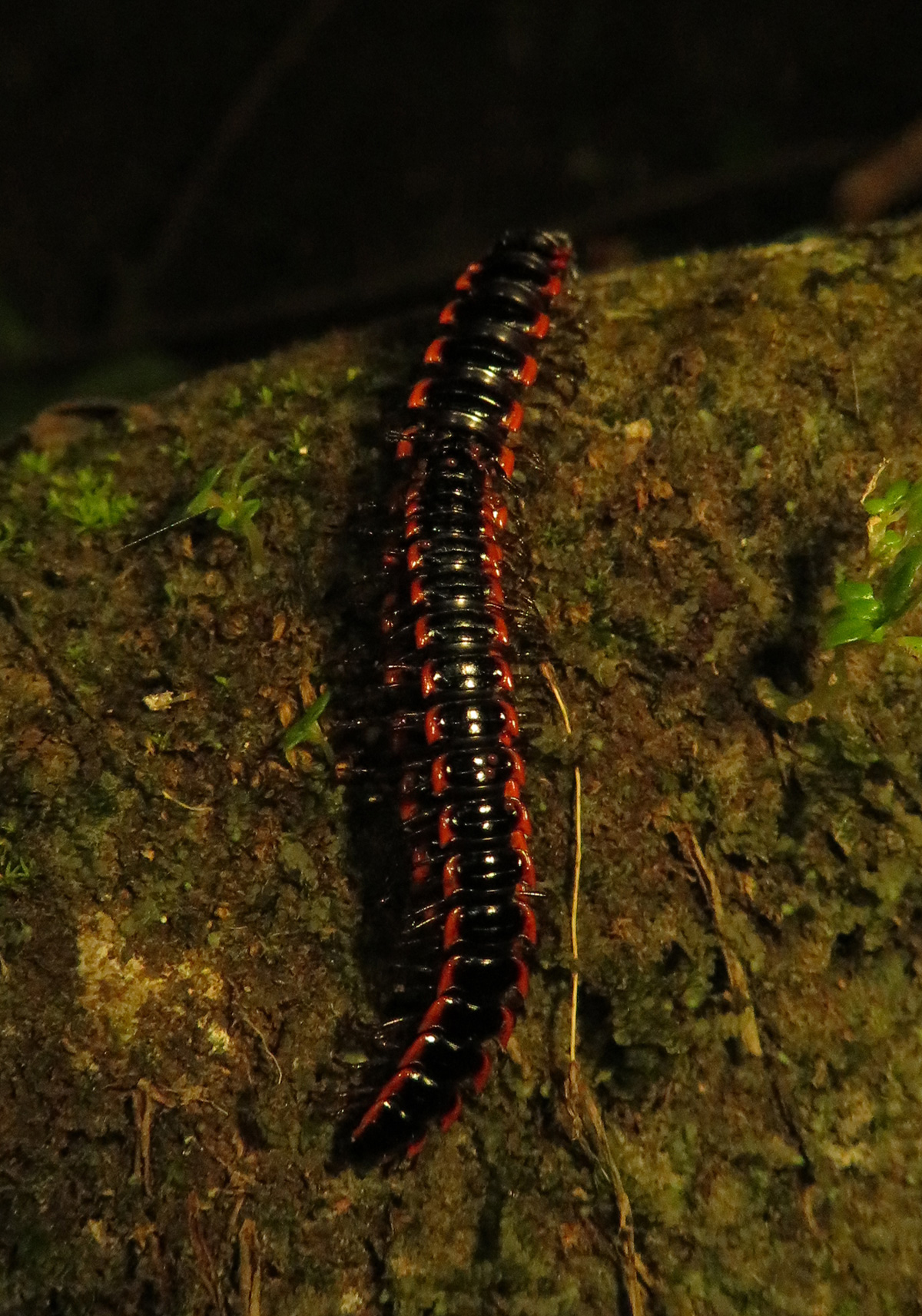
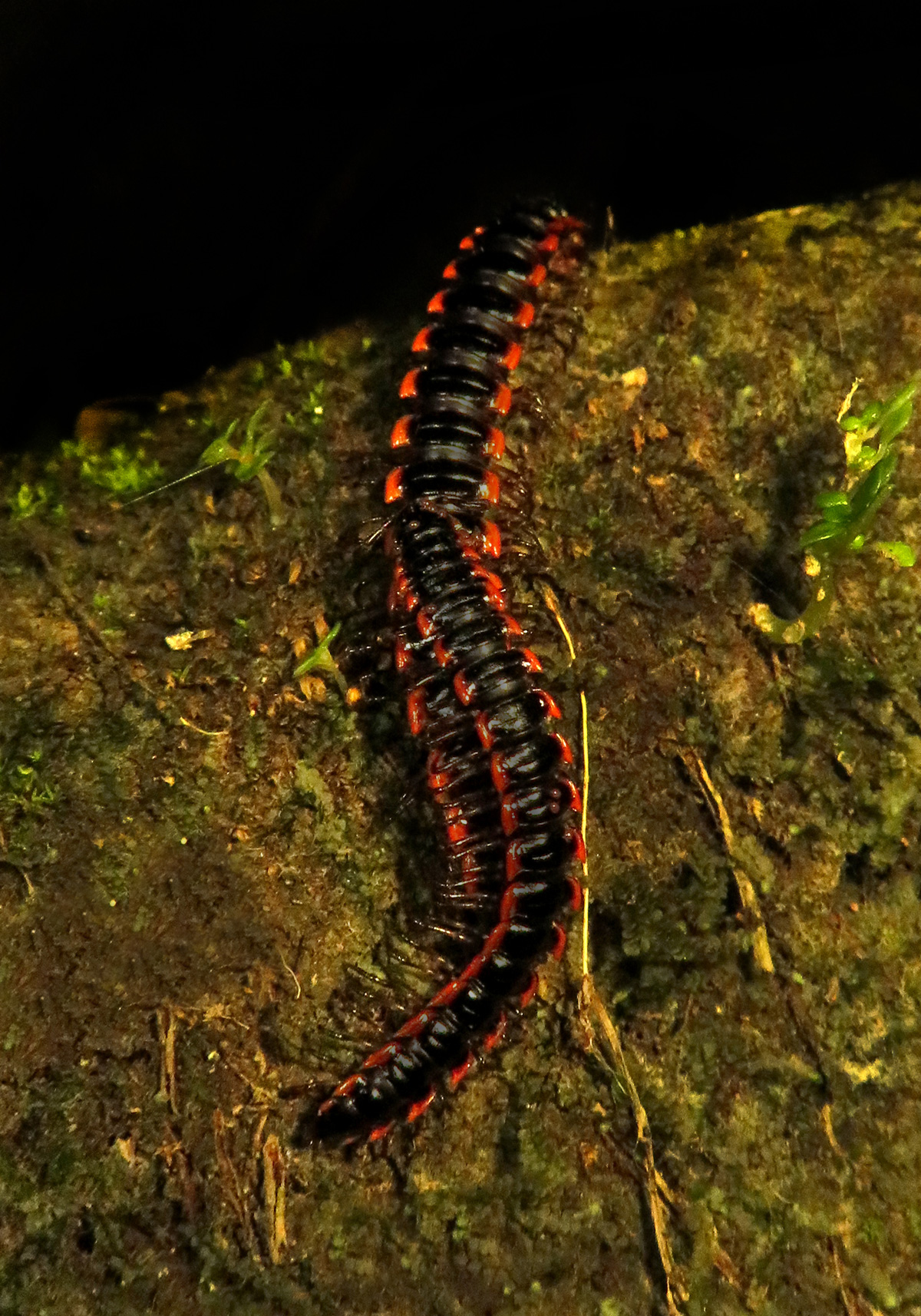
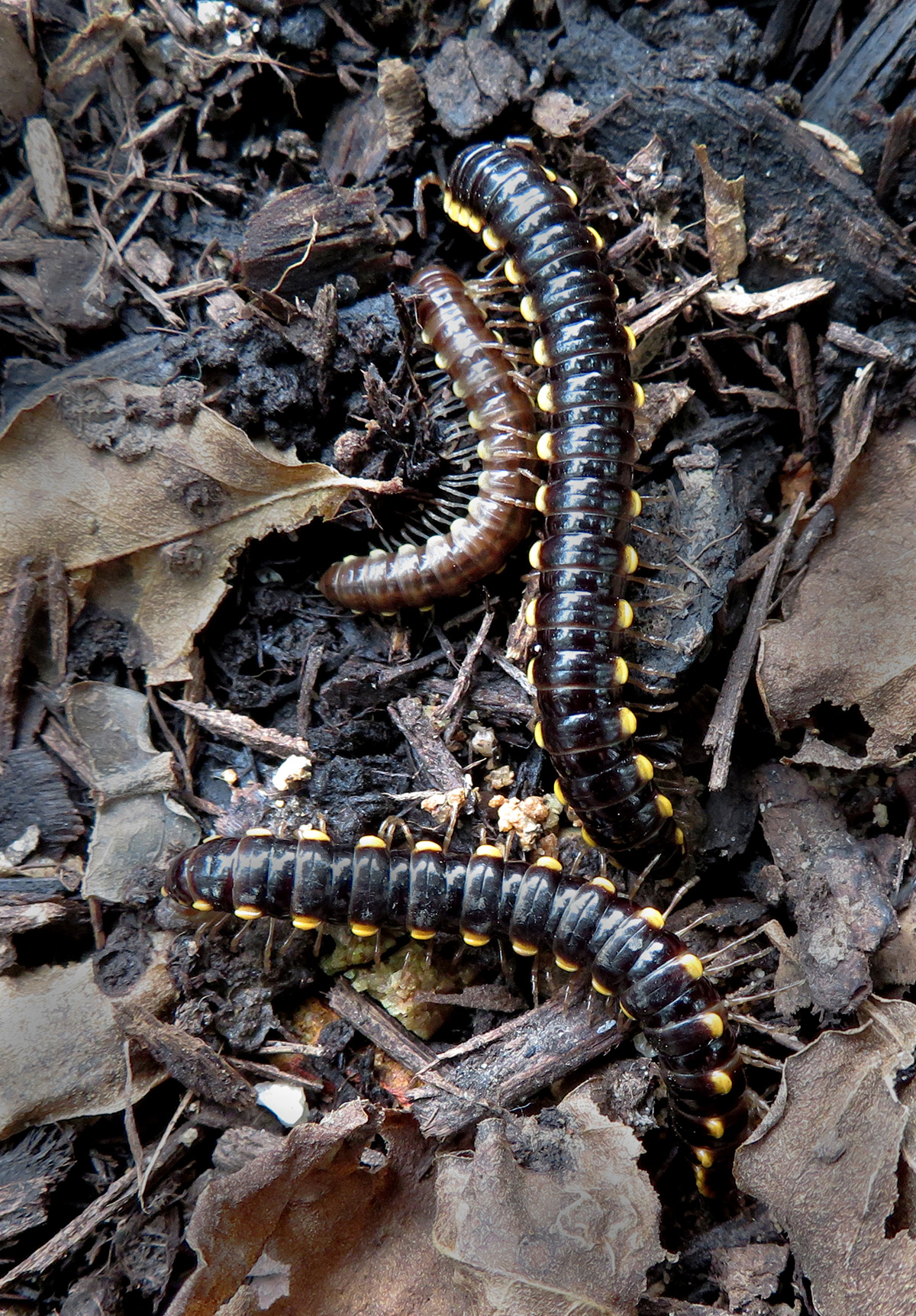
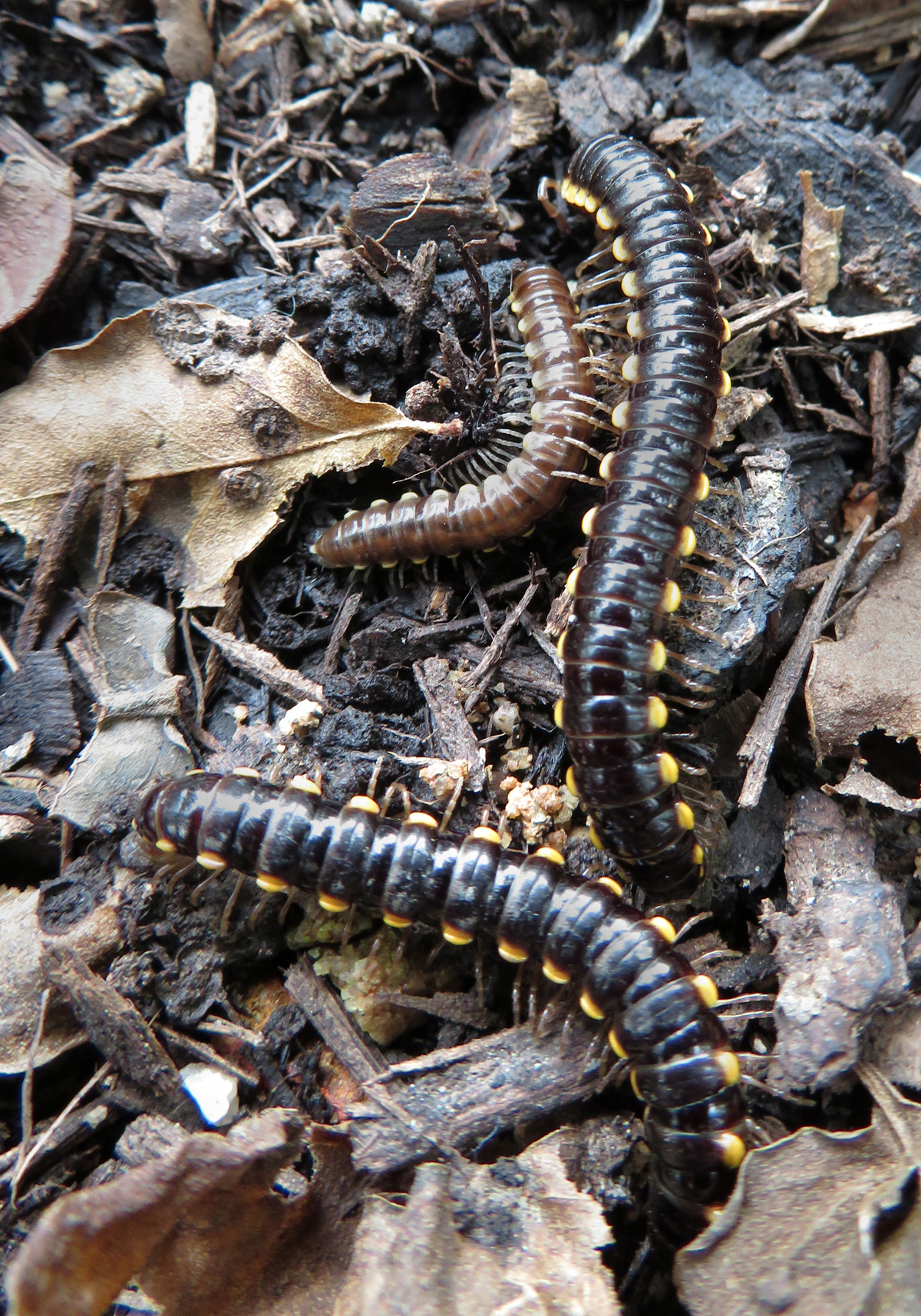
Paradoxosomatidae is a large and diverse family within the order Polydesmida (class Diplopoda), commonly placed in the suborder Strongylosomatidea. It is one of the most species-rich millipede families, with more than 1,000 described species distributed mainly across tropical and subtropical regions of Asia, Australia, Africa, and parts of Europe.
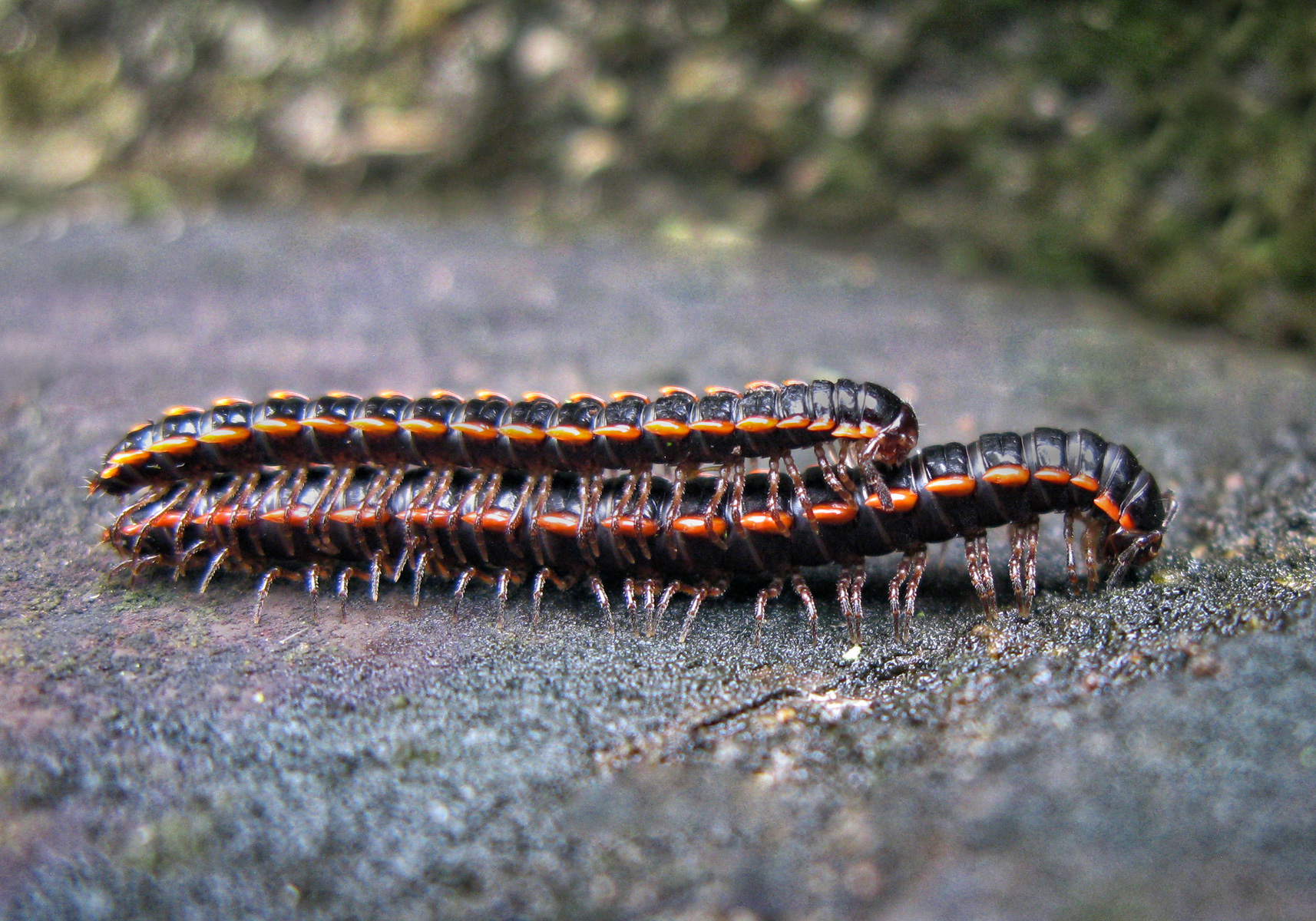
Members of Paradoxosomatidae are flat-backed millipedes characterized by elongated, dorsoventrally flattened bodies and well-developed lateral extensions (paranota) on each body segment. Adults typically have 20 body segments. Most species lack eyes and rely on sensory antennae to navigate their environment. Body coloration ranges from dark brown or black to species with bright contrasting patterns.
These millipedes are primarily terrestrial and inhabit leaf litter, forest floors, decaying wood, soil, and occasionally caves. They are detritivores, feeding mainly on decomposing plant material and fungi, contributing significantly to nutrient recycling and soil formation.
Paradoxosomatidae species possess defensive glands that produce chemical secretions to deter predators. Some may release compounds containing hydrogen cyanide or other irritants, although they are generally harmless to humans.
Ecologically, members of this family play a crucial role in decomposition processes and are important indicators of healthy forest ecosystems.