Bali Wildlife
Every Spices Matter


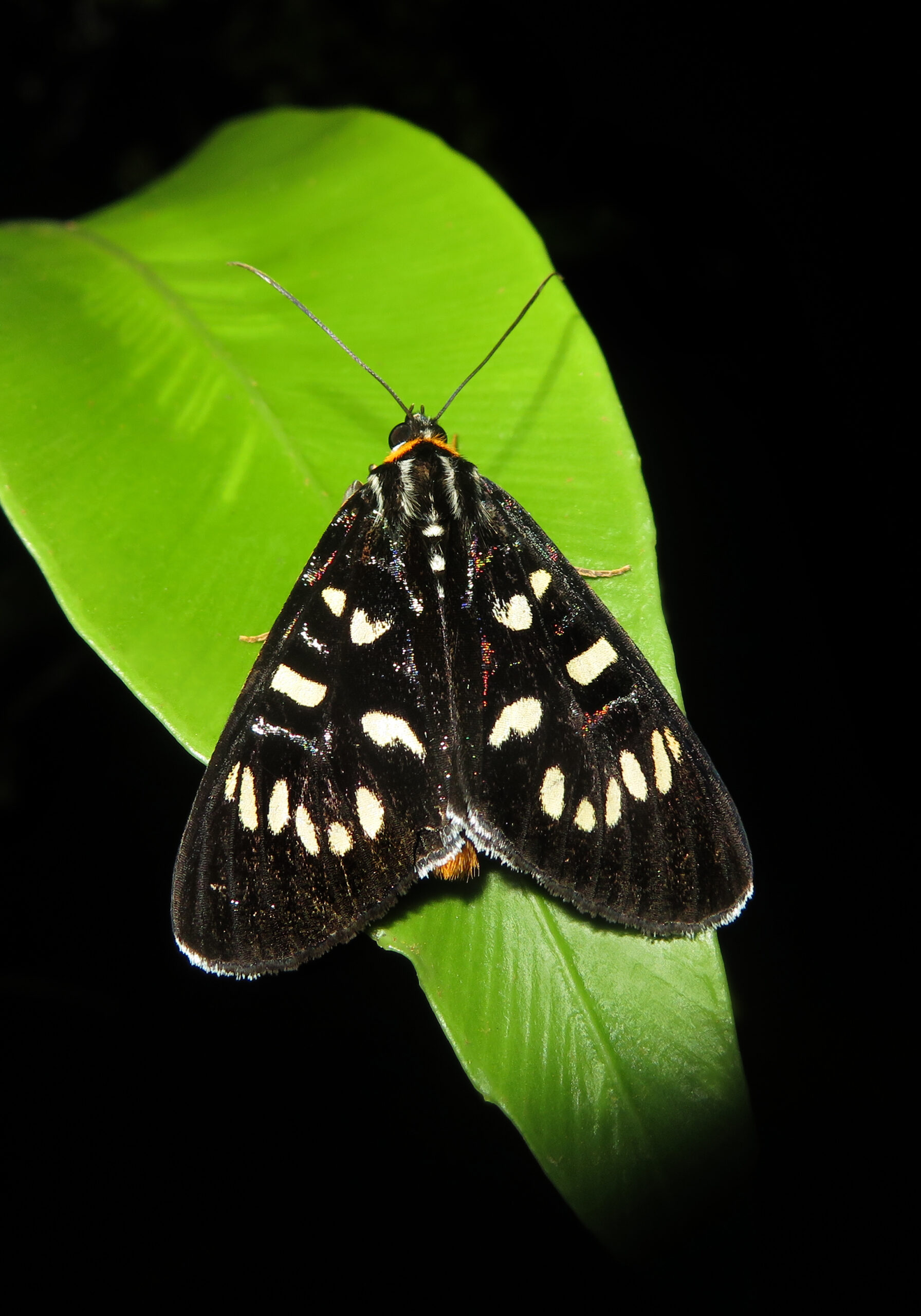
Ophthalmis is a genus of day-flying moths within the subfamily Agaristinae (Family Noctuidae, Superfamily Noctuoidea, Order Lepidoptera). Species of this genus are distributed primarily throughout South Asia, Southeast Asia, southern China, and the Indo-Australian region. They inhabit tropical rainforests, secondary forests, woodland edges, plantations, parks, gardens, and other vegetation-rich habitats, where they are commonly associated with flowering plants and forest understories.
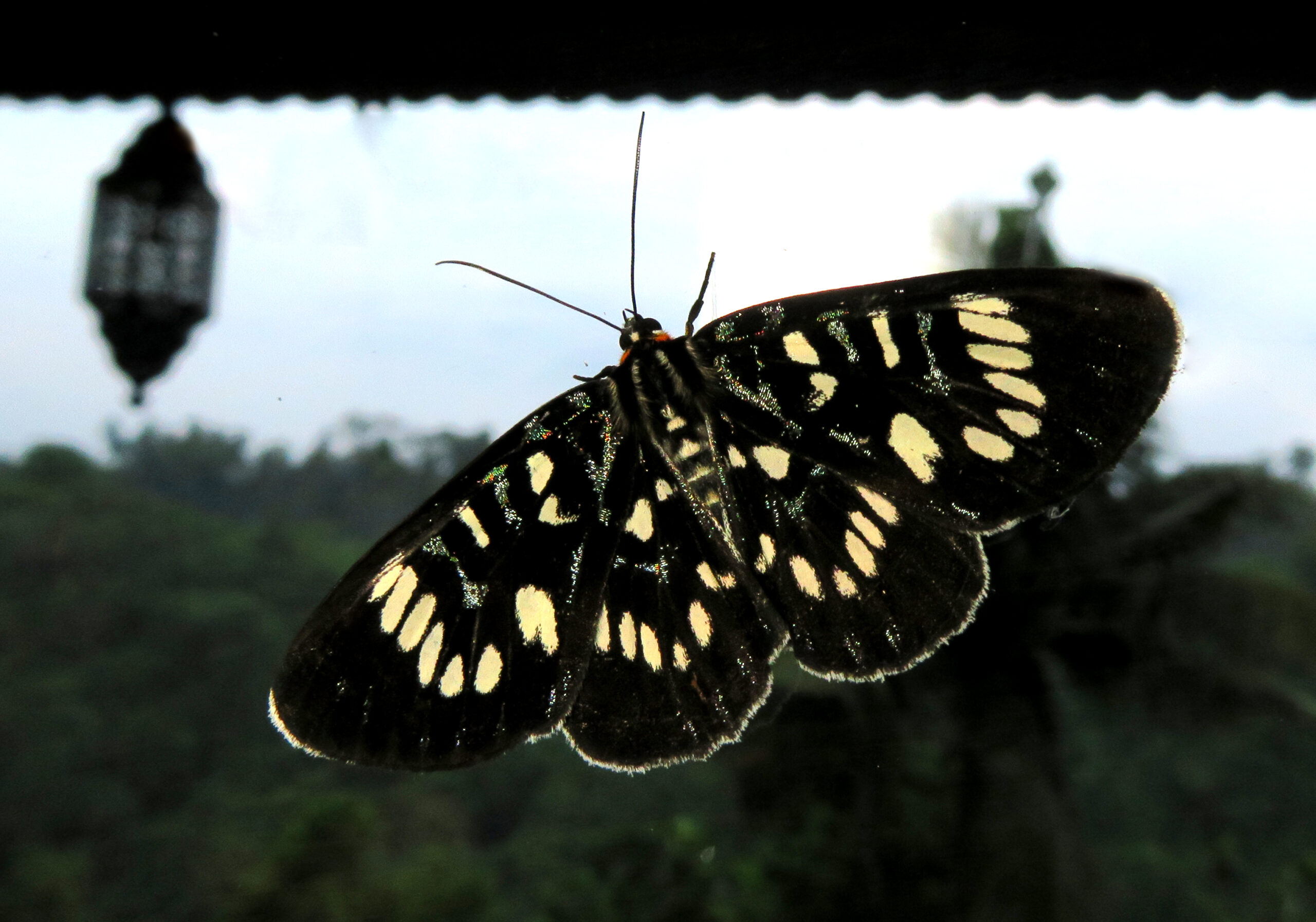
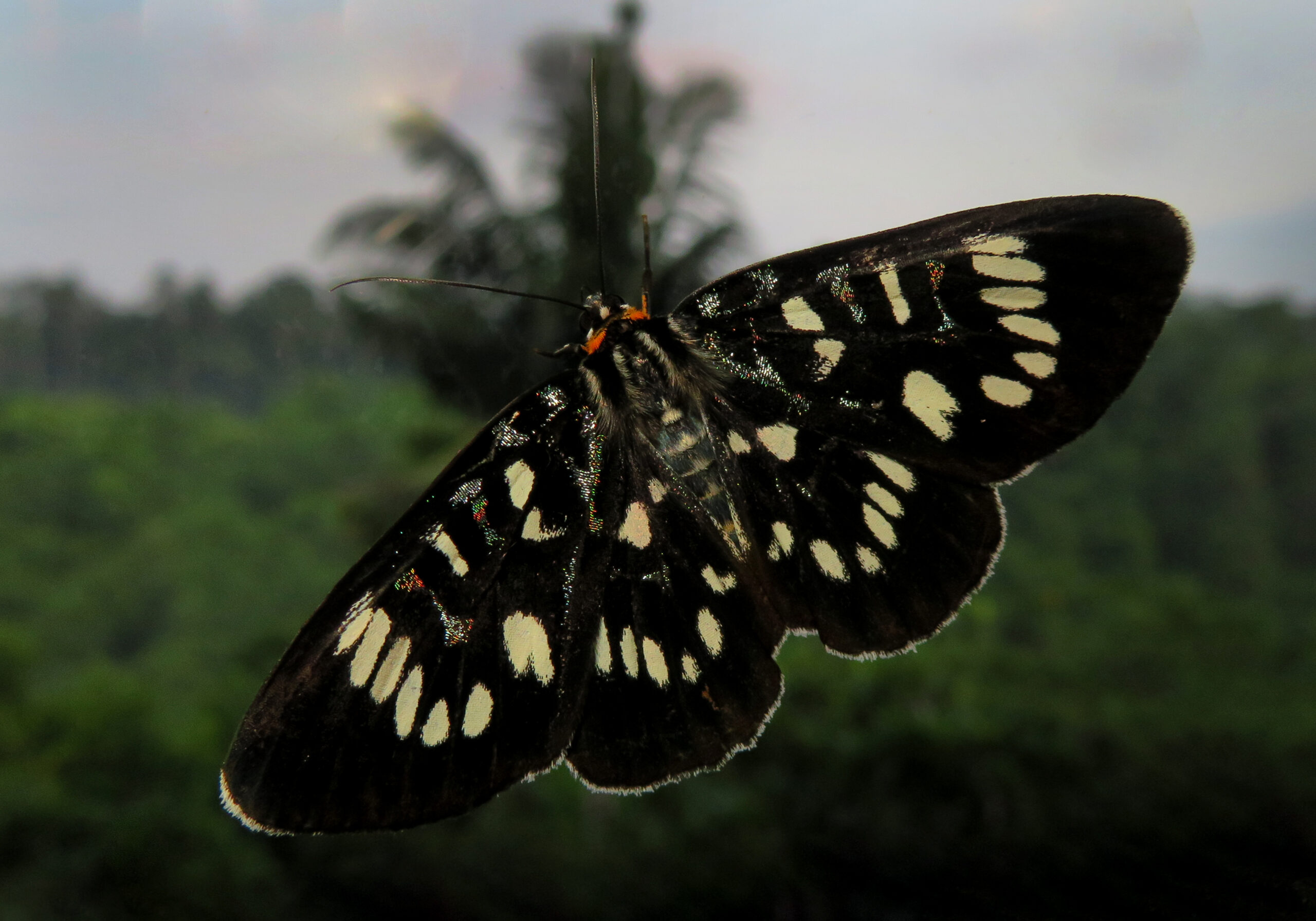
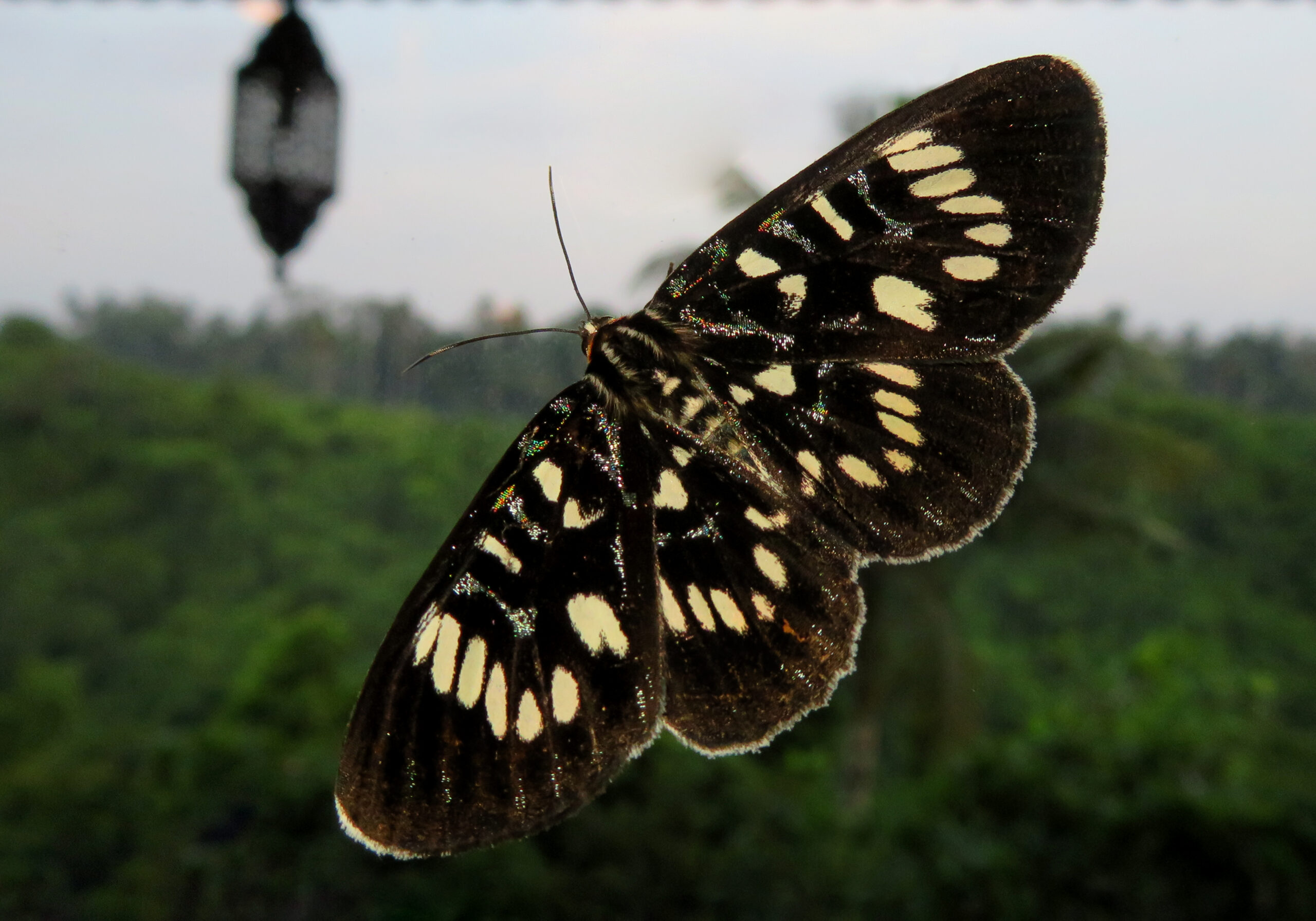
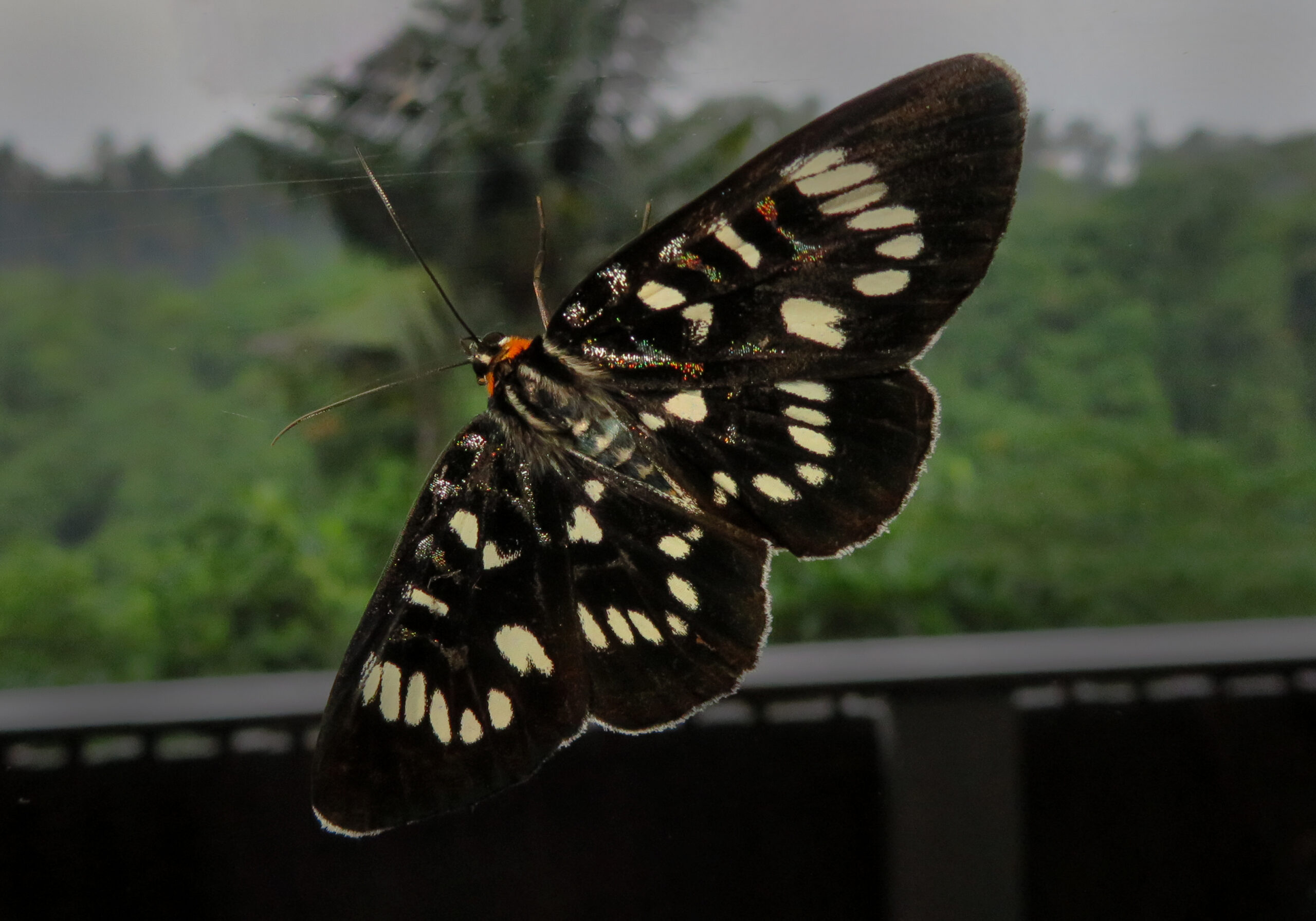
Moths of the genus Ophthalmis are generally medium-sized and possess a robust body with broad, well-developed wings. Like many members of the subfamily Agaristinae, they exhibit striking wing patterns that commonly combine black, white, yellow, orange, or reddish markings. These bold color patterns are believed to function as aposematic (warning) coloration and may also contribute to mimicry of distasteful butterflies or other protected insects. The thorax and abdomen are often dark with contrasting pale or brightly colored markings, while the antennae are filiform and well developed.
Unlike most noctuid moths, Ophthalmis species are primarily diurnal, flying actively during daylight hours in sunny forest clearings and along woodland edges. Adults are swift and agile fliers and are frequently observed visiting flowers to feed on nectar using their long, coiled proboscis. They may also obtain nutrients from tree sap or other sugar-rich plant exudates.
The life cycle involves complete metamorphosis, consisting of egg, larva (caterpillar), pupa, and adult stages. Females lay eggs on suitable host plants, where the caterpillars develop as leaf-feeding herbivores. Although the biology of many species remains poorly documented, larvae are believed to feed on a range of woody and herbaceous plants, depending on the species. Pupation occurs within a silken cocoon attached to vegetation or concealed among leaf litter.
The genus contains a relatively small number of described species, many of which remain poorly studied. Members of Ophthalmis are characteristic components of tropical forest moth communities and are most frequently encountered in undisturbed or lightly disturbed habitats.
Ecologically, Ophthalmis moths contribute to tropical ecosystems as pollinators during the adult stage and as herbivores during the larval stage. Caterpillars participate in plant–herbivore interactions, while both larvae and adults provide food for birds, reptiles, spiders, predatory insects, and parasitoids. Their association with forest habitats and flowering vegetation makes Ophthalmis species important contributors to tropical biodiversity and useful indicators of habitat quality.