Bali Wildlife
Every Spices Matter


Nymphalidae is the largest family of butterflies within the superfamily Papilionoidea (Order Lepidoptera), commonly known as the brush-footed butterflies. The family comprises more than 6,000 described species distributed on every continent except Antarctica, with the greatest diversity occurring in tropical and subtropical regions. Members occupy an extraordinary range of habitats, including tropical rainforests, temperate forests, grasslands, savannas, wetlands, deserts, alpine meadows, agricultural landscapes, parks, and gardens.
Butterflies of the family Nymphalidae are generally medium to large in size and exhibit remarkable diversity in wing shape, coloration, and ecological adaptations. A defining characteristic of the family is the reduction of the front pair of legs, which are short, brush-like, and usually not used for walking. As a result, adults appear to walk on only four functional legs, giving rise to the common name brush-footed butterflies.
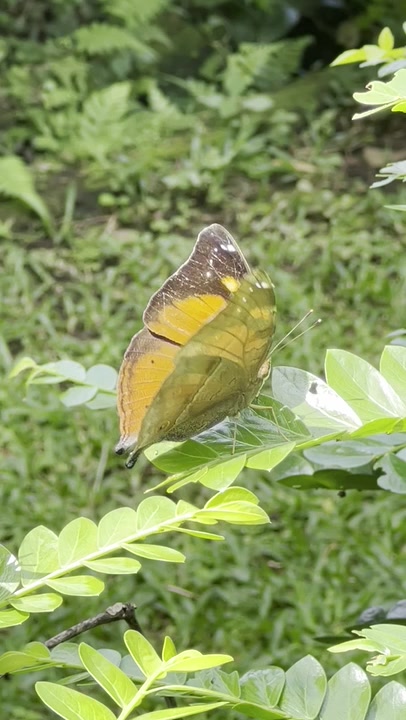
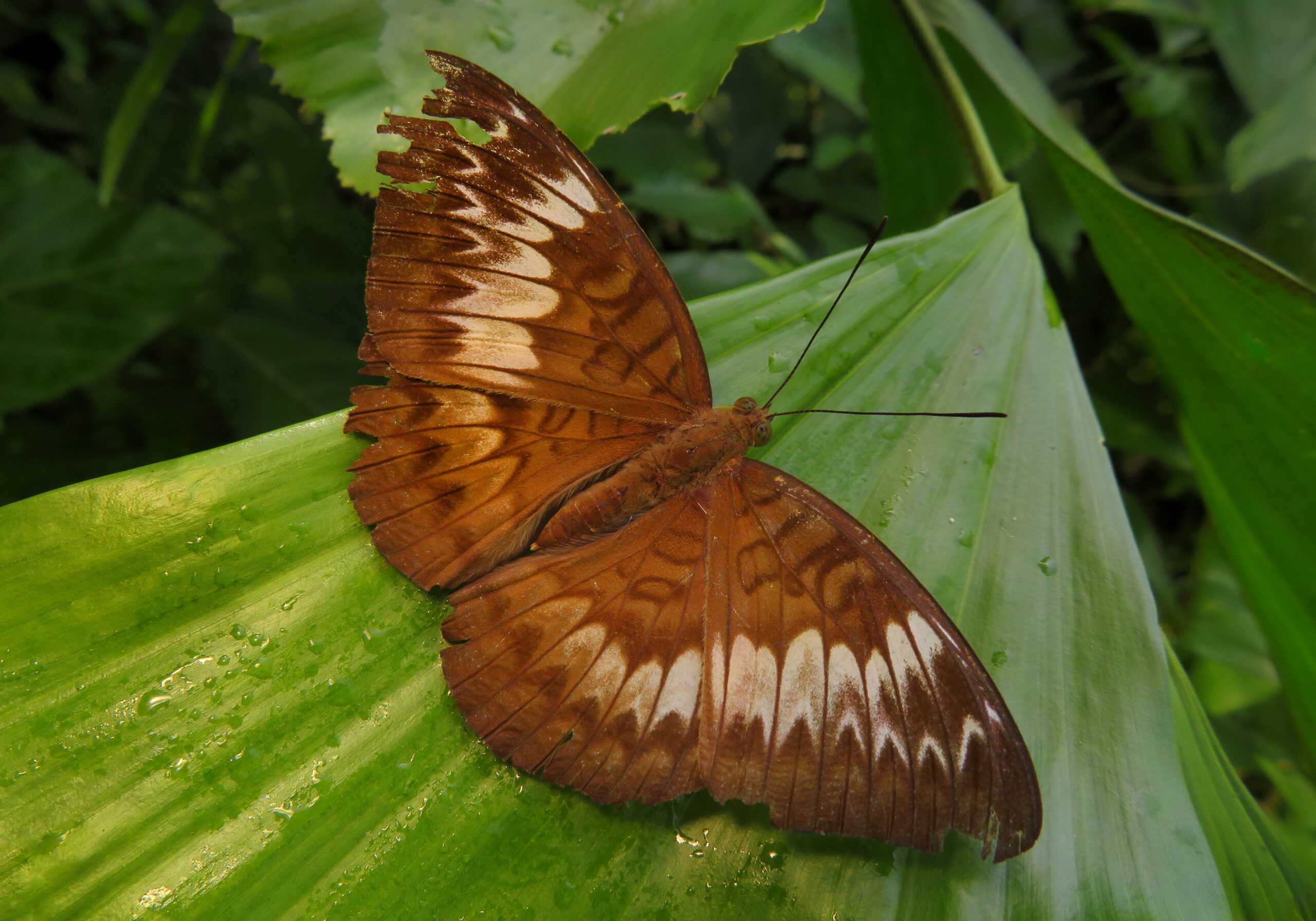
Wing coloration is highly variable and ranges from cryptic browns and grays that resemble bark or dead leaves to brilliant combinations of orange, yellow, blue, green, white, black, red, and metallic hues. Many species possess eye spots, bands, or intricate patterns that function in camouflage, mimicry, predator deterrence, or mate recognition.
Adults are primarily diurnal and feed using a long, coiled proboscis. While many species obtain nectar from flowers, others feed on tree sap, fermenting fruits, animal dung, carrion, or mineral-rich moisture from damp soil. Males of many species engage in mud-puddling, acquiring minerals important for reproduction.
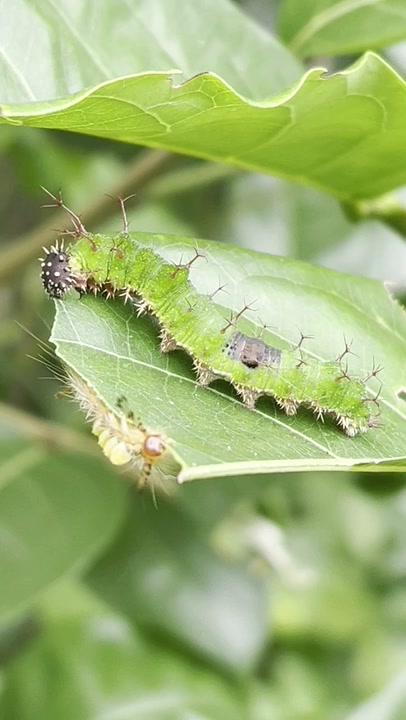
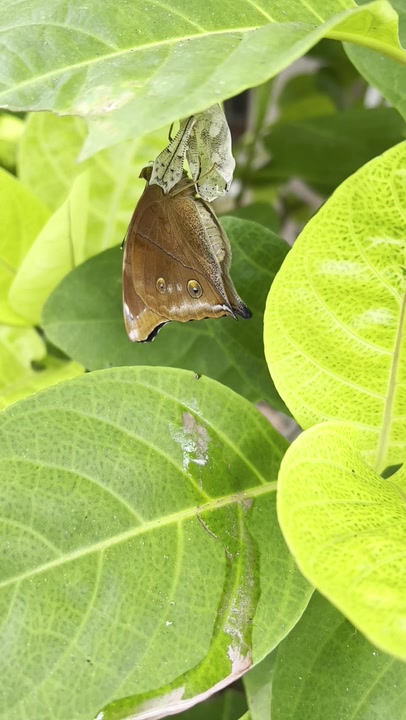
The life cycle involves complete metamorphosis, consisting of egg, larva (caterpillar), pupa (chrysalis), and adult stages. Caterpillars display a wide variety of forms, often bearing spines, branched projections, or colorful patterns that provide protection from predators. They feed on an extensive range of host plants across numerous flowering plant families. Pupae are often suspended head downward from a silken pad and may be cryptically colored or ornamented with metallic spots.
The family includes numerous well-known subfamilies and genera, such as Danainae (Danaus), Heliconiinae (Argynnis, Heliconius), Nymphalinae (Vanessa, Junonia), Satyrinae (Mycalesis, Ypthima), Charaxinae (Charaxes), and Limenitidinae (Limenitis). Several species undertake remarkable long-distance migrations, such as the monarch butterfly (Danaus plexippus).
Ecologically, Nymphalidae butterflies are important pollinators that contribute to the reproduction of numerous flowering plants. Their caterpillars influence plant communities through herbivory, while both larvae and adults serve as prey for birds, reptiles, amphibians, spiders, and predatory insects. Their sensitivity to habitat alteration, climate change, and environmental quality makes brush-footed butterflies valuable indicators of ecosystem health and biodiversity, while their extraordinary diversity makes them one of the most successful butterfly families in the world.