Bali Wildlife
Every Spices Matter


Satyrinae is one of the largest subfamilies of brush-footed butterflies within the family Nymphalidae (Superfamily Papilionoidea, Order Lepidoptera), commonly known as the browns, ringlets, and satyrs. The subfamily comprises more than 2,500 described species distributed worldwide, with the greatest diversity occurring in tropical and subtropical regions. Members inhabit an extensive range of ecosystems, including tropical rainforests, temperate forests, grasslands, savannas, wetlands, scrublands, alpine meadows, agricultural landscapes, parks, and gardens.
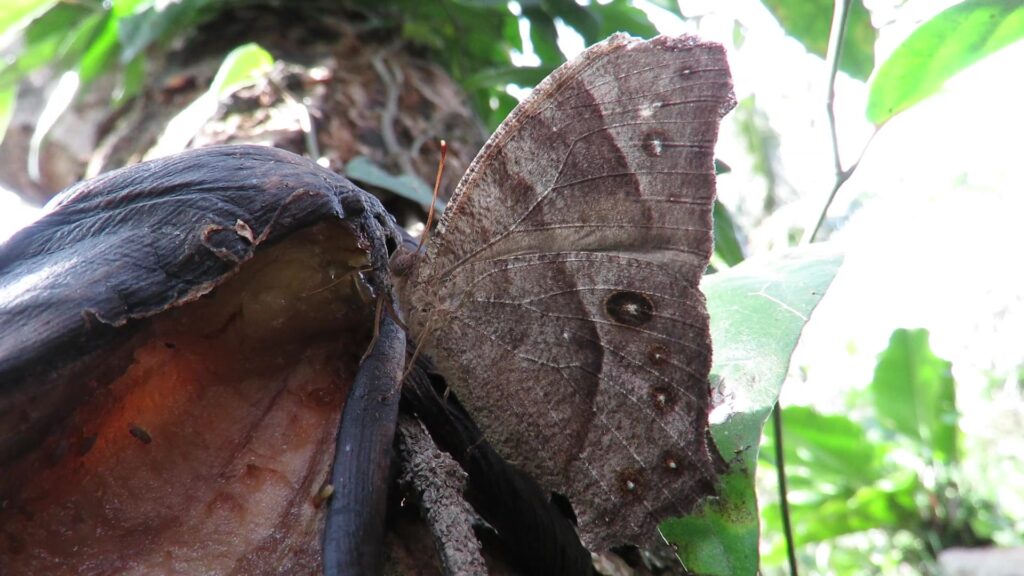
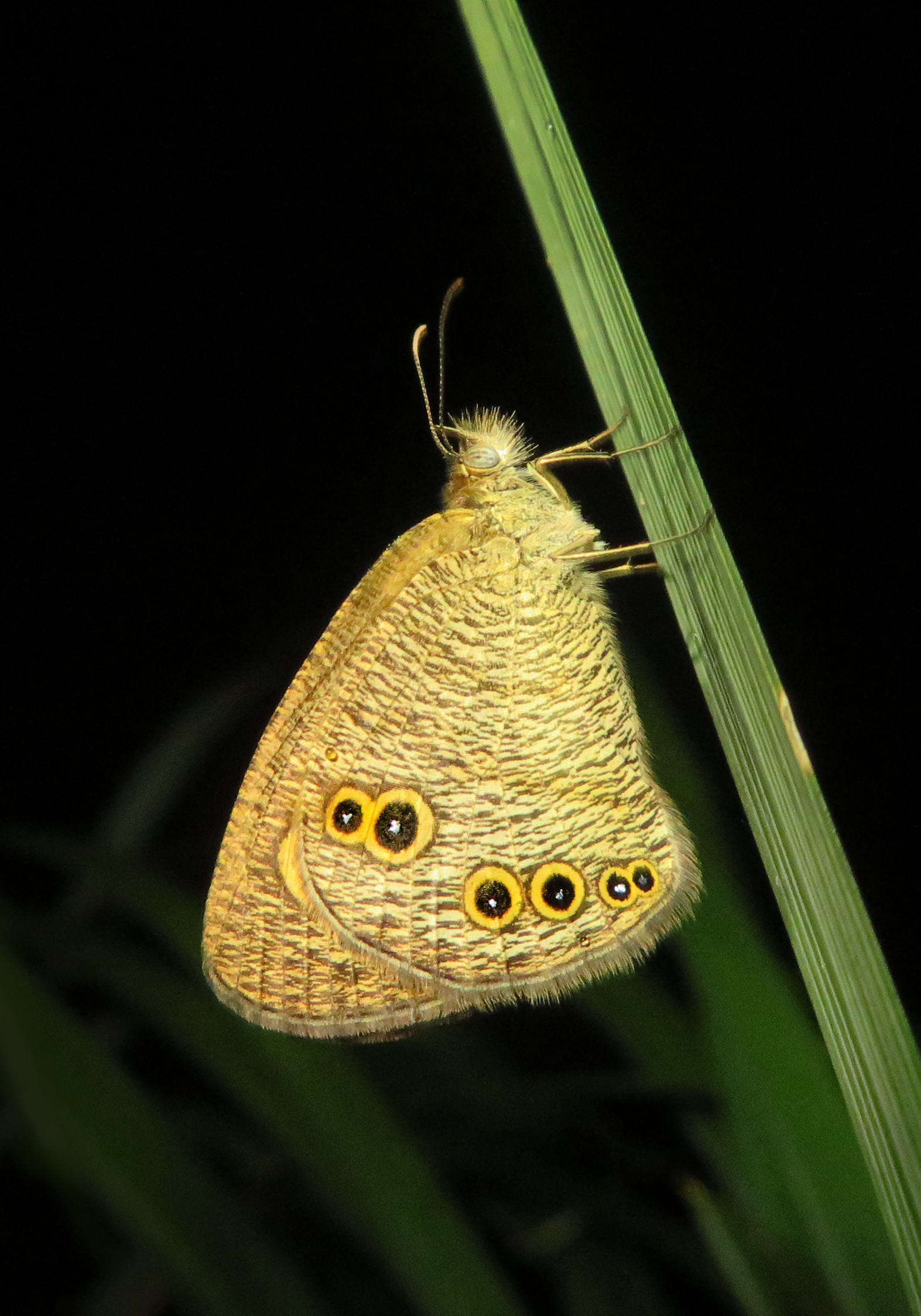
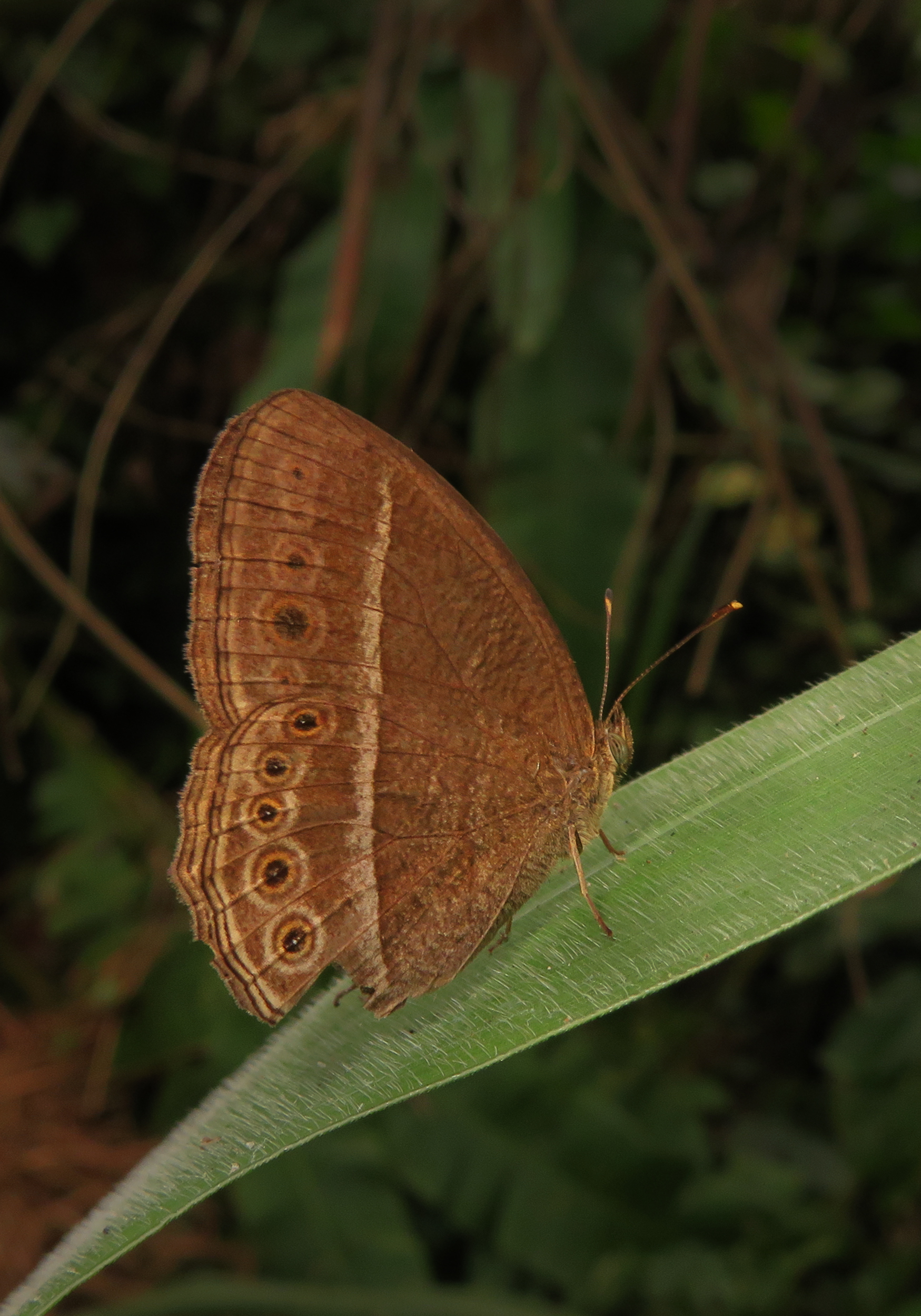
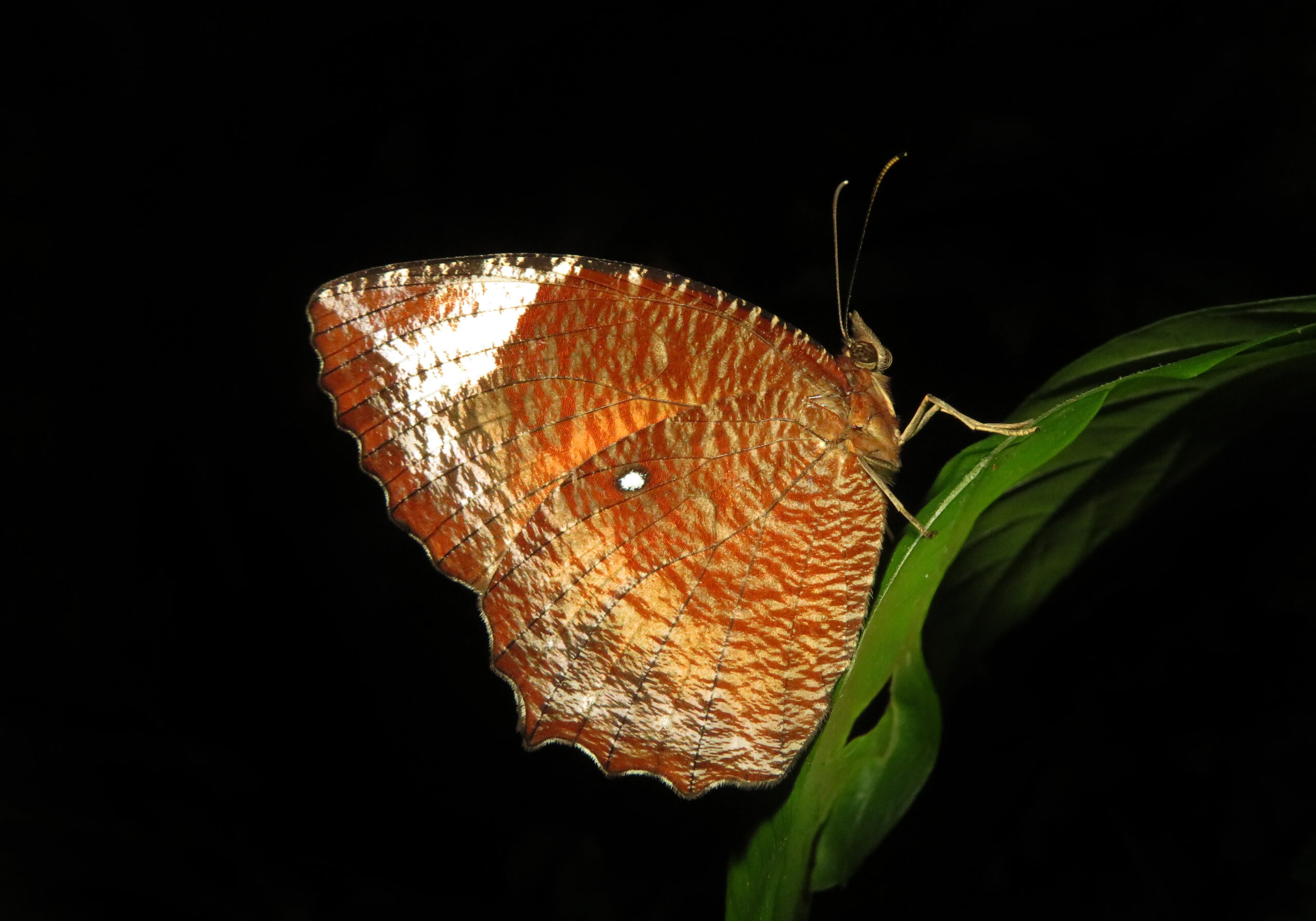
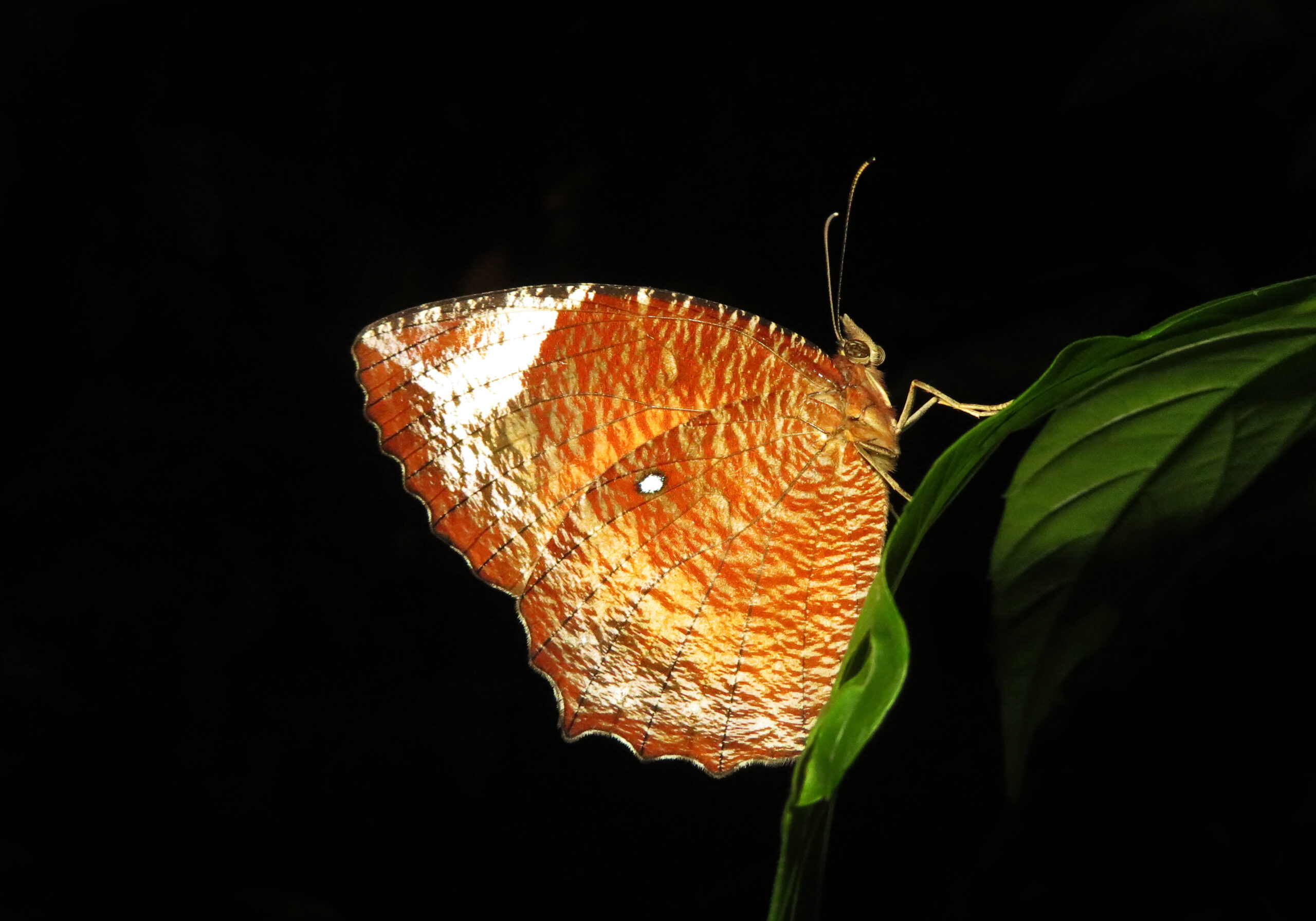
Butterflies of the subfamily Satyrinae are generally small to medium-sized and are characterized by a sturdy body and rounded wings. Like all members of the family Nymphalidae, they possess reduced, brush-like forelegs that are not used for walking. Their wing coloration is predominantly cryptic, consisting of shades of brown, gray, tan, orange, or olive, often adorned with one or more eyespots (ocelli), wavy lines, and bands. These markings provide effective camouflage among grasses, dead leaves, and forest litter while also helping to deter predators by diverting attacks away from vital body parts.
Adults are primarily diurnal, although several species are most active during dawn, dusk, or under overcast conditions. Their flight is typically slow, low, and undulating, with many species remaining close to the ground or within shaded forest understories. Adults feed mainly on fermenting fruits, tree sap, decaying organic matter, animal dung, and mineral-rich moisture, while many species also visit flowers for nectar. Males frequently engage in mud-puddling to obtain sodium and other essential minerals.
The life cycle involves complete metamorphosis, consisting of egg, larva (caterpillar), pupa (chrysalis), and adult stages. Females usually lay eggs singly on host plants. Caterpillars are smooth, cylindrical, and often green or brown, with a forked or pointed tail and a rounded or bifid head. Most species feed on grasses (Poaceae), sedges (Cyperaceae), bamboos, or palms (Arecaceae), although host plant preferences vary among different tribes and genera. Pupation generally occurs on leaves, stems, or among leaf litter, where the chrysalis is suspended or attached by a silken pad.
The subfamily includes numerous well-known genera, such as Mycalesis, Melanitis, Ypthima, Lethe, Neope, Coenonympha, Maniola, and Elymnias. Many species exhibit remarkable seasonal polyphenism, producing distinctly different wet-season and dry-season forms in response to environmental conditions.
Ecologically, Satyrinae butterflies play important roles in terrestrial ecosystems as herbivores during the larval stage and as pollinators or nutrient recyclers during adulthood. Their caterpillars contribute to grassland and forest plant dynamics, while both larvae and adults provide food for birds, reptiles, amphibians, spiders, predatory insects, and parasitoids. Because many species are closely associated with specific habitats and respond rapidly to environmental changes, Satyrinae butterflies are widely regarded as valuable indicators of habitat quality, ecosystem health, and biodiversity.