Bali Wildlife
Every Spices Matter


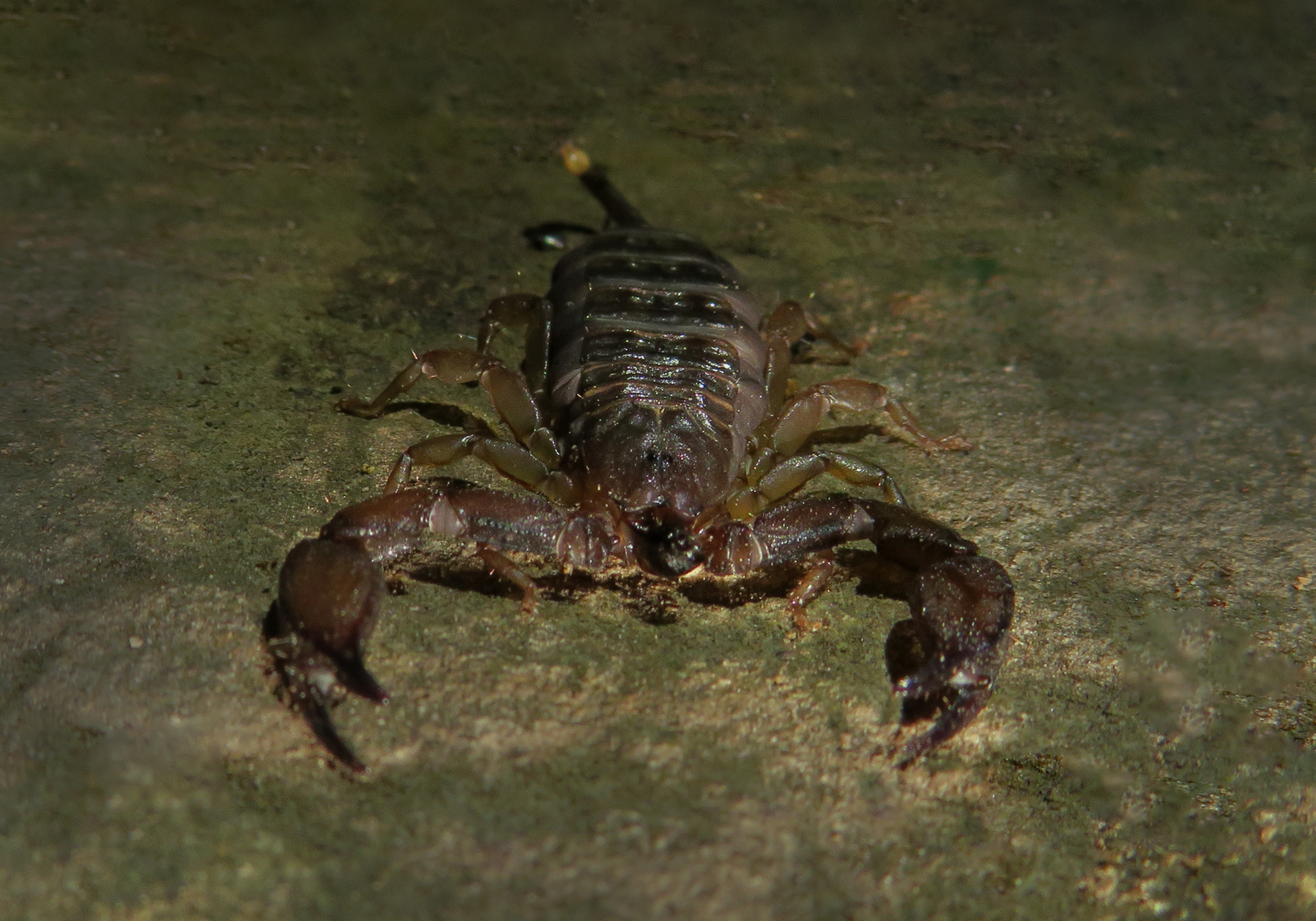
Liocheles is a genus of scorpions within the family Hormuridae (Superfamily Scorpionoidea, Order Scorpiones). Species of this genus are distributed throughout South Asia, Southeast Asia, East Asia, Australia, Melanesia, and numerous Pacific islands. They are primarily associated with humid tropical and subtropical habitats, including rainforests, mangroves, caves, plantations, gardens, and rocky woodlands, where they live beneath bark, stones, logs, and within rock crevices.
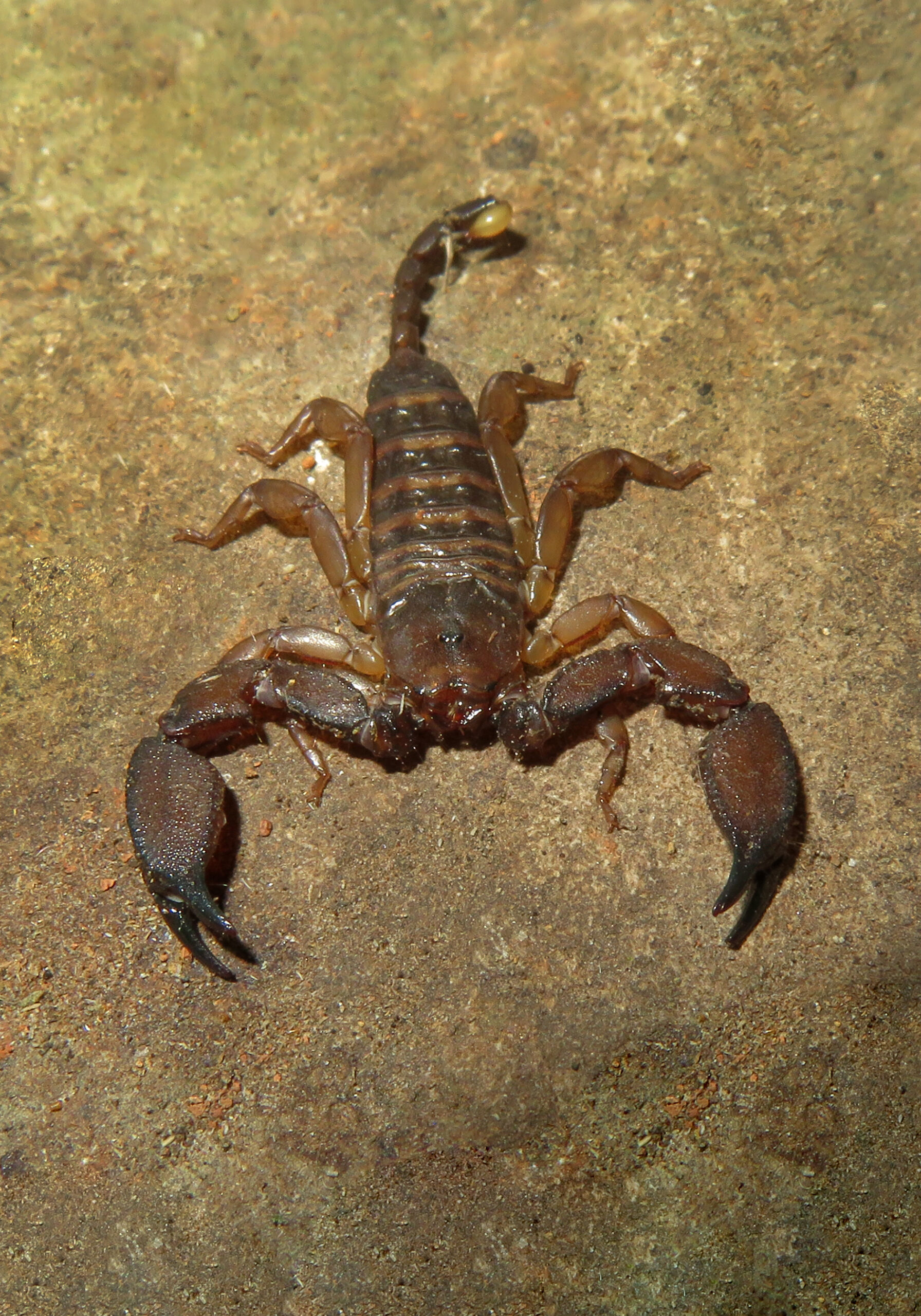
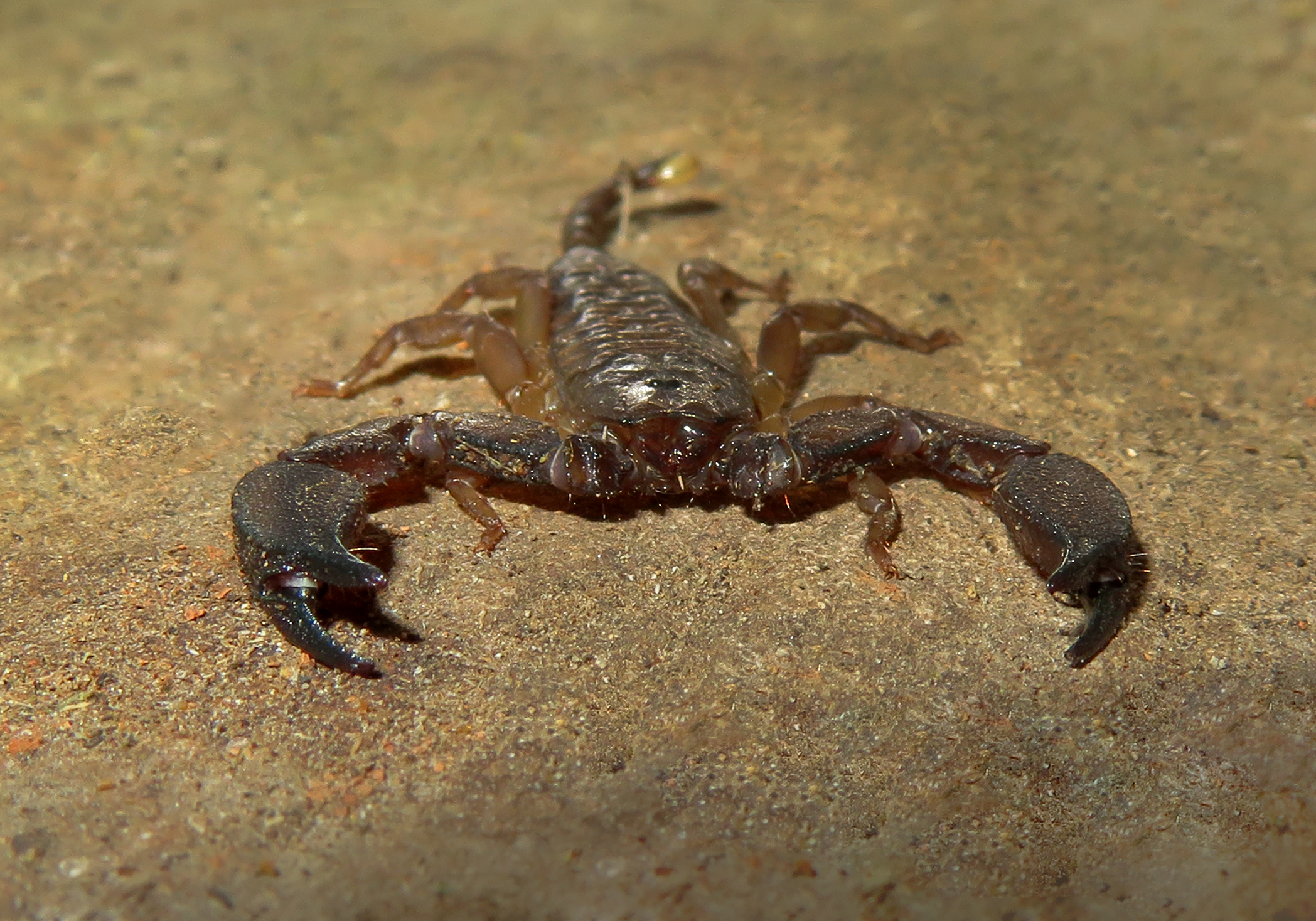
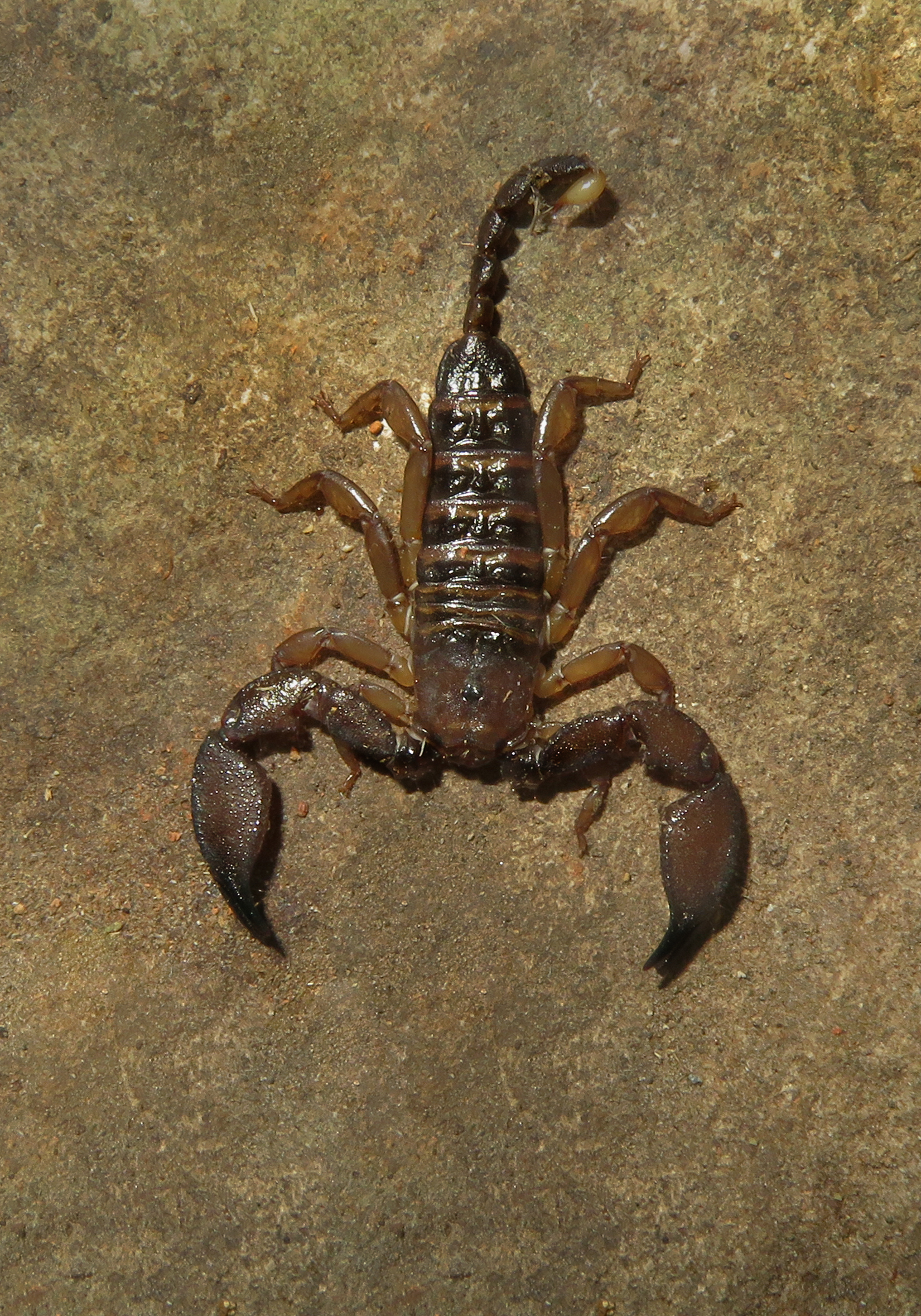
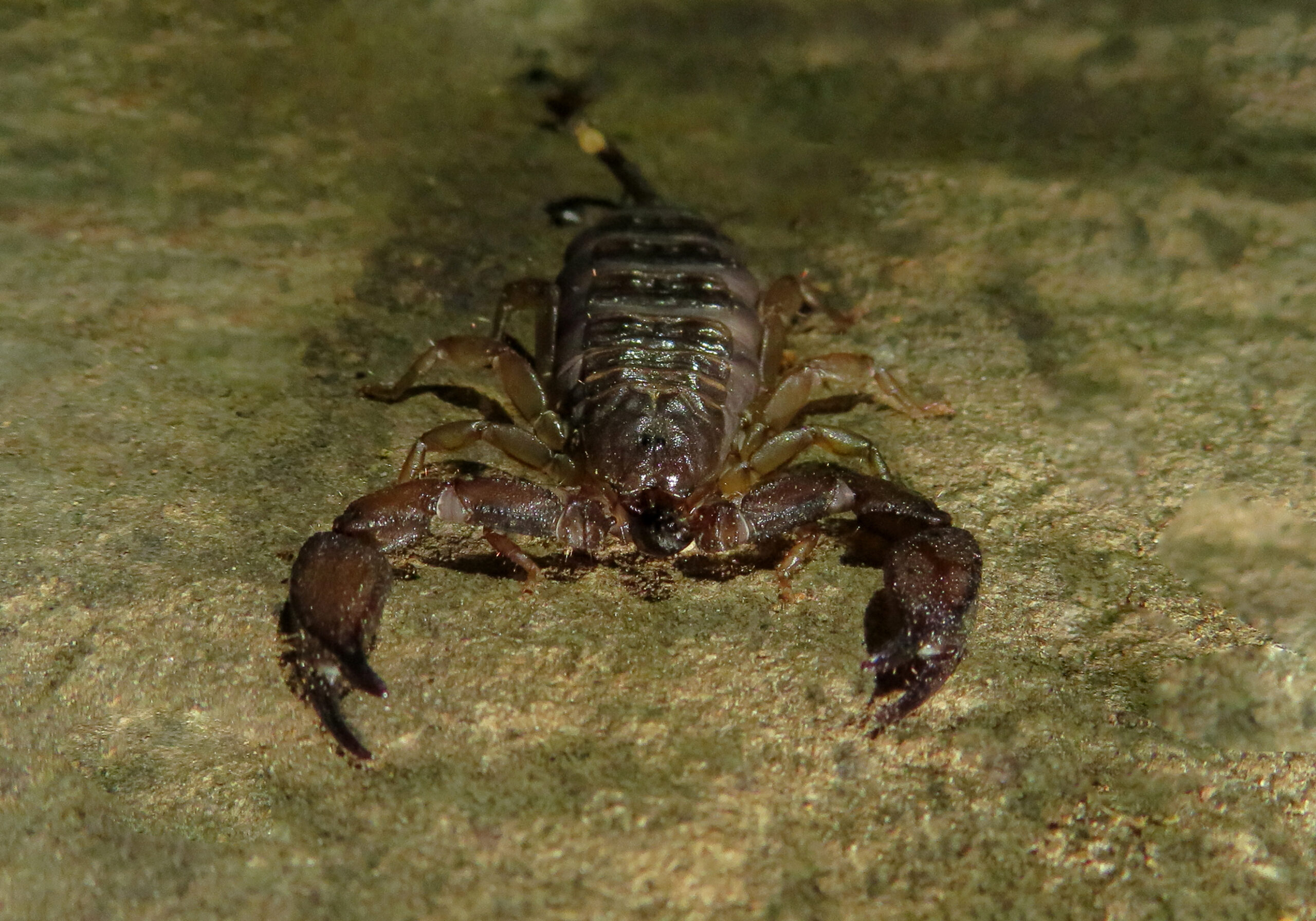
Scorpions of the genus Liocheles are generally small to medium-sized and possess a flattened, robust body adapted for life in narrow crevices and beneath loose bark. Their coloration is typically dark brown to black, although some species may be reddish-brown or olive-brown, providing excellent camouflage against tree bark, rocks, and leaf litter. The pedipalps are relatively broad and powerful, while the metasoma (tail) is moderately short and terminates in a venomous telson.
Most Liocheles species are nocturnal predators. During the day they remain hidden beneath bark, logs, stones, or within rock fissures, emerging after dark to hunt. Their diet consists mainly of insects, spiders, centipedes, woodlice, and other small arthropods. Prey is seized with the strong pincers and subdued with venom when necessary.
Like all scorpions, Liocheles possesses specialized comb-like pectines on the underside of the body, which detect vibrations, chemical signals, and surface textures. Their exoskeleton fluoresces under ultraviolet light, a characteristic shared by nearly all living scorpions.
The life cycle is viviparous, with females giving birth to live young. Newly born juveniles climb onto the mother’s back, where they remain until after their first molt before dispersing. Several species, most notably Liocheles australasiae, are capable of parthenogenesis, allowing females to reproduce without fertilization. This reproductive strategy has enabled certain species to colonize isolated islands and establish populations from a single individual.
The genus includes numerous species adapted to a variety of forest and rocky habitats, with several occurring in caves and other sheltered environments.
Ecologically, Liocheles scorpions are important predators that regulate populations of small invertebrates in forest ecosystems. They also serve as prey for birds, reptiles, amphibians, mammals, and larger arthropods. Their cryptic habits, specialized reproductive strategies, and close association with humid habitats make them significant components of tropical biodiversity and useful indicators of healthy forest ecosystems.