Bali Wildlife
Every Spices Matter


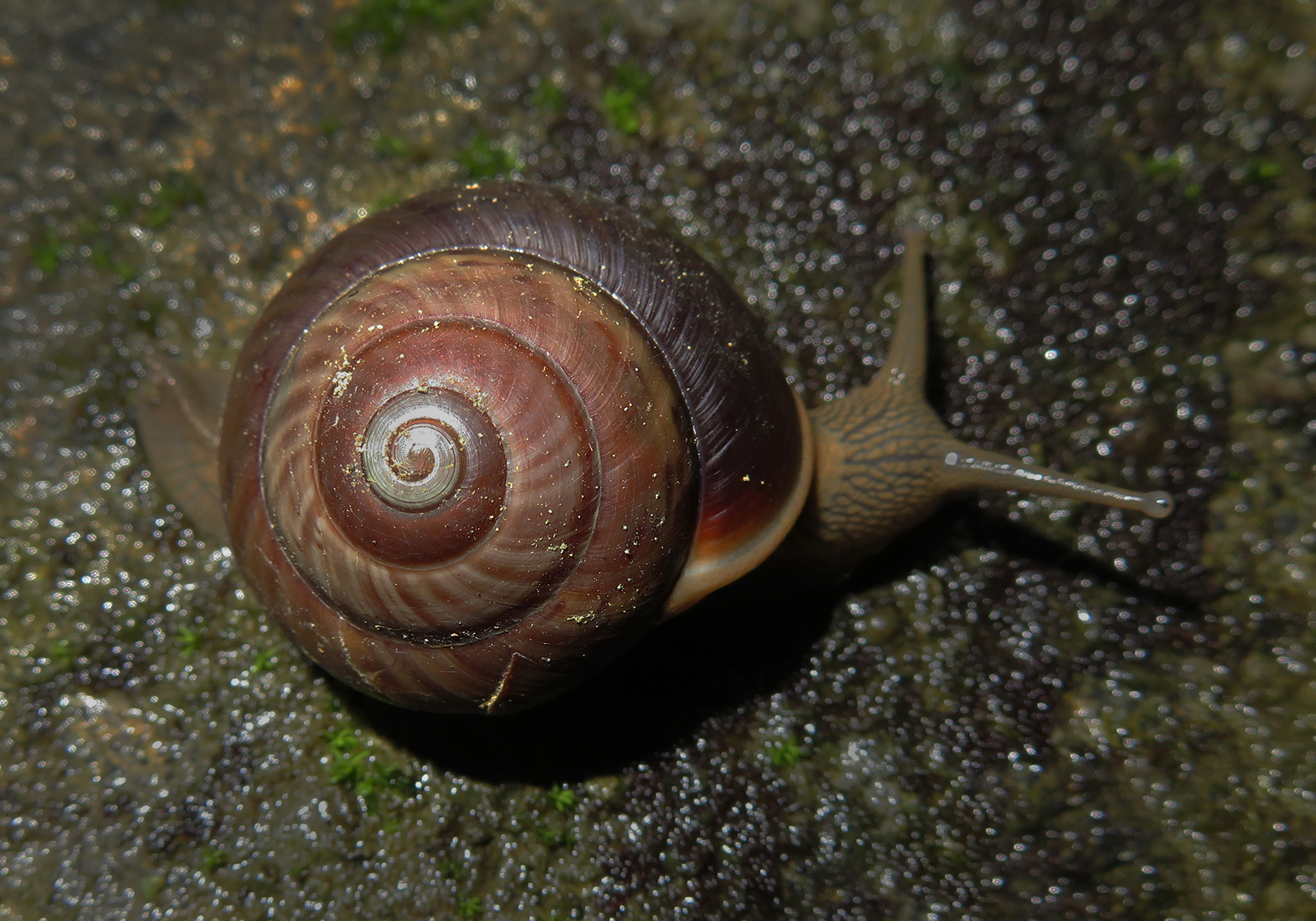
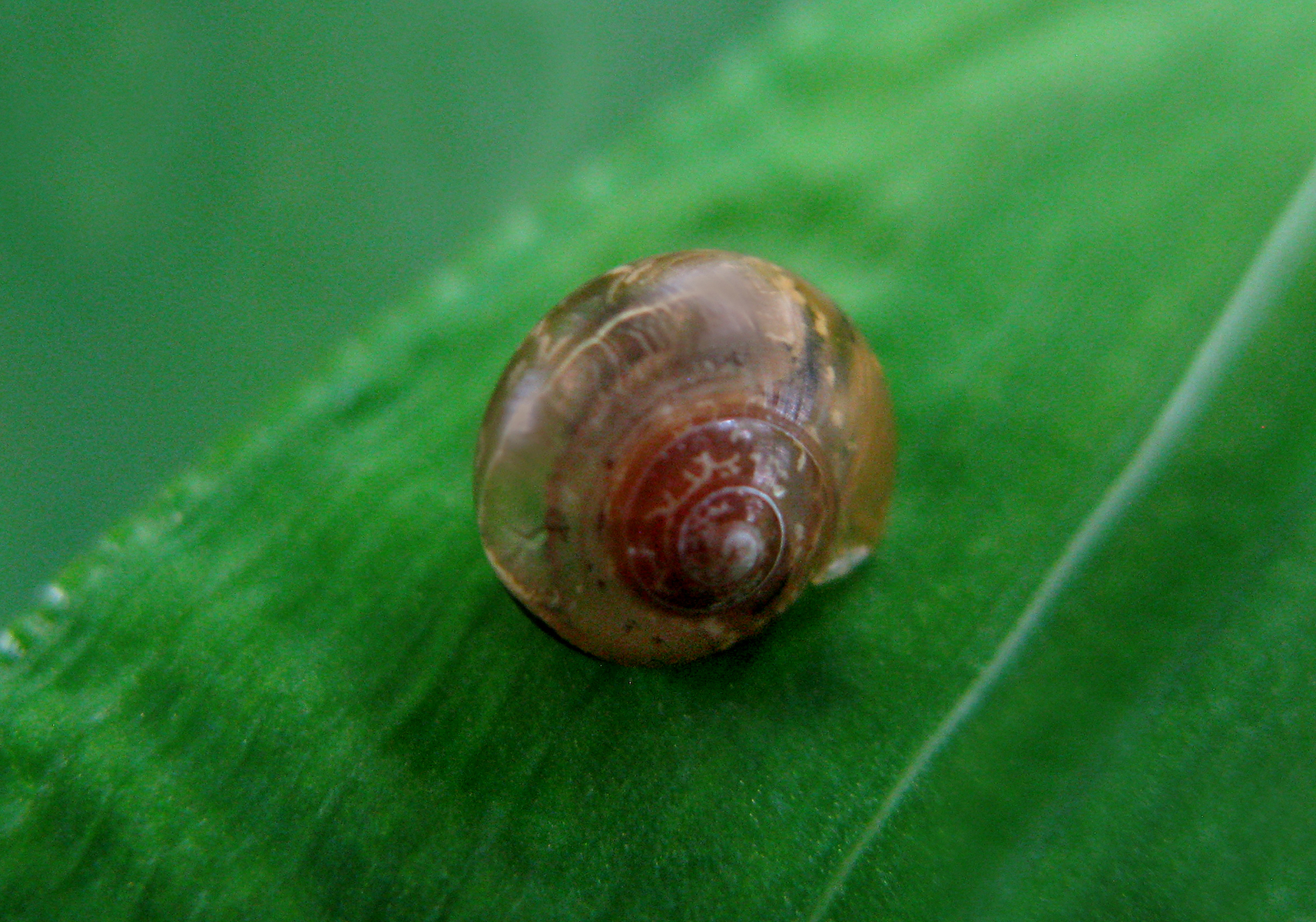
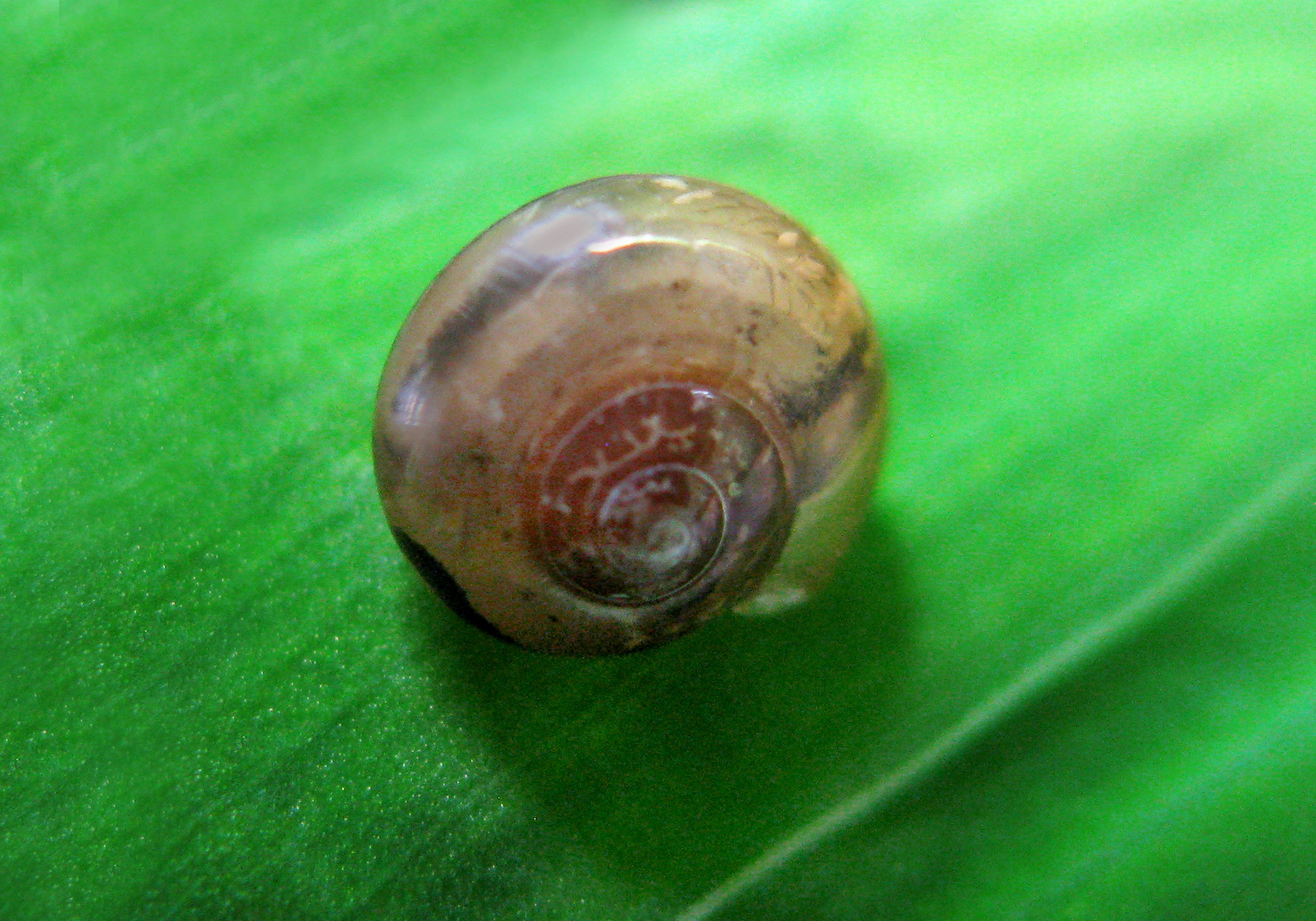
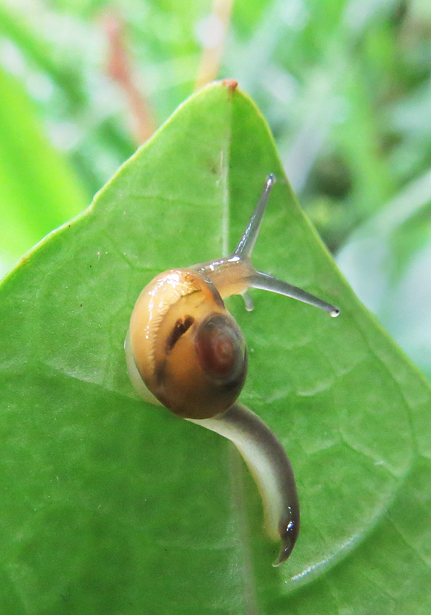
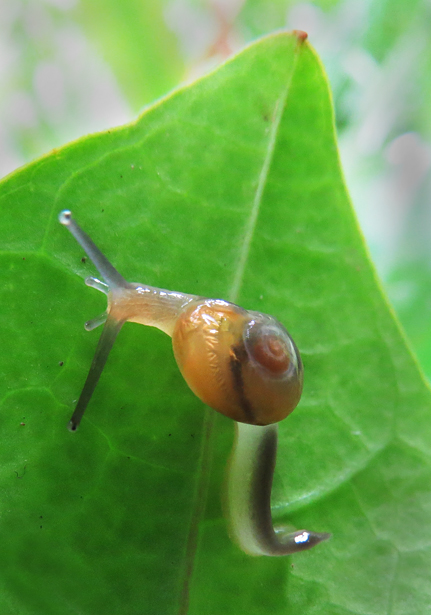
Limacoidei is an infraorder of air-breathing land gastropods within the order Stylommatophora (Superorder Eupulmonata, Class Gastropoda, Phylum Mollusca). This group includes a diverse assemblage of terrestrial snails and slugs, many of which are characteristic of temperate and subtropical regions.
Members of Limacoidei exhibit considerable variation in shell development. Some families possess a well-developed external shell, typically thin and helicoid, while others include partially shelled or completely shell-less slugs in which the shell is reduced or internal. This range of shell conditions reflects multiple evolutionary adaptations to terrestrial life.
As stylommatophoran gastropods, limacoid species have two pairs of retractile tentacles, with the eyes located at the tips of the upper pair. Respiration occurs via a pulmonate lung, with the mantle cavity opening through a pneumostome. In slug forms, the mantle may cover only the anterior portion of the body and sometimes encloses a reduced internal shell plate.
Ecologically, Limacoidei species occupy a broad array of habitats, including forests, grasslands, gardens, agricultural lands, and mountainous regions. They are primarily herbivores and detritivores, feeding on living plants, fungi, algae, and decaying organic matter. Some species are economically significant as agricultural pests, while others contribute to nutrient recycling and soil formation.
Reproduction is hermaphroditic, involving internal fertilization and direct development. Many species exhibit complex mating behaviors, and eggs are laid in moist soil or protected microhabitats.
Infraorder Limacoidei represents a major lineage of land snails and slugs, distinguished by morphological diversity in shell reduction, pulmonate respiration, and broad ecological adaptation to terrestrial environments.