Bali Wildlife
Every Spices Matter


Iurida is a major parvorder within the infraorder Orthosterni (Suborder Neoscorpionina, Order Scorpiones), comprising a diverse assemblage of modern scorpions. Members of this group are distributed across tropical, subtropical, and temperate regions worldwide, inhabiting deserts, tropical rainforests, grasslands, savannas, rocky outcrops, caves, and mountainous environments. The parvorder includes many of the largest and most familiar scorpion lineages.
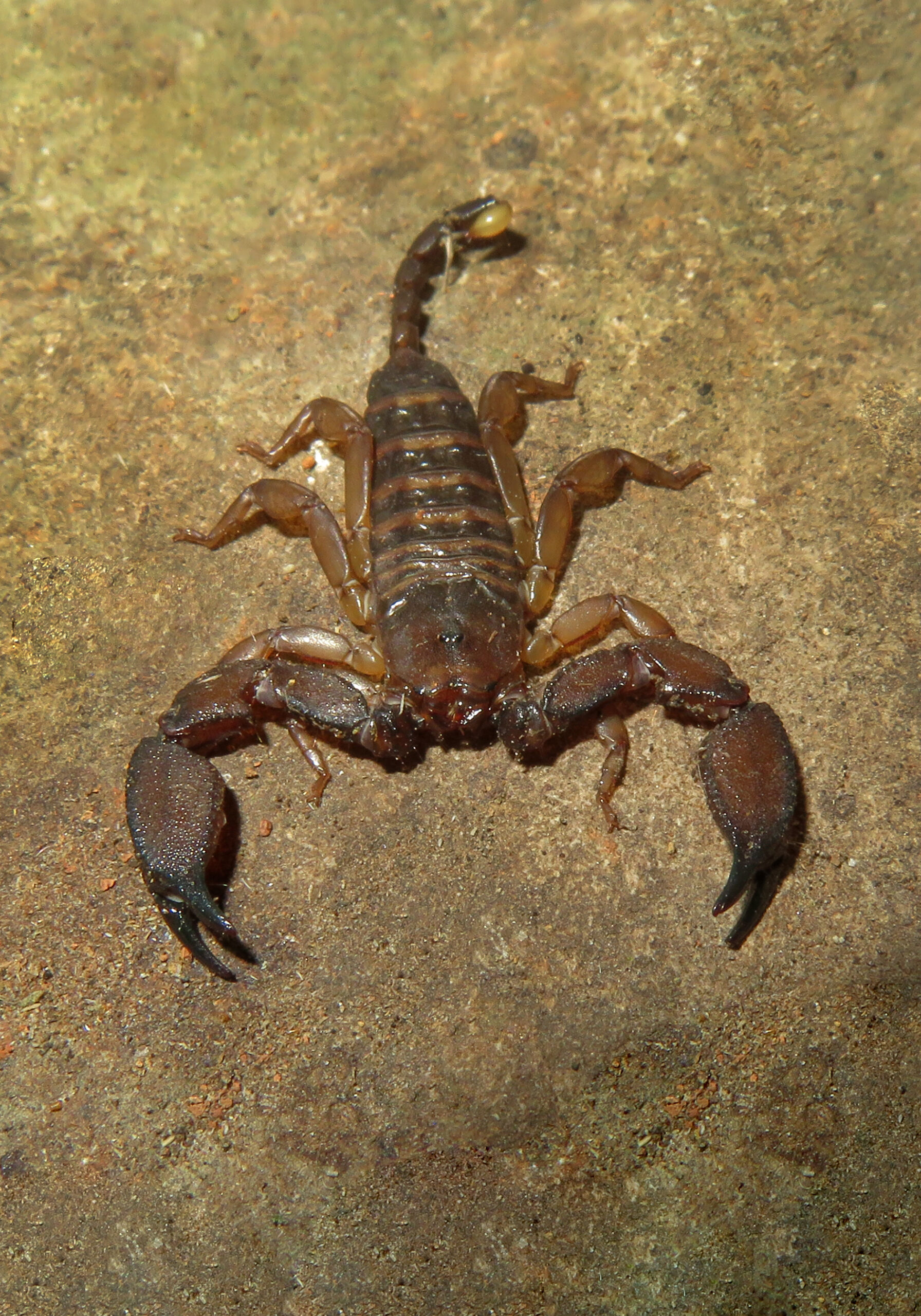
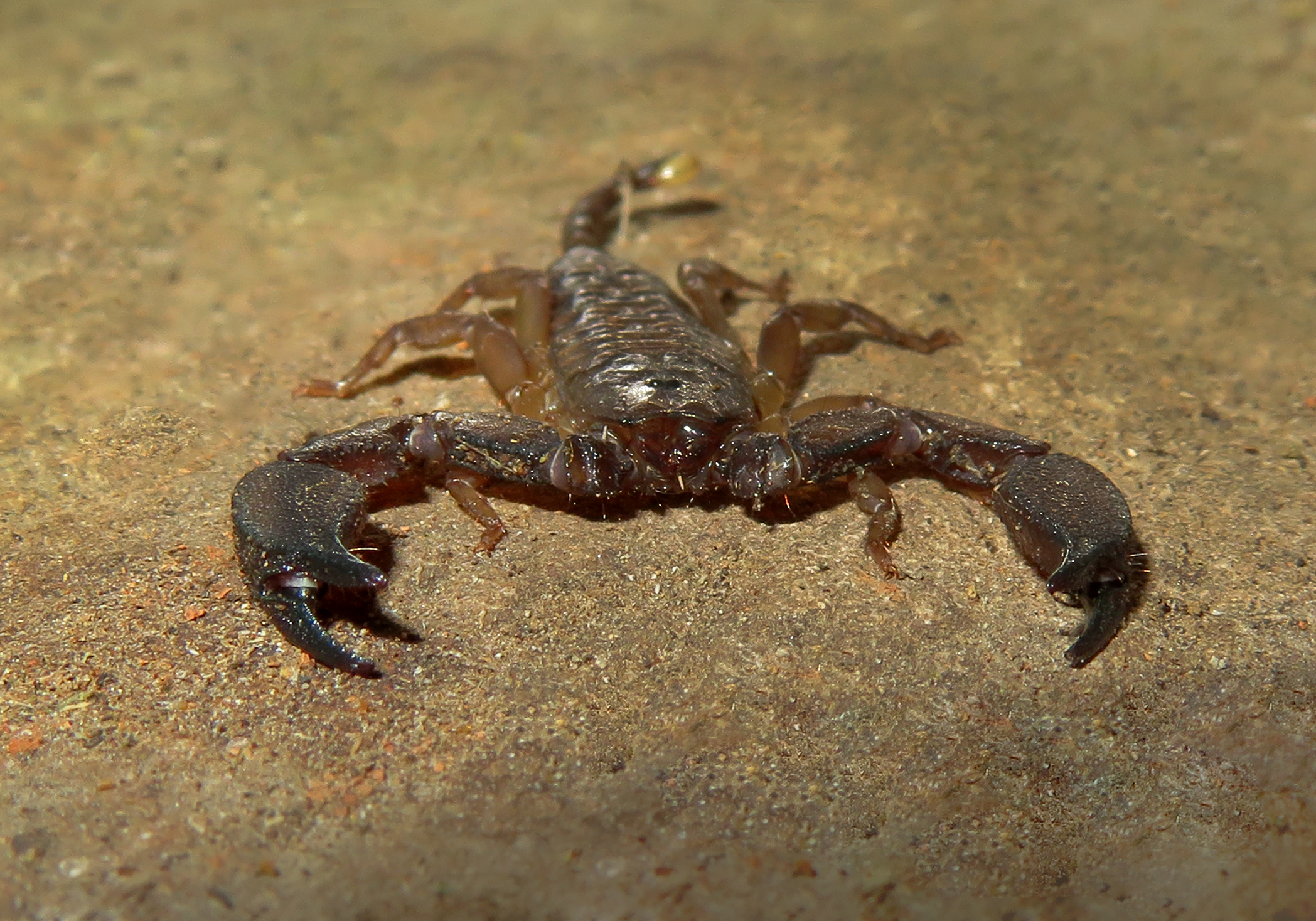
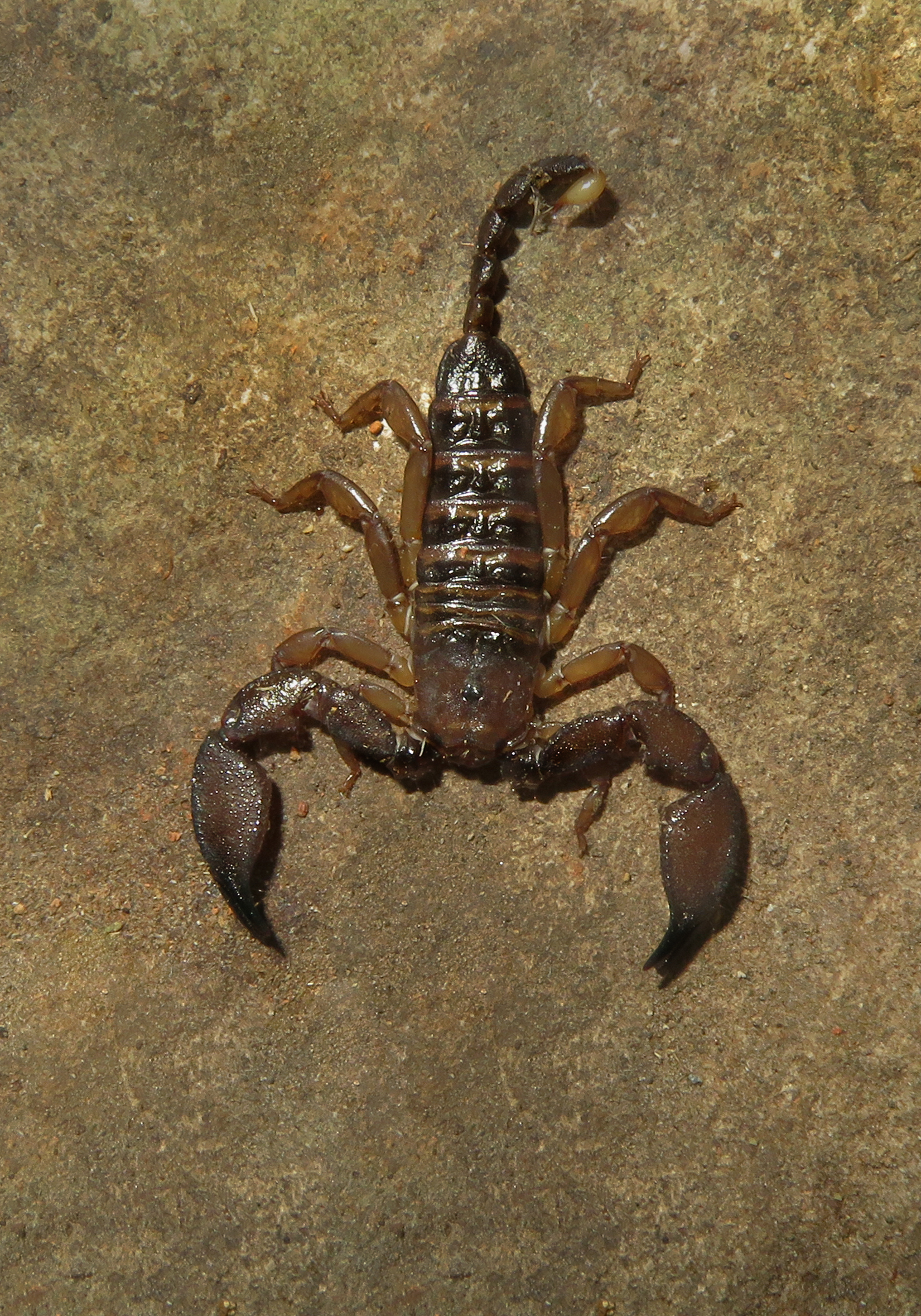
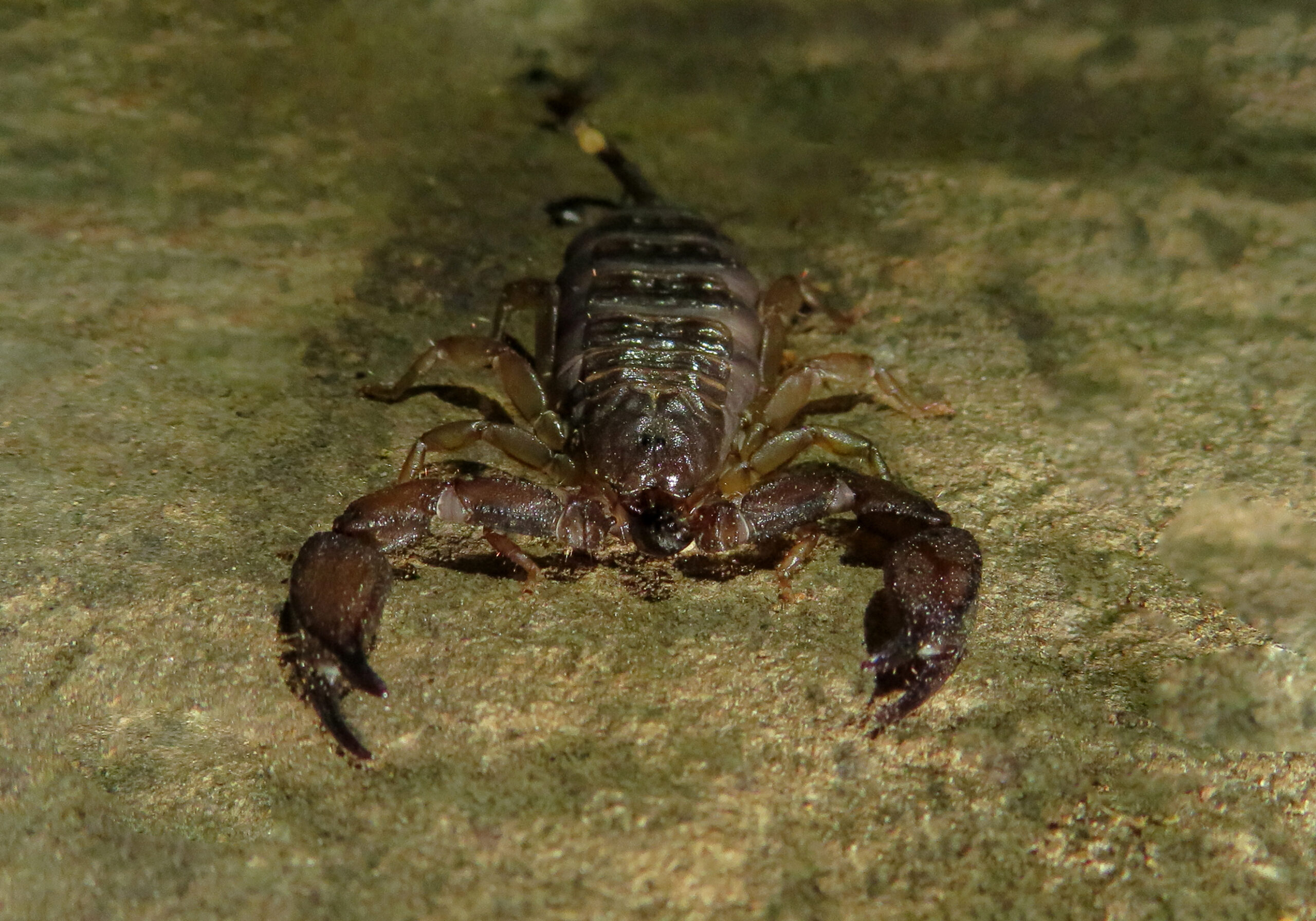
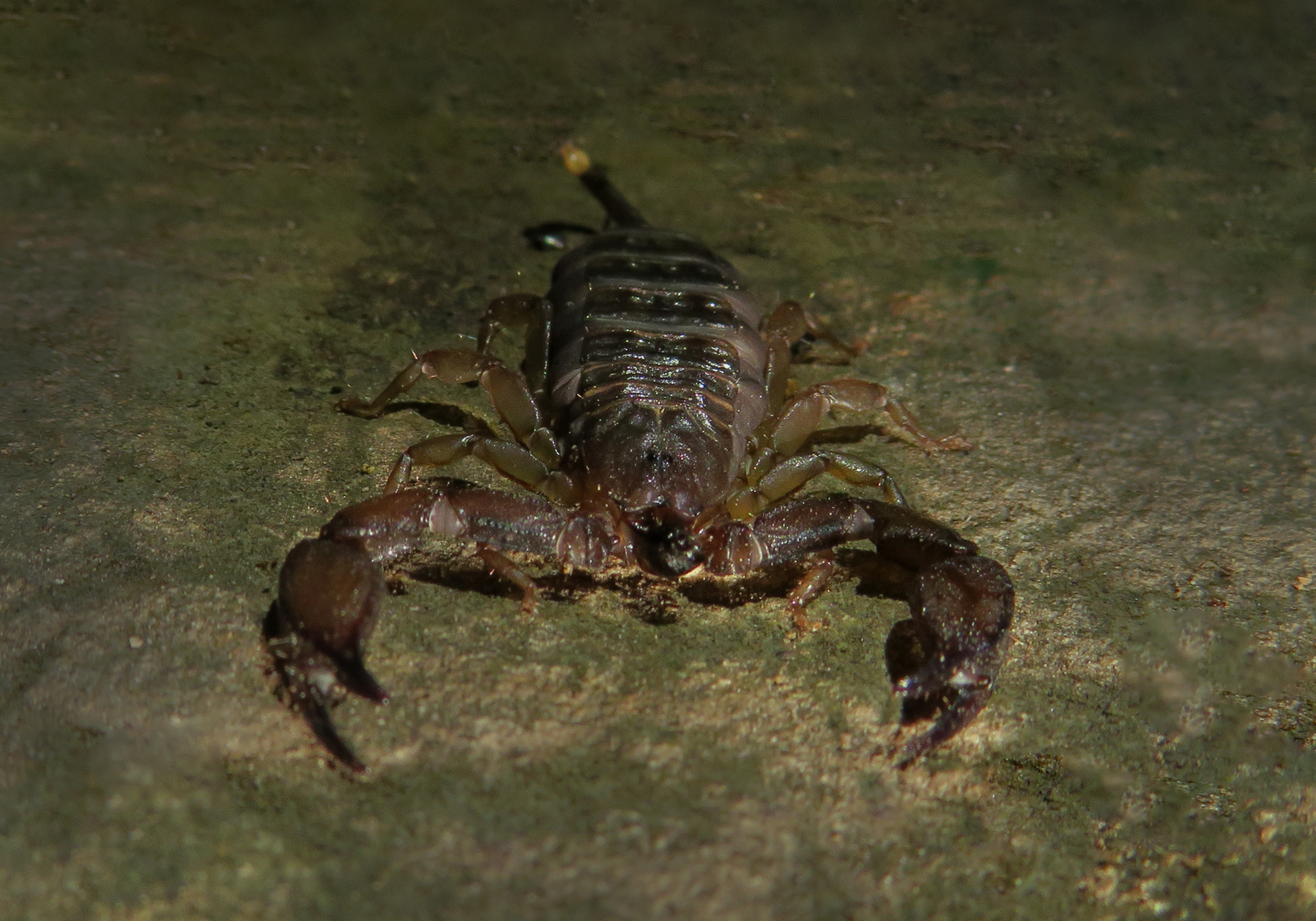
Scorpions of the parvorder Iurida exhibit the typical morphology of modern scorpions, with a compact cephalothorax (prosoma), a segmented abdomen divided into the mesosoma and metasoma, and a venomous telson at the tip of the tail. They possess four pairs of walking legs and prominent pedipalps ending in powerful pincers (chelae), which are used to grasp prey, defend against predators, and during courtship.
Body size, coloration, and robustness vary considerably among species. Depending on the habitat, individuals may be yellow, reddish-brown, brown, black, or nearly white, often providing camouflage against sand, soil, rocks, bark, or leaf litter. Species inhabiting humid forests generally have more slender pincers, whereas many desert or rocky species possess heavier, more robust pedipalps.
Most members of Iurida are nocturnal predators. During daylight hours they shelter beneath rocks, logs, bark, or within burrows, emerging at night to hunt insects, spiders, centipedes, and other arthropods. Larger species may occasionally prey upon small vertebrates such as lizards, frogs, or rodents. Prey is captured with the pedipalps and subdued using venom when necessary.
Like other scorpions, Iurida species possess highly developed comb-like pectines, sensory organs located on the underside of the body that detect substrate vibrations, chemical cues, and environmental textures. Their exoskeleton also exhibits fluorescence under ultraviolet light, a characteristic shared by nearly all living scorpions.
Reproduction is viviparous. Females give birth to live young, which climb onto the mother’s back immediately after birth and remain there until after their first molt. This maternal care greatly enhances juvenile survival.
The parvorder includes numerous families, such as Scorpionidae, Hormuridae, Diplocentridae, Iuridae, and several others, representing a broad range of ecological and morphological adaptations.
Ecologically, Iurida scorpions are important terrestrial predators that regulate populations of insects and other invertebrates. They also serve as prey for birds, mammals, reptiles, amphibians, and larger arthropods. Through these interactions, they contribute significantly to ecosystem stability, biodiversity, and the functioning of terrestrial food webs.