Bali Wildlife
Every Spices Matter


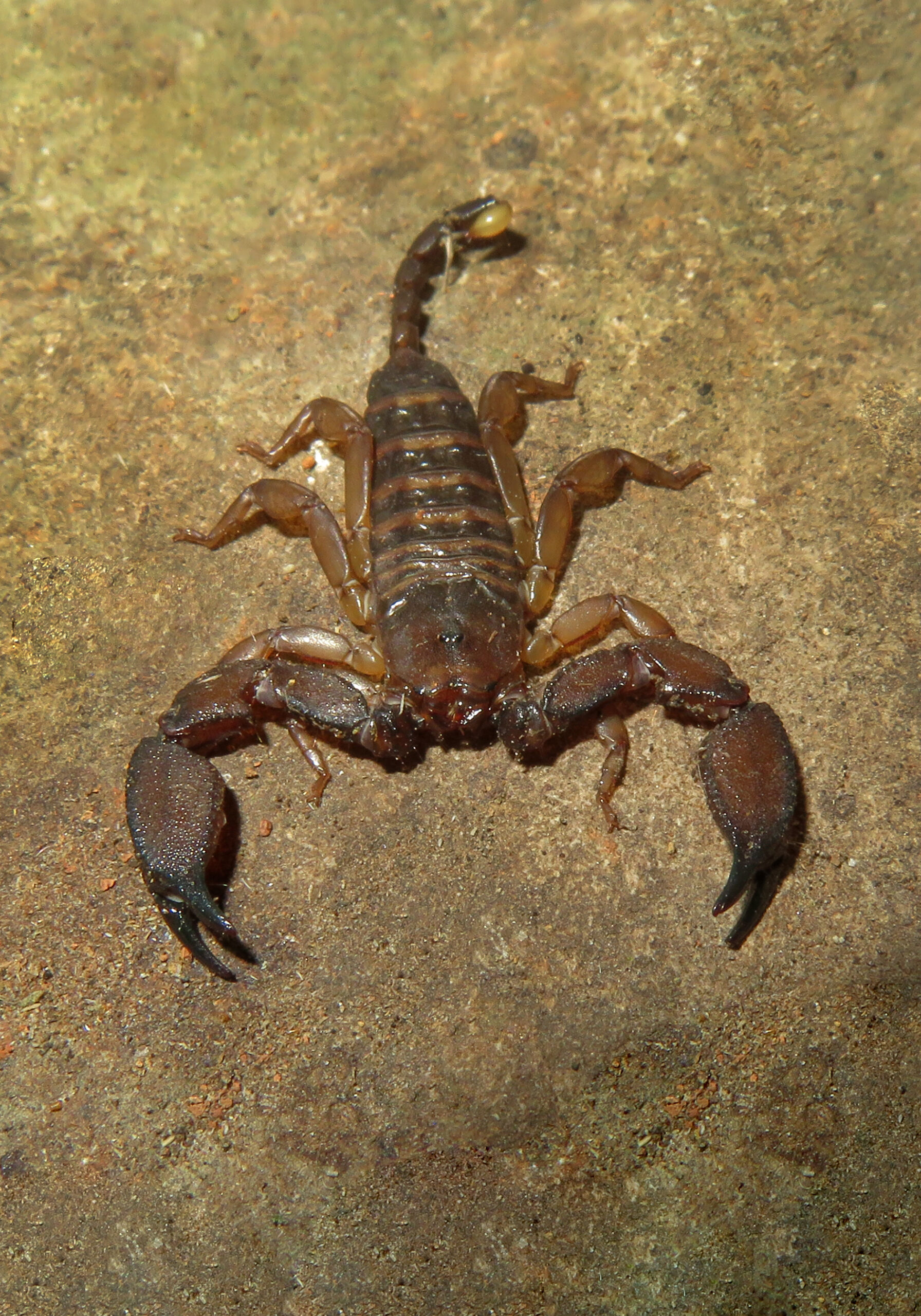
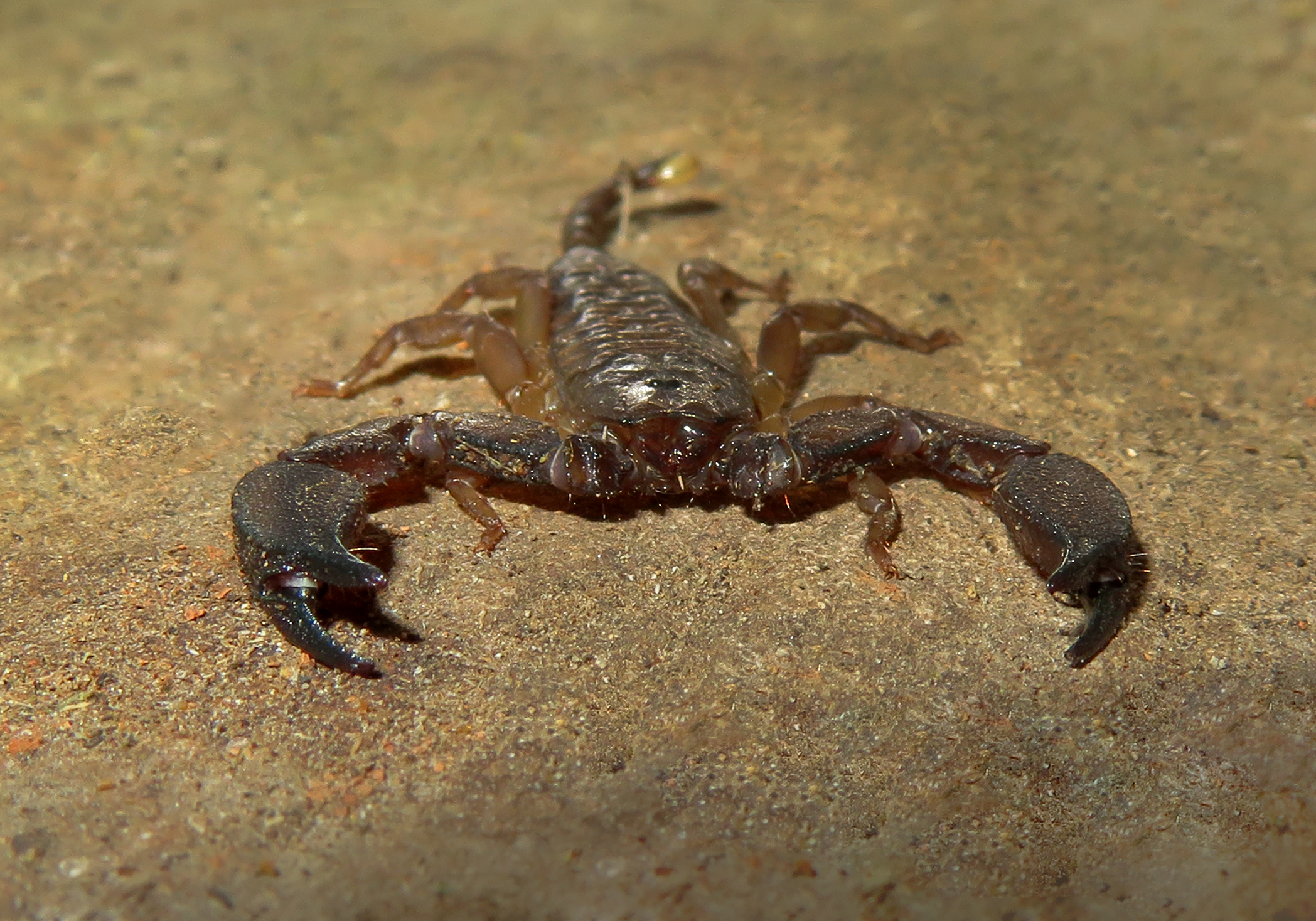
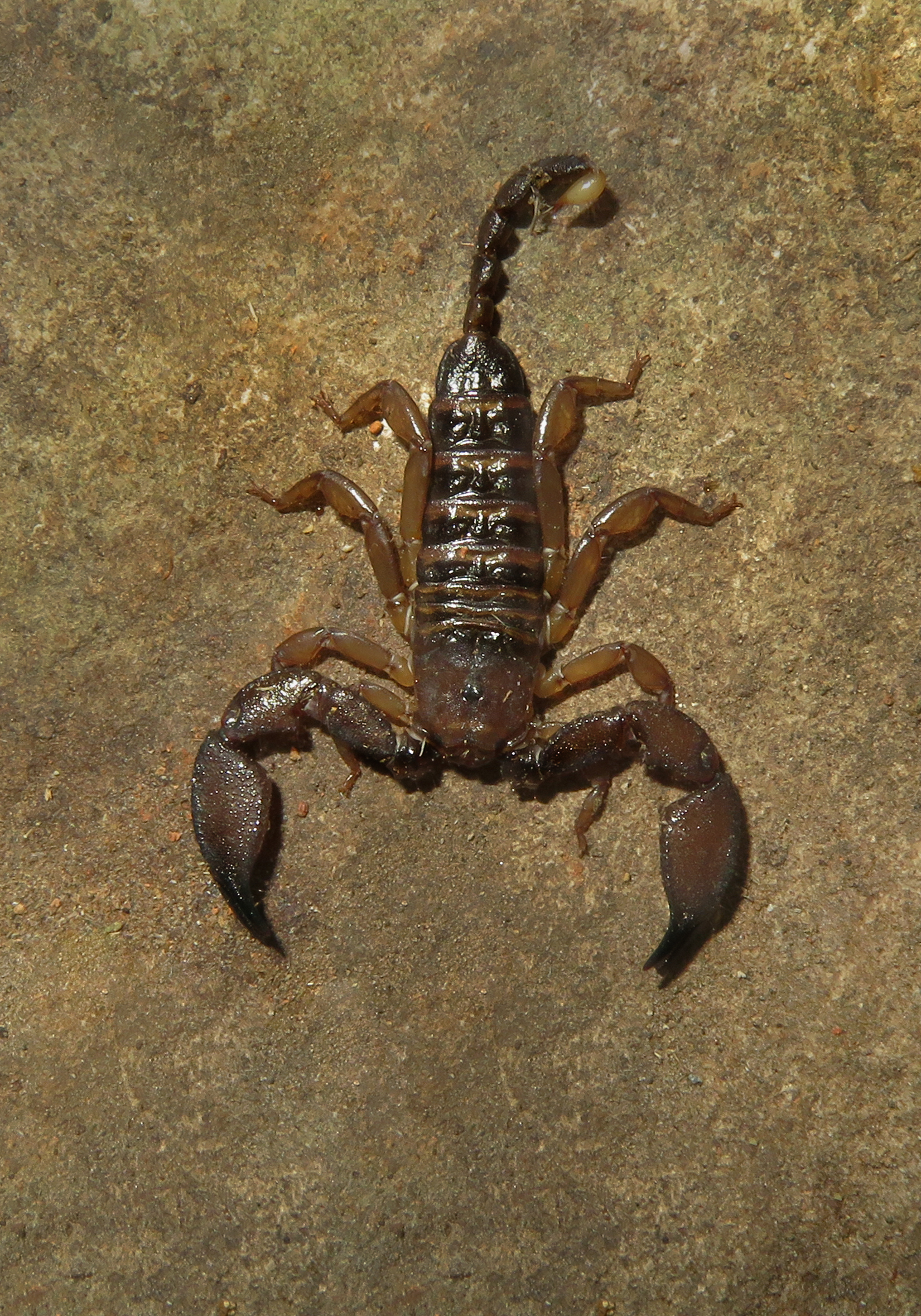
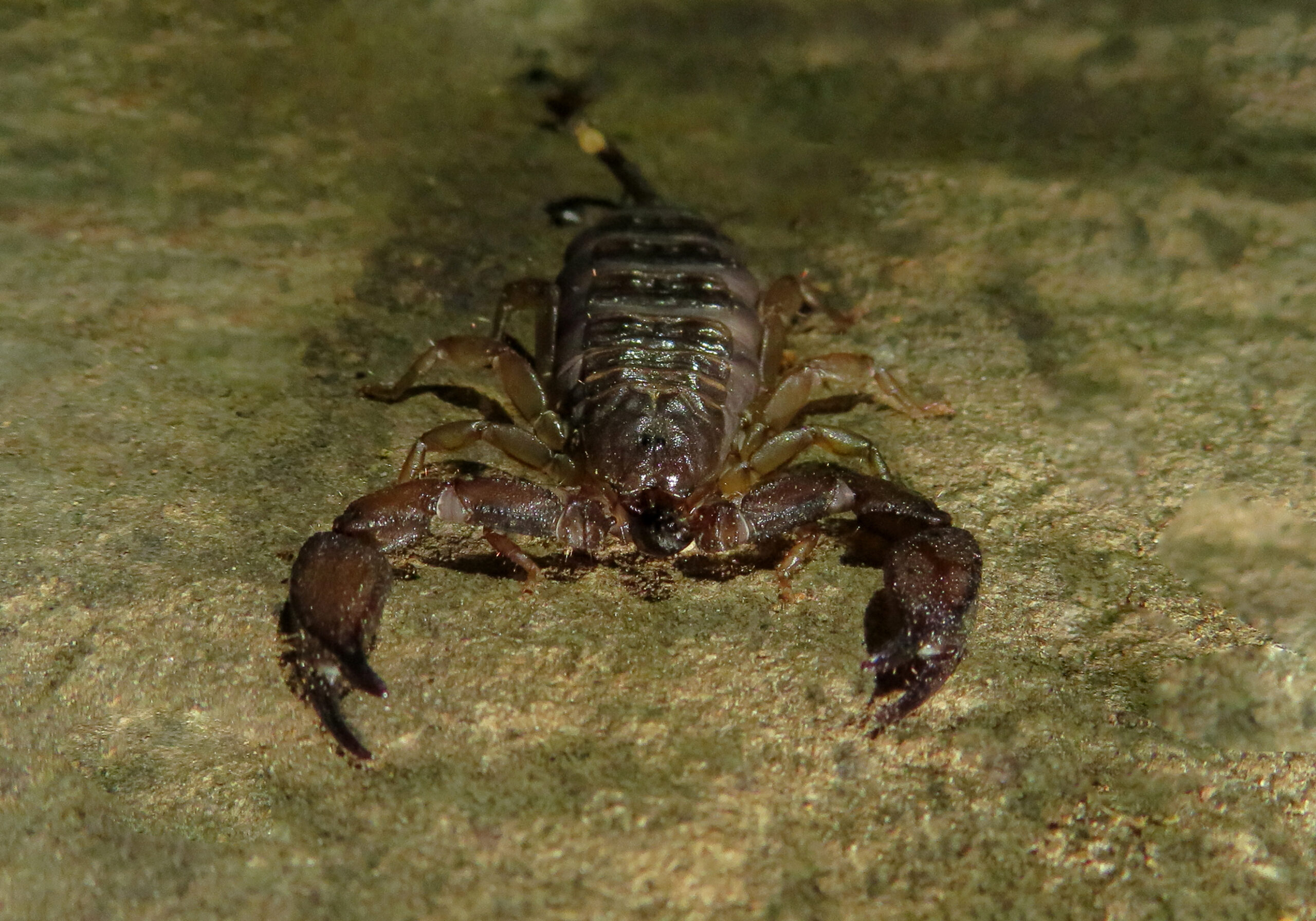
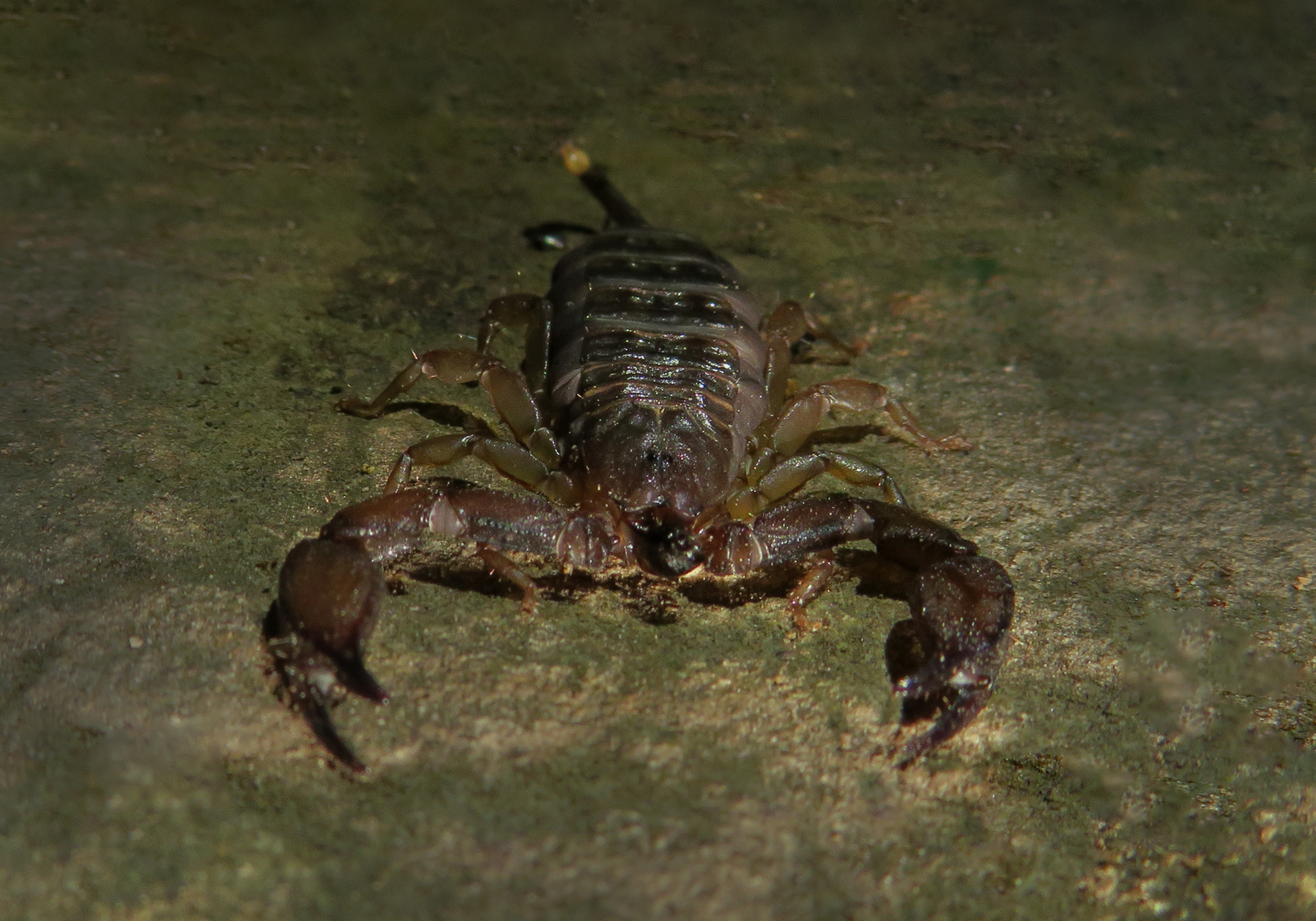
Hormuridae is a family of scorpions within the superfamily Scorpionoidea (Parvorder Iurida, Order Scorpiones). Members of this family are distributed primarily throughout South and Southeast Asia, Australia, Melanesia, and nearby Pacific islands. They are predominantly associated with humid tropical and subtropical habitats, including rainforests, montane forests, mangroves, caves, and rocky woodland environments, where they live beneath bark, logs, rocks, and within crevices.
Scorpions of the family Hormuridae are generally small to medium-sized and possess a robust, heavily sclerotized body. Their coloration ranges from yellowish-brown and reddish-brown to dark brown or black, providing effective camouflage among leaf litter, tree bark, and rocky substrates. They are characterized by relatively broad pedipalps with strong pincers and a moderately stout metasoma (tail) ending in a venomous telson.
Most hormurids are nocturnal predators. During daylight hours they remain concealed beneath loose bark, fallen logs, stones, leaf litter, or within natural crevices, emerging at night to hunt. Their diet consists mainly of insects, spiders, centipedes, and other small arthropods, which are captured using the pedipalps and subdued with venom when necessary.
Like all scorpions, members of Hormuridae possess comb-like pectines on the underside of the body that detect substrate vibrations, chemical cues, and environmental textures. Their exoskeleton fluoresces under ultraviolet light, a characteristic common to nearly all living scorpions.
The life cycle is viviparous, with females giving birth to live young rather than laying eggs. After birth, the juveniles climb onto the mother’s back, where they remain until after their first molt. Maternal care during this period provides protection and greatly improves offspring survival. In some genera, such as Liocheles, parthenogenesis (development from unfertilized eggs) has been documented, allowing females to reproduce without mating.
The family includes several genera, including Hormurus, Liocheles, Chiromachetes, and Iomachus, each exhibiting adaptations to particular forest, cave, or rocky habitats.
Ecologically, Hormuridae scorpions are important nocturnal predators that help regulate populations of insects and other arthropods within forest ecosystems. They also serve as prey for birds, reptiles, amphibians, mammals, and larger arthropods. Their dependence on humid, undisturbed habitats makes many species valuable indicators of forest ecosystem health and biodiversity.