Bali Wildlife
Every Spices Matter


Herminiinae is a subfamily of litter moths within the family Erebidae (Superfamily Noctuoidea, Order Lepidoptera). It comprises several hundred described species distributed worldwide, with the greatest diversity occurring in tropical and subtropical regions. Members inhabit tropical rainforests, temperate forests, woodlands, shrublands, wetlands, agricultural landscapes, parks, and gardens, where leaf litter and decaying vegetation provide suitable habitat for their immature stages.
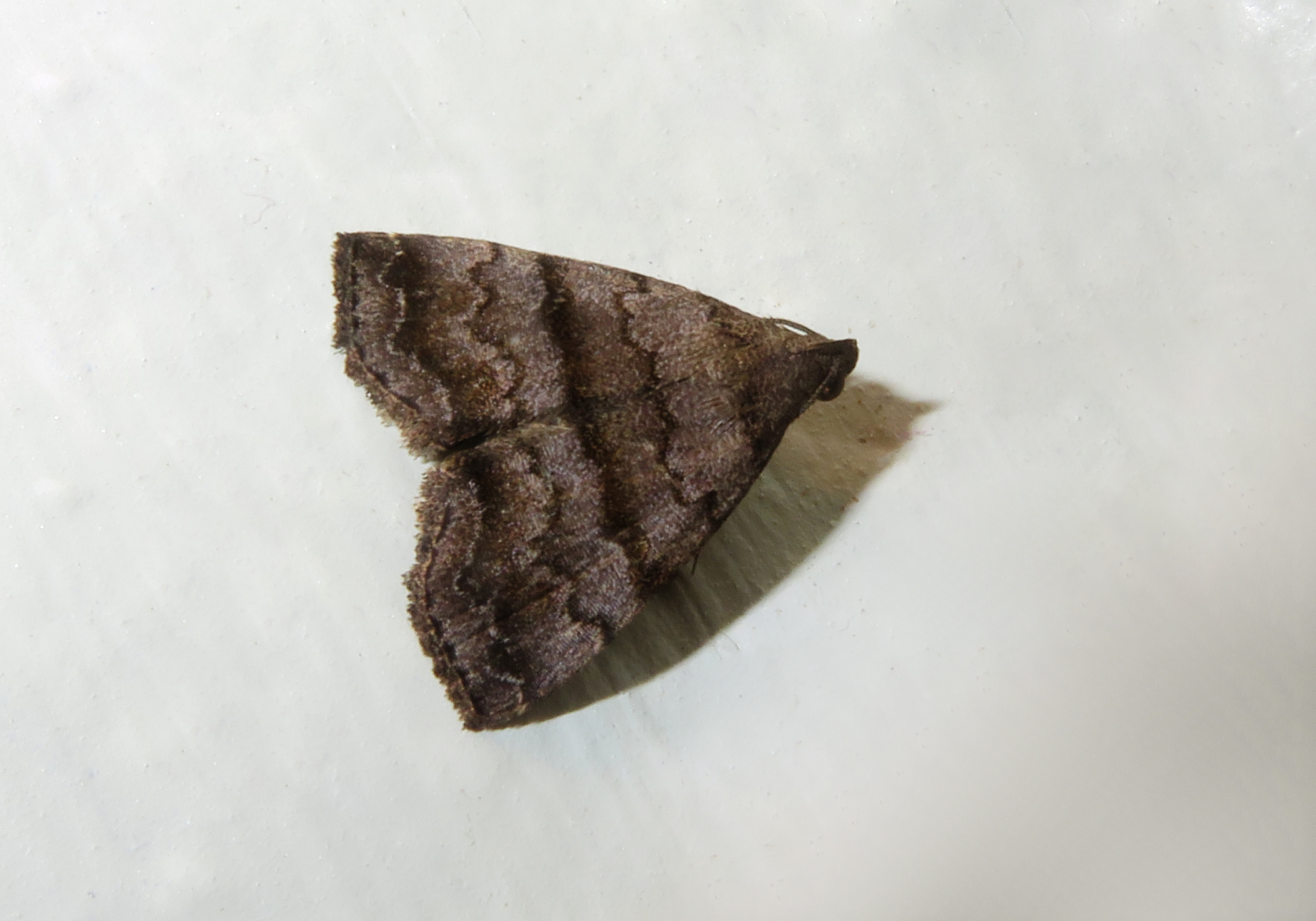
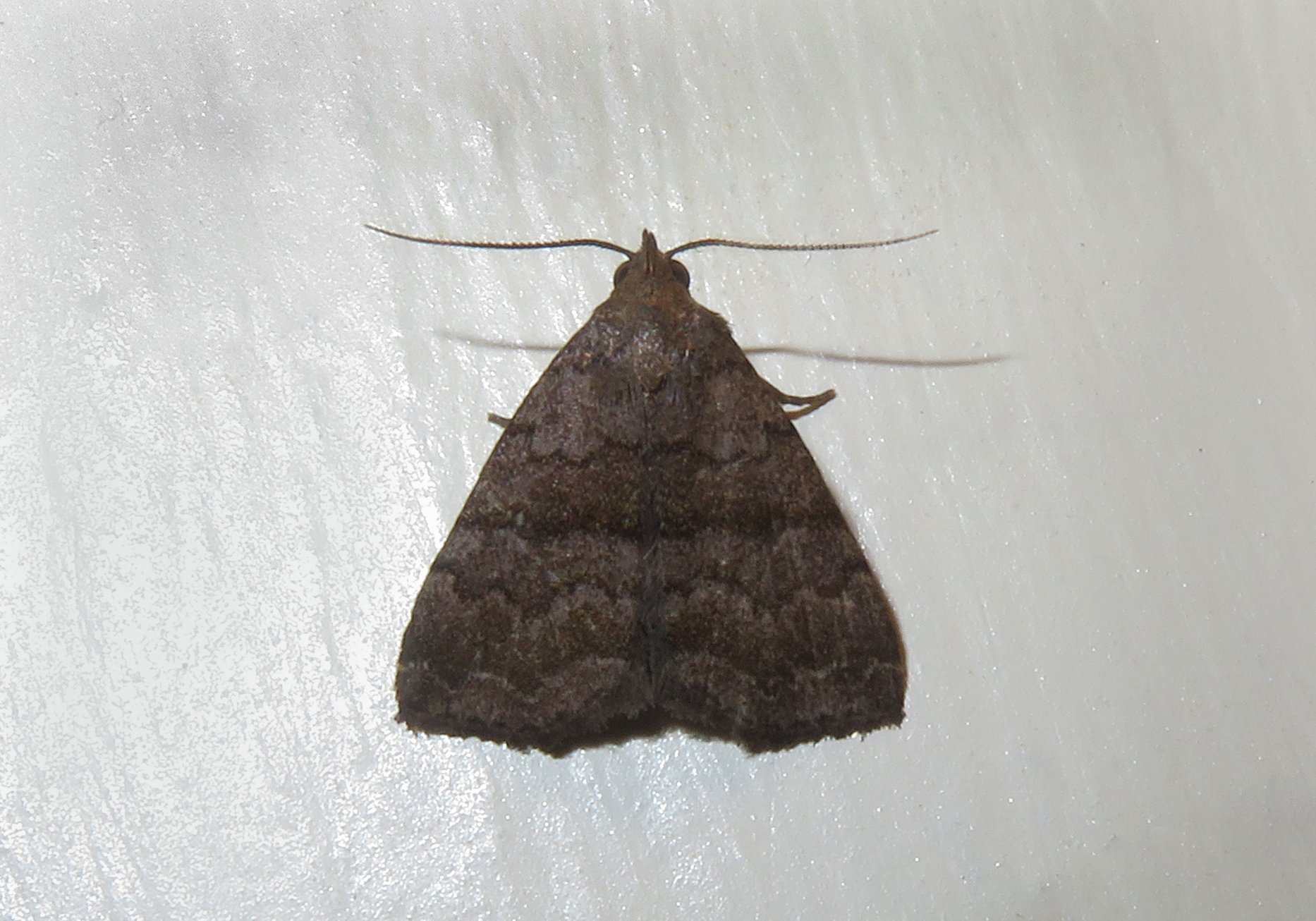
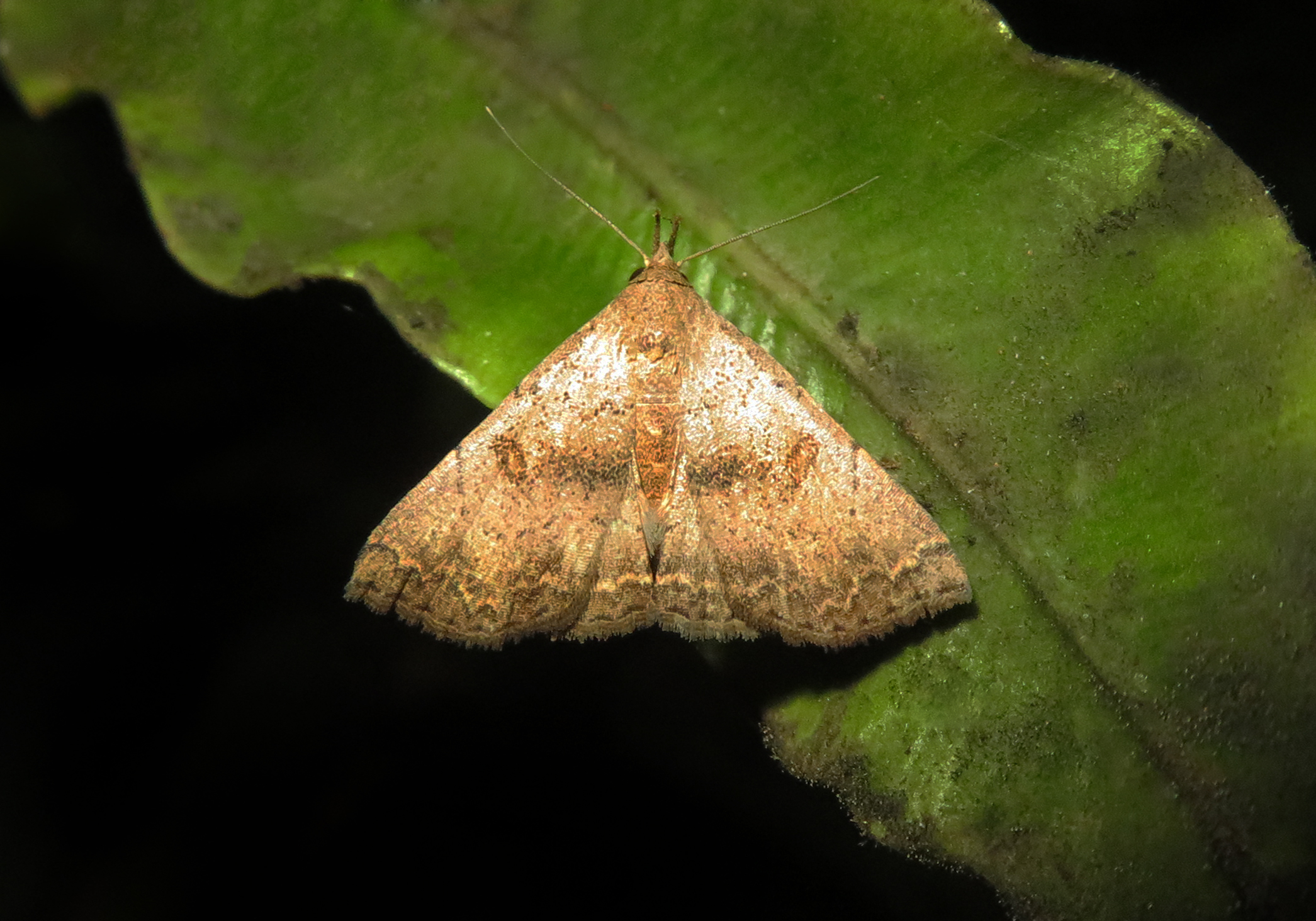
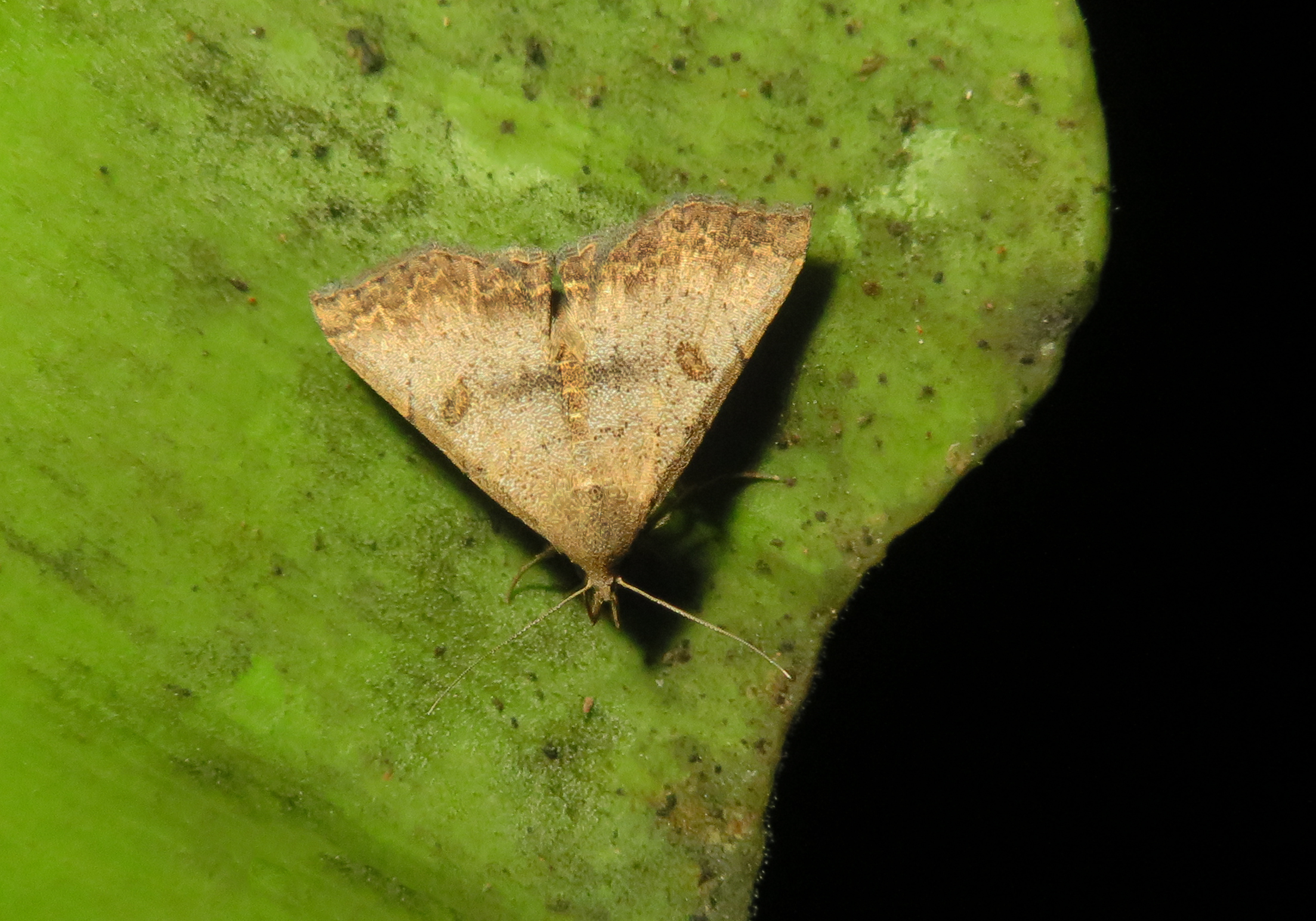
Moths of the subfamily Herminiinae are generally small to medium-sized and possess slender bodies with relatively broad wings that are usually held roof-like or flat over the body when at rest. Their coloration is predominantly cryptic, consisting of shades of brown, gray, reddish-brown, tan, or olive, often decorated with fine wavy lines, bands, or speckled markings. These patterns closely resemble dead leaves, bark, or leaf litter, providing excellent camouflage during the day.
Adults are primarily nocturnal and are frequently attracted to artificial lights. Most species possess a well-developed coiled proboscis and feed on nectar, tree sap, fermenting fruits, or other sugar-rich liquids, although some adults feed little during their relatively short lifespan. During daylight hours they typically rest among leaf litter, on tree trunks, or beneath foliage, where their cryptic coloration makes them difficult to detect.
The life cycle involves complete metamorphosis, consisting of egg, larva (caterpillar), pupa, and adult stages. Caterpillars are usually slender and feed on dead or decaying leaves, fungi, algae, lichens, or low-growing vegetation. Unlike many moth larvae that feed primarily on living plants, numerous herminiine caterpillars contribute to the decomposition of organic matter on the forest floor. Pupation generally occurs within a loose silken cocoon among leaf litter, soil, or concealed vegetation.
The subfamily includes numerous genera, such as Herminia, Hydrillodes, Zanclognatha, Nodaria, and Mecistoptera. Species vary considerably in size, wing pattern, and habitat preference, but most share adaptations for life in shaded woodland environments and among accumulated plant litter.
Ecologically, Herminiinae moths play an important role in forest ecosystems by participating in the breakdown and recycling of organic material during their larval stage. Adults contribute to nocturnal food webs and may occasionally assist in pollination while feeding. Both caterpillars and adults serve as prey for birds, bats, amphibians, reptiles, spiders, predatory insects, and parasitoids. Their close association with leaf litter and forest-floor habitats makes many herminiine moths valuable indicators of forest health, habitat quality, and ecosystem biodiversity.