Bali Wildlife
Every Spices Matter


Helicoidea is a large and diverse superfamily within the infraorder Helicoidei (Suborder Helicina, Order Stylommatophora, Superorder Eupulmonata, Class Gastropoda, Phylum Mollusca). It includes many of the most familiar terrestrial land snails, particularly those with globular, spirally coiled shells commonly encountered in forests, grasslands, agricultural fields, and gardens worldwide.
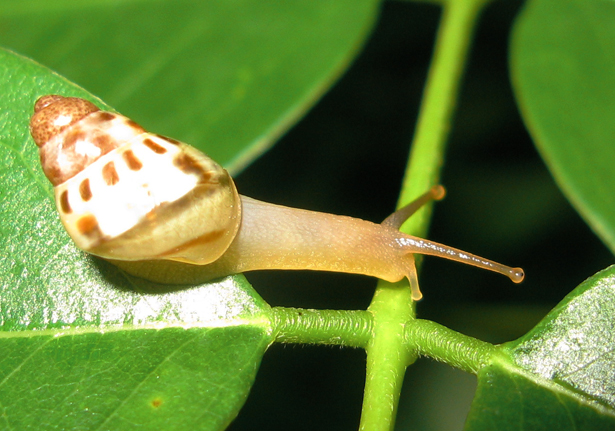
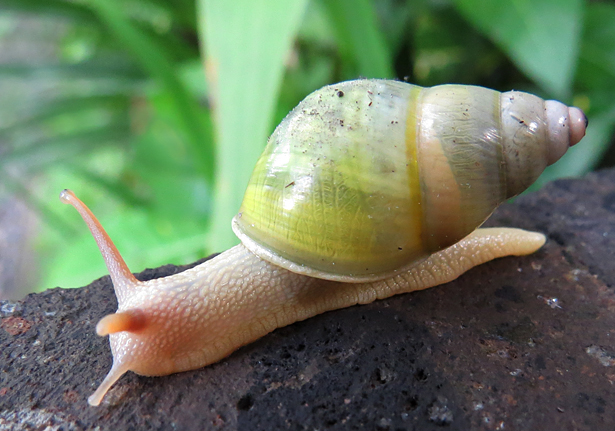
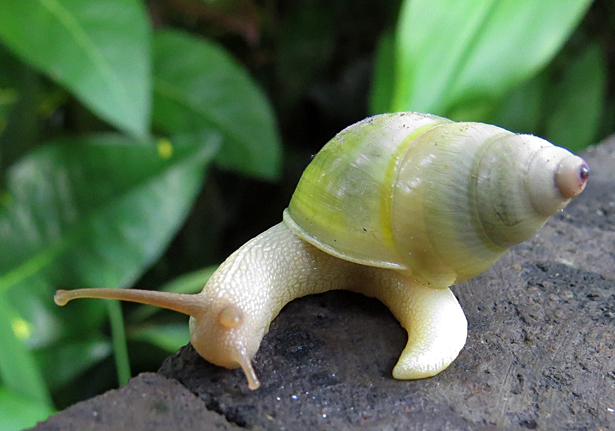
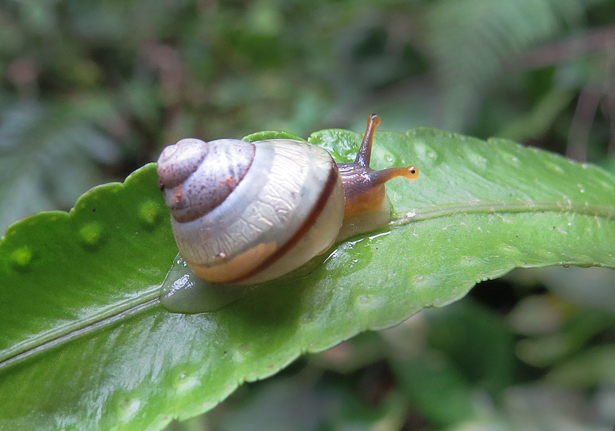
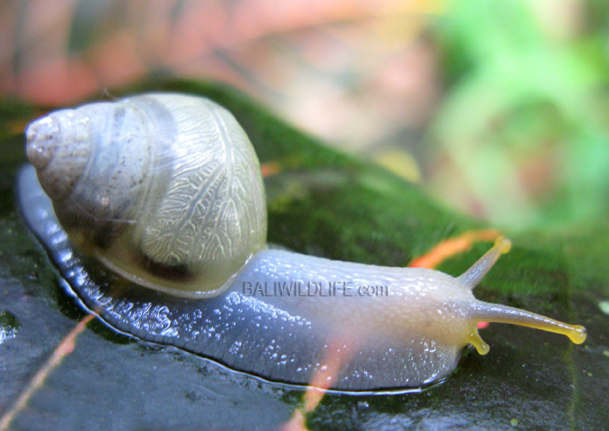
Members of Helicoidea typically possess a well-developed, helicoid (rounded and coiled) shell, often moderately large and solid. Shell surfaces may be smooth or sculptured with ribs and growth lines, and many species display banded or patterned coloration. The aperture is generally rounded to oval, sometimes with a reflected lip or internal thickening that strengthens the shell opening.
As stylommatophoran gastropods, helicoids have two pairs of retractile tentacles, with the eyes situated at the tips of the upper pair. Respiration occurs via a pulmonate lung, formed from the mantle cavity, which opens externally through a pneumostome. The muscular foot enables slow but effective movement across terrestrial substrates.
Reproduction is typically simultaneous hermaphroditic, involving internal fertilization and often complex courtship behaviors. In several helicoid lineages, mating may include the use of calcareous “love darts.” Eggs are deposited in soil or concealed microhabitats, and development is direct, without aquatic larval stages.
Ecologically, Helicoidea species function primarily as herbivores and detritivores, feeding on leaves, seedlings, fungi, and decaying plant matter. They contribute significantly to nutrient recycling and soil formation, and serve as prey for birds, mammals, reptiles, and invertebrates. Some species are agriculturally important, either as crop pests or as edible snails cultivated for food.
Superfamily Helicoidea represents a major terrestrial radiation of pulmonate gastropods, distinguished by helicoid shell morphology, reproductive specialization, and broad ecological adaptation to land environments.