Bali Wildlife
Every Spices Matter


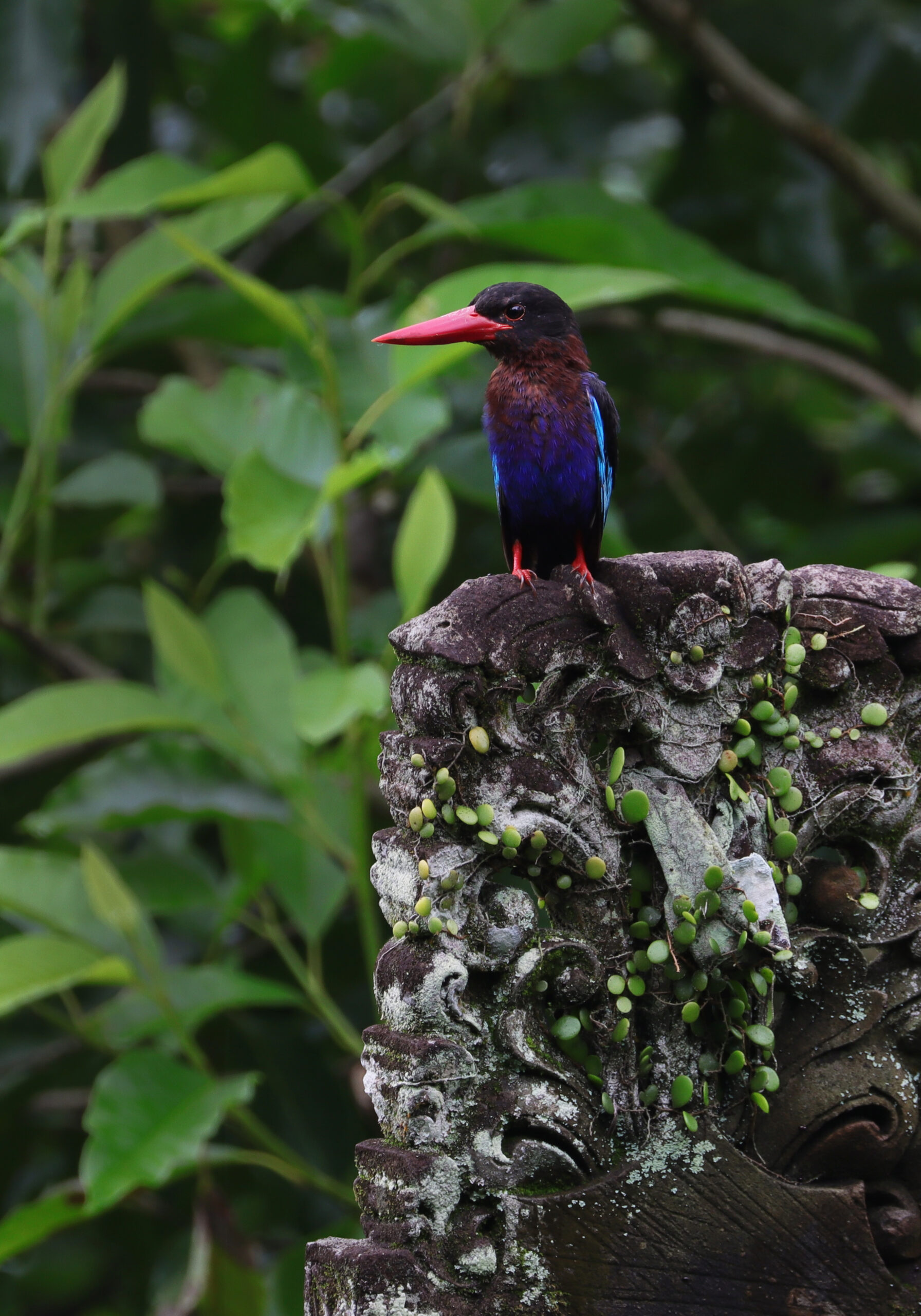
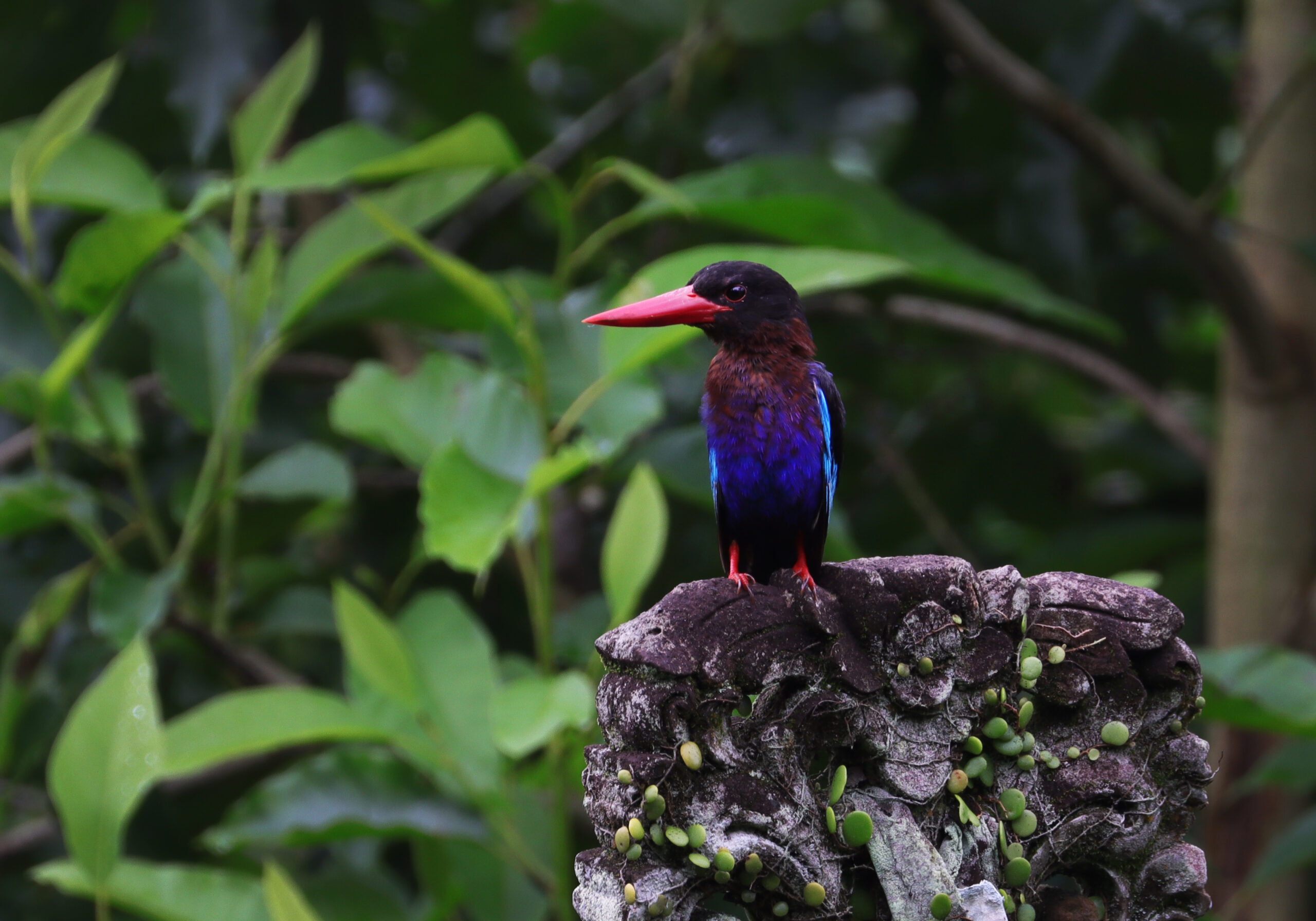
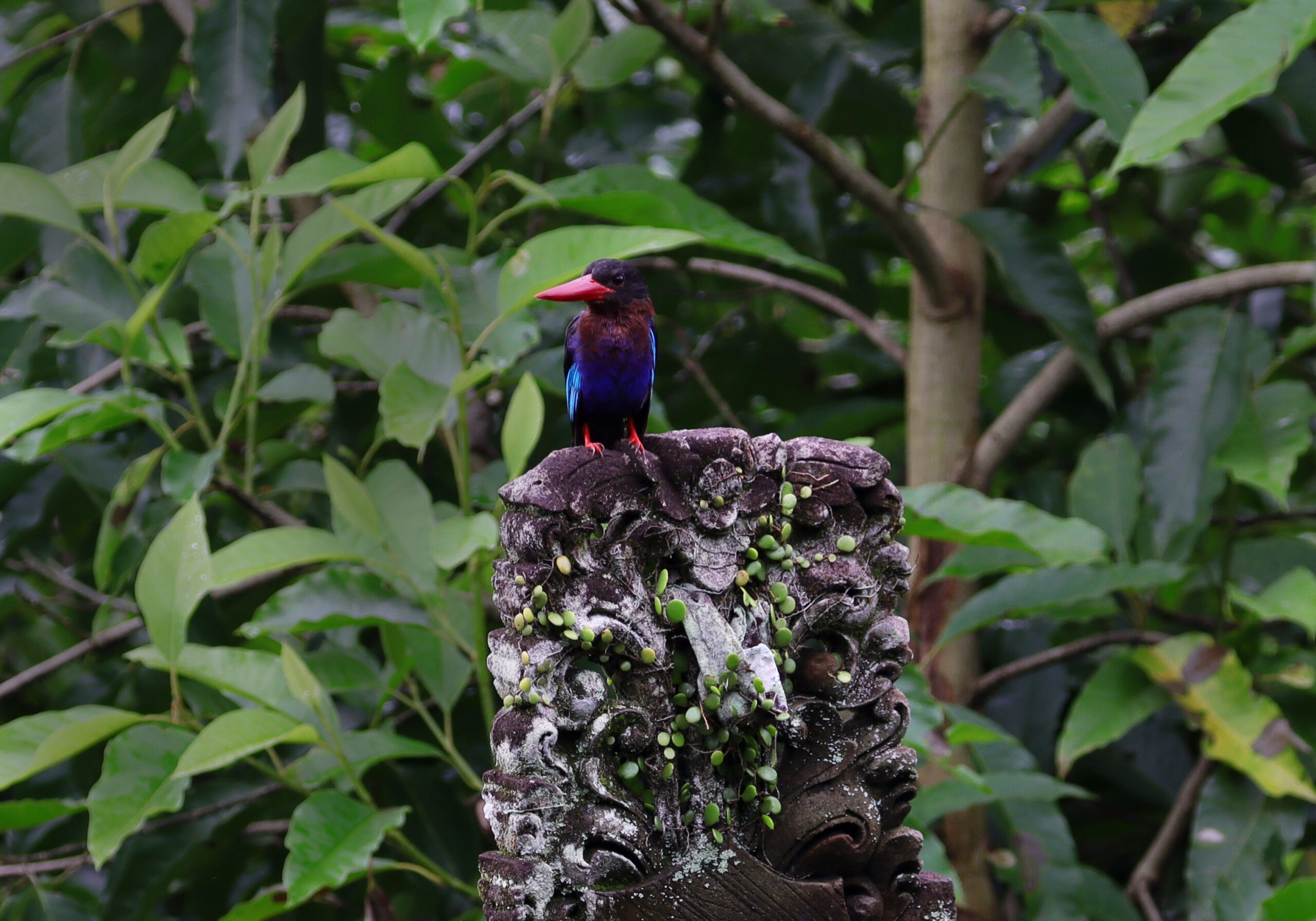
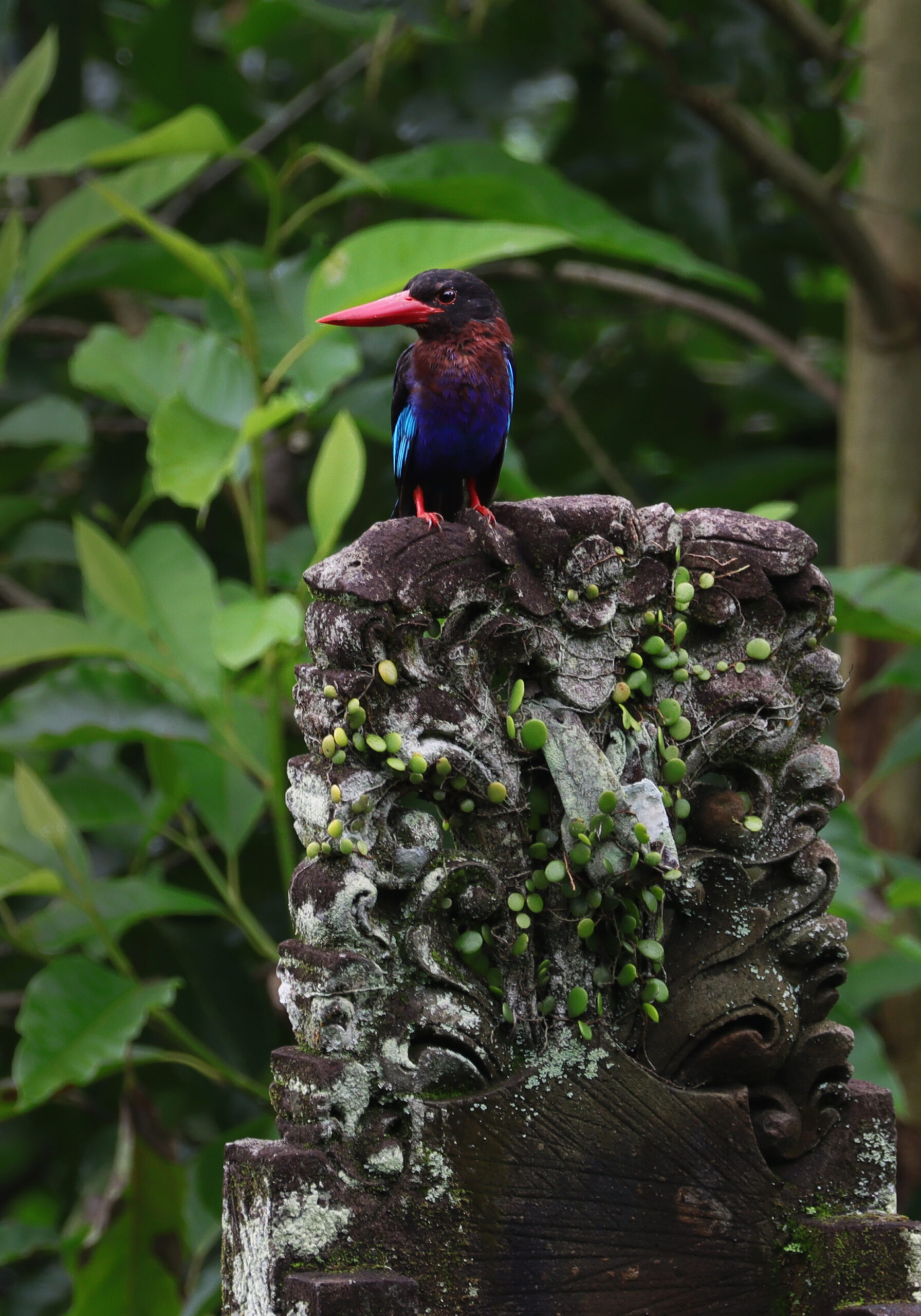
Halcyoninae is a subfamily within the family Alcedinidae (order Coraciiformes), commonly known as the tree kingfishers. This group is widely distributed across Africa, Asia, and Australasia, particularly in tropical and subtropical regions.
Unlike many river kingfishers, members of Halcyoninae are often not strictly associated with aquatic environments. Although some species may forage near water, many inhabit forests, woodlands, savannas, mangroves, coastal areas, and even open country. Their adaptability allows them to occupy a broad range of terrestrial habitats.
Tree kingfishers are typically medium-sized birds with large heads, sturdy bodies, and strong, straight bills. Their plumage is frequently bright and colorful, often featuring combinations of blue, turquoise, green, chestnut, white, and buff. As in other kingfishers, much of their blue coloration results from structural feather properties rather than pigments.
Diet varies by species but generally includes insects, small reptiles, amphibians, crustaceans, and occasionally small mammals or fish. Many species hunt by perching quietly and swooping down to capture prey on the ground or from vegetation rather than diving into water.
Halcyoninae species commonly nest in tree cavities, termite mounds, or earthen banks. Both parents usually participate in incubation and chick rearing.
Ecologically, tree kingfishers serve as important predators of insects and small vertebrates, contributing to ecosystem balance in both forested and open habitats.