Bali Wildlife
Every Spices Matter


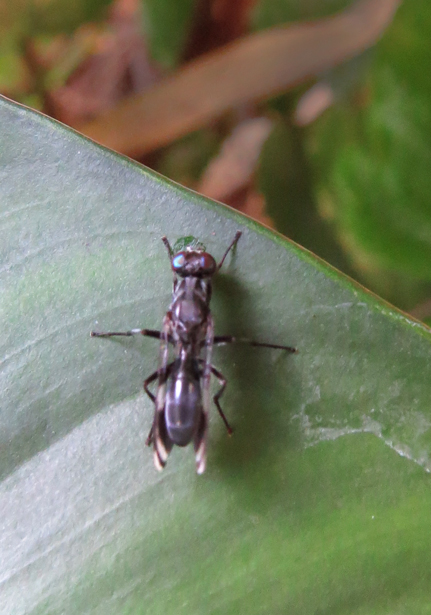
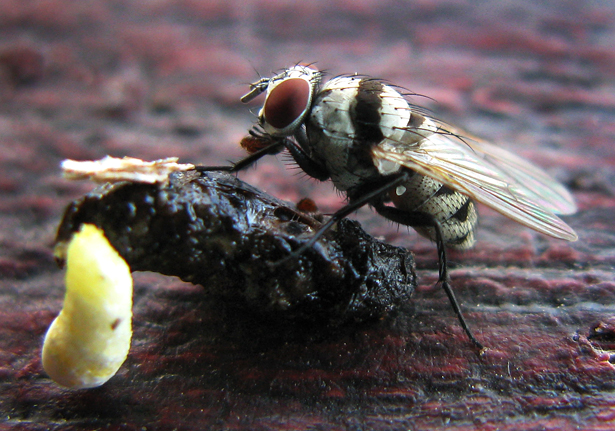
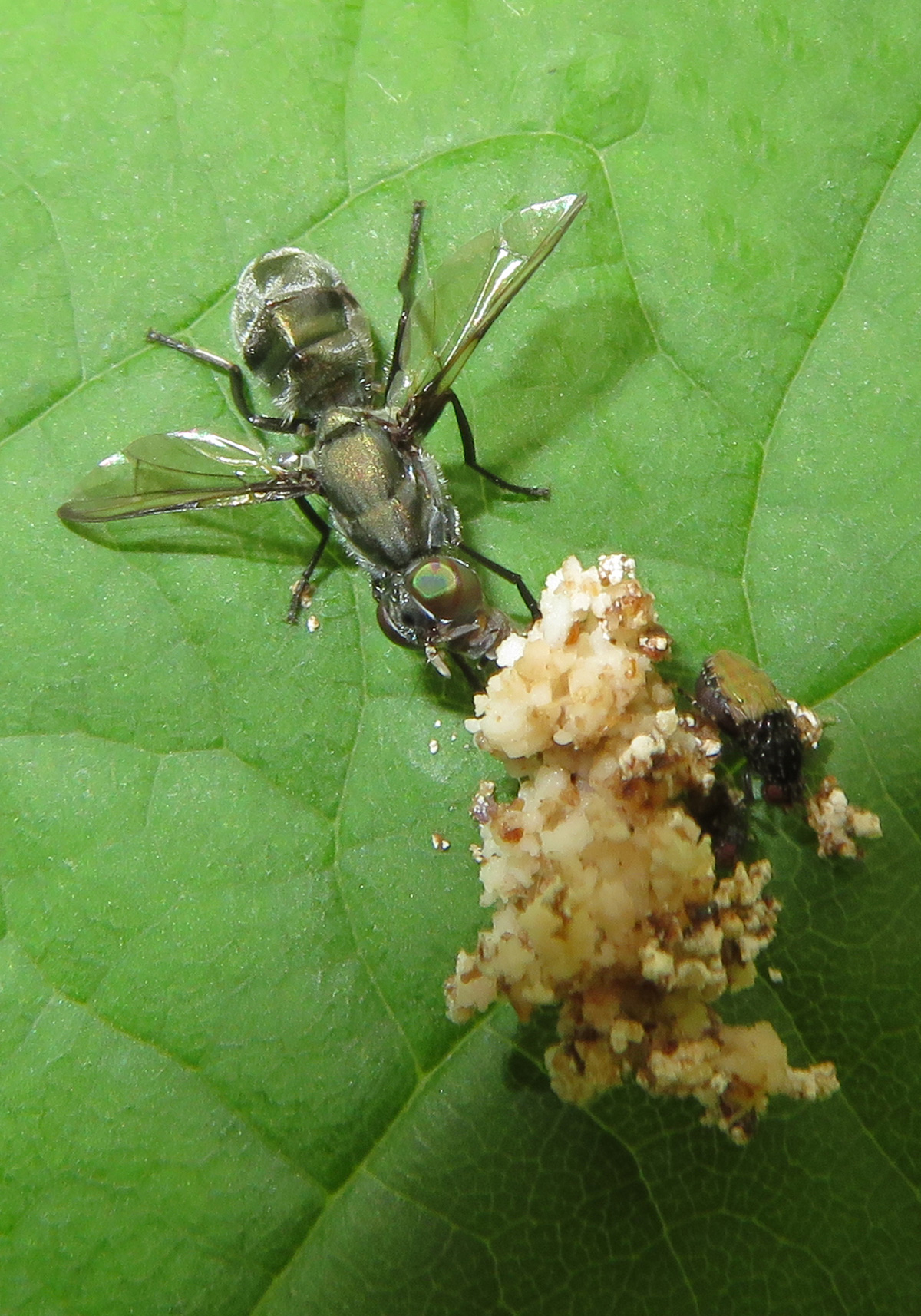
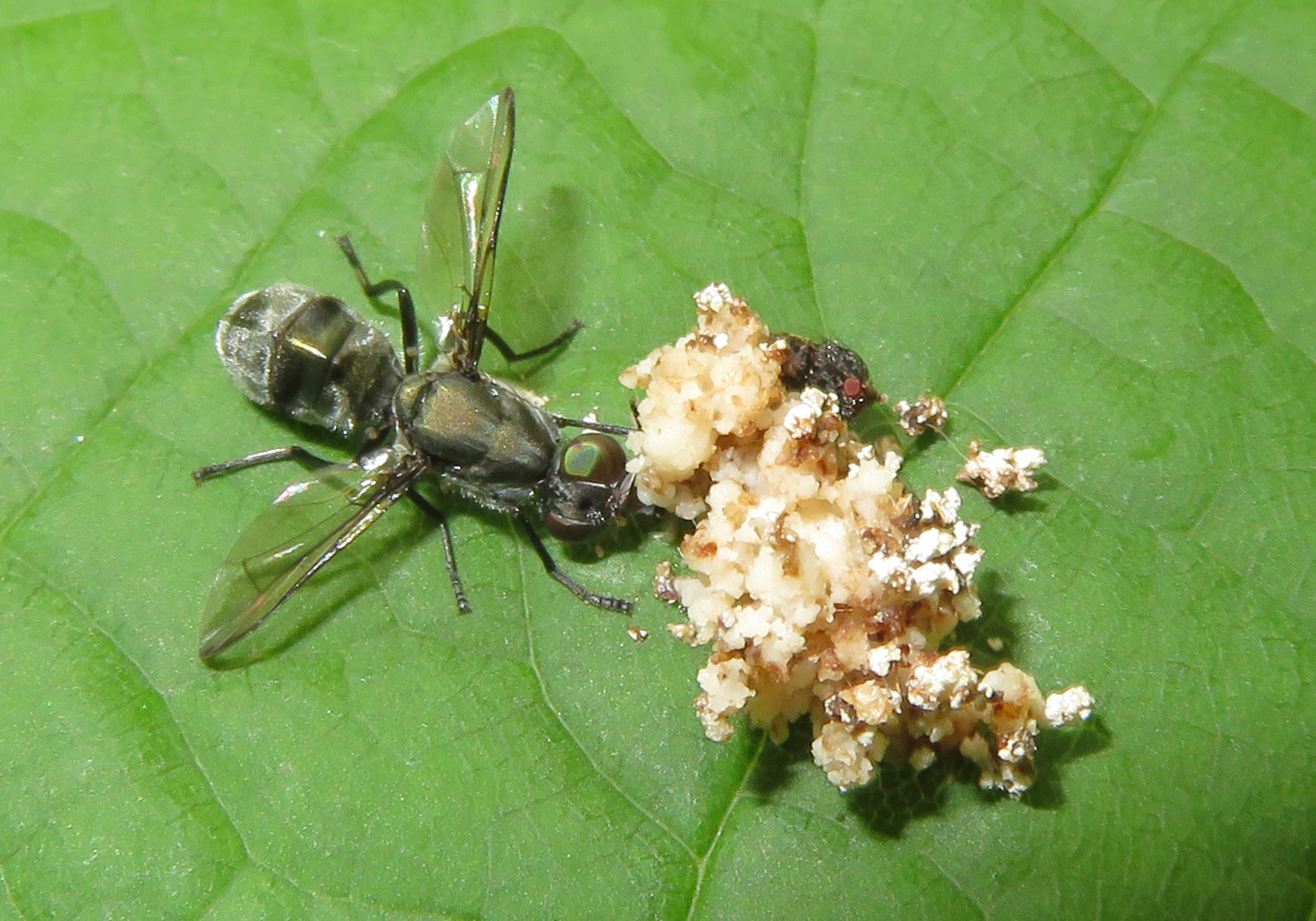
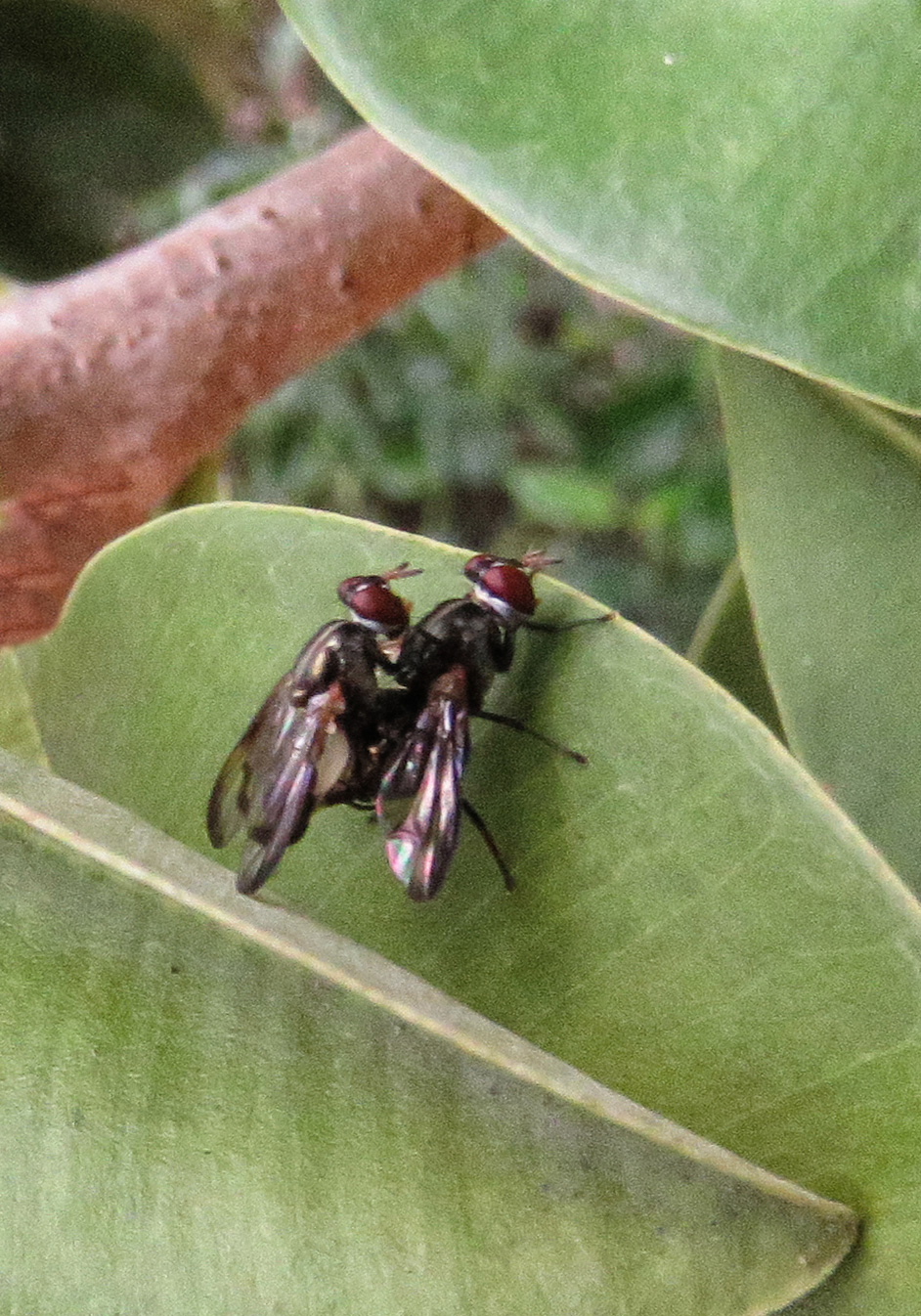
Cyclorrhapha is a highly advanced and diverse infraorder within the suborder Brachycera (Order Diptera), encompassing the majority of familiar higher flies such as house flies, fruit flies, blowflies, hoverflies, and many others. Members of this infraorder are distributed worldwide and occupy an extraordinary range of habitats, from forests and wetlands to agricultural systems and urban environments.
Cyclorrhaphan flies are distinguished by their specialized life cycle and morphological features. The name “Cyclorrhapha” refers to the circular opening through which the adult emerges from the pupal case. In this group, the larval skin hardens to form a puparium, inside which the pupa develops. The emerging adult uses an inflatable sac on the head, called the ptilinum, to break open the puparium—this structure later retracts, leaving a characteristic suture on the head.
Adults typically have a compact, well-developed body and short antennae with a prominent arista. The head is often large, with well-developed compound eyes. As in all Diptera, only one pair of wings is functional, while the hind wings are reduced to halteres for balance during flight.
Cyclorrhapha undergo complete metamorphosis, with egg, larval, pupal, and adult stages. Larvae are usually legless maggots with a highly reduced head capsule, adapted to a wide variety of feeding environments, including decaying organic matter, plant tissues, animal hosts, or as predators. This diversity in larval ecology is a key factor in the evolutionary success of the group.
The infraorder includes numerous ecologically and economically important families, such as Muscidae (house flies), Calliphoridae (blowflies), Drosophilidae (fruit flies), and Syrphidae (hoverflies). These families exhibit a wide range of feeding strategies, including decomposition, parasitism, predation, and pollination.
Ecologically, Cyclorrhapha plays a crucial role in nutrient recycling, pollination, and population control of other organisms. Some species are beneficial, such as pollinating hoverflies or decomposer blowflies, while others are of medical or agricultural importance as pests or disease vectors. The group represents one of the most evolutionarily advanced and ecologically significant lineages within Diptera.