Bali Wildlife
Every Spices Matter


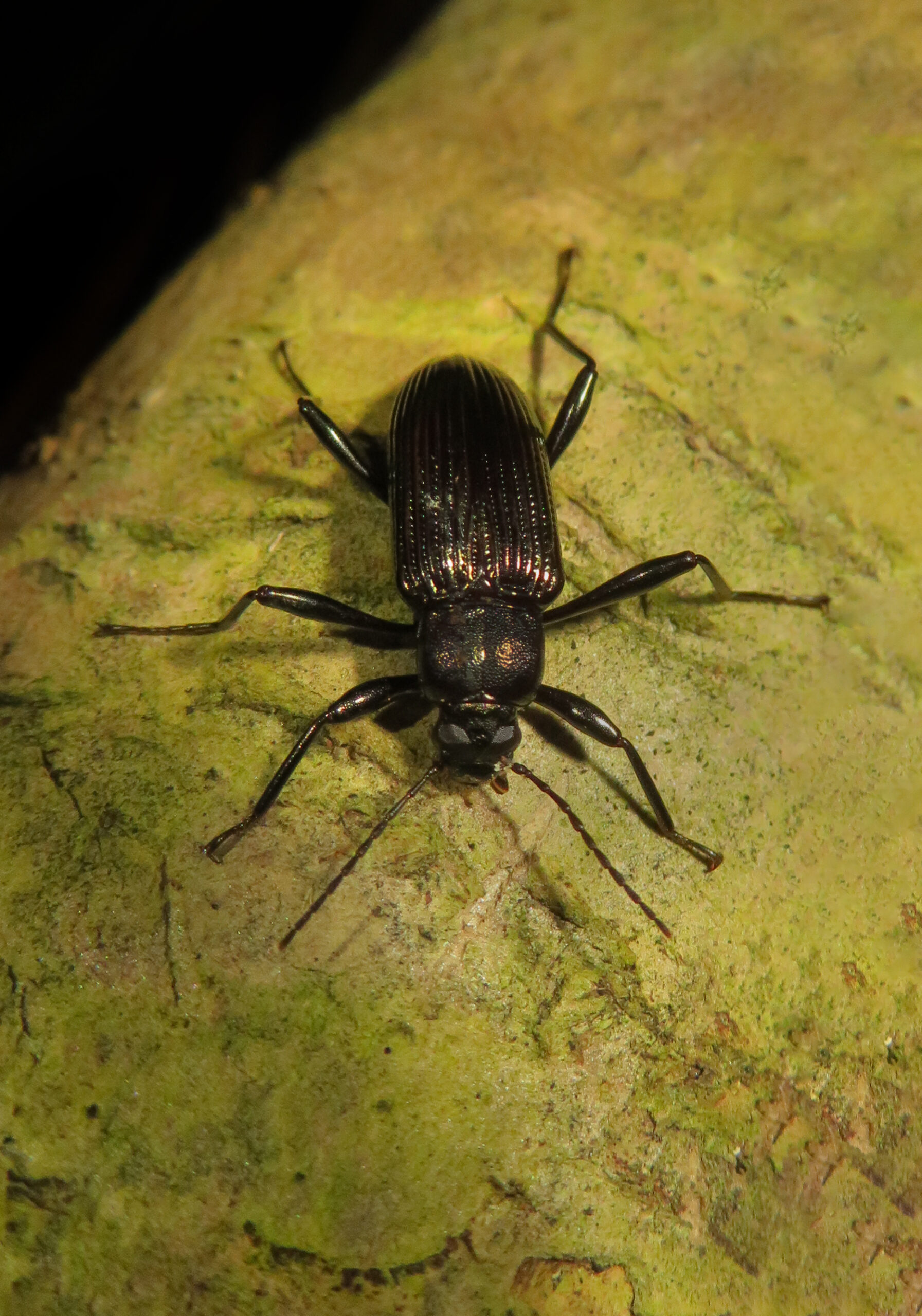
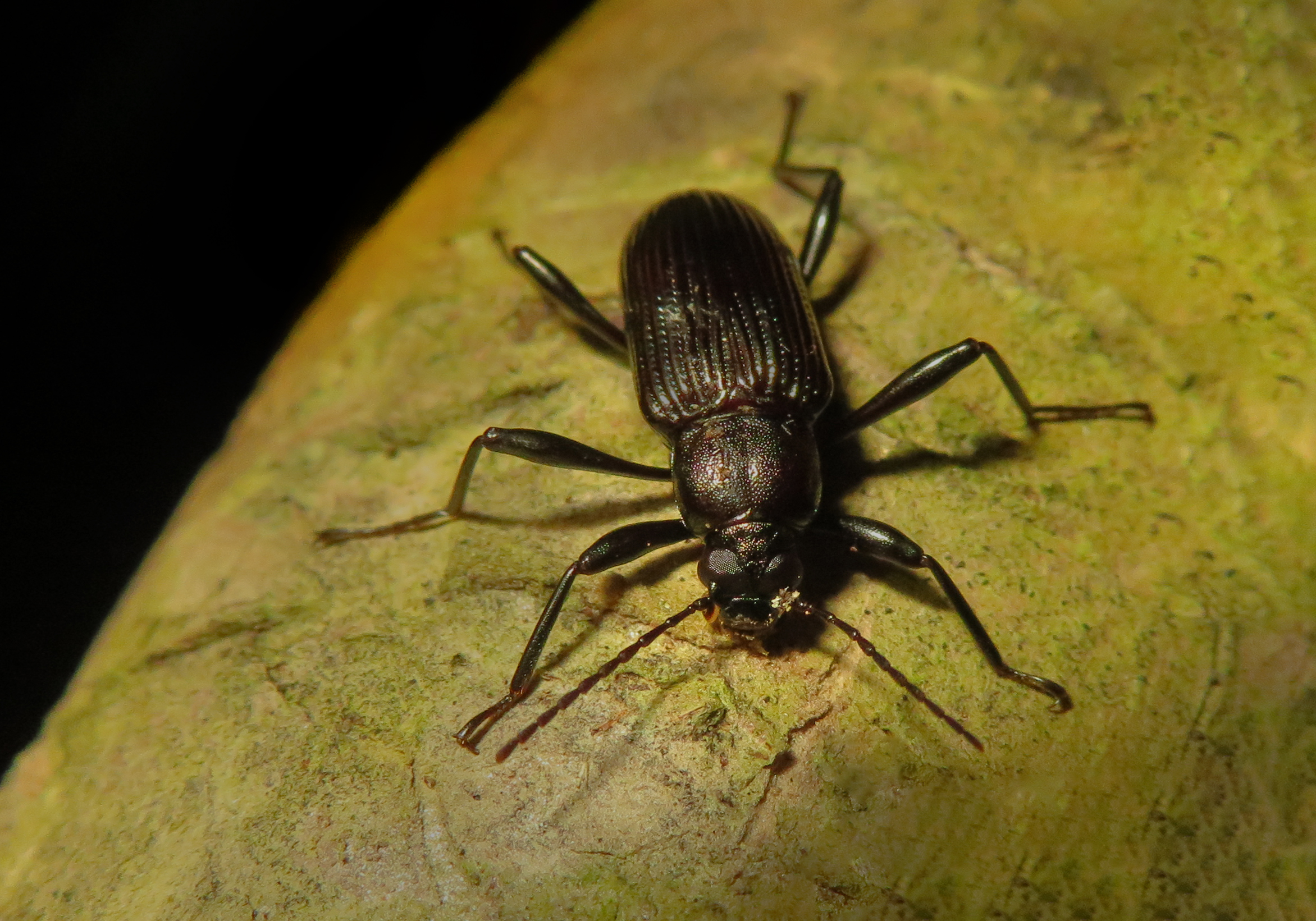
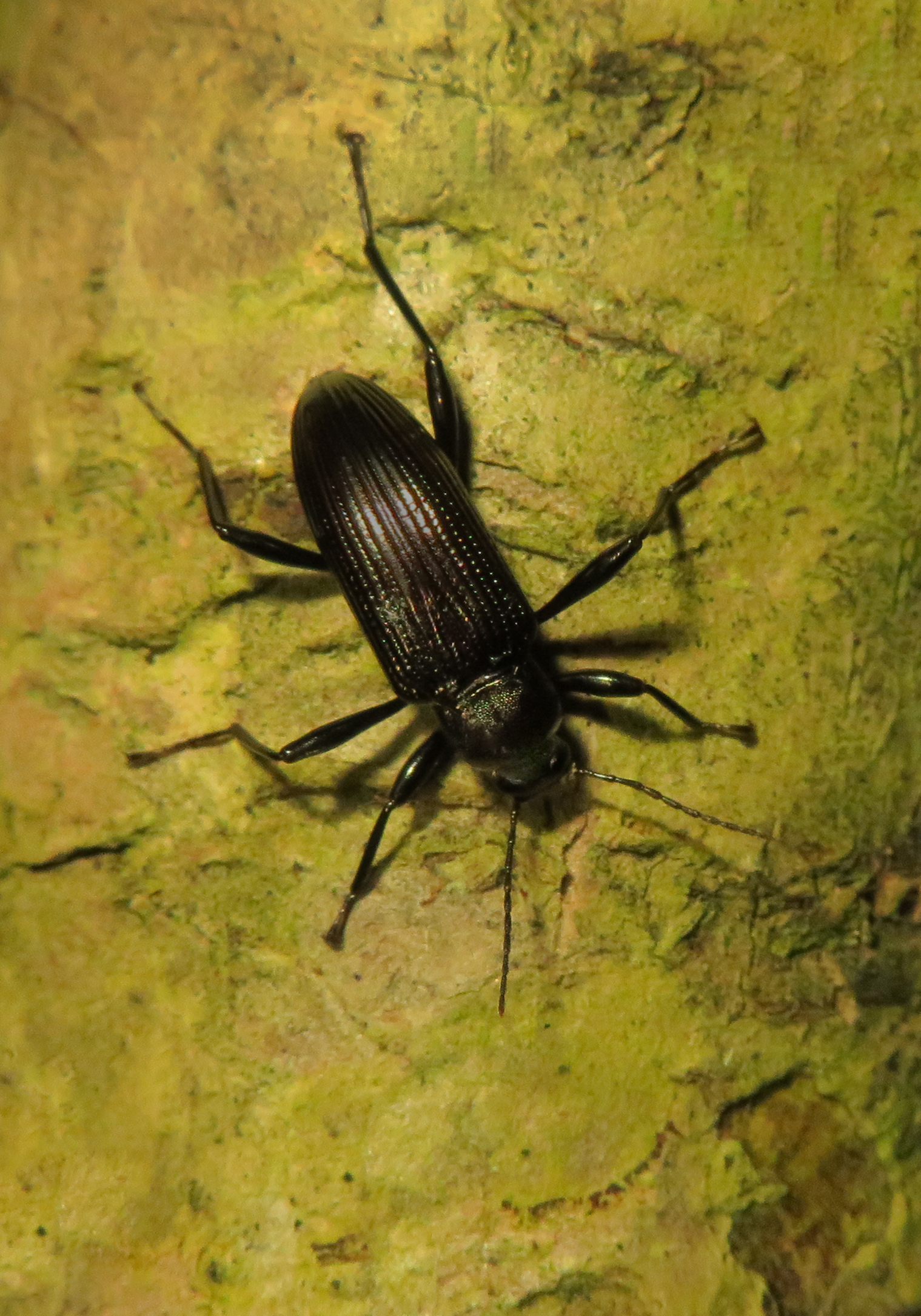
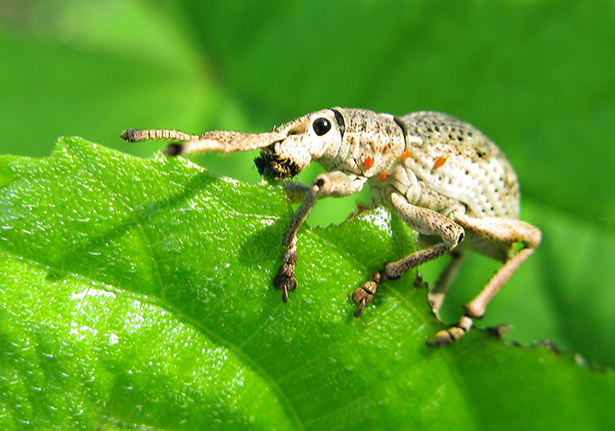
Cucujiformia is a large and highly diverse infraorder within the suborder Polyphaga (Order Coleoptera). It comprises many of the most familiar and species-rich beetle groups, with members distributed worldwide across nearly all terrestrial habitats. This infraorder includes a wide range of ecologically and economically important beetles.
Beetles of Cucujiformia are generally characterized by their predominantly phytophagous (plant-feeding) habits, although fungivory, detritivory, and predation also occur in some lineages. Adults typically possess well-developed chewing mouthparts, and many groups show close associations with specific host plants. Larvae are equally diverse in form and lifestyle, ranging from leaf feeders and wood borers to seed feeders and root feeders.
Morphologically, Cucujiformia exhibits considerable variation, but members often share traits such as relatively simple, unspecialized prothoraces, flexible antennae with diverse shapes (filiform, serrate, clavate, or lamellate), and elytra that usually fully cover the abdomen. The tarsal formula is variable but frequently appears pseudotetramerous (appearing 4-4-4 due to a reduced segment).
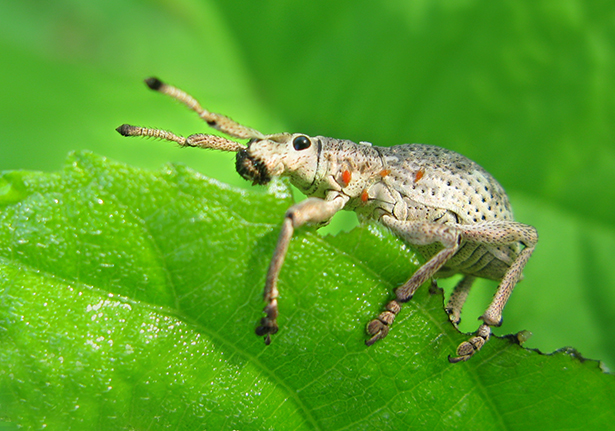
Major superfamilies within Cucujiformia include Chrysomeloidea, Curculionoidea, Tenebrionoidea, Cleroidea, and Cucujoidea, encompassing families such as Chrysomelidae (leaf beetles), Curculionidae (true weevils), Tenebrionidae (darkling beetles), and Cleridae (checkered beetles). Many of these groups have undergone extensive adaptive radiation in association with flowering plants.
Ecologically, Cucujiformia plays a central role in terrestrial ecosystems, particularly in plant–insect interactions. While some species are significant agricultural pests, others are beneficial as pollinators, decomposers, or biological control agents. The immense diversity and ecological breadth of Cucujiformia make it one of the most evolutionarily successful lineages within the beetles.