Bali Wildlife
Every Spices Matter


Crambidae is a large and diverse family of moths within the superfamily Pyraloidea (Order Lepidoptera), commonly known as crambid moths or grass moths. The family comprises more than 10,000 described species worldwide and is distributed on every continent except Antarctica. Members inhabit a wide variety of ecosystems, including tropical rainforests, temperate forests, grasslands, wetlands, agricultural fields, gardens, and urban environments.
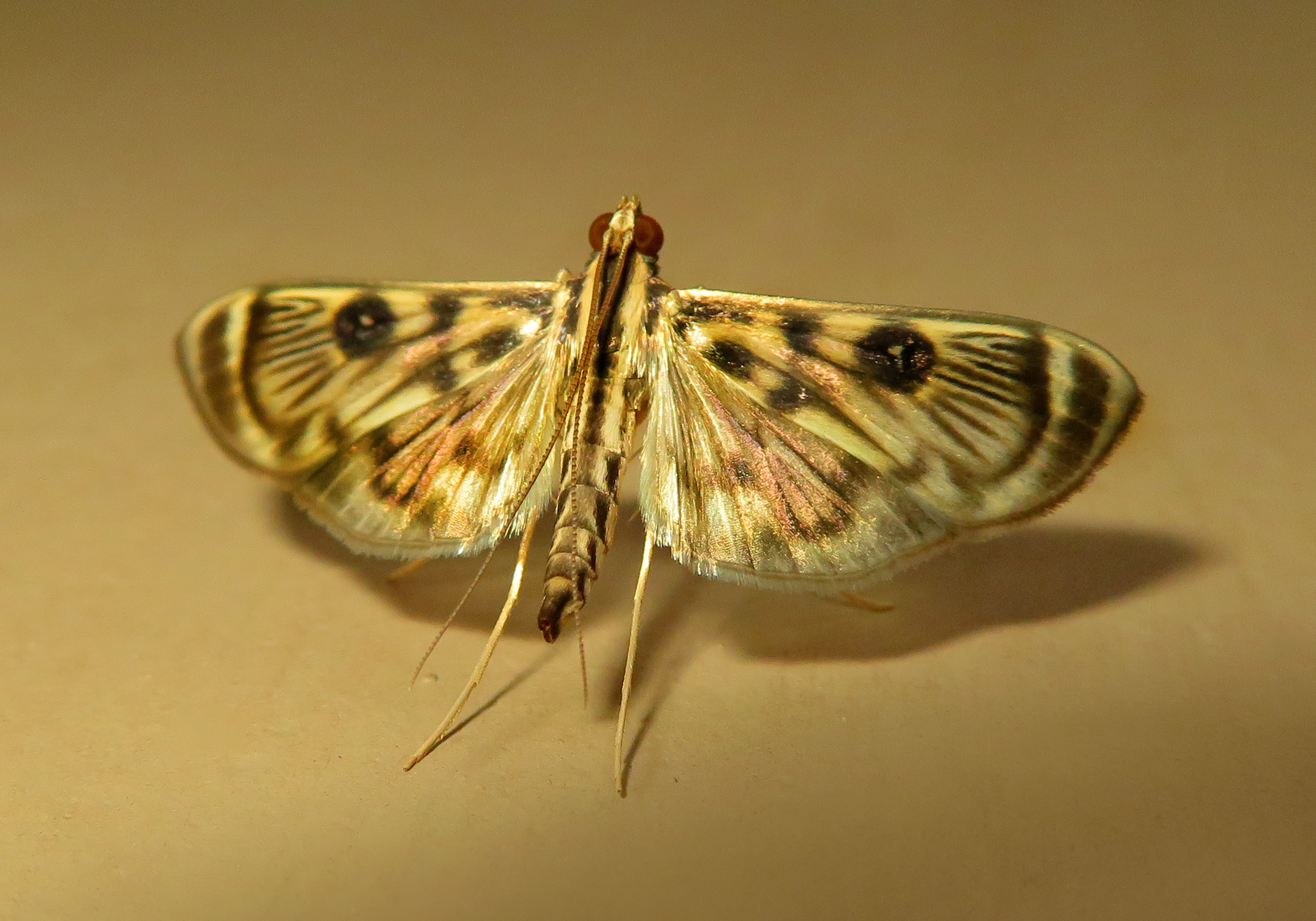
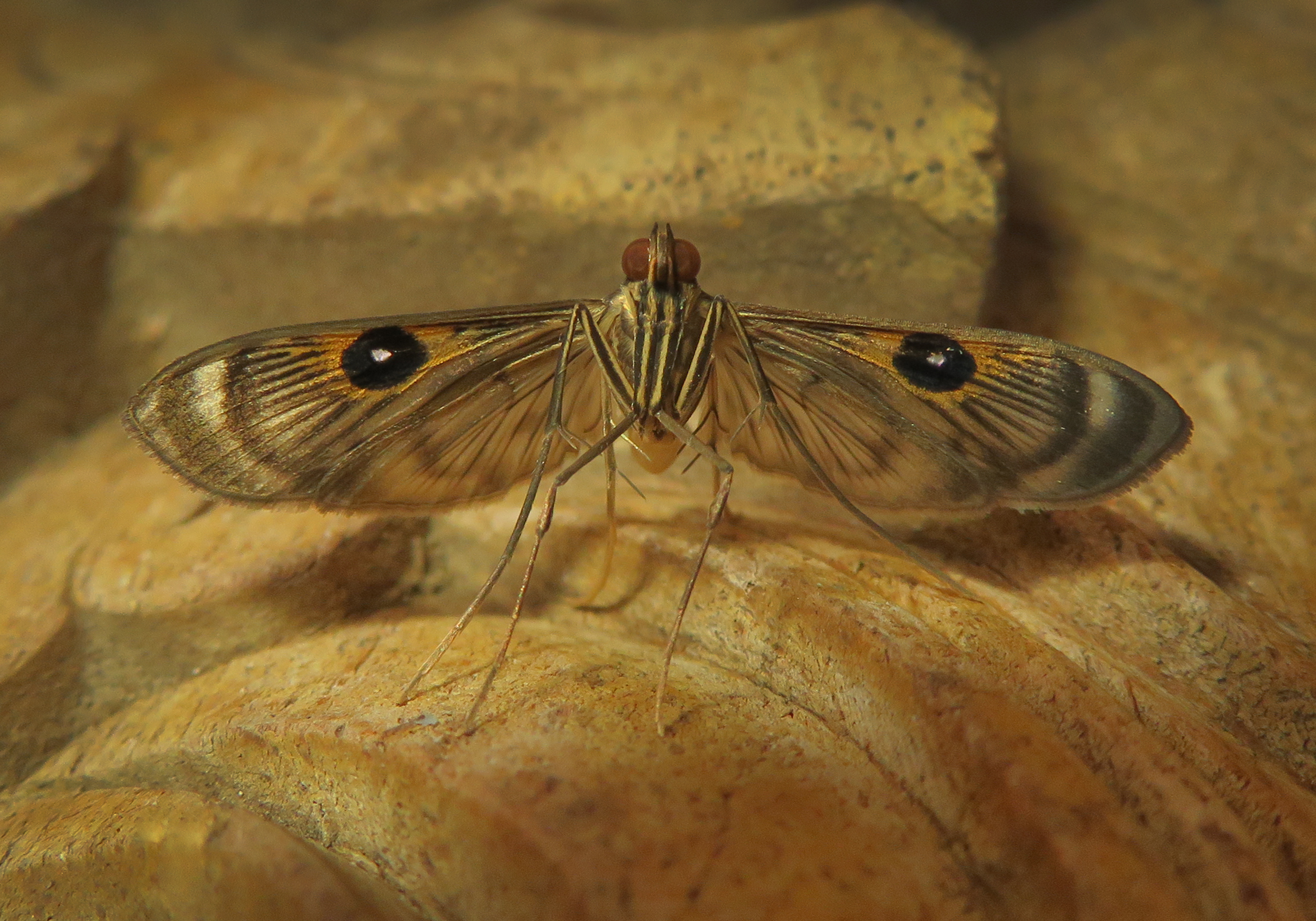
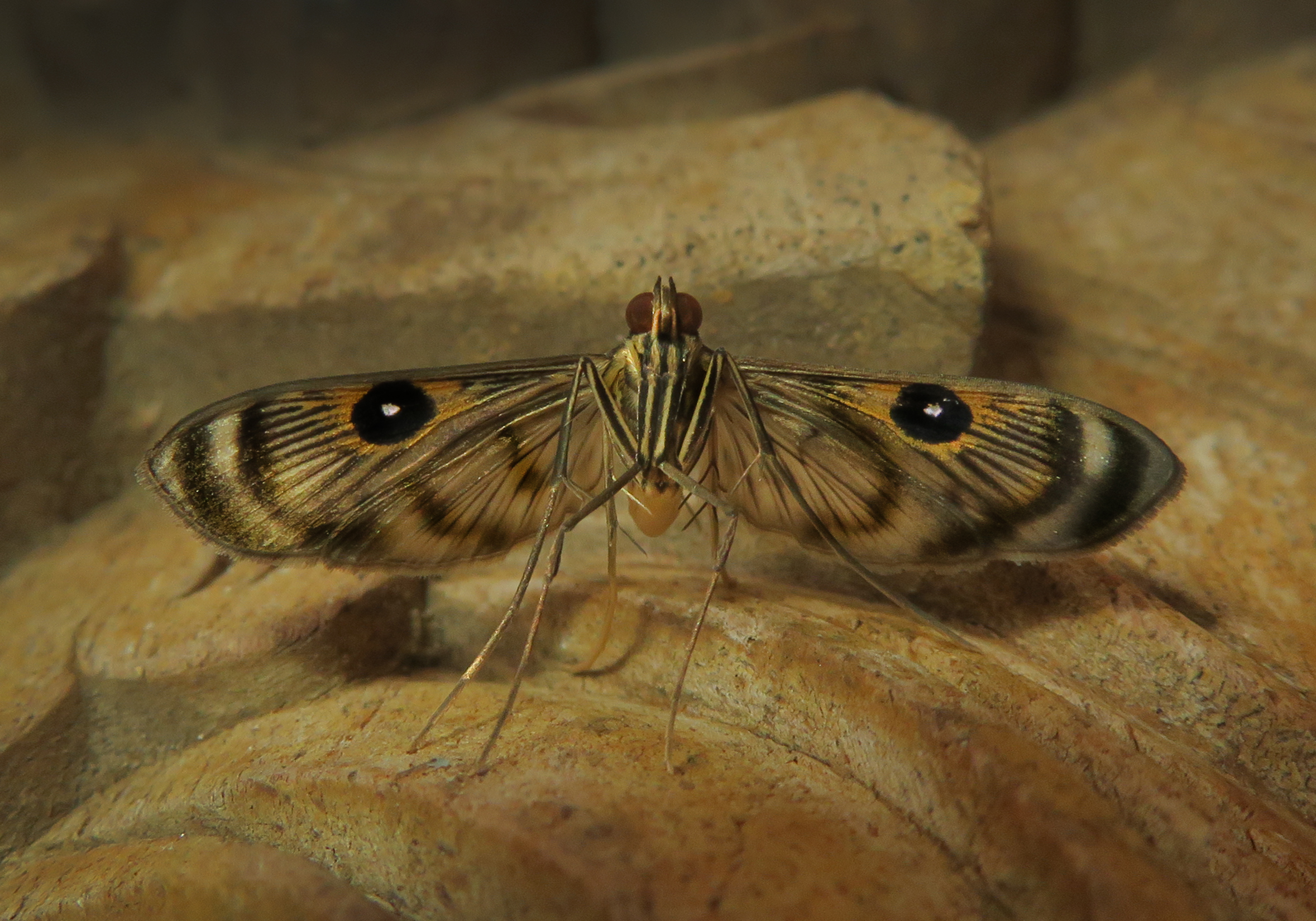
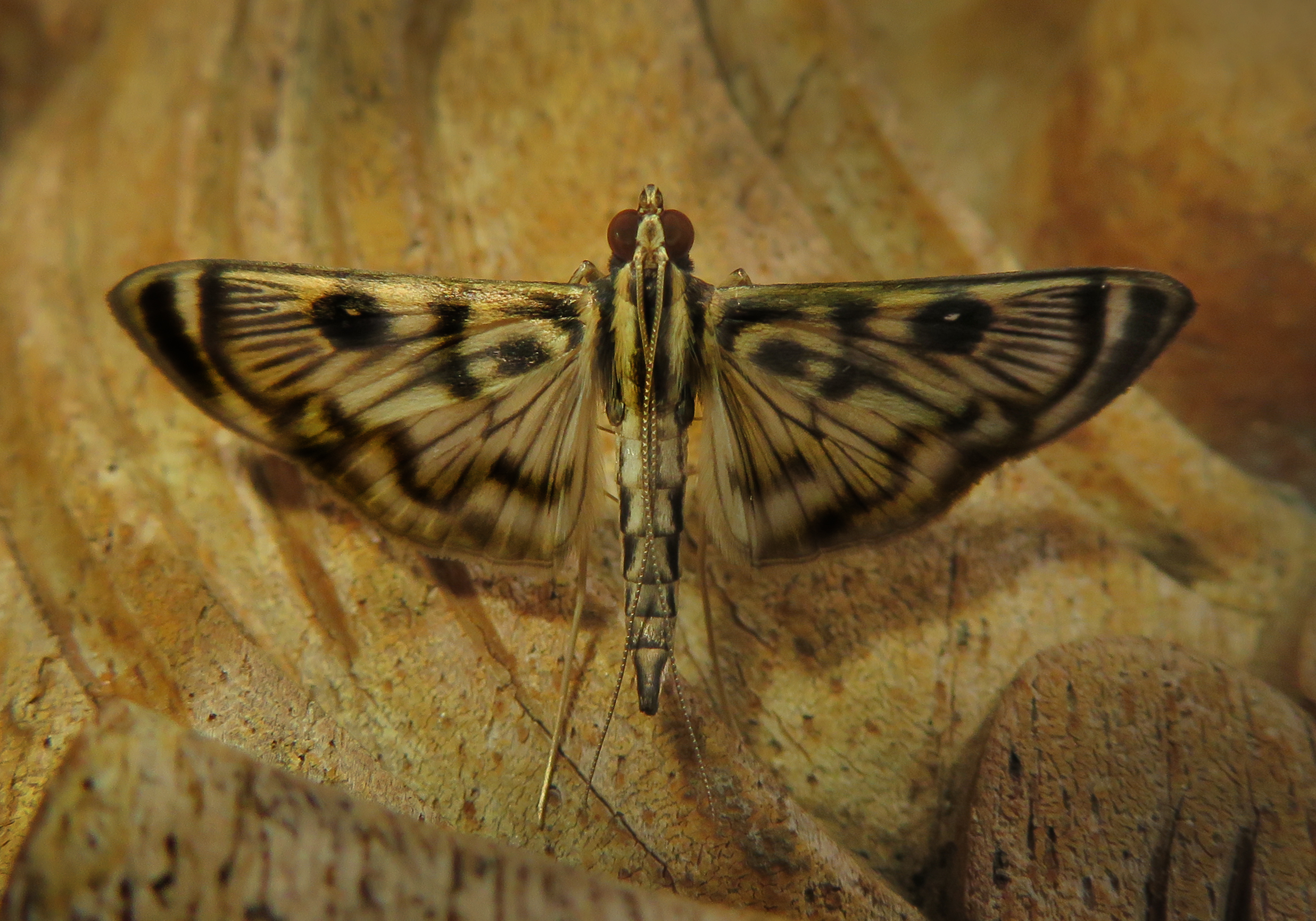
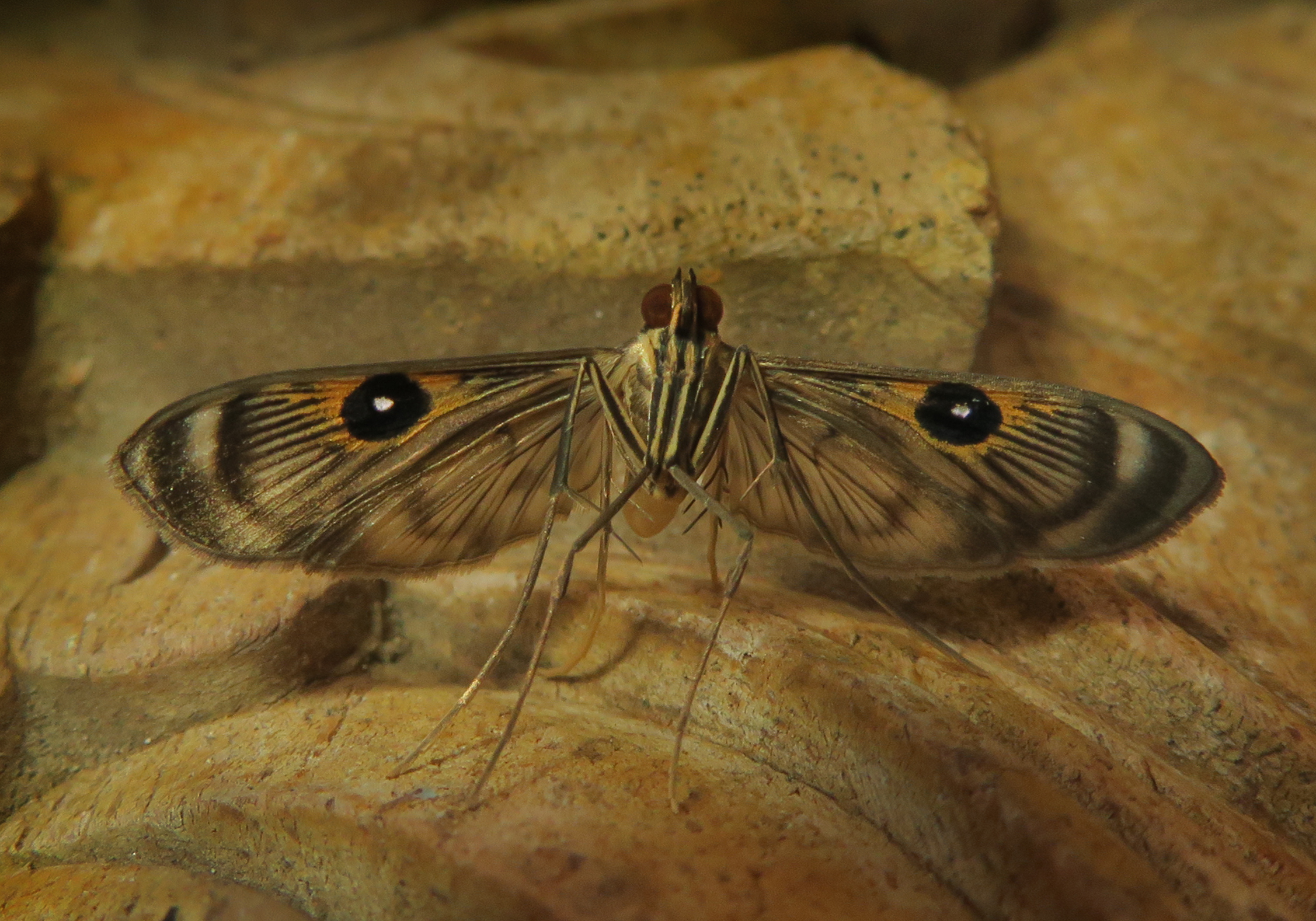
Crambid moths are generally small to medium-sized and are characterized by slender bodies and narrow wings that are usually held roof-like over the body when at rest. Many species possess elongated labial palps that project forward from the head, giving them a distinctive “snout-like” appearance. Wing coloration ranges from cryptic shades of brown, gray, and cream to species displaying bright yellow, orange, metallic, or iridescent markings.
Adults are primarily nocturnal, although some species are active during the day or at dusk. Most possess a well-developed proboscis and feed on nectar and other sugary fluids, contributing to the pollination of flowering plants.
The life cycle involves complete metamorphosis, consisting of egg, larva (caterpillar), pupa, and adult stages. Caterpillars exhibit remarkable ecological diversity. Many species feed on grasses, sedges, and other herbaceous plants, while others consume leaves, stems, flowers, fruits, seeds, or roots of shrubs and trees. Some larvae are stem borers, leaf rollers, or web builders, whereas several species have evolved to live in aquatic or semi-aquatic habitats, feeding on submerged plants.
The family includes numerous subfamilies, such as Spilomelinae, Crambinae, Pyraustinae, Acentropinae, and Glaphyriinae, representing a wide array of ecological adaptations. Several species are economically important pests of crops including rice, maize, sugarcane, sorghum, and vegetables, while others are beneficial as pollinators or as biological control agents of invasive plants.
Ecologically, Crambidae moths play vital roles as herbivores, pollinators, and prey within terrestrial and freshwater ecosystems. Their caterpillars contribute to plant–herbivore interactions and nutrient cycling, while both larvae and adults provide food for birds, bats, reptiles, amphibians, spiders, and predatory insects. Their remarkable diversity and broad ecological roles make Crambidae one of the largest and most significant families of moths worldwide.