Bali Wildlife
Every Spices Matter


Centropodinae is a subfamily within the family Cuculidae (order Cuculiformes) that comprises the coucals, primarily classified under the genus Centropus. Unlike many other cuckoos, members of Centropodinae are generally non-brood parasitic and build their own nests.
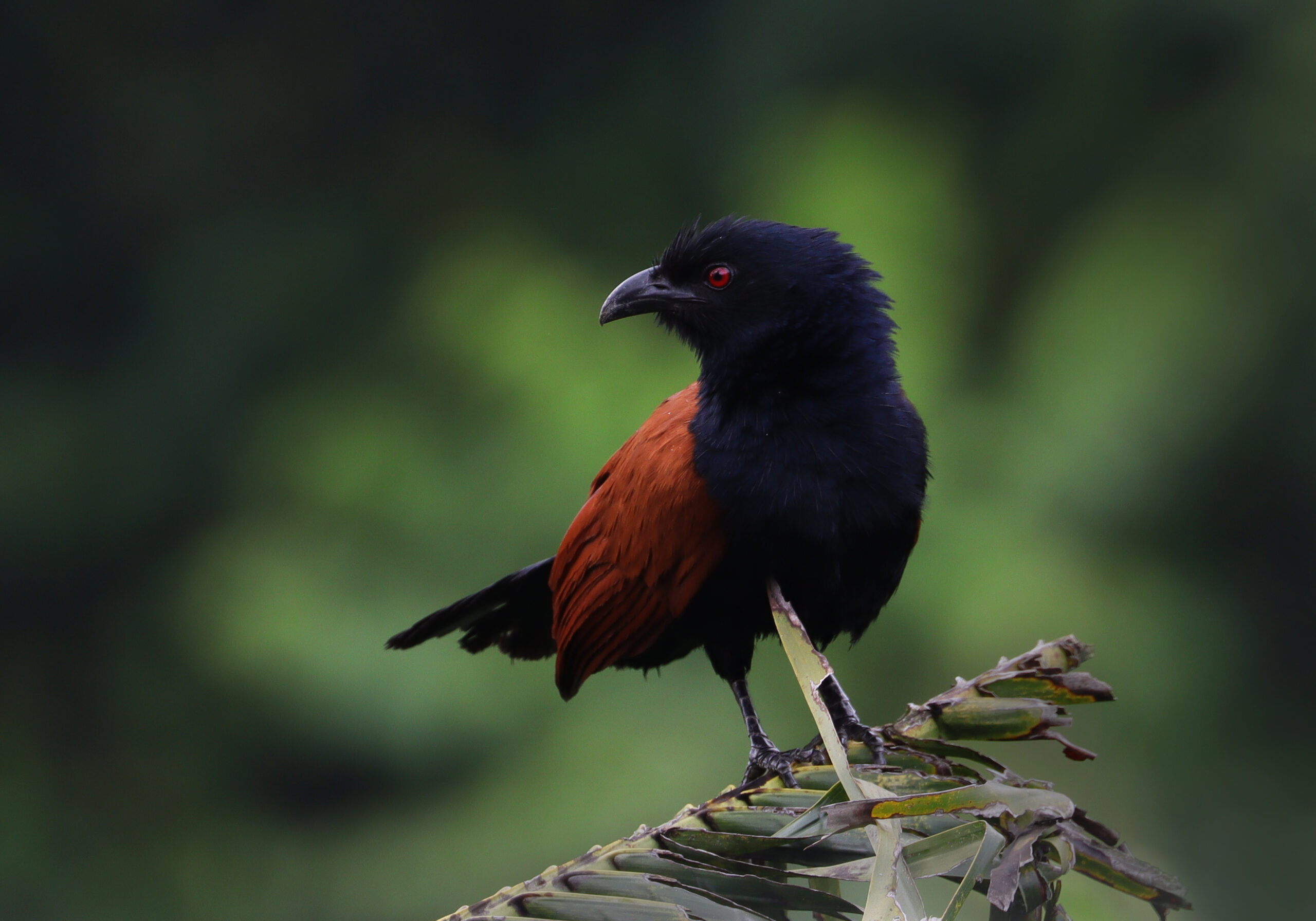
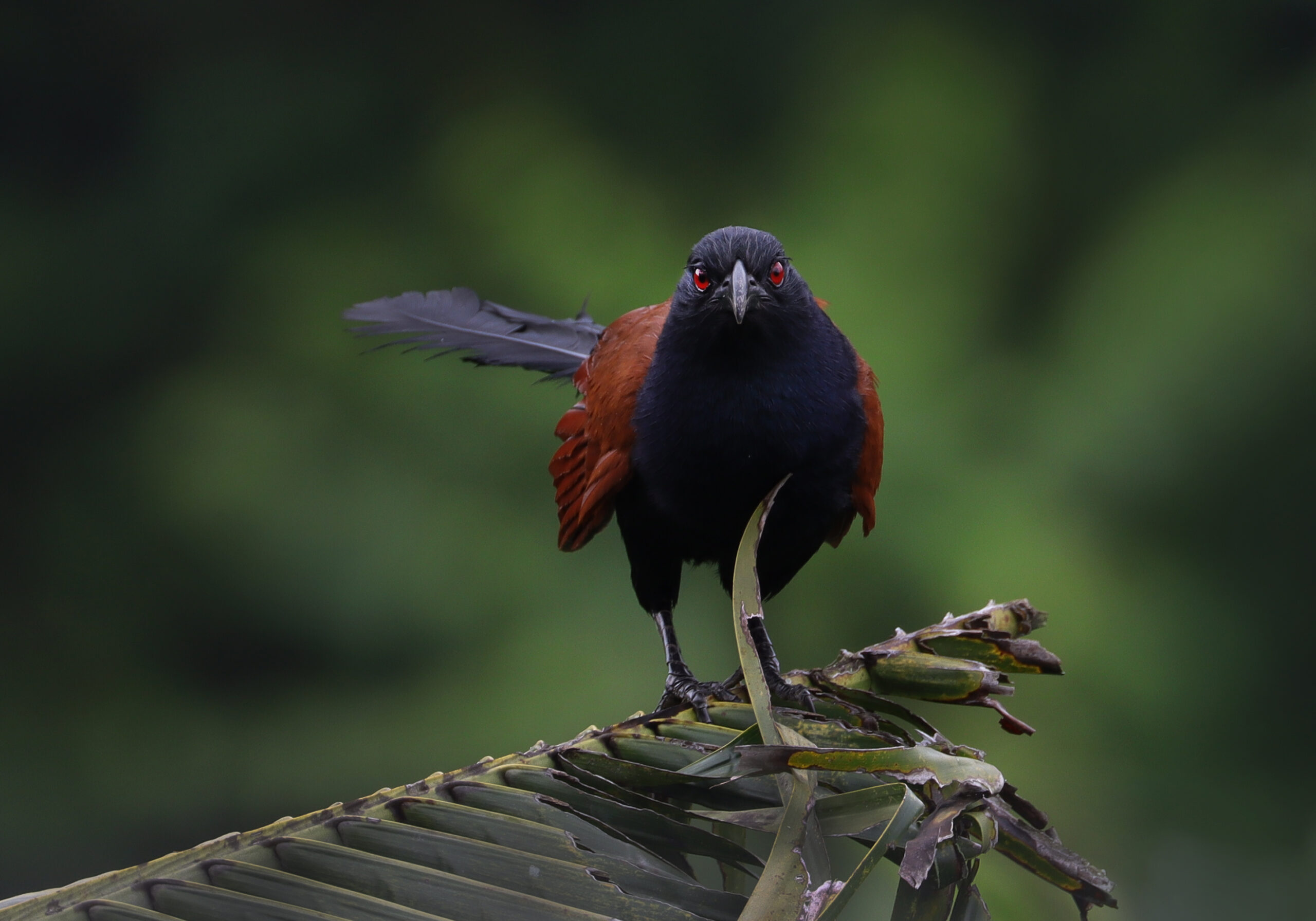
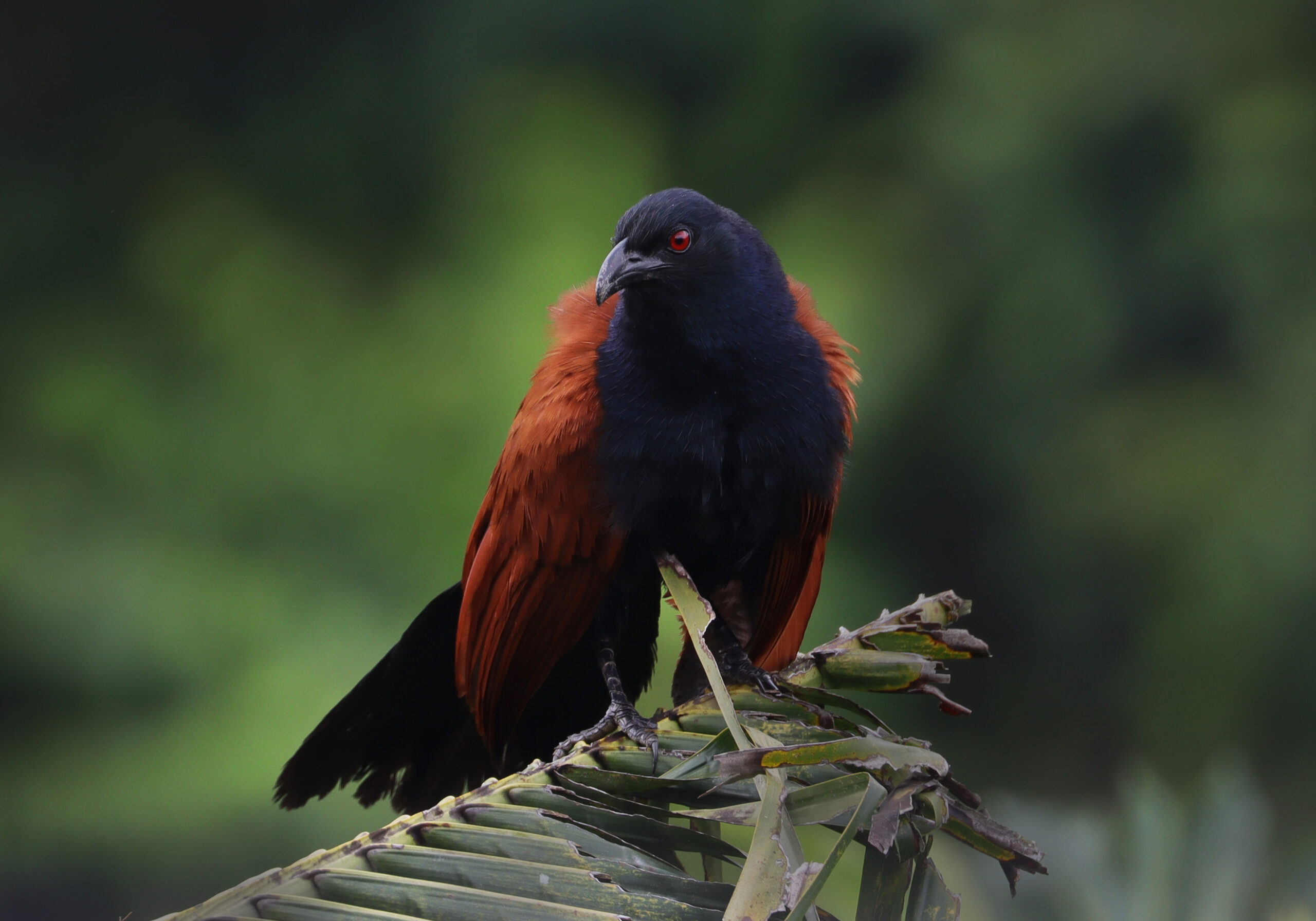
Coucals are medium- to large-sized birds characterized by long, broad tails, strong legs, and relatively heavy bodies. Their plumage often features contrasting colors, such as glossy black bodies combined with chestnut or rufous wings. The eyes are frequently reddish, giving them a distinctive appearance. They have zygodactyl feet, adapted for climbing and moving through dense vegetation.
Members of this subfamily are commonly found in tropical and subtropical regions of Africa, Asia, and Australasia. They inhabit grasslands, marshes, mangroves, forest edges, agricultural fields, and scrublands. Coucals are generally secretive and prefer dense undergrowth, where they forage close to the ground.
Centropodinae species are primarily carnivorous, feeding on insects, caterpillars, small reptiles, amphibians, birds, and small mammals. They are known for their deep, resonant calls that often carry over long distances.
Ecologically, coucals play an important role as predators of insects and small vertebrates, contributing to ecosystem balance. Their nesting behavior, in which both parents may participate in incubation and chick rearing, distinguishes them from many other cuckoos.