Bali Wildlife
Every Spices Matter


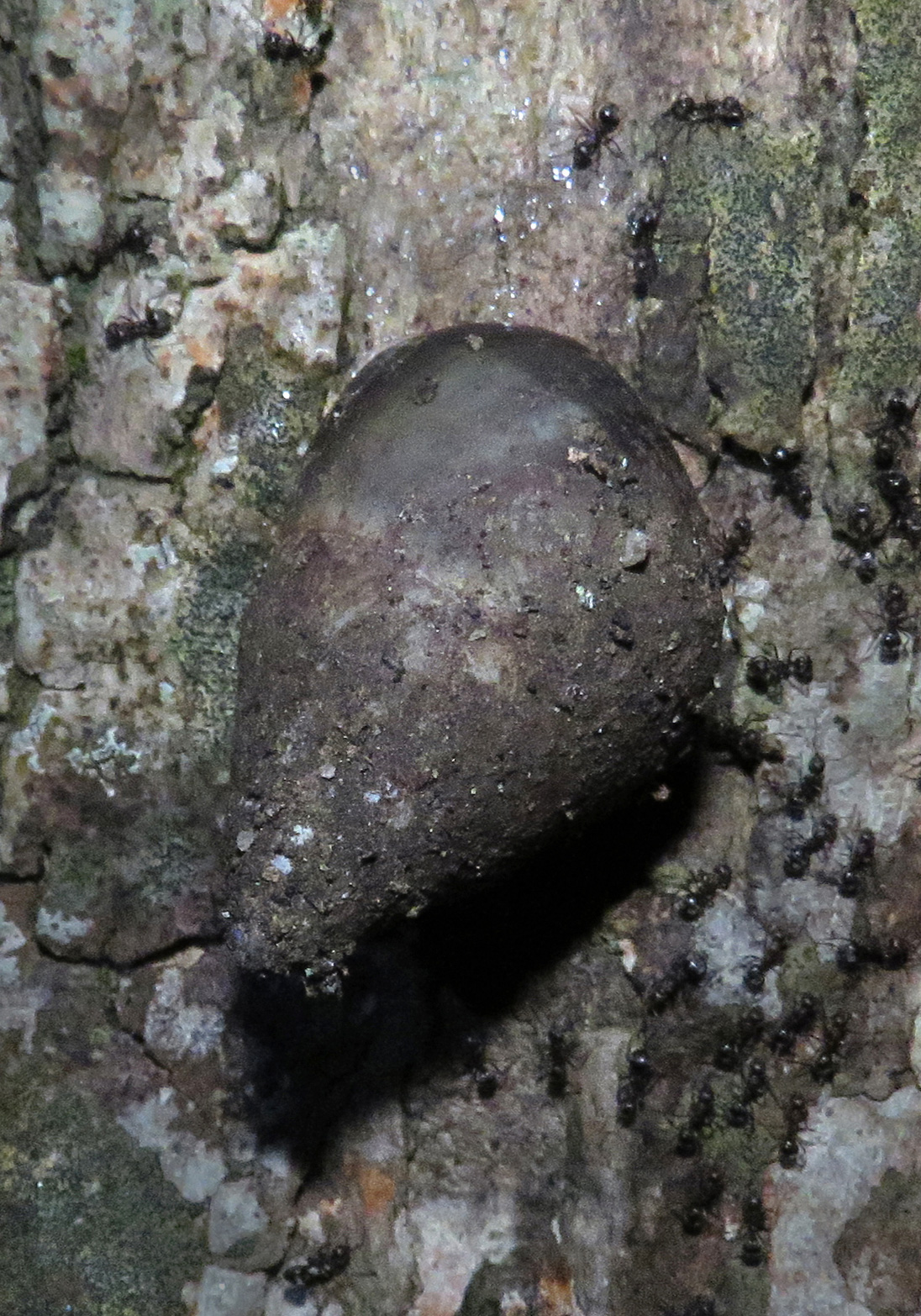
Camaeninae is a principal subfamily within the family Camaenidae (Superfamily Helicoidea, Order Stylommatophora, Class Gastropoda, Phylum Mollusca). It includes a wide array of terrestrial land snails, particularly diverse in tropical and subtropical regions of Southeast Asia, southern China, and parts of Australasia.
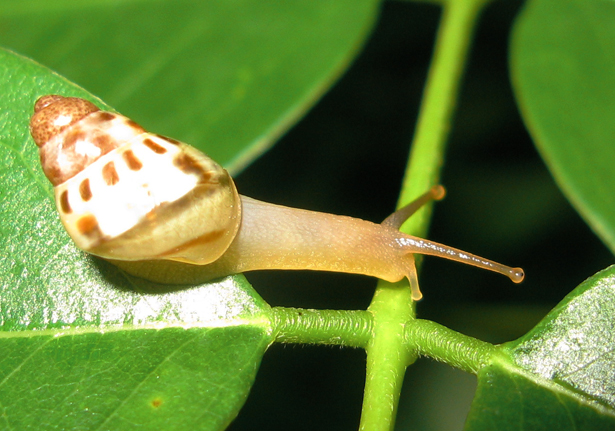
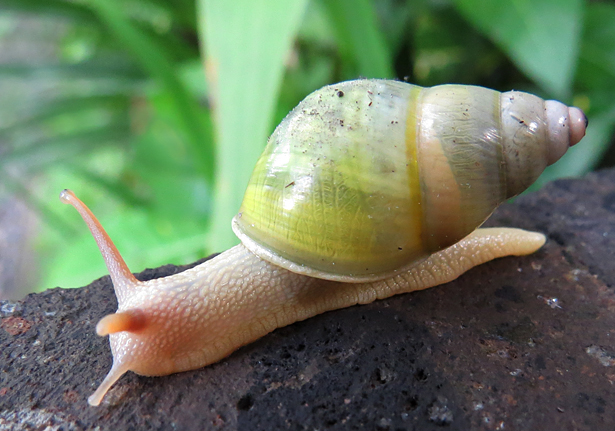
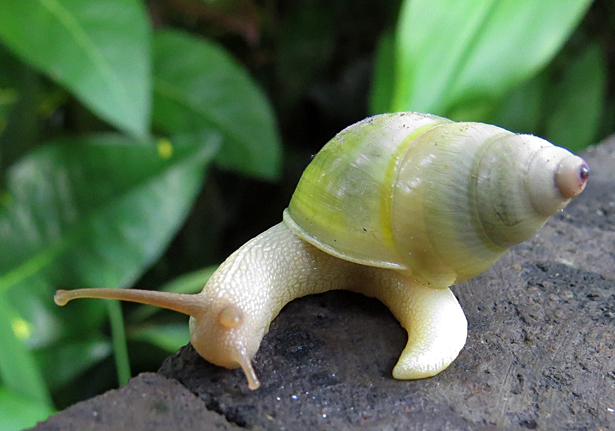
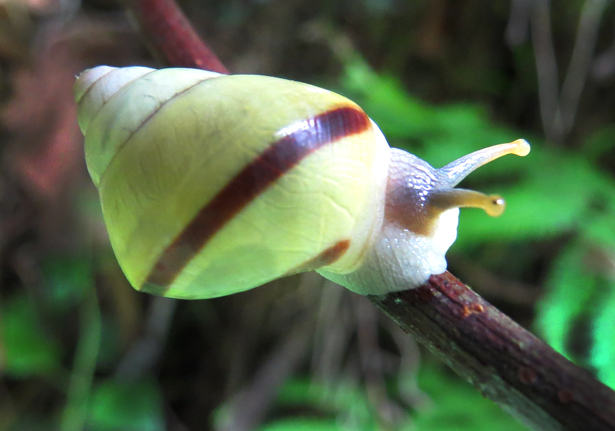
Members of Camaeninae typically possess a moderately to strongly developed, spirally coiled shell, often globular, depressed, or slightly conical in form. Shells may exhibit diverse coloration patterns, banding, and surface sculpture, ranging from smooth to ribbed textures. The aperture is generally rounded, and in mature individuals may display a thickened or reflected lip.
As stylommatophoran gastropods, camaenines have two pairs of retractile tentacles, with the eyes situated at the tips of the upper pair. Respiration occurs via a pulmonate lung, and locomotion is achieved through a well-developed muscular foot suited to terrestrial movement.
Reproduction is typically simultaneous hermaphroditic, with internal fertilization and direct development. Eggs are deposited in moist soil, leaf litter, or sheltered microhabitats. The internal reproductive anatomy is especially important in distinguishing taxa within the subfamily, as shell morphology alone may be highly variable or convergent.
Ecologically, species of Camaeninae are primarily herbivores and detritivores, feeding on plant material, fungi, algae, and decomposing organic matter. Many species are associated with forested environments or limestone karst habitats, where localized endemism is common.
Subfamily Camaeninae represents a significant radiation within Camaenidae, distinguished by shell diversity, terrestrial specialization, and notable species richness in the Indo-Australian and East Asian regions.