Bali Wildlife
Every Spices Matter


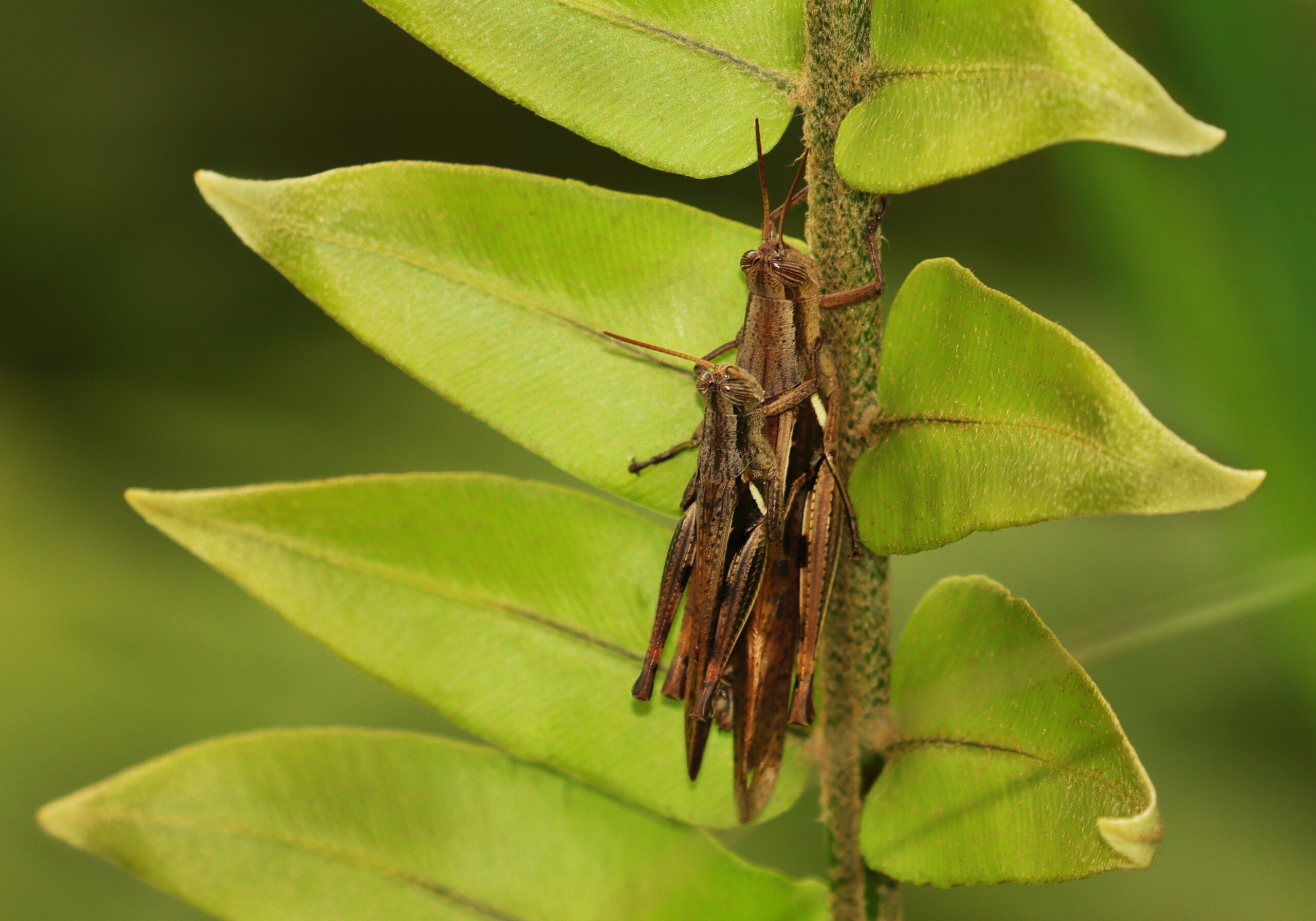
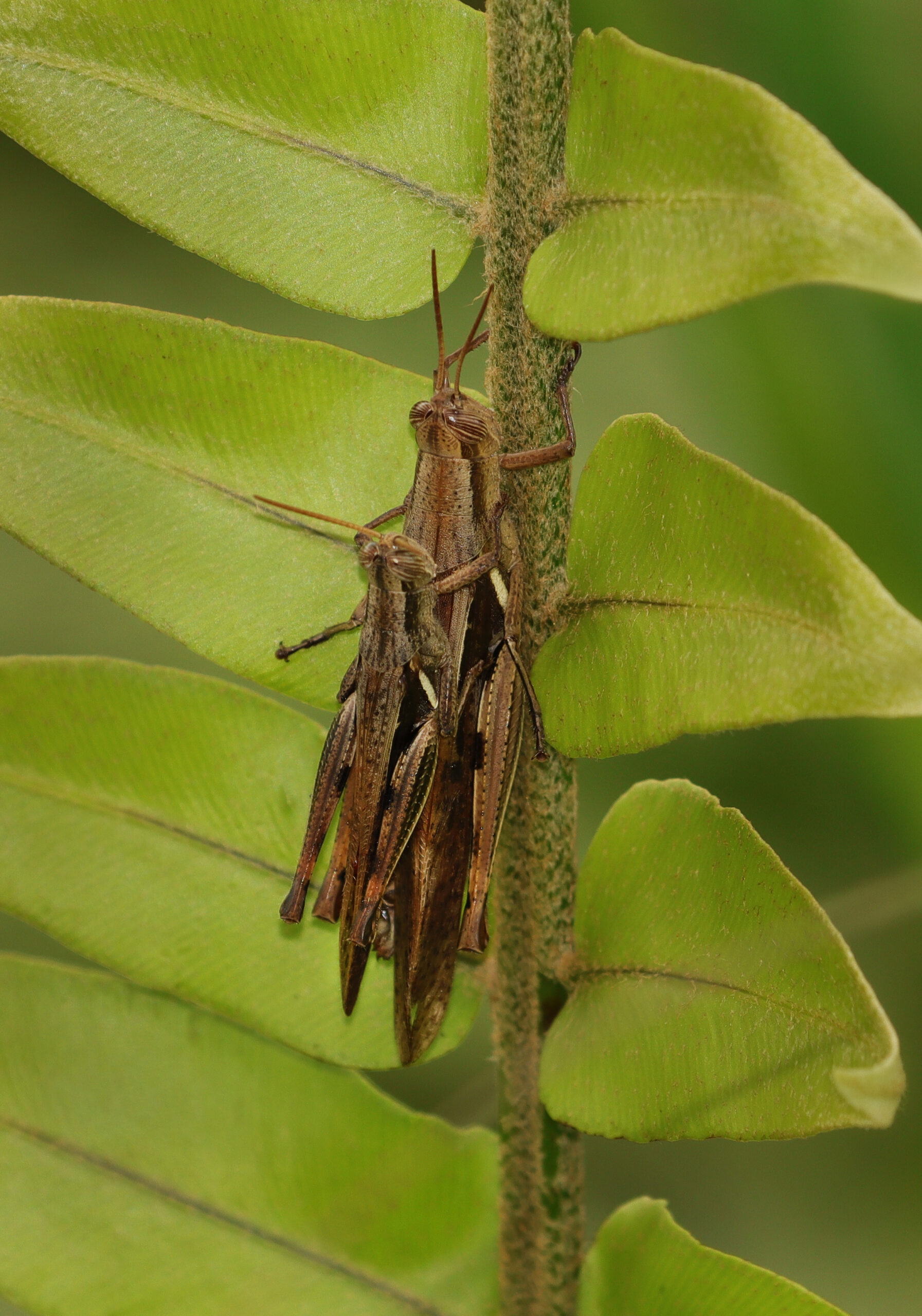
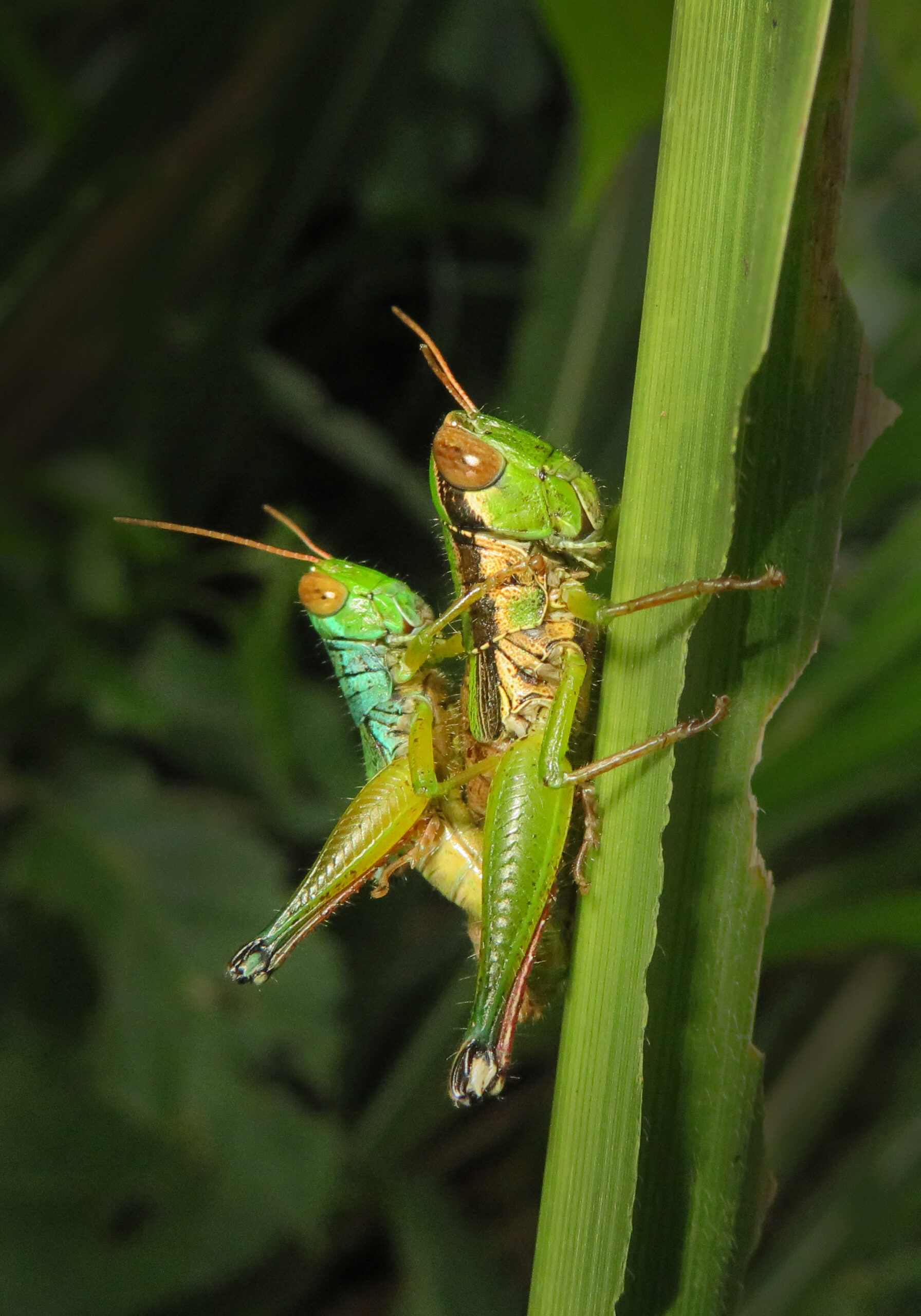
Caelifera is a suborder of the order Orthoptera that includes grasshoppers, locusts, and their close relatives. Members of this suborder are widely distributed across the world, occurring on all continents except Antarctica, and are especially abundant in open habitats such as grasslands, savannas, deserts, agricultural fields, and alpine meadows.
Insects of Caelifera are typically medium to large in size and are characterized by short, relatively stout antennae (usually shorter than the body), powerful hind legs adapted for jumping, and a robust body form. The pronotum is well developed, and the forewings (tegmina), when present, are narrow and leathery, while the hind wings are membranous and used for flight. Many species are strong jumpers and capable fliers, allowing them to disperse efficiently.
Sound production (stridulation) is common in Caelifera, though it differs from that of the suborder Ensifera. Caeliferans usually produce sounds by rubbing the hind legs against the forewings or abdomen, primarily for communication during mating or territorial interactions. Hearing organs, when present, are typically located on the abdomen rather than on the forelegs.
Caelifera undergo hemimetabolous development. Eggs are usually laid in the soil, often in pods or clusters, and nymphs resemble adults but lack fully developed wings and reproductive organs. Development and population size are strongly influenced by environmental conditions, particularly temperature and rainfall.
Ecologically, Caelifera are predominantly herbivorous, feeding mainly on grasses and other low-growing plants. Some species, especially locusts, can form large migratory swarms under favorable conditions and cause significant agricultural damage. At the same time, grasshoppers and their relatives are important components of terrestrial food webs, serving as prey for birds, reptiles, mammals, and invertebrate predators. The suborder Caelifera represents a highly successful and ecologically significant lineage of Orthoptera adapted to open and often harsh environments.