

Household Cockroaches (Family Blattidae)
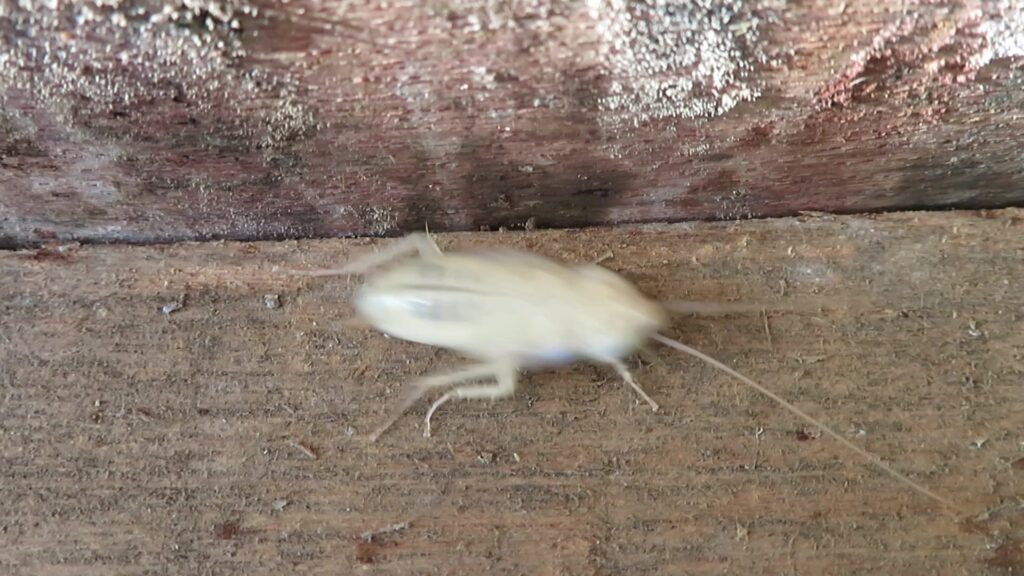
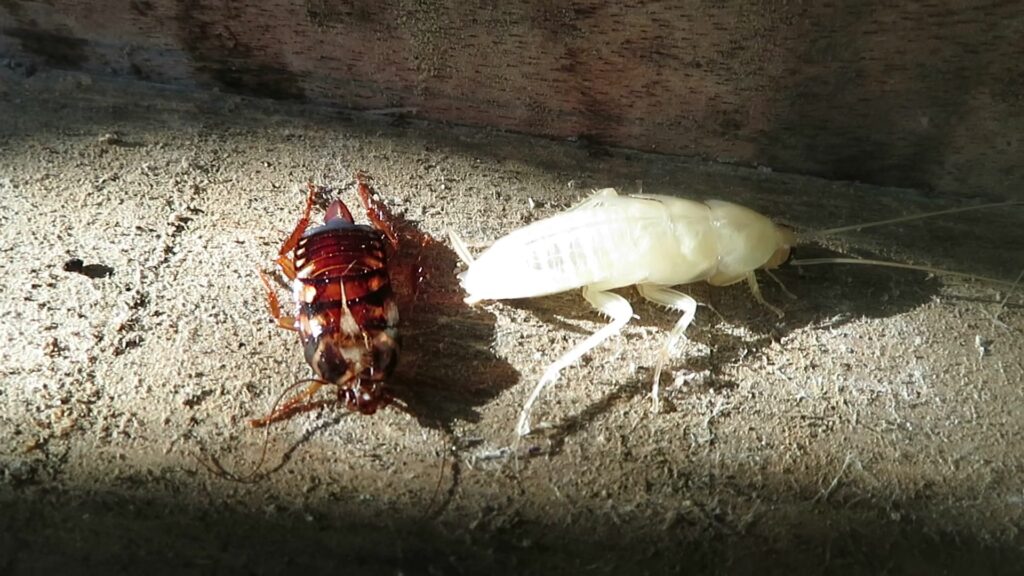
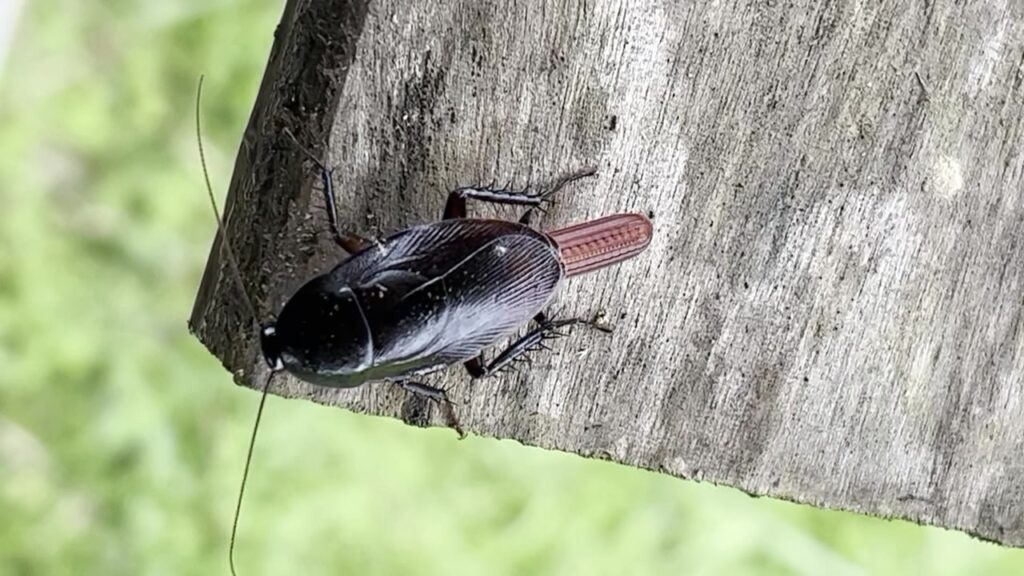
Blattidae is a family of cockroaches in the order Blattodea, within the superfamily Blattoidea. The family includes many of the larger and more robust cockroaches, including several species that are widespread in human environments. Blattids are generally characterized by an oval, dorsoventrally flattened body, long antennae, spiny legs, and, in many species, fully developed wings. They occur naturally in forests, woodlands, caves, leaf litter, and other terrestrial habitats, while a few species have become highly successful synanthropic pests.
Blattids are typically medium-sized to large cockroaches, although body size varies among genera and species. The body is usually broad and flattened, with the head partly concealed beneath the shield-like pronotum. The coloration commonly consists of shades of brown, reddish brown, black, or dark chestnut, sometimes with pale margins or contrasting bands. This generally subdued coloration provides effective camouflage in bark, soil, leaf litter, and dark shelters.
The antennae are long and thread-like, containing numerous sensory receptors that detect odors, touch, air currents, and environmental changes. The mouthparts are adapted for chewing and are capable of processing a wide variety of organic materials. Their legs are strongly developed for running, with rows of spines on the tibiae and flexible tarsi that allow the insects to move rapidly across uneven surfaces.
Many Blattidae possess well-developed wings. The forewings form leathery tegmina that protect the membranous hindwings, which can be used for flight in some species. However, flight ability varies considerably. Some large species are capable of sustained or directed flight, whereas others rely predominantly on running. Sexual differences in wing length and abdominal form can occur.
Blattids are primarily nocturnal. During daylight, they normally remain hidden in crevices, beneath bark, under stones, inside decaying vegetation, or in other protected locations. At night they emerge to forage and reproduce. Their avoidance of light is accompanied by rapid escape behavior, and many species can respond extremely quickly to air movement or approaching predators.
Feeding habits are predominantly omnivorous and scavenging. Blattids consume decaying leaves, fruits, seeds, fungi, carrion, animal-derived material, and other organic debris. Some species readily exploit human food, waste, and stored products. Their ability to digest a broad range of organic material contributes to their success in both natural and human-modified ecosystems.
In natural habitats, Blattidae plays an important role in decomposition and nutrient cycling. By feeding on dead plant material and other organic matter, these cockroaches help break larger particles into smaller fragments and make resources more accessible to microorganisms and other decomposers. They also occupy an important position as prey for insectivorous vertebrates and arthropods.
Reproduction involves the production of a protective ootheca, a capsule containing multiple eggs. In many species the female carries the ootheca for some time before depositing it in a suitable sheltered location, while reproductive behavior varies among genera. After hatching, the young emerge as nymphs, which resemble miniature adults but lack fully developed wings and reproductive organs. They mature through repeated molts.
The family includes several familiar genera, particularly Blatta and Periplaneta. Blatta orientalis, the Oriental cockroach, is a dark, relatively broad species associated with damp environments. Periplaneta americana, the American cockroach, is a large reddish-brown species that has become widely distributed through human commerce. Periplaneta australasiae, the Australian cockroach, is another widespread species, often recognized by its distinctive pale wing markings.
Other members of the family are less closely associated with people and occur primarily in natural terrestrial environments. They may inhabit tropical and subtropical forests, woodland, caves, leaf litter, decaying logs, and sheltered ground-level habitats. Some species are particularly associated with warm, humid conditions, while others tolerate more seasonal or temperate environments.
Several Blattidae species have become globally distributed through human transportation. Buildings provide stable temperatures, moisture, food, and abundant shelter, allowing certain species to establish populations far outside their native ranges. These cockroaches can occur in restaurants, warehouses, sewers, kitchens, basements, and other structures, where they may contaminate food and surfaces and contribute to indoor allergen exposure.
Blattids are also important components of terrestrial food webs. Their adults and nymphs are consumed by birds, frogs, lizards, small mammals, spiders, predatory beetles, mantises, and other insectivores. Eggs and oothecae can also be attacked by specialized parasitoids and predators. Thus, even species considered pests can have substantial ecological importance within food webs.
From a taxonomic perspective, Blattidae is one of the principal families of Blattoidea, although the boundaries and composition of cockroach families have changed as molecular phylogenetic studies have improved understanding of Blattodea. The classification of some genera has consequently differed between traditional morphological systems and newer phylogenetic treatments.
Overall, Blattidae is a diverse family of predominantly nocturnal cockroaches characterized by flattened bodies, long sensory antennae, powerful running legs, chewing mouthparts, and typically well-developed wings. Its members range from important decomposers in natural ecosystems to some of the world’s most successful synanthropic insects, making Blattidae both ecologically significant and highly familiar to humans.