Bali Wildlife
Every Spices Matter


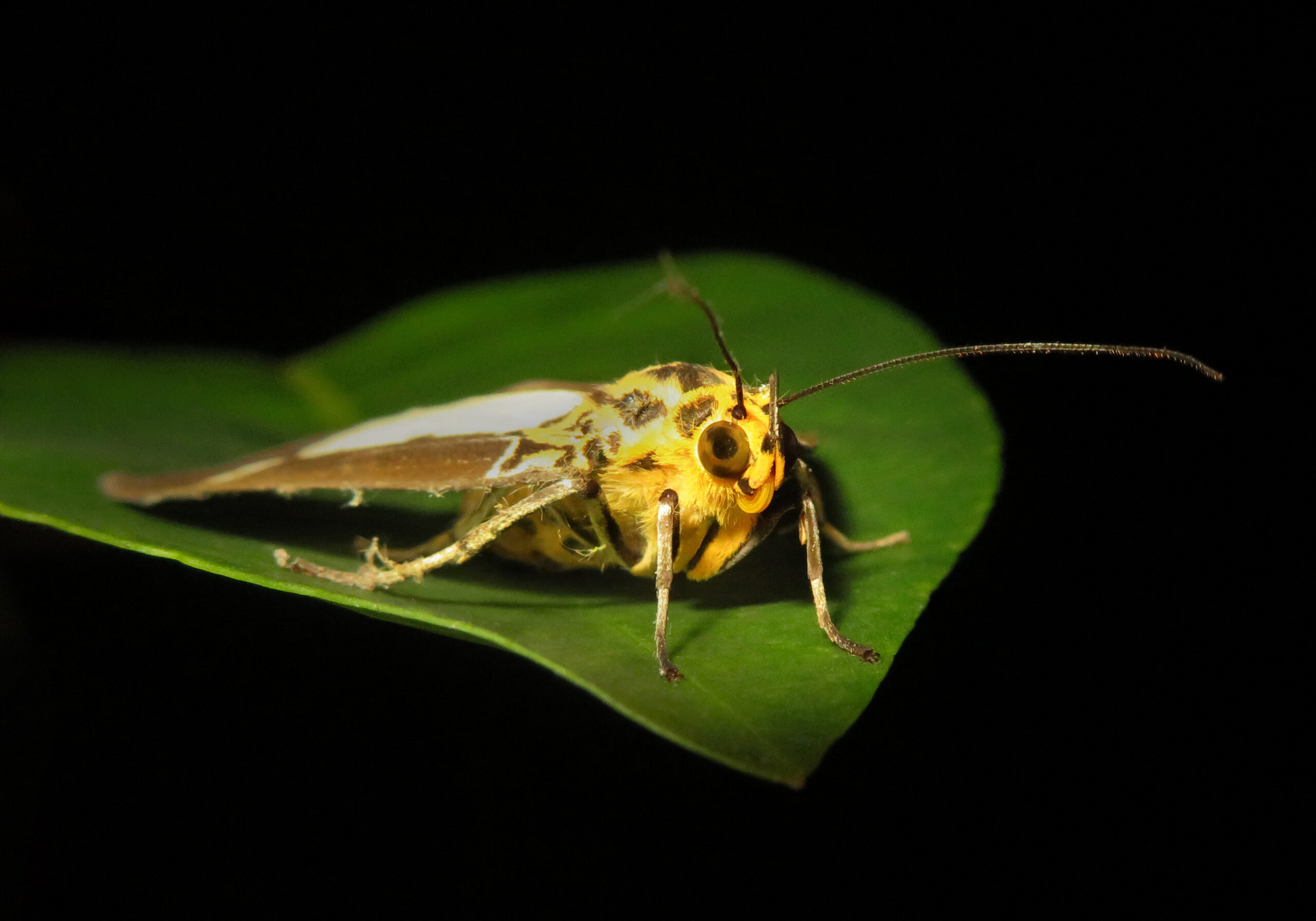
Asota is a genus of brightly colored tiger-like moths within the subfamily Aganainae (Family Erebidae, Superfamily Noctuoidea, Order Lepidoptera). The genus is widely distributed throughout South Asia, Southeast Asia, East Asia, Australia, and numerous islands of the Indo-Pacific region. Species of Asota inhabit tropical and subtropical forests, woodland edges, mangroves, plantations, orchards, gardens, and urban green spaces.
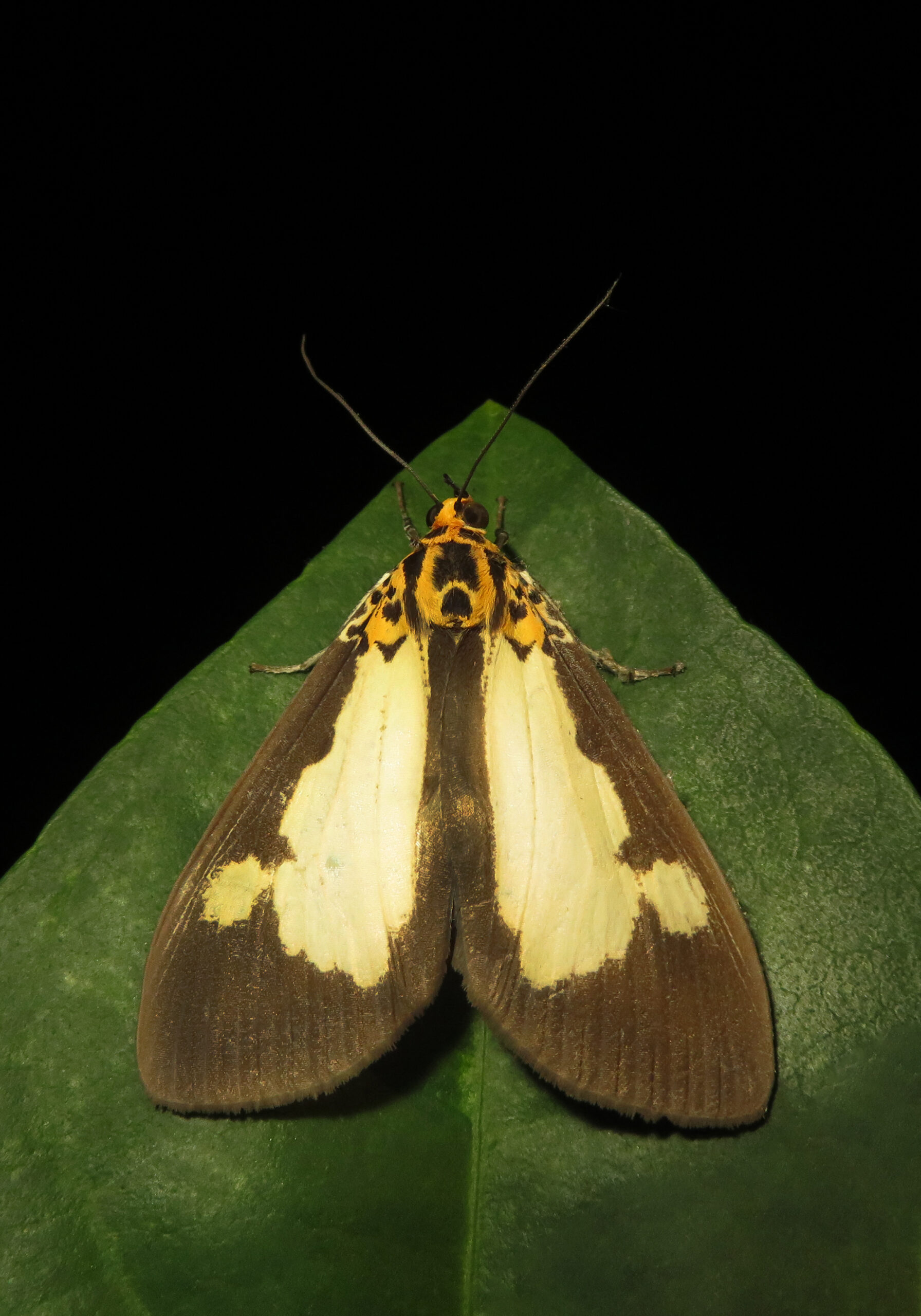
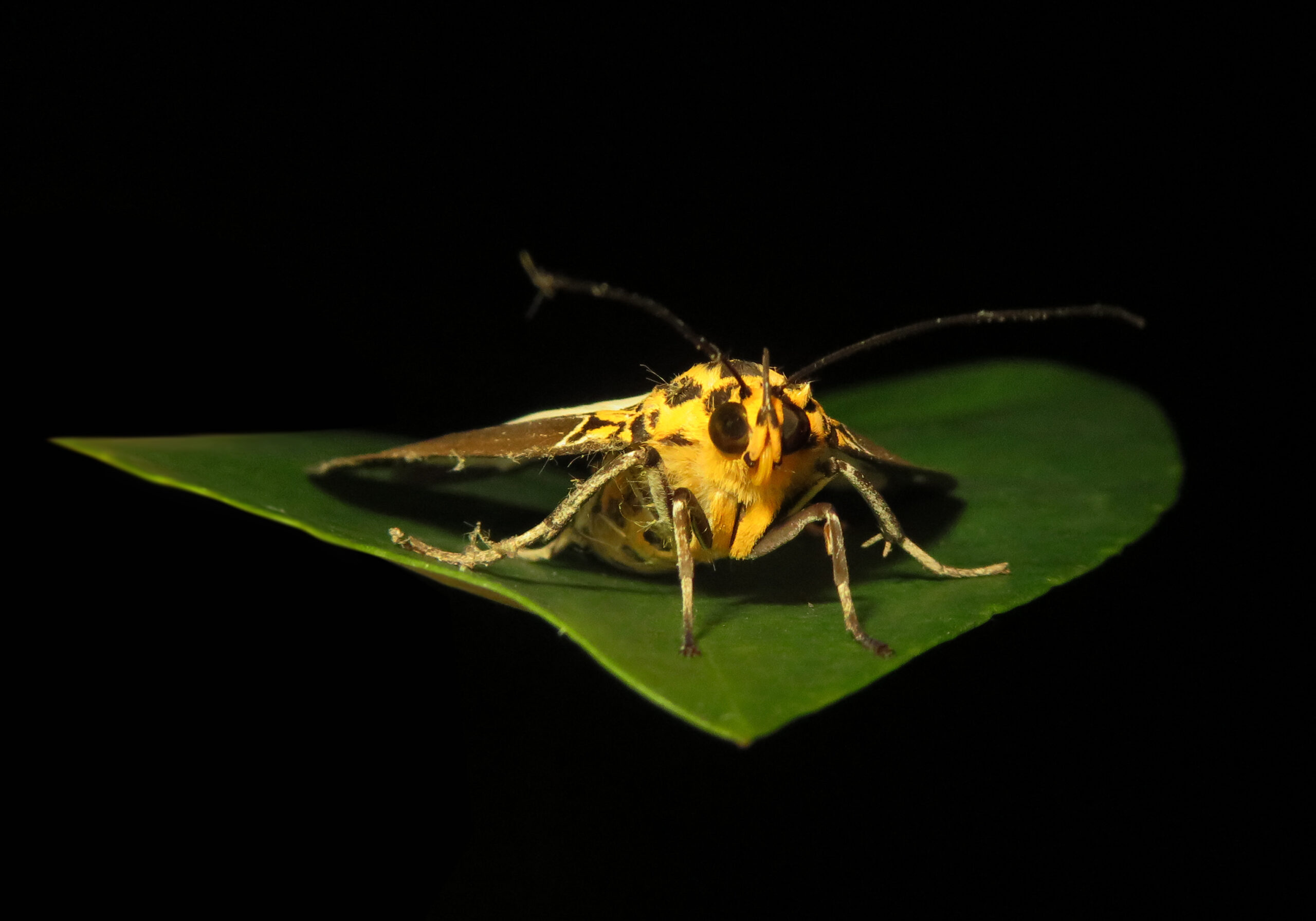
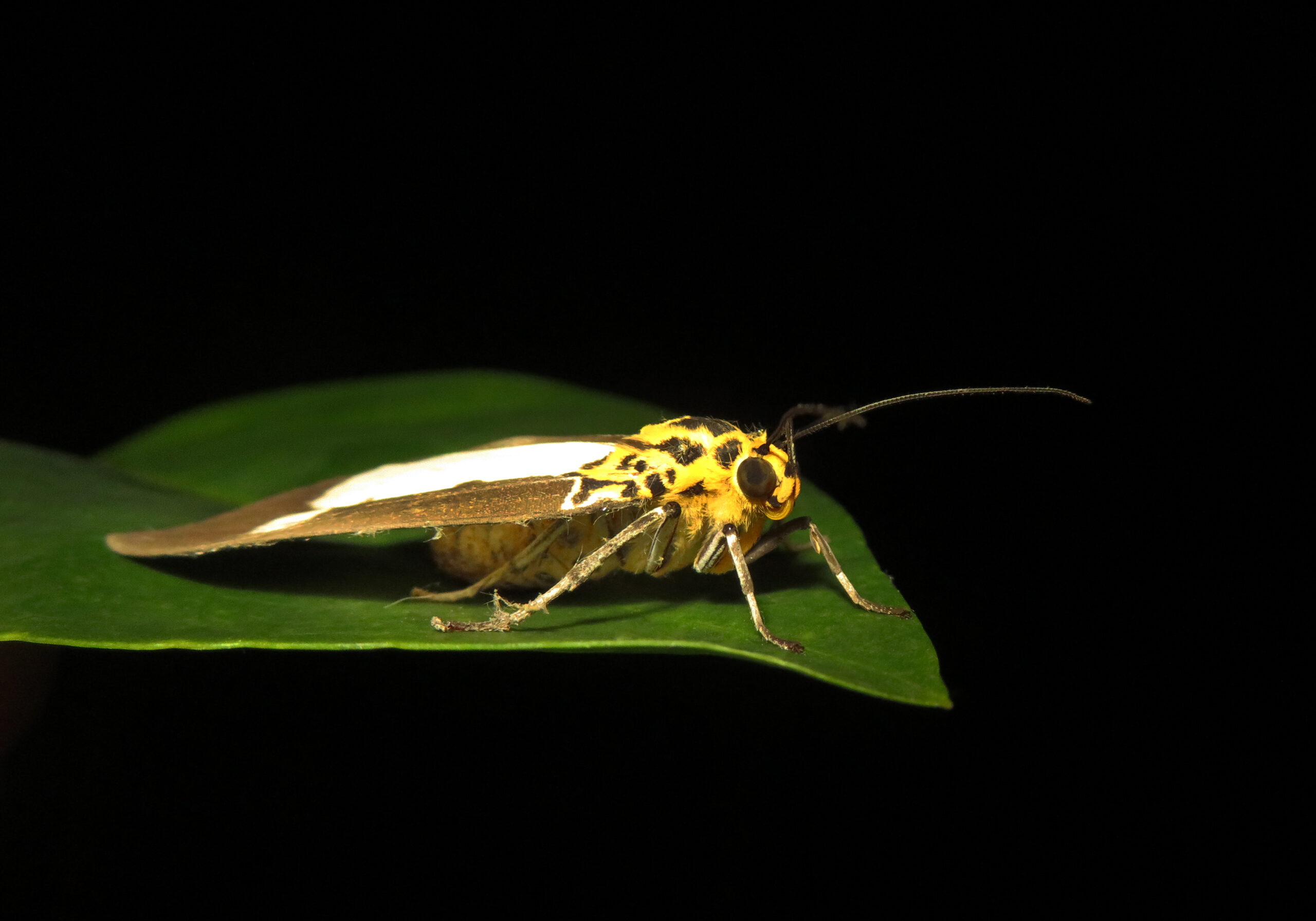
Moths of the genus Asota are generally medium to large in size and are easily recognized by their bold wing patterns and vivid coloration. The forewings are typically black or dark brown with contrasting white, cream, or yellow markings, while the hindwings are often bright orange, yellow, or red with black borders. These striking color combinations are thought to function as warning signals to potential predators.
The body is robust and densely covered with scales, while the antennae are simple in both sexes. Adults possess a well-developed proboscis and feed on nectar and other sugary liquids. Most species are nocturnal, although some may be active during the day or at dusk.
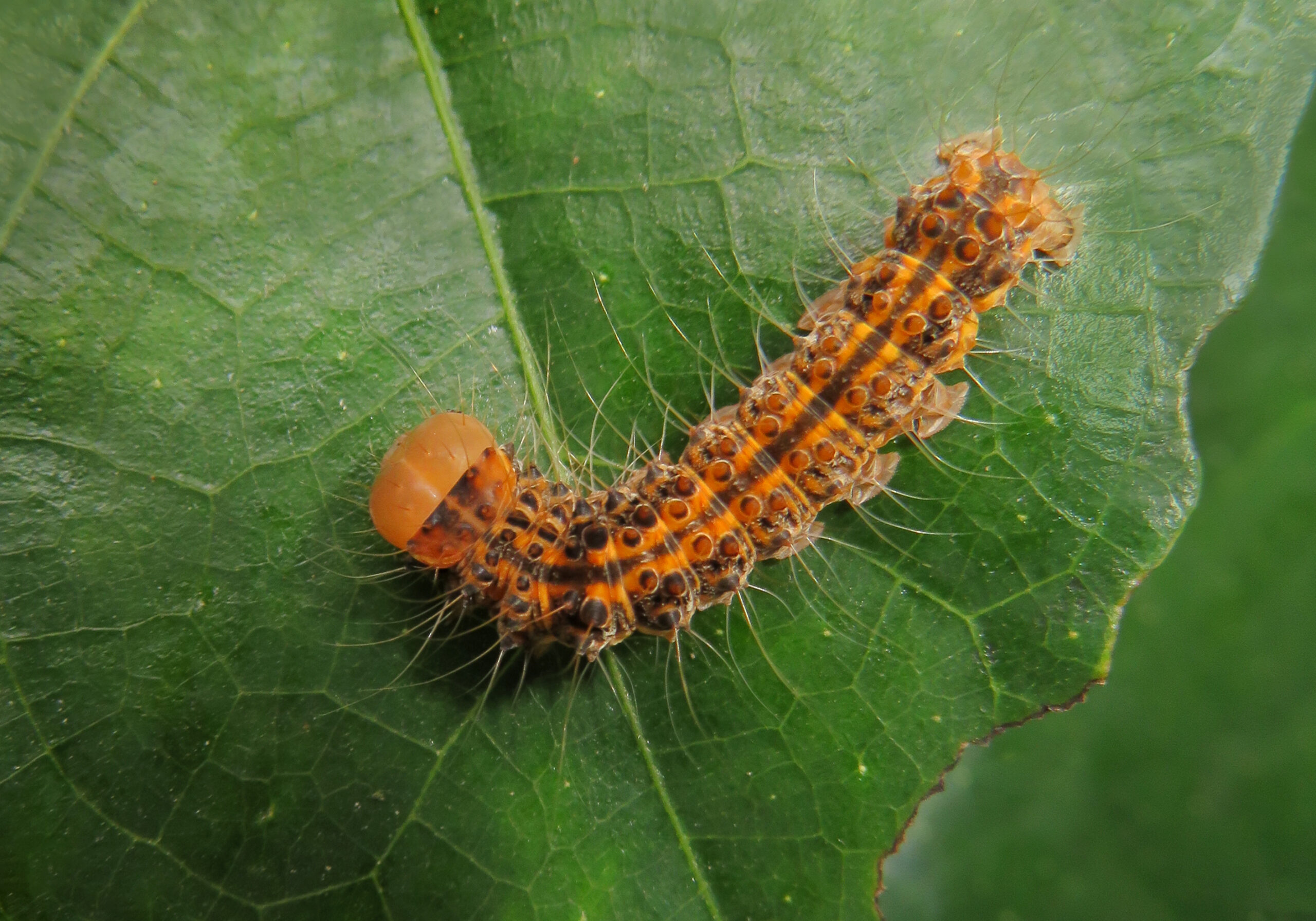
The life cycle involves complete metamorphosis, consisting of egg, larva (caterpillar), pupa, and adult stages. Caterpillars are usually smooth-bodied and conspicuously colored, often displaying shades of green, yellow, orange, or black with contrasting stripes or spots. They feed primarily on the leaves of Ficus species (family Moraceae), although some species utilize other host plants. The larvae may sequester defensive chemicals from their host plants, making them less palatable to predators.
Pupation generally occurs within a loose silken cocoon among leaves or leaf litter, where the caterpillar transforms into the adult moth.
The genus includes numerous species, such as Asota caricae, Asota plana, Asota heliconia, and Asota ficus, many of which are common and widespread across tropical Asia.
Ecologically, Asota moths function as herbivores during their larval stage and as pollinators during adulthood. They also serve as prey for bats, birds, reptiles, spiders, and predatory insects, although their warning coloration and chemical defenses help reduce predation. Their close association with fig trees and other tropical vegetation makes them important components of forest ecosystems and contributors to regional biodiversity.