Bali Wildlife
Every Spices Matter


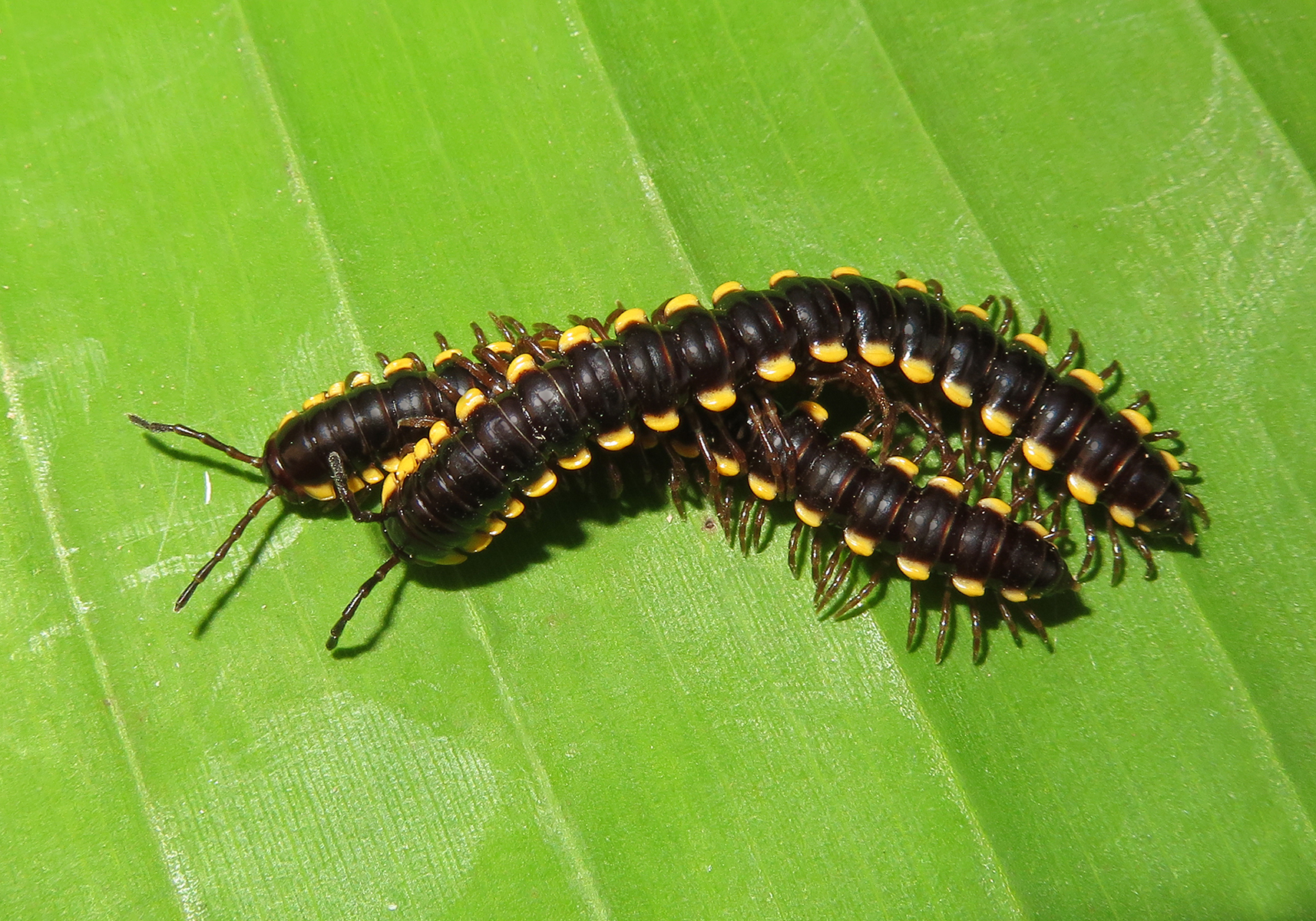
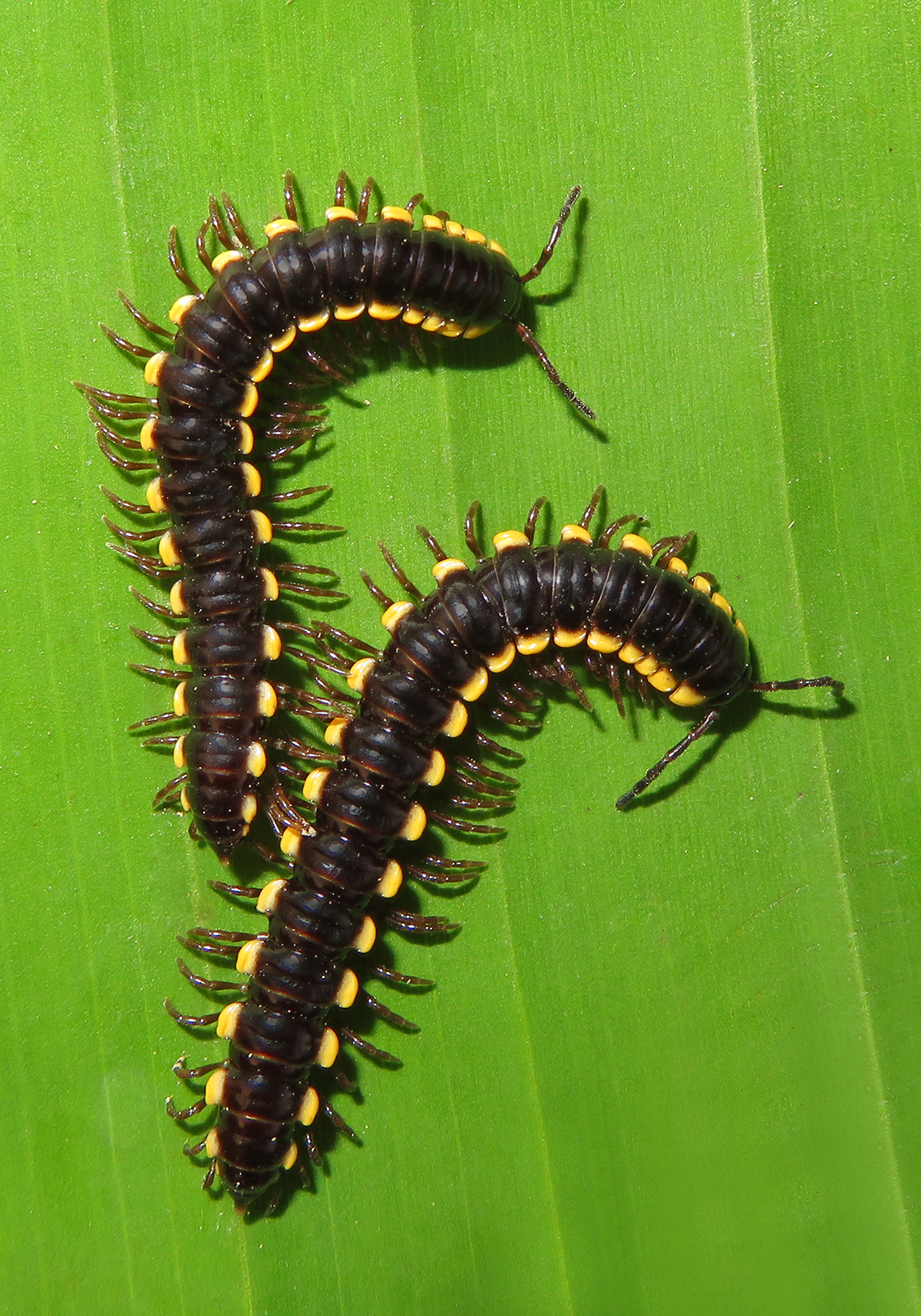
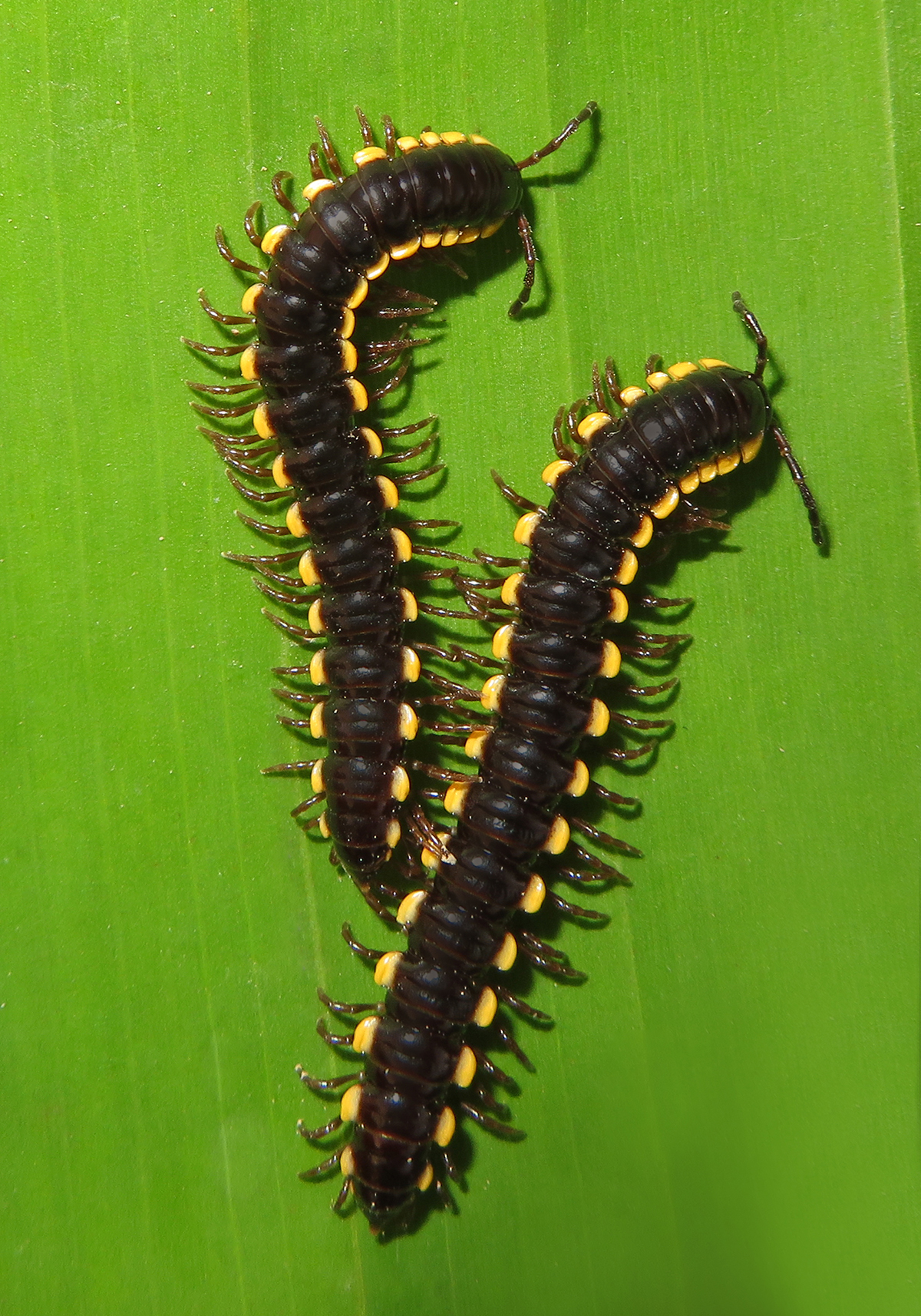
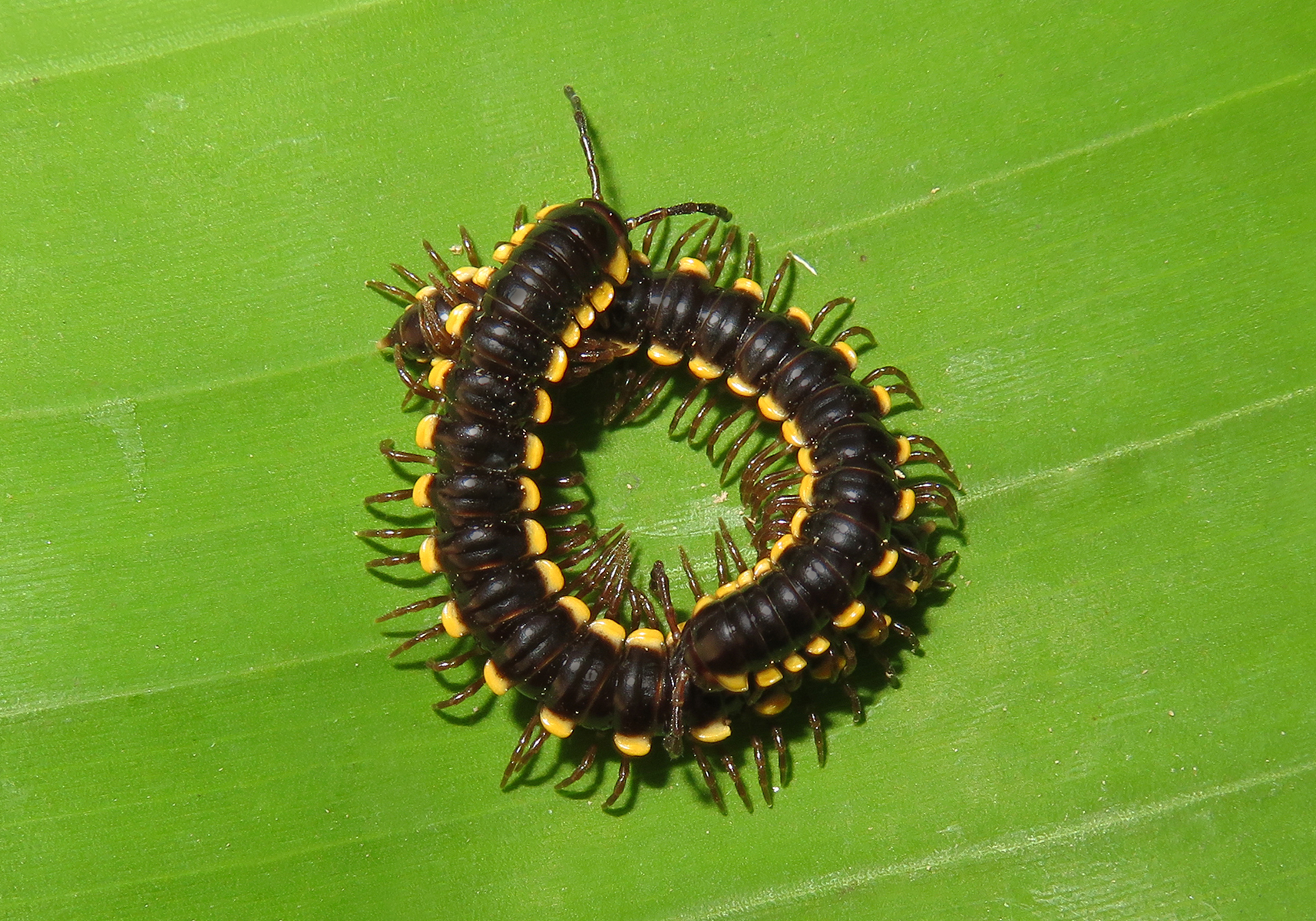
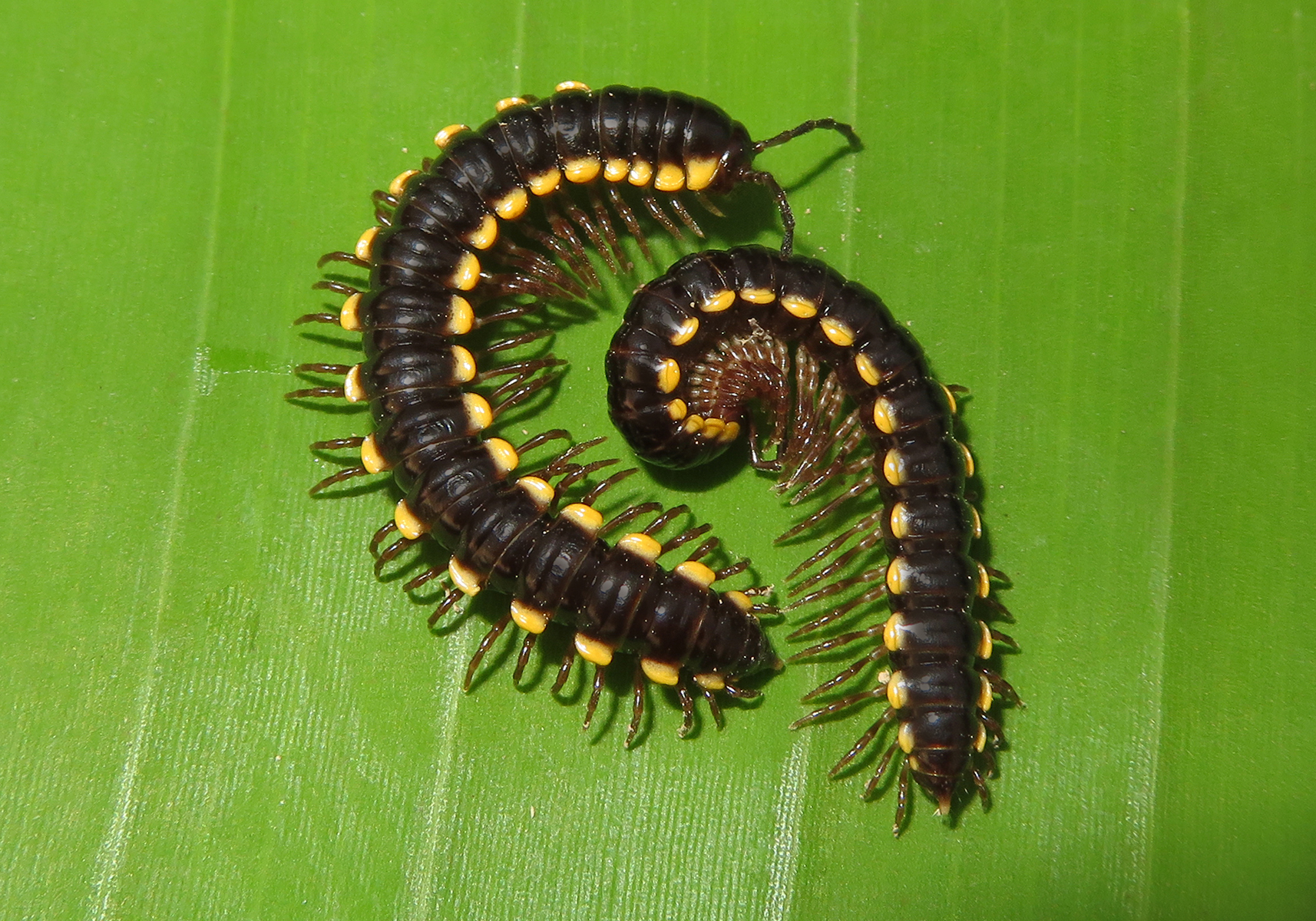
Anoplodesmus is a genus of flat-backed millipedes belonging to the family Paradoxosomatidae (order Polydesmida). The genus is widely distributed in tropical and subtropical Asia and includes numerous species, several of which are native to Southeast Asia, including Indonesia.
Members of this genus are characterized by elongated, dorsoventrally flattened bodies with well-developed lateral keels (paranota) on each segment. Adults typically possess 20 body segments, a common feature among polydesmid millipedes. Body coloration varies among species, ranging from dark brown or black to patterned forms with contrasting margins or lighter markings.
As in other paradoxosomatids, the male gonopods (specialized reproductive appendages) are highly important for species identification. Differences in the structure and shape of these gonopods are key taxonomic characters used to distinguish species within the genus.
Species of Anoplodesmus are terrestrial detritivores inhabiting forest floors, leaf litter, agricultural areas, gardens, and sometimes disturbed habitats. They feed primarily on decaying plant material and fungi, contributing significantly to nutrient recycling and soil formation.
Some species within this genus have become introduced outside their native ranges and may occur in greenhouses or cultivated areas. Like other polydesmid millipedes, they possess defensive glands that produce chemical secretions to deter predators, which may cause mild irritation if handled.
Ecologically, Anoplodesmus plays an important role in decomposition processes and maintaining soil health in tropical ecosystems.