Bali Wildlife
Every Spices Matter


Amphidromus is a genus of arboreal land snails within the subfamily Camaeninae (Family Camaenidae, Superfamily Helicoidea, Order Stylommatophora, Class Gastropoda, Phylum Mollusca). The genus is widely distributed across Southeast Asia, including Thailand, Malaysia, Indonesia, Vietnam, Cambodia, Laos, and parts of southern China.
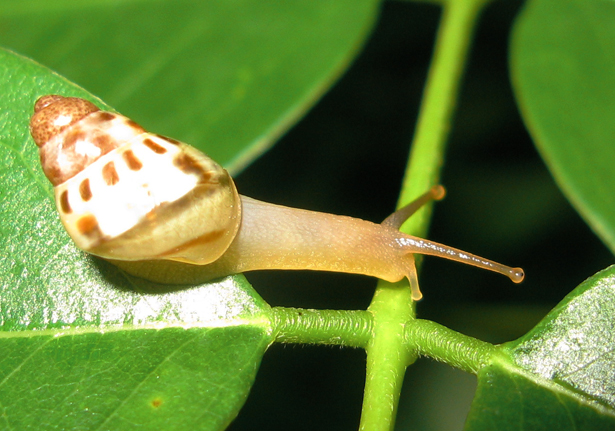
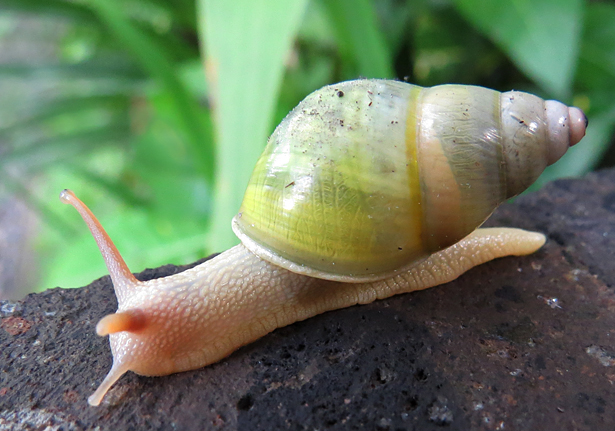
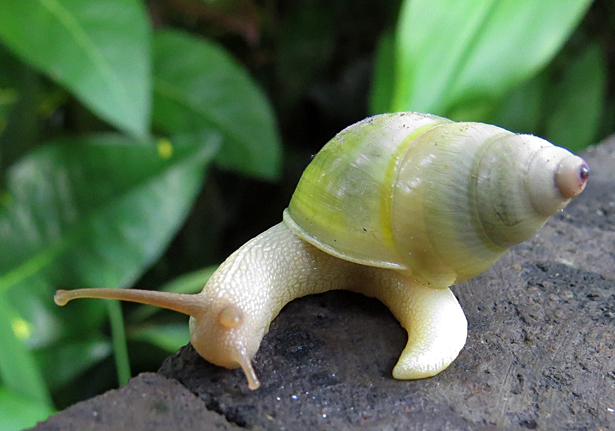
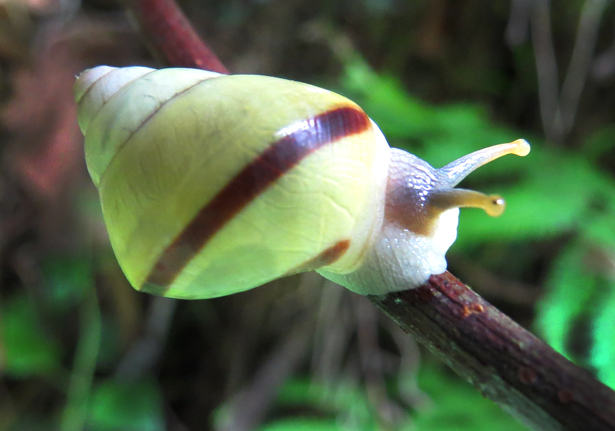
Members of Amphidromus are especially known for their colorful and highly variable shells, often displaying bright combinations of yellow, green, pink, brown, white, and banded patterns. The shells are typically elongate-ovate to conical rather than globular, distinguishing them from many other camaenids. A remarkable characteristic of this genus is chirality variation: both dextral (right-coiled) and sinistral (left-coiled) individuals may occur within the same species, and sometimes even within the same population.
The shell is generally thin to moderately solid, with a smooth surface and a relatively large, oval aperture. In mature individuals, the lip may be slightly thickened but is usually not strongly reflected.
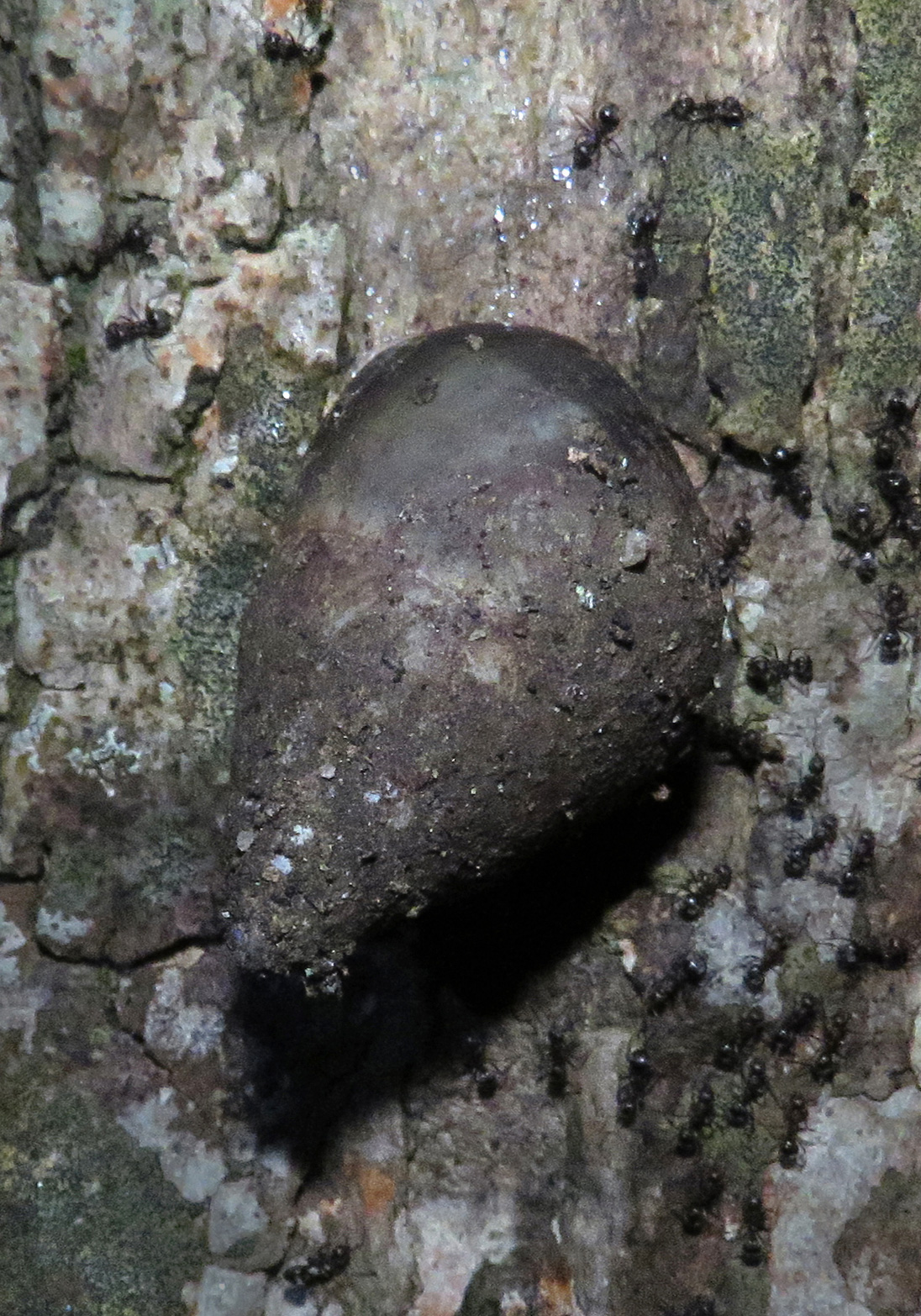
Amphidromus species are arboreal, living on trees and shrubs in forest habitats, including lowland rainforests, secondary forests, and limestone karst areas. They are primarily herbivorous or detritivorous, feeding on algae, lichens, fungi, and biofilm found on bark and leaves.
Like other stylommatophorans, Amphidromus species are simultaneous hermaphrodites, with internal fertilization and direct development. Eggs are laid in protected locations such as tree hollows, bark crevices, or leaf litter.
Genus Amphidromus is notable for its striking shell polymorphism, arboreal lifestyle, and high degree of regional endemism, making it one of the most distinctive and visually recognizable groups of Southeast Asian land snails.