Bali Wildlife
Every Spices Matter


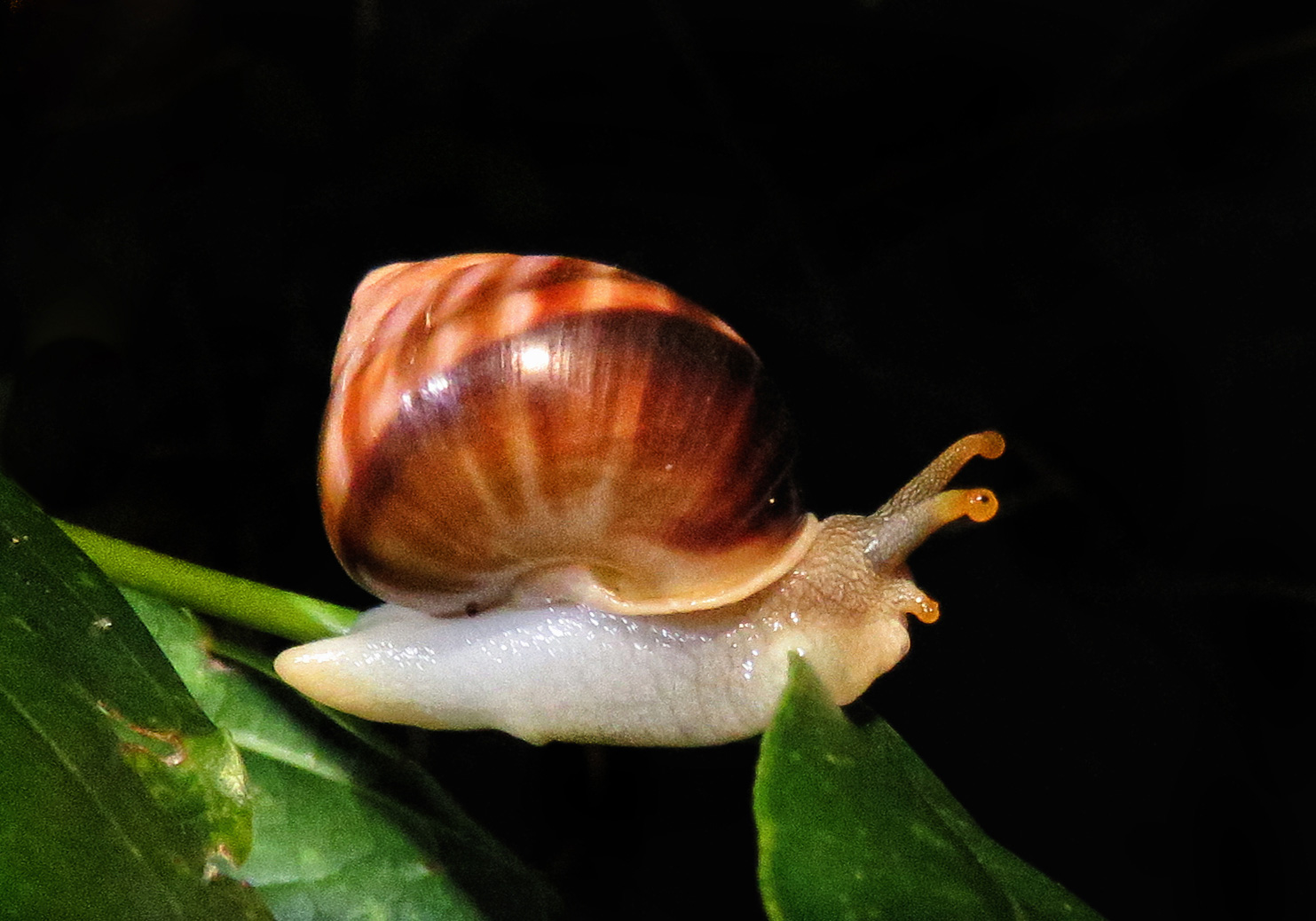
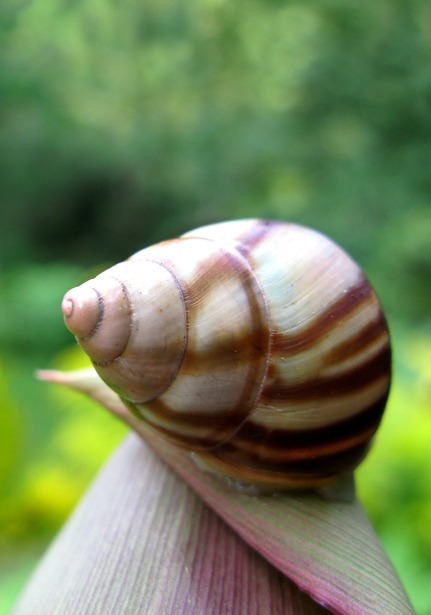
Amphidromus perversus is a colorful arboreal land snail belonging to the family Camaenidae (Order Stylommatophora). It is one of the most well-known and widely distributed species within its genus, occurring across Southeast Asia, including Indonesia, Malaysia, Thailand, and surrounding regions.
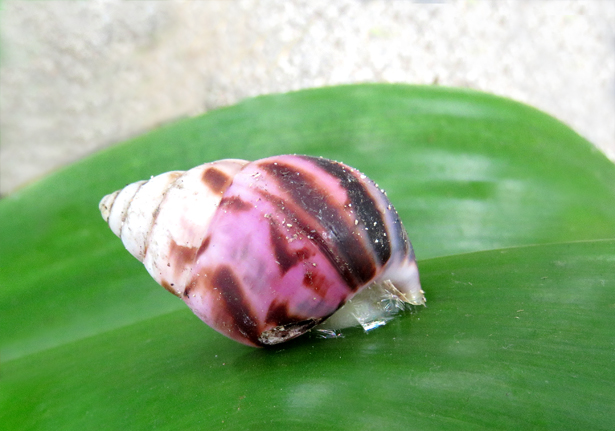
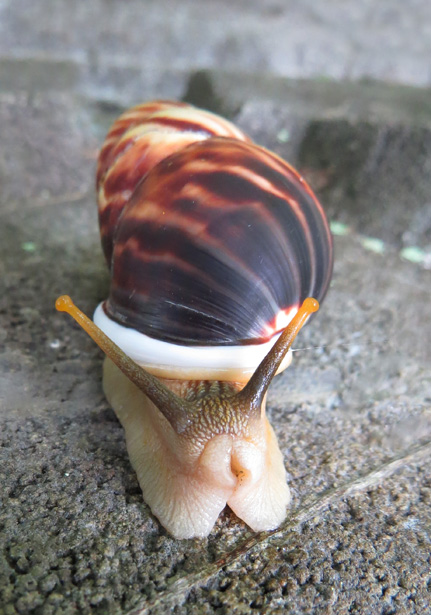
This species is distinguished by its elongate-conical shell, which is relatively thin, smooth, and glossy. The shell displays remarkable color polymorphism, commonly featuring combinations of yellow, green, white, brown, or pink with contrasting spiral bands. Pattern and coloration can vary significantly among populations, making it a highly variable species.
A defining characteristic of A. perversus is its well-known chirality variation. Both dextral (right-coiled) and sinistral (left-coiled) individuals occur within the same species, and sometimes within the same population. This left–right coiling diversity is unusual among land snails and is one of the reasons the species is of particular biological interest.
The aperture is large and oval, with a thin to slightly thickened lip in mature individuals. The overall shell shape is slender compared to many ground-dwelling camaenids, reflecting its arboreal lifestyle.
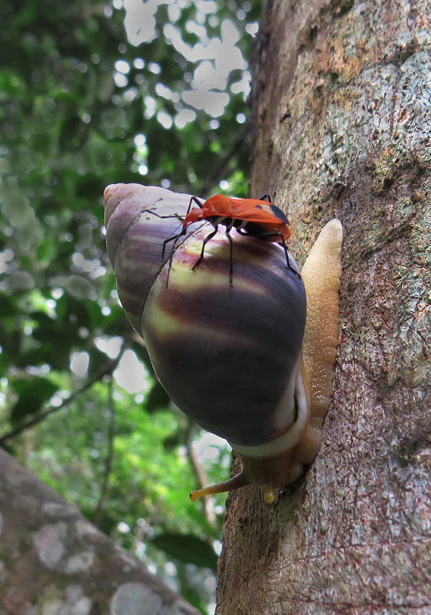
Ecologically, Amphidromus perversus is tree-dwelling, inhabiting trunks, branches, and foliage in tropical forests, plantations, and limestone habitats. It feeds mainly on algae, lichens, fungi, and surface biofilms found on bark and leaves.
Like other stylommatophoran snails, it is hermaphroditic, with internal fertilization and direct development. Eggs are laid in sheltered microhabitats such as bark crevices or protected forest floor areas.
Amphidromus perversus is widely recognized for its striking shell coloration and its rare left–right coiling variation, making it one of the most iconic arboreal land snails of Southeast Asia.