Bali Wildlife
Every Spices Matter


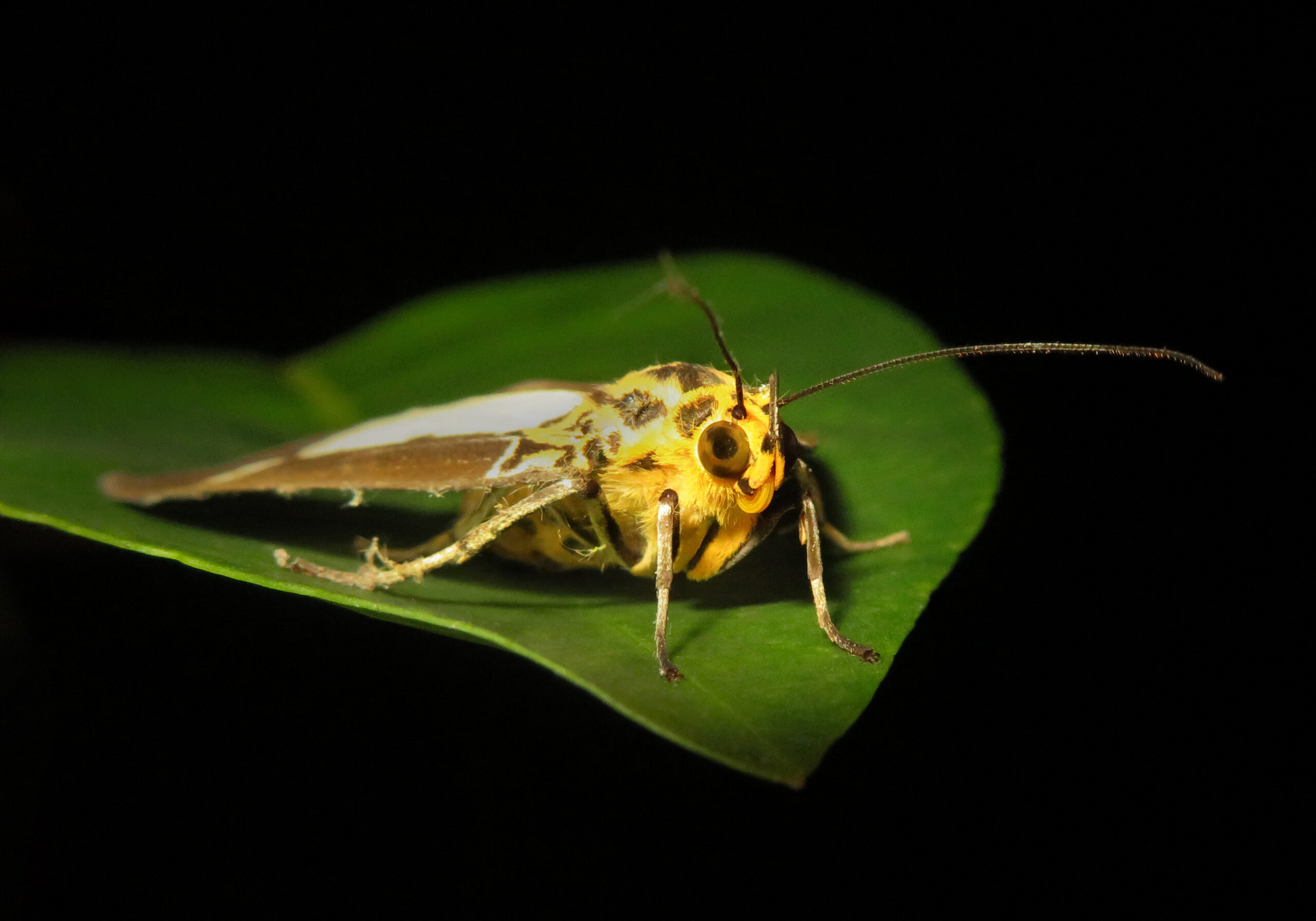
Aganainae is a subfamily of erebid moths within the family Erebidae (Superfamily Noctuoidea, Order Lepidoptera). Members of this subfamily are primarily distributed throughout tropical and subtropical regions of Africa, Asia, Australia, and the Pacific islands. They are commonly found in forests, woodland edges, secondary vegetation, plantations, and gardens, where suitable larval host plants are available.
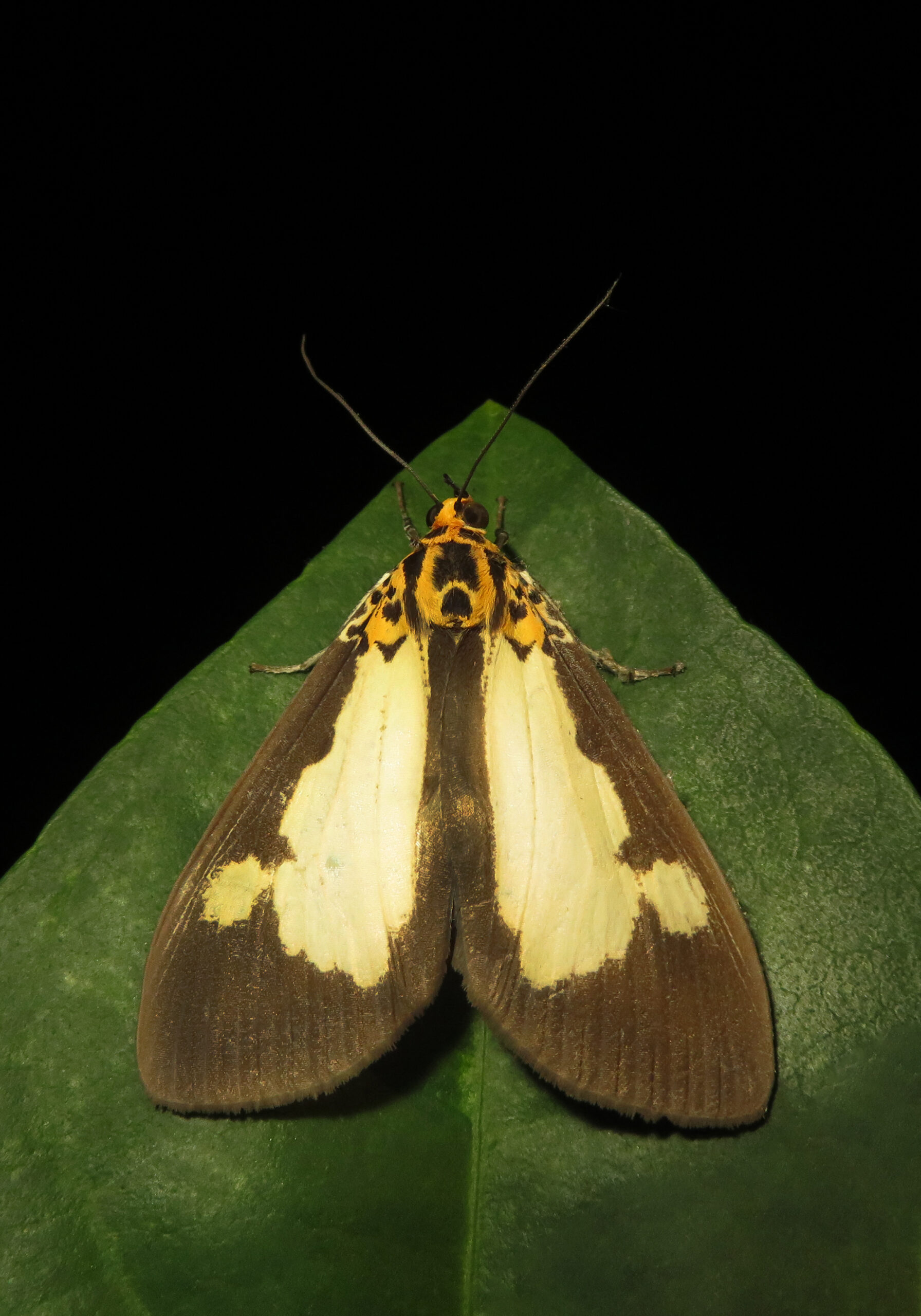
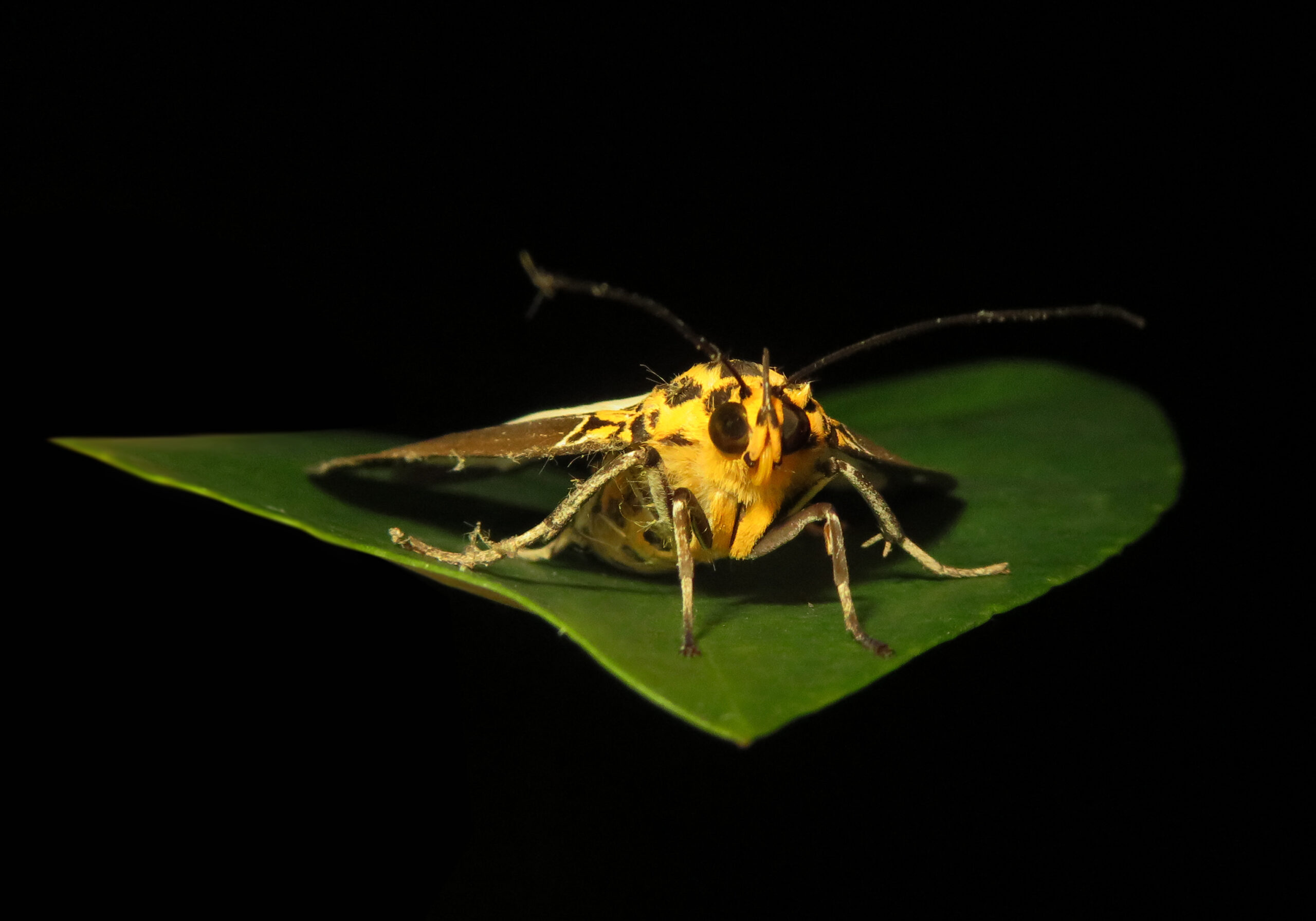
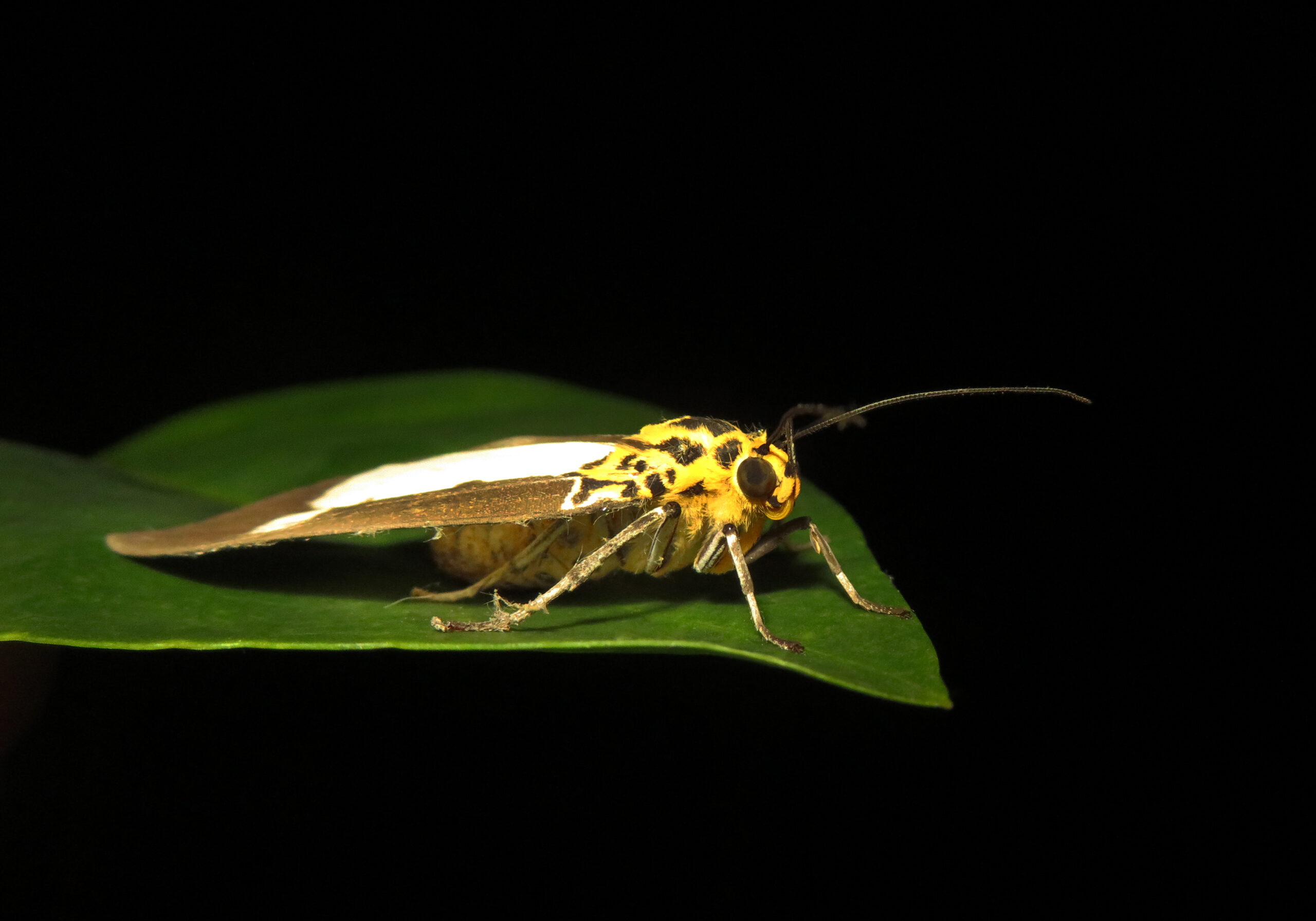
Moths of the subfamily Aganainae are generally medium to large in size and are recognized for their robust bodies and striking wing patterns. Many species exhibit contrasting combinations of white, yellow, orange, red, brown, and black, often serving as warning coloration to deter predators. Their forewings are usually elongated, while the hindwings may be brightly colored and conspicuous during flight.
Adults are predominantly nocturnal, although several species are active during the day or at twilight. They possess well-developed, scaled wings and a functional proboscis, enabling them to feed on nectar and other sugary liquids. Their conspicuous coloration and relatively slow flight distinguish many species from the more cryptically colored noctuoid moths.
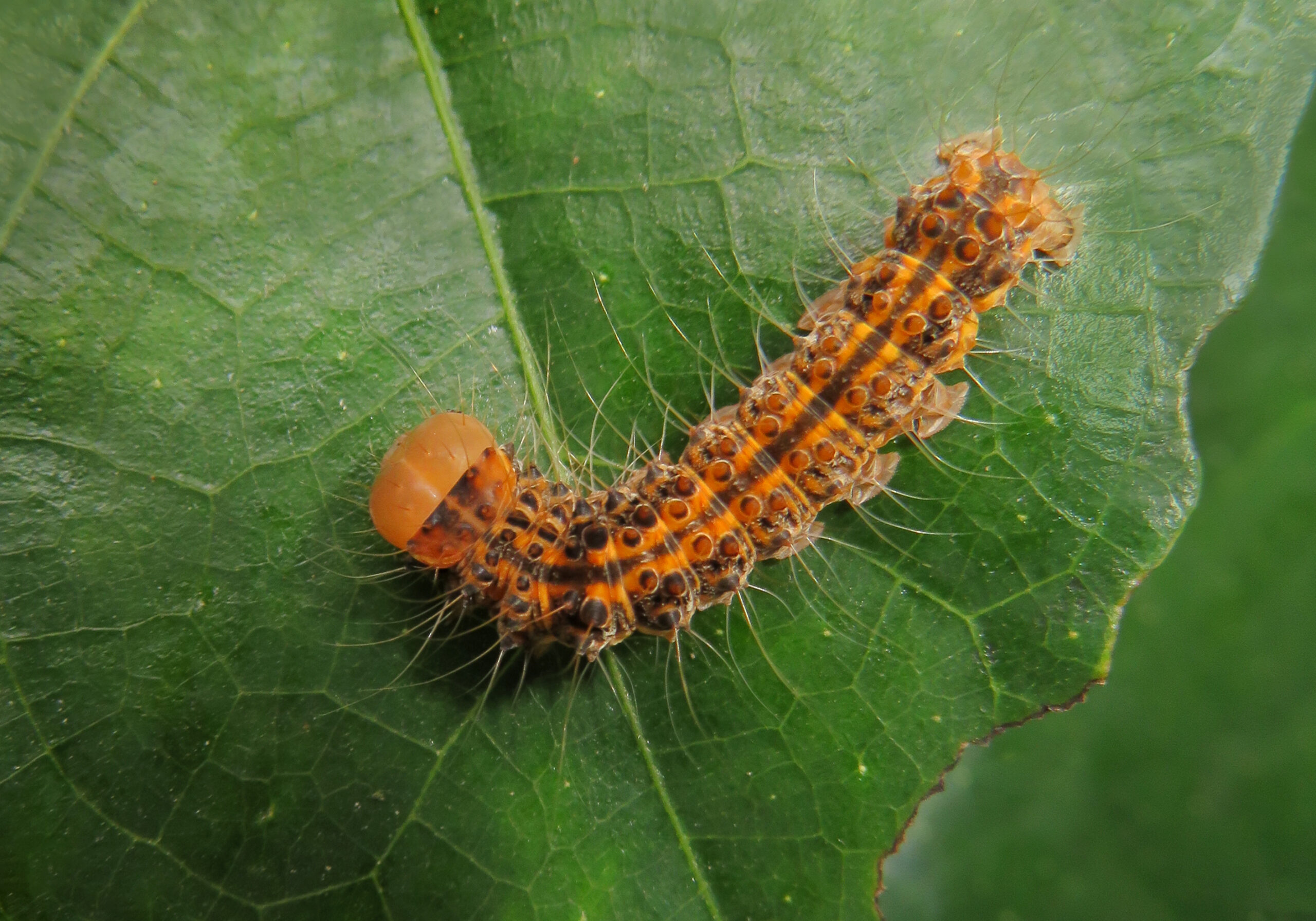
The life cycle involves complete metamorphosis, consisting of egg, larva (caterpillar), pupa, and adult stages. Caterpillars are typically smooth-bodied or sparsely hairy and often display bright warning colors. They feed primarily on the leaves of shrubs and trees, especially species in the families Apocynaceae, Moraceae, and related plant groups. Some larvae are capable of sequestering toxic compounds from their host plants, making both larvae and adults distasteful to predators.
The subfamily includes well-known genera such as Asota, Neochera, Peridrome, and related taxa, many of which are recognized for their attractive coloration and ecological associations with toxic host plants.
Ecologically, Aganainae moths contribute to terrestrial ecosystems as herbivores during the larval stage and as pollinators during adulthood. They also serve as prey for birds, bats, reptiles, spiders, and predatory insects, although their chemical defenses reduce predation by some animals. Through their interactions with host plants, predators, and pollinated flowers, Aganainae species play an important role in maintaining the biodiversity and ecological balance of tropical ecosystems.