

Suborder Cotylea
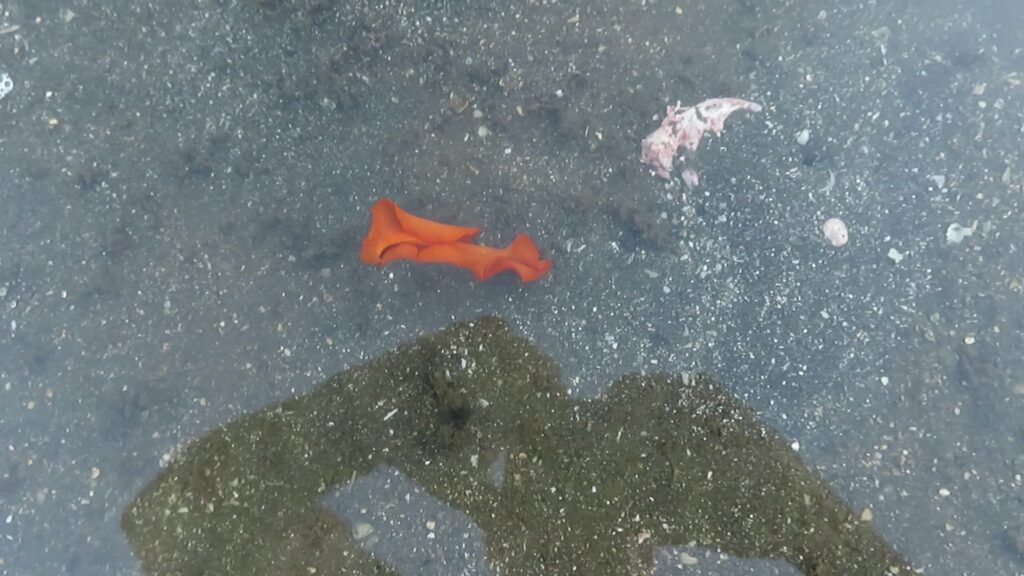
Suborder Cotylea is a group of marine flatworms within the order Polycladida and the phylum Platyhelminthes. Members of this suborder are predominantly marine benthic organisms, commonly inhabiting tropical and subtropical coastal environments, including coral reefs, rocky shores, seagrass beds, sandy substrates, and shallow subtidal habitats. They are characterized by their soft, dorsoventrally flattened bodies, broad leaf-like shapes, and highly branched digestive cavities. A distinctive feature of Cotylea is the presence of a ventral adhesive organ, known as a sucker or cotyl, located near the posterior region of the body in many species. This structure helps the worms attach to surfaces and maintain their position in environments affected by water movement. Many cotyleans display striking coloration and intricate patterns of spots, stripes, and contrasting bands, which may provide camouflage or serve as warning signals to potential predators. Locomotion is primarily achieved through ciliary movement across the substrate, supplemented by muscular contractions and undulating body movements. Most members are carnivorous, feeding on small marine invertebrates such as mollusks, crustaceans, bryozoans, and other soft-bodied organisms. Their muscular, eversible pharynx assists in capturing and digesting prey, while their branched digestive system distributes nutrients throughout the body. Reproduction is generally sexual, and most species are simultaneous hermaphrodites, possessing both male and female reproductive organs. Fertilized eggs are deposited in capsules or gelatinous masses, and development may involve direct hatching or larval stages, depending on the species. Through their predatory activities, cryptic behavior, and interactions with other benthic organisms, Cotylea contributes to the ecological diversity of marine communities. Although many species are relatively inconspicuous and remain insufficiently studied, their populations may be affected by coral reef degradation, coastal pollution, habitat disturbance, and broader environmental changes.