

Cranes, Rails, and Allies (Order Gruiformes)
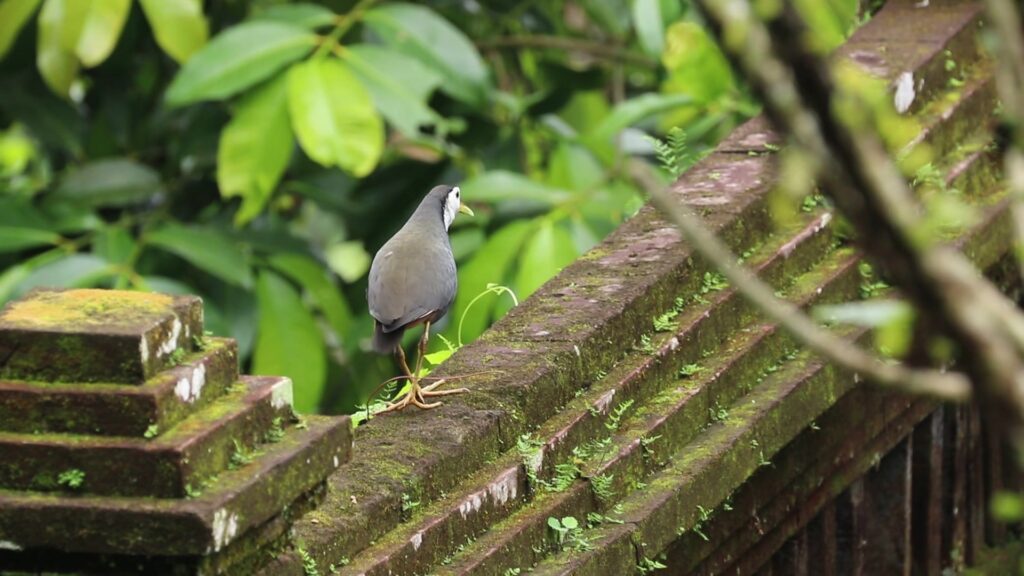
The order Gruiformes is a diverse group of birds that includes cranes, rails, crakes, coots, flufftails, trumpeters, and several other related or historically associated groups. Members of this order occur on every continent except Antarctica and occupy a wide range of habitats, including wetlands, marshes, grasslands, forests, riverbanks, and open agricultural landscapes. Many species are strongly associated with water, while others are adapted to terrestrial environments and spend most of their lives moving through dense vegetation or open grassland. Gruiformes display considerable diversity in body size, feeding behavior, flight ability, and social organization.
Cranes are among the most recognizable members of Gruiformes. They are generally large, long-legged birds with elongated necks, broad wings, and relatively long bills. Many species have elaborate courtship displays involving synchronized movements, bowing, wing spreading, and jumping. Rails, crakes, and coots are generally smaller and often have laterally compressed bodies that help them move through dense marsh vegetation. Their legs and toes are adapted to different degrees for walking on soft ground, swimming, or moving across floating vegetation. Other members, such as trumpeters of South America, are terrestrial forest birds with strong legs and social behaviors that differ considerably from those of cranes and rails.
Plumage coloration varies widely across the order. Many cranes have gray, white, brown, or black feathers, sometimes accompanied by distinctive red skin patches on the head. Rails and crakes frequently have brown, black, gray, or chestnut plumage that provides camouflage among reeds, grasses, and leaf litter. Coots are often dark-bodied with pale bills and frontal shields, making them readily identifiable on open water. Some forest-dwelling species possess more colorful plumage, while others remain inconspicuous. These differences reflect the varied environments in which Gruiformes live and the different demands of concealment, territorial signaling, and courtship.
The distribution of Gruiformes is broad, although individual families and species often have more restricted ranges. Cranes occur across parts of North America, Europe, Africa, and Asia, with some species undertaking long seasonal migrations. Rails and crakes are distributed across nearly all major land regions and include island species that have evolved in isolation. Coots are widespread in freshwater wetlands, while trumpeters are native to tropical South American forests. Many species use seasonal wetlands, floodplains, marshes, shallow lakes, and grasslands, while others inhabit tropical forests, mountain meadows, or dense scrub. Their geographical distribution is strongly influenced by food availability, breeding habitat, and the seasonal presence of water.
Wetland habitats are particularly important to many Gruiformes. Shallow water provides access to aquatic invertebrates, seeds, plant shoots, small fish, amphibians, and other food sources. Dense reeds and sedges offer shelter from predators and suitable locations for nesting. Species that occupy grasslands may rely on open areas for foraging and display, while forest-dwelling birds use the understory and forest floor to search for food. Some rails are remarkably secretive and are more often detected by their calls than by direct observation. Coots and certain other water-associated species, in contrast, frequently forage in open view.
Feeding strategies within Gruiformes vary according to species and habitat. Many cranes are omnivorous, consuming roots, seeds, grains, berries, insects, worms, amphibians, reptiles, and small vertebrates. Rails and crakes often feed on insects, mollusks, crustaceans, seeds, and aquatic plant material. Coots commonly consume aquatic vegetation, algae, and small invertebrates, sometimes diving beneath the water to reach food. Trumpeters forage on the forest floor for fruits, seeds, insects, and other small food items. The diversity of diets allows different species to occupy distinct ecological niches and contribute to food-web processes in wetlands, grasslands, and forests.
Movement and social behavior also differ considerably across the order. Several crane species are long-distance migrants, traveling between breeding and wintering grounds in response to seasonal changes in climate and food supply. During migration, cranes may form large flocks and use soaring flight to conserve energy. Many rails are less conspicuous and tend to move on foot through vegetation, although some species are capable of sustained flight. Island rails have evolved reduced flight ability or flightlessness in some cases, particularly where terrestrial predators were historically absent. Coots are strong swimmers and can also fly between wetlands, while trumpeters generally walk through forest habitats and often maintain close social associations.
Reproduction among Gruiformes generally involves egg laying, with parental care varying by species. Cranes typically form pair bonds that may last for many years, and many perform complex courtship displays before breeding. They usually build nests on the ground in marshes, wetlands, or other open habitats, where females lay a small clutch of eggs. Both parents commonly participate in incubation and the care of chicks. Rails and crakes also generally nest on or close to the ground, often concealing their nests within dense vegetation. Coots build nests from aquatic plants, sometimes anchoring them among emergent vegetation. The young of many species are precocial, meaning they can move and feed relatively soon after hatching, although they continue to depend on parental protection.
Gruiformes play important ecological roles in the habitats they occupy. By consuming seeds and fruits, some species contribute to seed dispersal and the movement of plant material across landscapes. Others influence aquatic and terrestrial invertebrate populations through predation. Large herbivorous or omnivorous birds can affect vegetation through grazing and feeding, while their movements between wetlands may transport nutrients. They also serve as prey for various predators, particularly during the egg and chick stages. Because many species depend on shallow wetlands, natural grasslands, or intact forests, their presence can provide useful information about habitat conditions, although no single group of birds is a universal indicator of ecosystem health.
Conservation challenges are significant for some members of Gruiformes. Wetland drainage, agricultural expansion, urban development, water pollution, and changes in river flow can eliminate breeding and feeding habitats. Grassland species may be affected by intensive farming, overgrazing, and the loss of traditional open landscapes. Cranes and other large birds can also face threats from hunting, collisions with power lines, and disturbance at nesting or stopover sites. Island rails are particularly vulnerable to introduced predators such as rats, cats, and other mammals, and several island species have become extinct following human settlement. Conservation efforts include wetland restoration, protection of breeding areas, sustainable land management, control of invasive predators, and international cooperation to safeguard migratory routes.
Taxonomic classification within Gruiformes has changed as anatomical and genetic research has improved understanding of bird evolution. Some bird groups once placed within this order have been reassigned to other orders, while the relationships among certain traditional Gruiform families remain subjects of scientific study. The order is therefore best understood as a recognized evolutionary grouping whose precise internal classification may differ among taxonomic authorities. Cranes, rails, coots, and trumpeters represent its most familiar living members, although they differ markedly in appearance, behavior, and ecological specialization.
Overall, Gruiformes represents a varied group of birds adapted to wetlands, grasslands, forests, and other environments across the world. From the spectacular displays of cranes to the secretive movements of rails and the swimming behavior of coots, the order illustrates the diversity of avian adaptations to different ecological conditions. Its members contribute to seed dispersal, nutrient cycling, and the regulation of invertebrate and small-vertebrate populations. Protecting the habitats on which they depend is essential for maintaining the diversity and ecological functions of these distinctive birds.