Bali Wildlife
Every Spices Matter


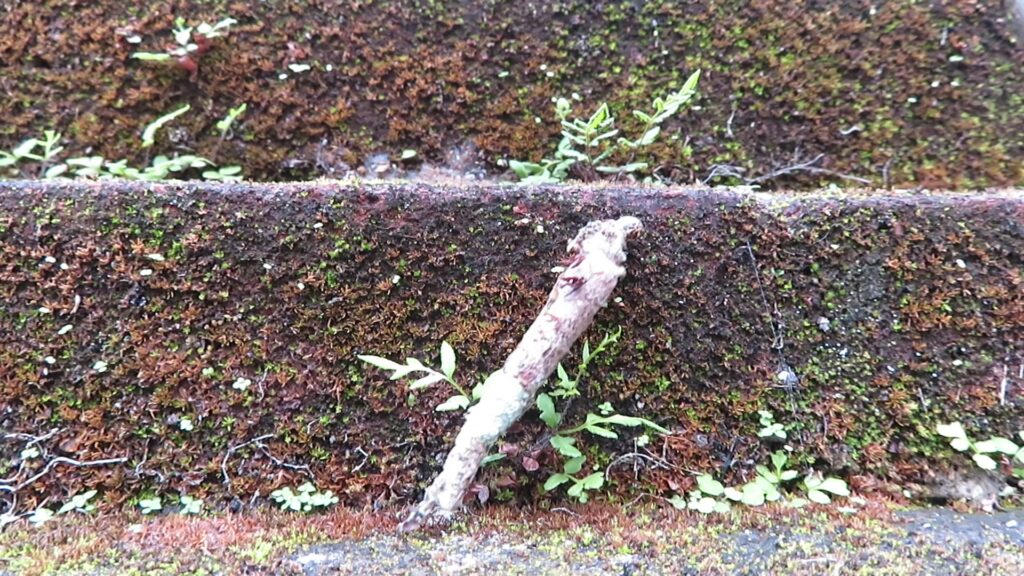
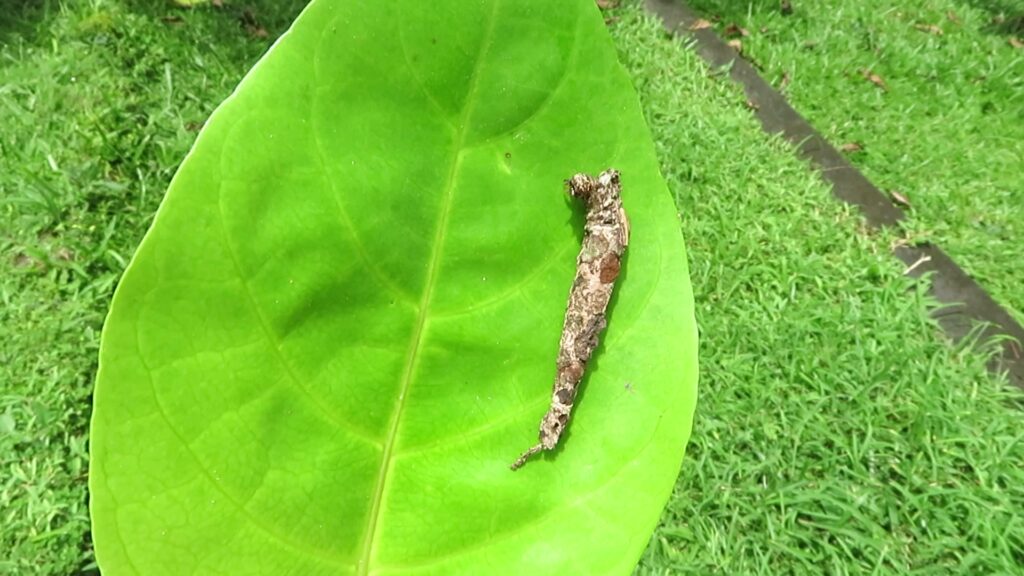
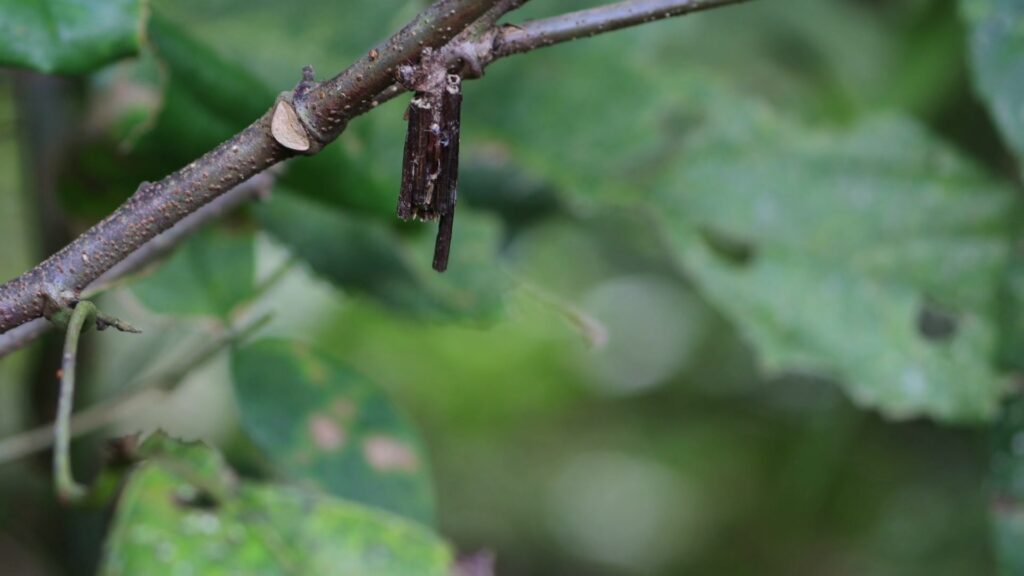
Family Psychidae is a family of moths belonging to the order Lepidoptera and superfamily Tineoidea, commonly known as bagworm moths. These insects are widely distributed throughout tropical, subtropical, and temperate regions, inhabiting forests, grasslands, shrublands, agricultural areas, and gardens. They are particularly notable for the distinctive protective cases constructed by their larvae from silk, plant fragments, leaves, twigs, bark, and other environmental materials. These portable cases provide camouflage and protection against predators, environmental fluctuations, and physical disturbance. The shape, size, and composition of the cases vary considerably among species, often reflecting the materials available in their habitats. Bagworm caterpillars generally live inside their cases, extending their heads and thoracic legs to move along vegetation and feed on leaves, bark, lichens, or other plant-associated materials. Some species feed on a broad range of plants, while others are more specialized in their host-plant preferences. Adult moths exhibit remarkable sexual dimorphism in many species. Males typically develop functional wings and are capable of flying in search of females, whereas females in several lineages remain wingless, legless, or larva-like and may spend most of their adult lives within or near their larval cases. Reproduction commonly involves females releasing pheromones to attract males, after which eggs are deposited within the case or another protected location. The larvae hatch and construct their own cases as they grow, gradually enlarging them with additional silk and environmental material. Psychidae species undergo complete metamorphosis, with pupation generally occurring inside the protective case. Ecologically, bagworms contribute to plant–insect interactions and serve as prey for birds, parasitoid wasps, and other predators. Some species can become significant defoliators when populations increase, potentially damaging ornamental plants, forest vegetation, and agricultural crops. Through their unusual case-building behavior, diverse feeding strategies, and adaptations to terrestrial habitats, Psychidae represents a distinctive family of moths with important ecological roles in many ecosystems.