

Black Earwigs (Family Chelisochidae)
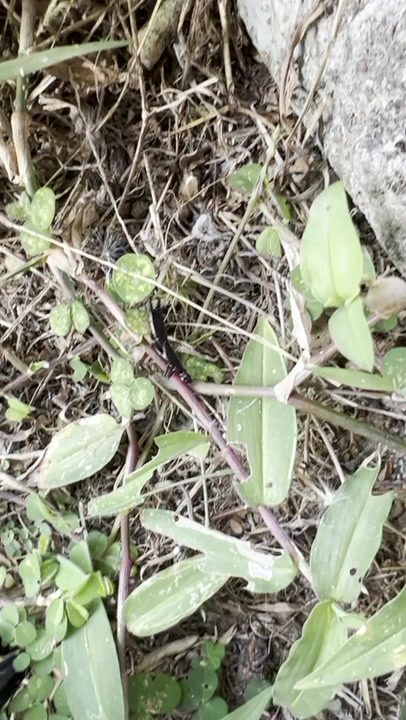
Chelisochidae is a family of earwigs in the order Dermaptera, comprising mostly medium-sized, robust earwigs found predominantly in tropical and subtropical regions. Members are characterized by elongated bodies, short leathery forewings or wing reduction, and the characteristic paired abdominal cerci, which form forceps-like pincers at the rear of the body. The family includes both ground-dwelling and arboreal species and is particularly diverse in the Old World tropics.
Chelisochids are generally medium-sized earwigs, although body dimensions vary substantially among species. The body is elongated and somewhat flattened, with a distinct head, compact thorax, and segmented abdomen. Coloration is commonly dark brown, reddish brown, black, or combinations of these tones. Some species have contrasting markings on the head, pronotum, or wings.
The most conspicuous feature is the pair of cerci at the end of the abdomen. These structures form forceps-like appendages, although their exact shape varies between species and sexes. In some chelisochids the forceps are relatively straight and slender, whereas in others they are more strongly curved. They are used in defense, prey handling, courtship, and manipulation of objects.
The forceps are particularly important in reproductive behavior. Males and females can differ markedly in the size and curvature of their cerci, and males may use the forceps during courtship or competition with rivals. Despite their intimidating appearance, the cerci are not venomous and are primarily mechanical structures.
Chelisochidae contains species with varying degrees of wing development. Some possess relatively well-developed wings and are capable of flight, while others have shortened wings or are effectively wingless. When present, the forewings are hardened into protective tegmina, while the membranous hindwings are folded beneath them. Wing reduction is associated with species that spend most of their lives crawling through vegetation, leaf litter, or sheltered spaces.
Many chelisochids are nocturnal, becoming active after sunset. During the day they may hide beneath bark, stones, fallen leaves, logs, flowers, or other protected surfaces. Arboreal species can occur on tree trunks and foliage, while others occupy the ground layer. Their flattened bodies allow them to exploit narrow crevices and sheltered microhabitats.
Feeding habits are diverse. Chelisochidae includes omnivorous, scavenging, and predatory species that consume small insects and other arthropods, soft plant material, nectar, fruits, fungi, and decaying organic matter. Some species readily exploit dead or damaged plant tissues, while others actively hunt small invertebrates. This dietary flexibility helps them occupy a variety of tropical habitats.
The family includes Chelisoches, one of its best-known genera. Chelisoches morio is a widespread tropical earwig frequently encountered around vegetation, gardens, agricultural areas, and human-modified habitats. Other genera include Hamaxas and several additional tropical lineages. The exact generic composition of Chelisochidae varies somewhat among taxonomic treatments.
Chelisochids are particularly diverse in South and Southeast Asia, Australasia, the Pacific islands, and other tropical regions. Their distribution extends across numerous islands and continental areas, with species often having relatively localized ranges. Tropical forests, plantations, gardens, coastal vegetation, and other warm environments provide suitable habitats for many members.
Some species have become associated with agricultural environments. Their presence can have contrasting effects depending on the species: omnivorous species may consume plant material and occasionally cause damage, while predatory individuals can consume small insect pests. Consequently, chelisochids may participate in both herbivorous and predatory interactions within cultivated ecosystems.
Reproduction involves internal fertilization, followed by deposition of eggs in protected locations. Female earwigs generally provide some degree of parental care, including guarding the eggs and maintaining their cleanliness. In many earwigs, maternal behavior continues through the early development of the nymphs, although the extent of parental care varies among species.
The eggs hatch into nymphs that resemble miniature adults but lack fully developed wings and reproductive structures. Nymphs undergo several molts before reaching maturity. During development, the cerci gradually acquire the characteristic adult form, while winged species progressively develop their adult wing structures.
Ecologically, Chelisochidae occupies several important roles. Predatory members help regulate populations of small arthropods, while omnivorous and detritivorous species contribute to the breakdown and recycling of organic matter. They are also prey for birds, frogs, lizards, spiders, predatory insects, and small mammals, making them integral components of tropical food webs.
The family’s tropical distribution makes it particularly relevant to island biogeography and evolutionary diversification. Many chelisochid species are restricted to particular islands or regions, where geographic isolation can promote differentiation. Their varying degrees of wing development may further influence dispersal ability and geographic distribution.
Overall, Chelisochidae is a diverse family of tropical earwigs characterized by elongated bodies, forceps-like abdominal cerci, variable wing development, nocturnal habits, and flexible feeding strategies. Their combination of predatory, scavenging, and herbivorous behavior allows them to occupy several ecological niches, while their distinctive forceps and parental care make them especially recognizable members of Dermaptera.