

Eubrachyuran Crabs (Zoosection Eubrachyura)
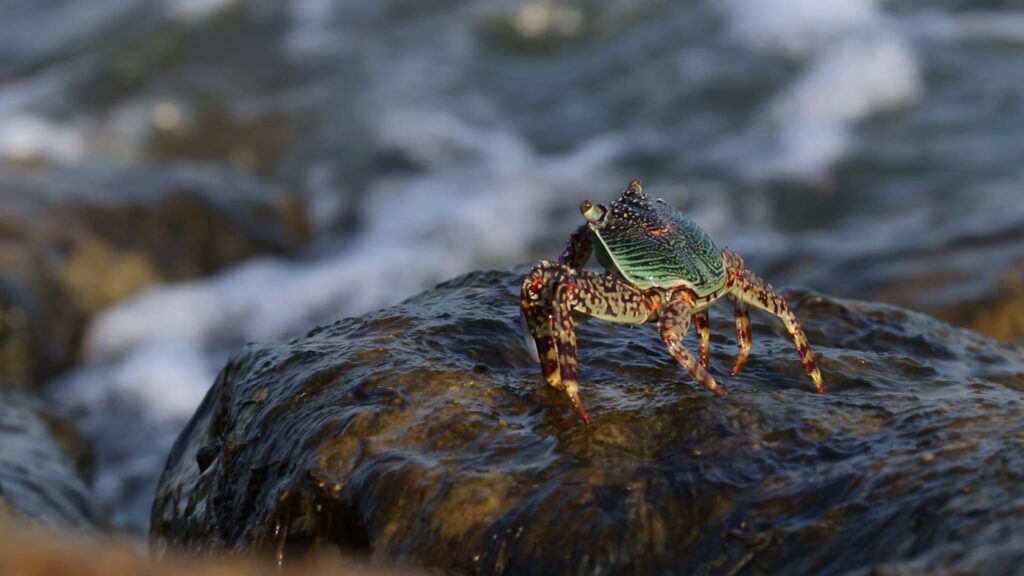
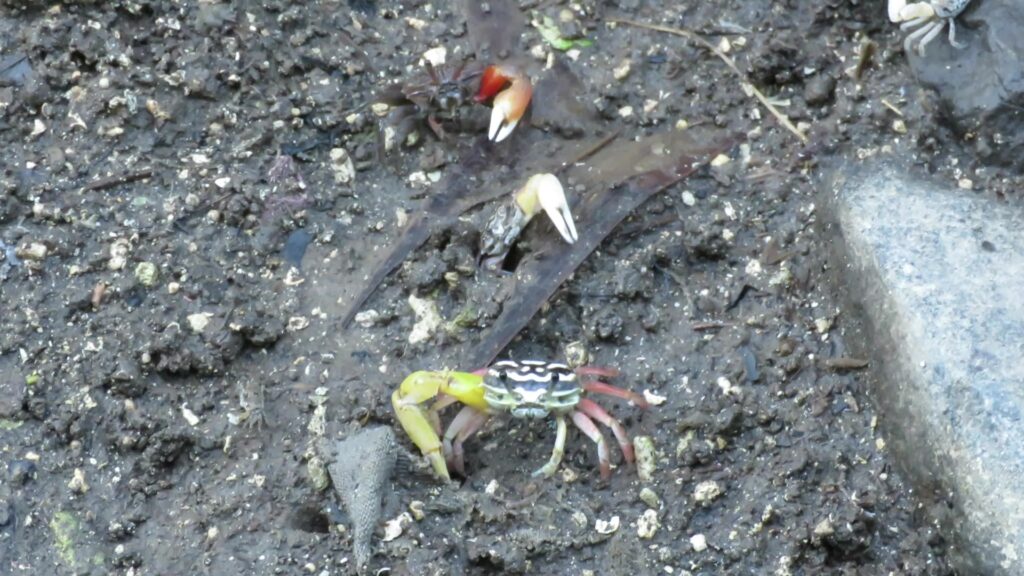
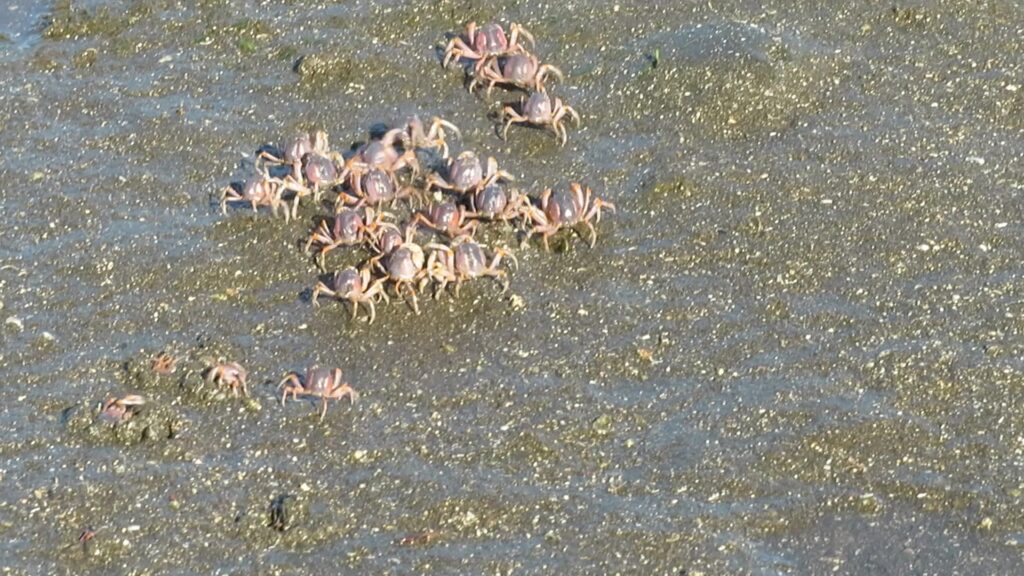
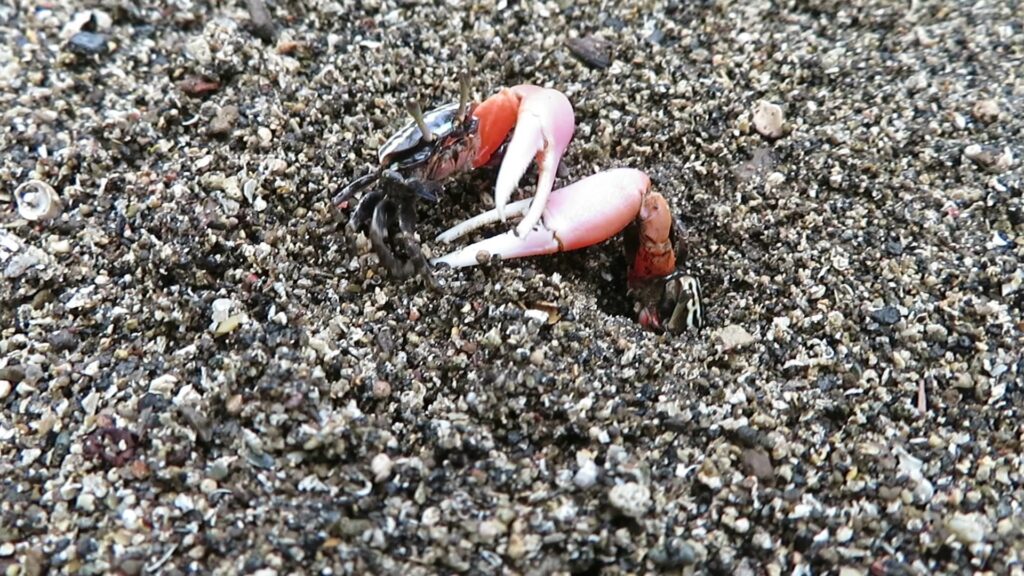
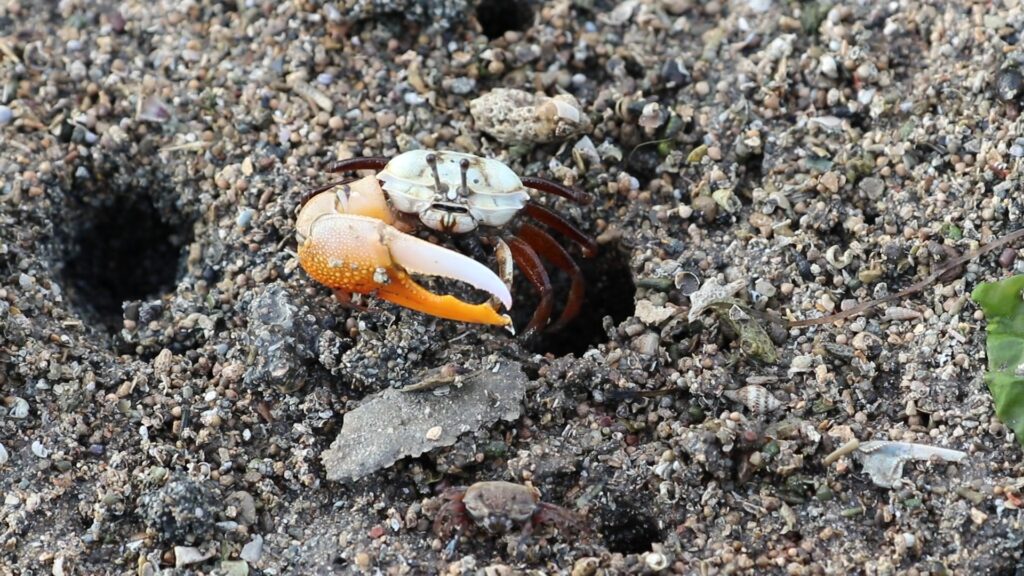
Zoosection Eubrachyura is a major taxonomic grouping within the infraorder Brachyura, which comprises the true crabs. Eubrachyurans include a vast diversity of crabs found in marine, freshwater, and coastal environments, ranging from coral reef inhabitants and mangrove crabs to freshwater species and crabs adapted to life on land. The group is particularly significant in crab classification because it encompasses two large evolutionary lineages, Heterotremata and Thoracotremata, which are distinguished in part by differences in the position of their reproductive openings.
Eubrachyurans generally possess a broad, compact body covered by a hard carapace that protects the cephalothorax and internal organs. The carapace varies in shape among species and may be rounded, oval, square, triangular, or irregularly sculptured. Its surface can be smooth or ornamented with ridges, granules, spines, and tubercles. These features can provide camouflage, protection, and useful characteristics for distinguishing species. The abdomen is reduced and folded beneath the body, giving most members the characteristic compact appearance associated with true crabs.
Like other brachyurans, eubrachyurans possess five pairs of thoracic appendages. The first pair typically forms claws, known as chelae, while the remaining four pairs are primarily used for walking. Claws vary considerably in size and shape and may be adapted for crushing shells, cutting food, defending against predators, or competing for mates. Some species have one claw that is substantially larger than the other, while others have similarly sized claws. Certain swimming crabs possess flattened rear legs that function as paddles, allowing efficient movement through the water.
The classification of Eubrachyura is based on anatomical and evolutionary relationships rather than on a single external feature. A key distinction within the group concerns the position of the male and female genital openings. In Heterotremata, male openings are located on the coxae of the fifth pair of walking legs, while female openings are located on the sternum. In Thoracotremata, the openings of both sexes are situated on the sternum. These differences are important in higher-level crab taxonomy and help scientists understand evolutionary relationships among major crab lineages.
Eubrachyurans occupy a wide range of habitats. Marine species inhabit coral reefs, rocky shores, sandy and muddy seabeds, seagrass meadows, and deep-sea environments. Many coastal species occur in estuaries and mangrove forests, where they tolerate changing salinity and exploit abundant organic material. Freshwater eubrachyurans inhabit rivers, streams, lakes, and wetlands, especially in tropical regions. Some species have become highly adapted to terrestrial life and may live in forests, coastal vegetation, or burrows, although many still depend on moist environments for respiration and reproduction.
Feeding strategies among eubrachyurans are highly diverse. Many species are omnivorous, consuming algae, plant material, detritus, mollusks, worms, and carrion. Others are specialized predators that capture small animals or crush hard-shelled prey with powerful claws. Scavenging species help remove dead organisms, while herbivorous crabs can influence vegetation and algal growth. Their mouthparts and claws allow them to manipulate food efficiently, enabling them to exploit a broad range of food resources in marine and terrestrial ecosystems.
Respiration generally occurs through gills housed in chambers beneath the carapace. Water or moist air circulates through these chambers, allowing oxygen exchange. Species that spend extended periods on land have adaptations that help maintain respiration while reducing water loss, although their dependence on moisture varies. Eubrachyurans also possess compound eyes, commonly carried on movable stalks, and sensory antennae that detect chemical cues and physical stimuli. These sensory systems assist with navigation, food detection, predator avoidance, and communication.
Reproduction typically involves separate male and female individuals, with courtship behaviors that may include chemical signals, visual displays, claw movements, and physical interactions. Females of many species carry fertilized eggs beneath the abdomen, attached to specialized abdominal appendages. Marine species often release larvae into the water, where development commonly includes zoeal stages followed by a megalopa stage before the juvenile crab forms. In many freshwater and terrestrial lineages, larval development is abbreviated, allowing young to emerge in a more advanced form suited to their particular habitat.
Eubrachyurans play essential ecological roles as predators, scavengers, prey, and consumers of organic matter. Mangrove crabs help process fallen leaves, mix sediments, and influence nutrient cycling. Predatory crabs can regulate populations of mollusks and other invertebrates, while smaller species provide food for fish, birds, reptiles, and mammals. Their burrowing activities can alter soil structure and water movement in coastal environments. As a result, changes in crab populations may affect the functioning of mangroves, estuaries, coral reefs, and other ecosystems.
The group also has considerable economic and cultural importance. Many eubrachyurans, including mud crabs, swimming crabs, and numerous edible coastal species, support commercial fisheries, aquaculture, and local harvesting. However, their populations can be threatened by overfishing, habitat destruction, pollution, coastal development, and climate change. Mangrove clearance and degradation of estuarine habitats are particularly damaging to species that depend on these environments for shelter, feeding, or reproduction.
Overall, Zoosection Eubrachyura represents a major evolutionary grouping of true crabs, characterized by substantial anatomical diversity and broad ecological distribution. Its members occupy habitats ranging from marine reefs and deep-sea sediments to freshwater systems and tropical forests. Their specialized appendages, varied feeding habits, reproductive adaptations, and ecological functions make eubrachyurans important subjects in crustacean taxonomy, evolutionary biology, conservation, and fisheries management.