Bali Wildlife
Every Spices Matter


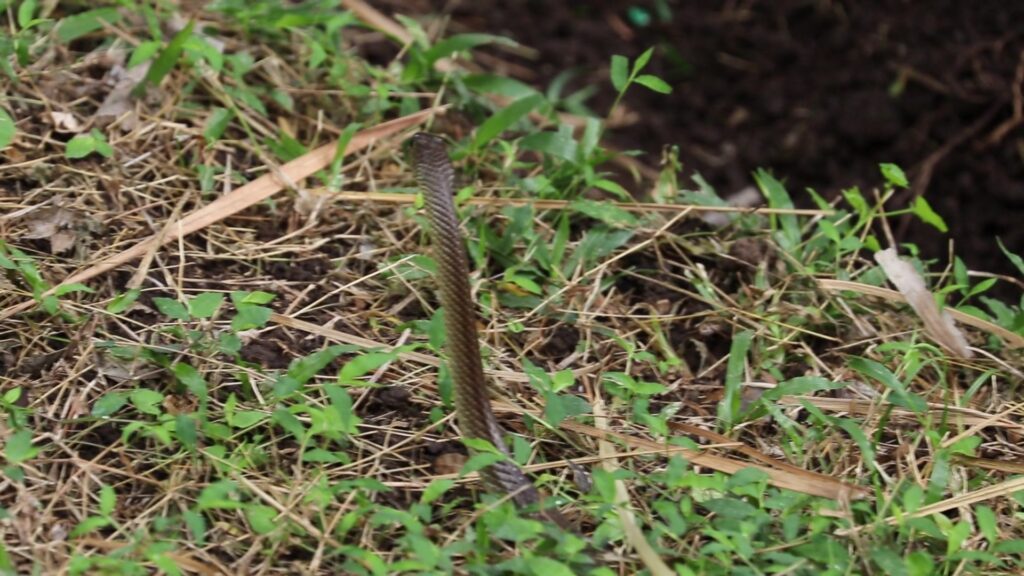
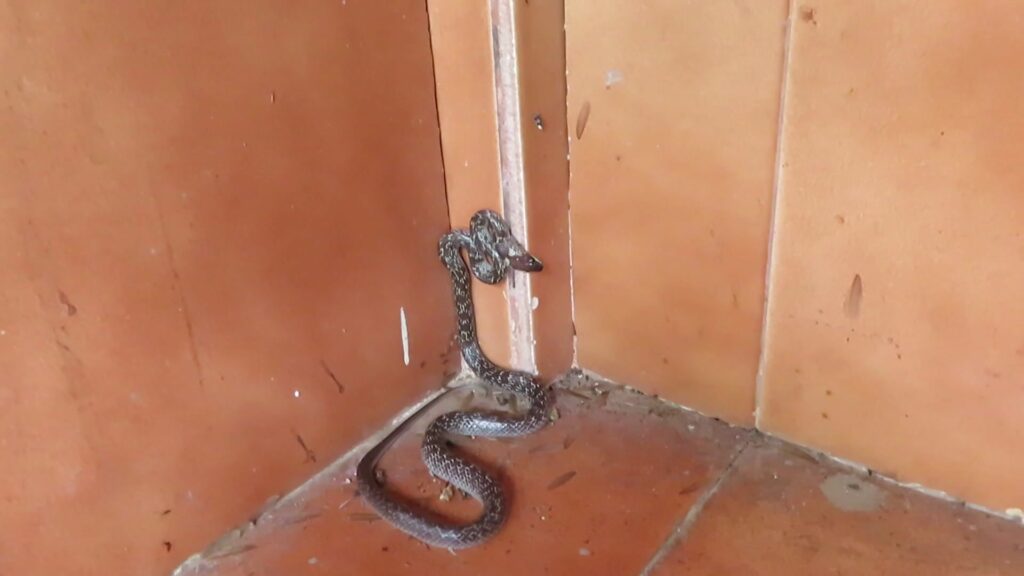
Colubrinae is a large subfamily of snakes within the family Colubridae (Order Squamata). It comprises more than 800 described species distributed across Africa, Asia, Europe, North America, and parts of Central America, with the greatest diversity occurring in tropical and subtropical regions. Members occupy an extensive variety of habitats, including tropical rainforests, temperate forests, grasslands, savannas, shrublands, wetlands, deserts, agricultural fields, plantations, parks, gardens, and urban environments.
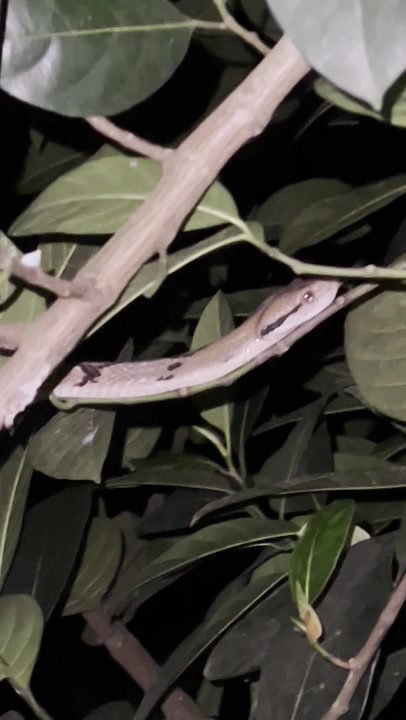
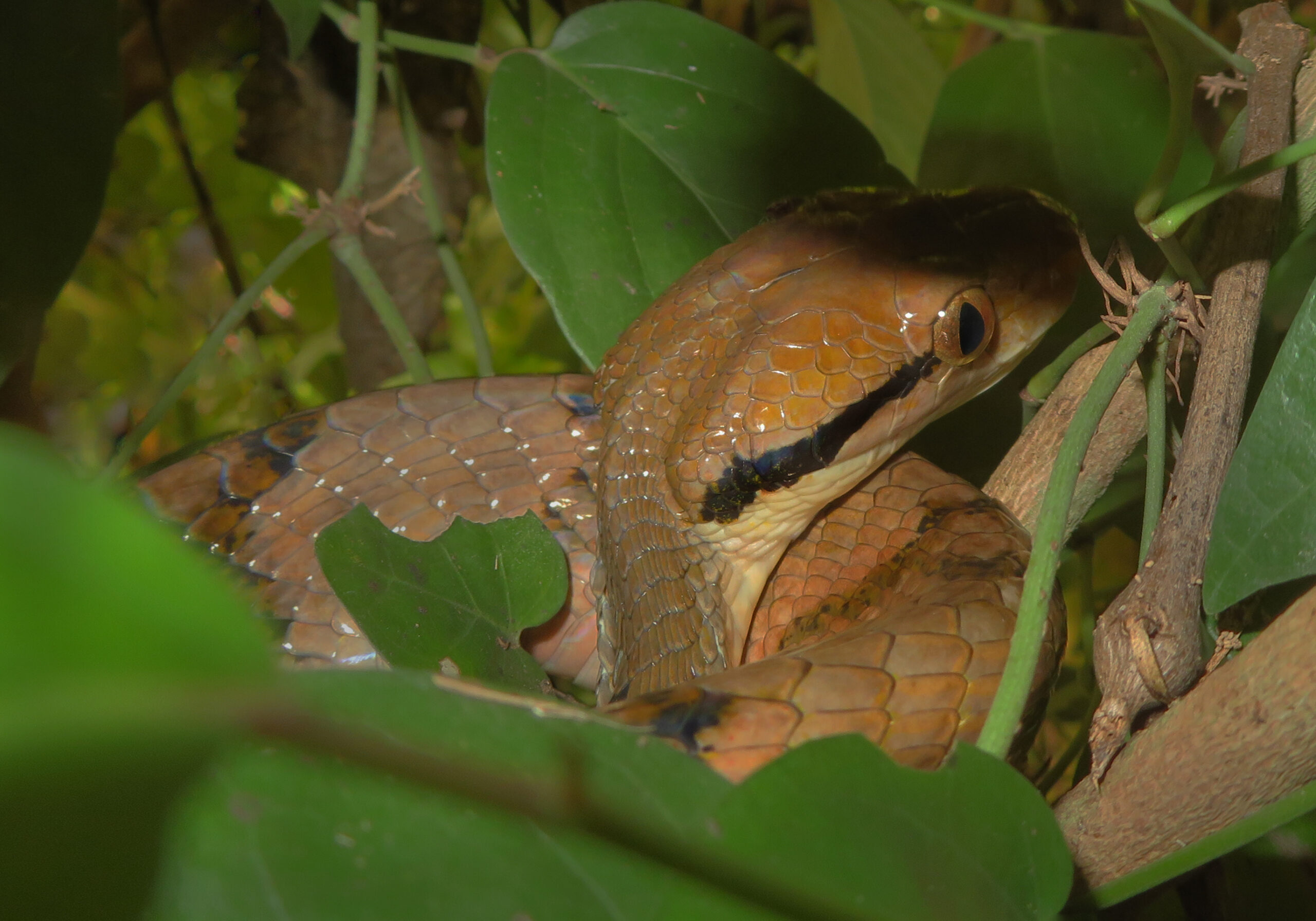
Snakes of the subfamily Colubrinae are generally slender to moderately robust and range from 20 cm to over 3 m in total length, depending on the species. They possess smooth or weakly keeled scales, a well-defined head, and large eyes with round pupils in most species, although eye size and scale arrangement vary considerably among genera. Coloration is highly diverse, including shades of brown, gray, green, olive, black, yellow, red, or orange, often combined with stripes, bands, blotches, or checkered patterns that provide camouflage in their natural habitats. Some species exhibit mimicry of venomous snakes as a defensive strategy.
Most colubrine snakes are diurnal, though many species are crepuscular or nocturnal. They are agile and active hunters that rely primarily on vision and chemical cues detected through tongue-flicking and the Jacobson’s (vomeronasal) organ to locate prey. Depending on the species, they may be terrestrial, arboreal, semi-aquatic, or fossorial. When threatened, individuals may flatten the neck, vibrate the tail, emit foul-smelling secretions, or strike repeatedly, but the majority are harmless to humans.
Members of Colubrinae are predominantly carnivorous, feeding on a wide variety of prey including rodents, birds, bird eggs, lizards, frogs, snakes, fish, and invertebrates. Most species subdue prey by seizing and swallowing it alive, while larger species often use constriction to immobilize prey before ingestion. Rear-fanged species with mild venom occur within the subfamily, but their venom is generally adapted for prey capture and is rarely of medical significance to humans.
The life cycle includes egg, juvenile, and adult stages. Most species are oviparous, laying eggs in concealed locations such as burrows, rotting logs, leaf litter, or rock crevices, although a few species are viviparous. Hatchlings are fully independent from birth and begin hunting small prey shortly after emerging.
The subfamily includes numerous well-known genera such as Coelognathus, Lycodon, Dendrelaphis, Ptyas, Orthriophis, Pantherophis, Masticophis, and Dolichophis. These snakes exhibit a remarkable diversity of body forms, ecological adaptations, and behaviors, making Colubrinae one of the most evolutionarily successful groups of reptiles.
Ecologically, Colubrinae snakes are important mesopredators that help regulate populations of rodents, amphibians, reptiles, and other small vertebrates, thereby contributing to ecosystem balance and natural pest control. In turn, they serve as prey for birds of prey, mammals, larger snakes, and monitor lizards. Their abundance, habitat specialization, and sensitivity to environmental change make many colubrine snakes valuable indicators of ecosystem health, habitat quality, and biodiversity.