

Rails, Gallinules, and Coots (Family Rallidae)
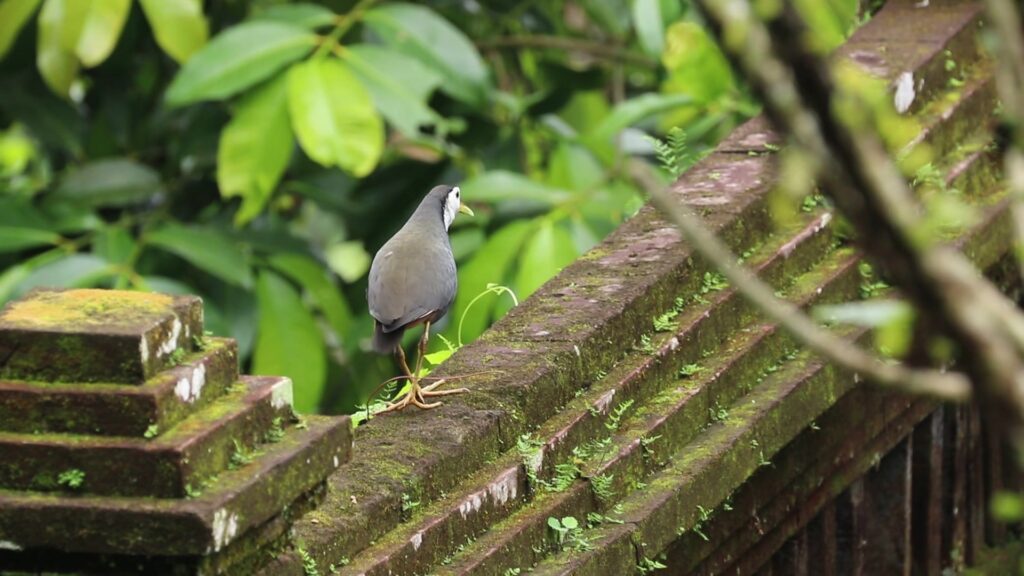
The family Rallidae is a diverse group of birds in the order Gruiformes, commonly known as rails, crakes, gallinules, and coots. These birds occur on every continent except Antarctica and inhabit a wide range of environments, including freshwater marshes, swamps, reed beds, mangroves, wet grasslands, forest floors, and the edges of lakes and rivers. Most species are closely associated with wetlands or dense vegetation, where they find food and shelter from predators. Although many rallids are secretive and difficult to observe, the family includes highly adaptable species that thrive in agricultural landscapes, urban wetlands, and other human-modified environments.
Rallids vary considerably in size and appearance, ranging from tiny crakes to comparatively large gallinules and coots. Most have compact bodies, short tails, rounded wings, and relatively long legs. Their bodies are often laterally compressed, allowing them to move efficiently through dense reeds, grasses, and tangled vegetation. Many species have long toes that distribute their weight across soft mud or floating plants, reducing the likelihood of sinking into unstable substrates. Coots possess lobed toes that aid swimming, while other members of the family rely more heavily on walking and running through marsh vegetation. Bills vary from short and stout to elongated and slender, reflecting differences in feeding behavior.
Plumage coloration among Rallidae is equally diverse. Many rails and crakes have mottled brown, gray, black, or chestnut feathers that provide camouflage among reeds, leaf litter, and marsh grasses. Other species, particularly gallinules and coots, may have dark bodies contrasting with brightly colored bills, frontal shields, or legs. The purple swamphen, for example, is notable for its vivid blue-purple plumage and red bill and legs, while the common moorhen typically has dark plumage, a red frontal shield, and a yellow-tipped bill. These differences help distinguish species and may also play roles in territorial behavior and mate recognition.
The family has an extensive global distribution, with its greatest diversity occurring in tropical and subtropical regions. Rallids inhabit parts of Africa, Asia, Europe, the Americas, Australia, and numerous oceanic islands. Some species have exceptionally broad ranges, while others are restricted to individual islands, mountain regions, or specialized wetland systems. Their ability to exploit different habitats has allowed them to colonize many isolated islands, where some populations have evolved distinctive forms and behaviors. However, island species with limited flight ability are particularly vulnerable to introduced predators and environmental disturbance.
Wetlands are among the most important habitats for Rallidae. Marshes, swamps, floodplains, shallow lakes, and slow-moving rivers provide abundant food, nesting material, and protective cover. Many species prefer habitats with a mixture of open water and dense emergent vegetation, allowing them to forage while remaining close to shelter. Other rallids inhabit damp forests, rice fields, agricultural ditches, and grassy areas far from large bodies of water. Some species can tolerate seasonal changes in water levels by moving between nearby wetlands or using terrestrial habitats when marshes become dry. Their habitat requirements nevertheless differ substantially, and species dependent on particular vegetation types or hydrological conditions may be sensitive to environmental changes.
Rallids have varied diets and are generally omnivorous. They may consume seeds, grasses, leaves, shoots, fruits, aquatic plants, insects, spiders, worms, snails, crustaceans, and small vertebrates such as frogs and fish. Some species forage by probing mud with their bills, while others pick food from vegetation or search among floating plants. Coots often feed on submerged vegetation and algae, diving underwater or reaching below the surface to obtain plant material. Gallinules may climb among emergent plants and forage both on land and in shallow water. This dietary flexibility enables many species to survive in habitats where food availability changes seasonally.
Most rails and crakes are relatively secretive birds that spend much of their time walking through dense vegetation. Their narrow bodies and long toes allow them to negotiate tangled stems and soft substrates with surprising agility. When threatened, they often run into cover rather than immediately taking flight. Many species can swim, and some dive or move through shallow water to evade predators. Their flight ability varies: some are strong fliers capable of long migrations, whereas others undertake only short flights or have reduced flight capacity. Calls are particularly important in the lives of these birds. Their vocalizations may consist of whistles, clucks, grunts, trills, or harsh squawks, helping individuals communicate, defend territories, and locate mates in habitats where visibility is limited.
Reproduction in Rallidae generally involves ground nesting or the construction of nests among emergent aquatic vegetation. Nests may be woven from grasses, reeds, leaves, and other plant material, and are often concealed within dense cover. Females typically lay several eggs, although clutch size varies among species. Incubation and chick care are commonly shared by both parents, but the details differ across the family. Many rallid chicks are precocial, hatching with downy feathers and the ability to move soon after emerging from the egg. Their parents guide them to feeding areas, provide protection, and sometimes assist them in obtaining food. Some species produce multiple broods during a favorable breeding season, particularly where food and water remain abundant.
The ecological importance of Rallidae extends throughout wetland and terrestrial food webs. By consuming plant material, they influence vegetation dynamics and may contribute to the movement of seeds between habitats. Their predation on insects and other invertebrates can affect local prey populations, while their eggs, chicks, and adults provide food for snakes, raptors, mammals, and other predators. Foraging and movement through wetlands may also redistribute organic material and nutrients. Because many species respond to changes in water depth, vegetation structure, and food availability, monitoring rallid populations can help researchers understand ecological changes in freshwater and marsh habitats.
Several members of Rallidae face substantial conservation pressures. Wetland drainage, river modification, pollution, intensive agriculture, and urban expansion have reduced suitable habitat in many regions. Invasive predators, particularly rats, cats, and other introduced mammals, have contributed to the decline or extinction of several island species. Hunting, disturbance, and collisions with infrastructure can also affect certain populations. Species with small ranges or specialized habitat requirements are often particularly vulnerable, whereas widespread generalists may be more resilient. Conservation measures include protecting and restoring wetlands, maintaining natural water regimes, preserving dense shoreline vegetation, controlling invasive predators, and reducing pollution from agricultural and urban sources.
The family Rallidae illustrates the remarkable diversity of birds adapted to life among wetlands and dense vegetation. Its members range from inconspicuous forest crakes to conspicuous swamphens and highly aquatic coots, each displaying distinctive adaptations for feeding, movement, and reproduction. Although many rallids remain hidden from casual observation, they play important roles in ecosystem functioning and represent a significant component of global bird diversity. Their long-term survival depends on maintaining healthy wetlands, preserving specialized habitats, and protecting vulnerable island populations from introduced predators and human disturbance.