

Bush-hens and Allies (Genus Amaurornis)
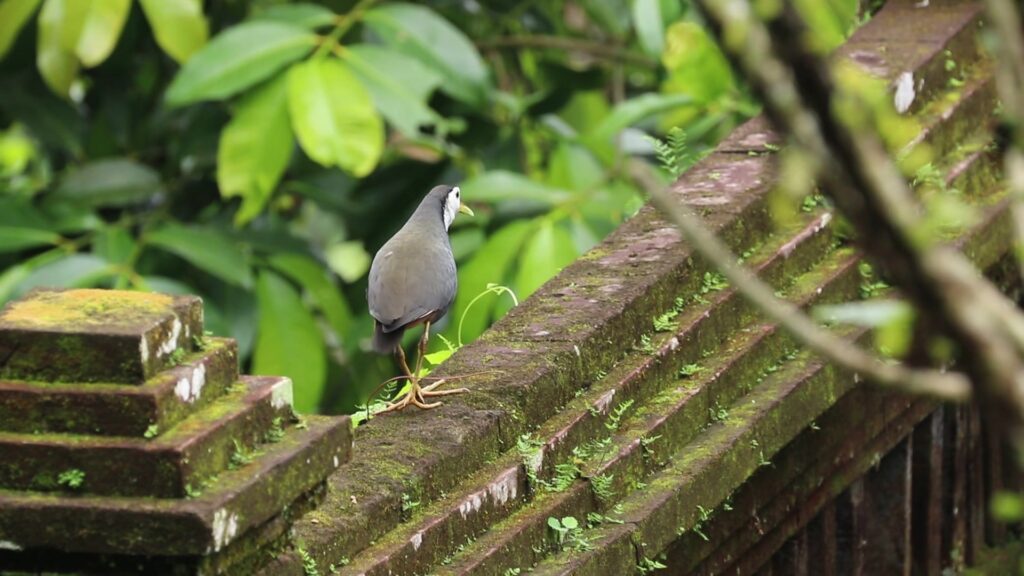
The genus Amaurornis is a group of waterbirds belonging to the family Rallidae, within the order Gruiformes. Its members are commonly known as bush hens or waterhens and are found mainly in tropical and subtropical regions of Asia, extending into parts of Australasia. These birds typically inhabit freshwater wetlands, marshes, swamps, flooded grasslands, rice fields, and the vegetated margins of ponds and streams. Like many other rallids, they are adapted to moving through dense vegetation and soft, muddy substrates, where they forage for food and seek protection from predators.
Species of Amaurornis are generally medium-sized rails with compact bodies, short tails, rounded wings, and relatively long legs. Their bodies are often laterally compressed, enabling them to pass through thick reeds, grasses, and tangled waterside plants. The toes are elongated and well suited to walking over soft mud and floating vegetation. Their bills are usually moderately short and strong, allowing them to pick up seeds, capture invertebrates, and probe among wet vegetation. Compared with some secretive rails, certain species possess relatively conspicuous plumage patterns, including contrasting gray, black, white, or brown coloration.
Plumage varies considerably among species within the genus. The white-breasted waterhen (Amaurornis phoenicurus), for example, has a dark gray head and upper body, a prominent white face and breast, and reddish legs. The white-breasted waterhen is among the most familiar members of the genus in South and Southeast Asia and is often seen near settlements and cultivated wetlands. Other species may have darker, browner, or more uniformly colored plumage that provides camouflage among marsh vegetation. Such differences in coloration and pattern are useful for species identification and may also help individuals recognize members of their own species.
The distribution of Amaurornis is concentrated in the Oriental region, including the Indian subcontinent, southern China, mainland Southeast Asia, and many islands of the Malay Archipelago. Some species also occur farther east into Australasia. The genus includes birds with broad distributions as well as species with more restricted geographical ranges. Its members occupy a variety of tropical and subtropical landscapes, from lowland marshes and river floodplains to damp forest edges and agricultural areas. In Indonesia and other parts of Southeast Asia, suitable habitat can include rice paddies, drainage channels, ponds, and wetlands surrounded by dense vegetation.
Many Amaurornis species are most active during daylight, although they may also forage during twilight or at night depending on local conditions. They commonly walk along muddy shorelines, move between clumps of vegetation, and search beneath leaves or among aquatic plants for food. When alarmed, they usually run quickly into dense cover, relying on their ability to move through vegetation rather than immediately taking flight. They are capable of flying when necessary, particularly to cross open water or escape danger, but often prefer to remain concealed. Their presence is frequently revealed by distinctive calls, which may include sharp notes, clucks, squawks, and repeated series of loud vocalizations.
The diet of Amaurornis species is generally omnivorous. They consume a mixture of insects, worms, snails, small crustaceans, seeds, grains, shoots, and other plant material. Depending on the species and habitat, they may also take small frogs, fish, or other aquatic animals. Foraging usually involves walking slowly through shallow water or wet ground, picking food from the surface, probing soft mud, or searching among decaying leaves and vegetation. This flexible feeding strategy allows them to exploit natural wetlands as well as human-modified environments, where agricultural fields and drainage systems can provide abundant food.
Reproduction in Amaurornis follows the general pattern of rails and related waterbirds. Nests are typically built from grasses, reeds, leaves, and other plant material and are placed in dense vegetation near water or on slightly elevated ground within marshy habitat. The nest’s concealed position helps protect eggs and young from predators and reduces exposure to disturbance. Females lay a clutch of eggs, and parental care generally includes incubation, protection of the nest, and guidance of the chicks after hatching. The young are usually covered in down and can move soon after hatching, allowing them to follow their parents through vegetation while learning to forage.
The ecological role of Amaurornis is significant in wetland food webs. These birds consume invertebrates and plant material, helping influence local populations of small animals and the movement of seeds. Their foraging activity can also redistribute organic matter across wetland surfaces. In turn, eggs, chicks, and adults may be preyed upon by snakes, raptors, mammals, and other predators. Because many species depend on shallow wetlands with adequate plant cover, their occurrence can be influenced by water levels, vegetation structure, and the availability of food. Some species tolerate disturbed landscapes well, while others may be more dependent on particular habitat conditions.
Although certain Amaurornis species remain widespread and adaptable, they can still be affected by wetland drainage, pollution, pesticide use, intensive land development, and the removal of shoreline vegetation. Changes in water management can reduce feeding and nesting opportunities, particularly where wetlands are converted to built-up areas or intensively cultivated land. Island populations may face additional risks from introduced predators and habitat fragmentation. Protecting wetlands, maintaining vegetated water margins, reducing chemical runoff, and preserving connections between suitable habitats are important measures for supporting populations of these birds.
The genus Amaurornis represents a characteristic group of tropical wetland rails adapted to a life of foraging and moving through dense vegetation. Their long toes, compact bodies, flexible diets, and generally secretive behavior help them exploit habitats that are difficult for many other birds to use. Species such as the white-breasted waterhen have also demonstrated that some members of the genus can coexist closely with human activity, particularly where rice fields and other wet environments remain available. Overall, Amaurornis contributes to wetland biodiversity and illustrates the ecological importance of maintaining healthy freshwater habitats throughout tropical Asia and the surrounding region.