Bali Wildlife
Every Spices Matter


Dicroglossidae is a diverse family of frogs within the order Anura, commonly referred to as fork-tongued frogs. Members of this family are distributed mainly across Asia and parts of Africa, inhabiting a wide variety of environments including forests, grasslands, wetlands, rice fields, streams, and human-modified habitats.
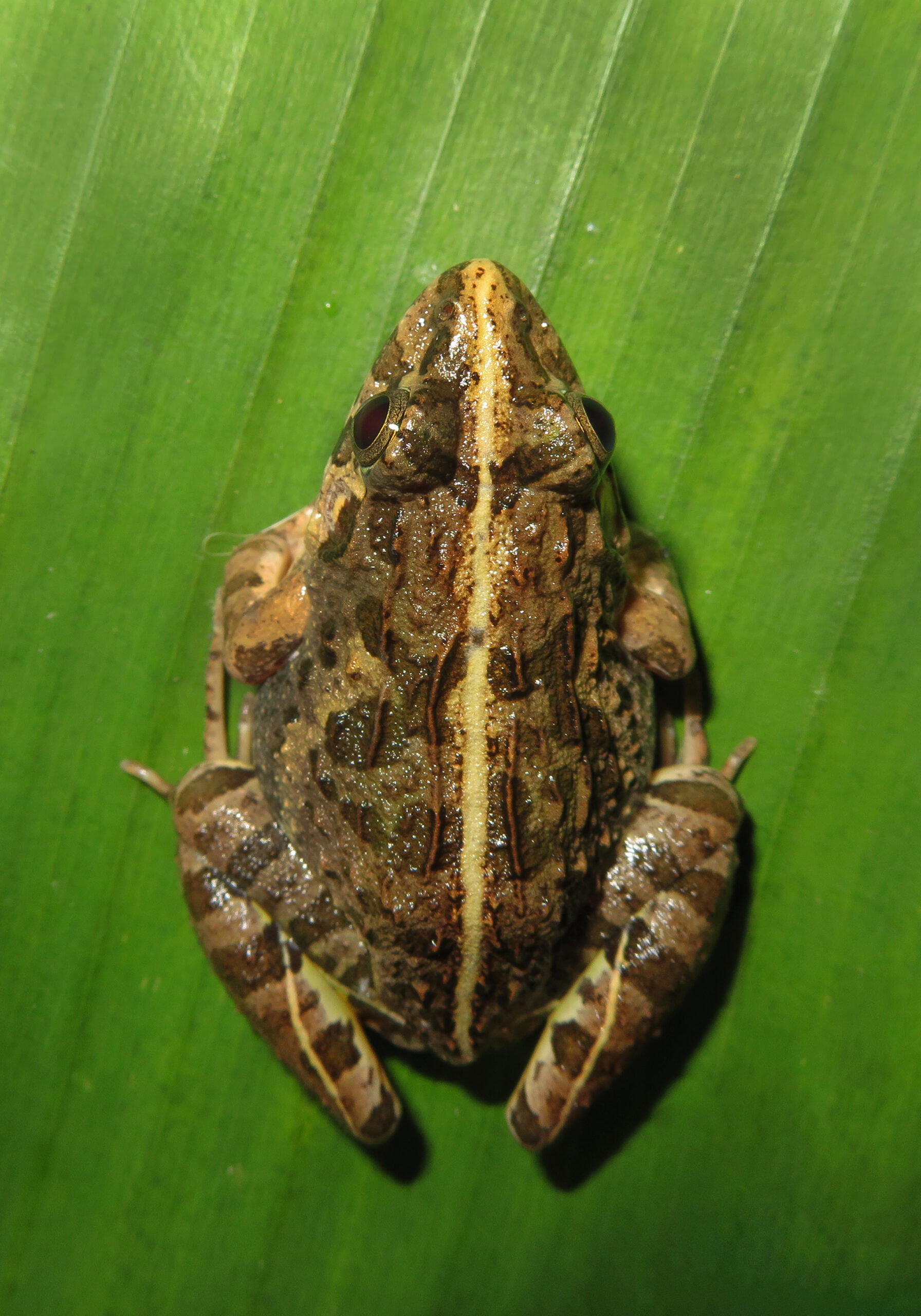
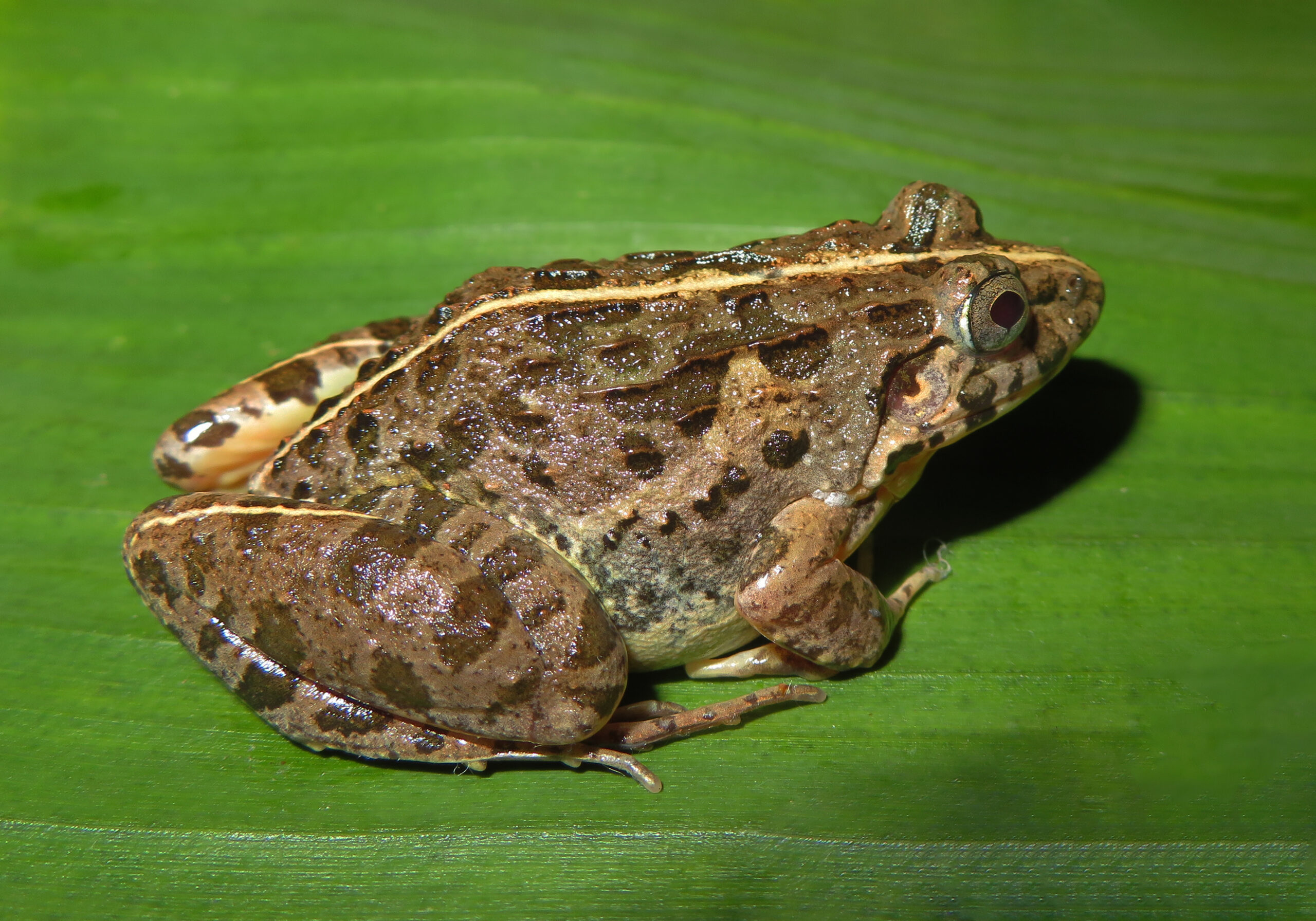
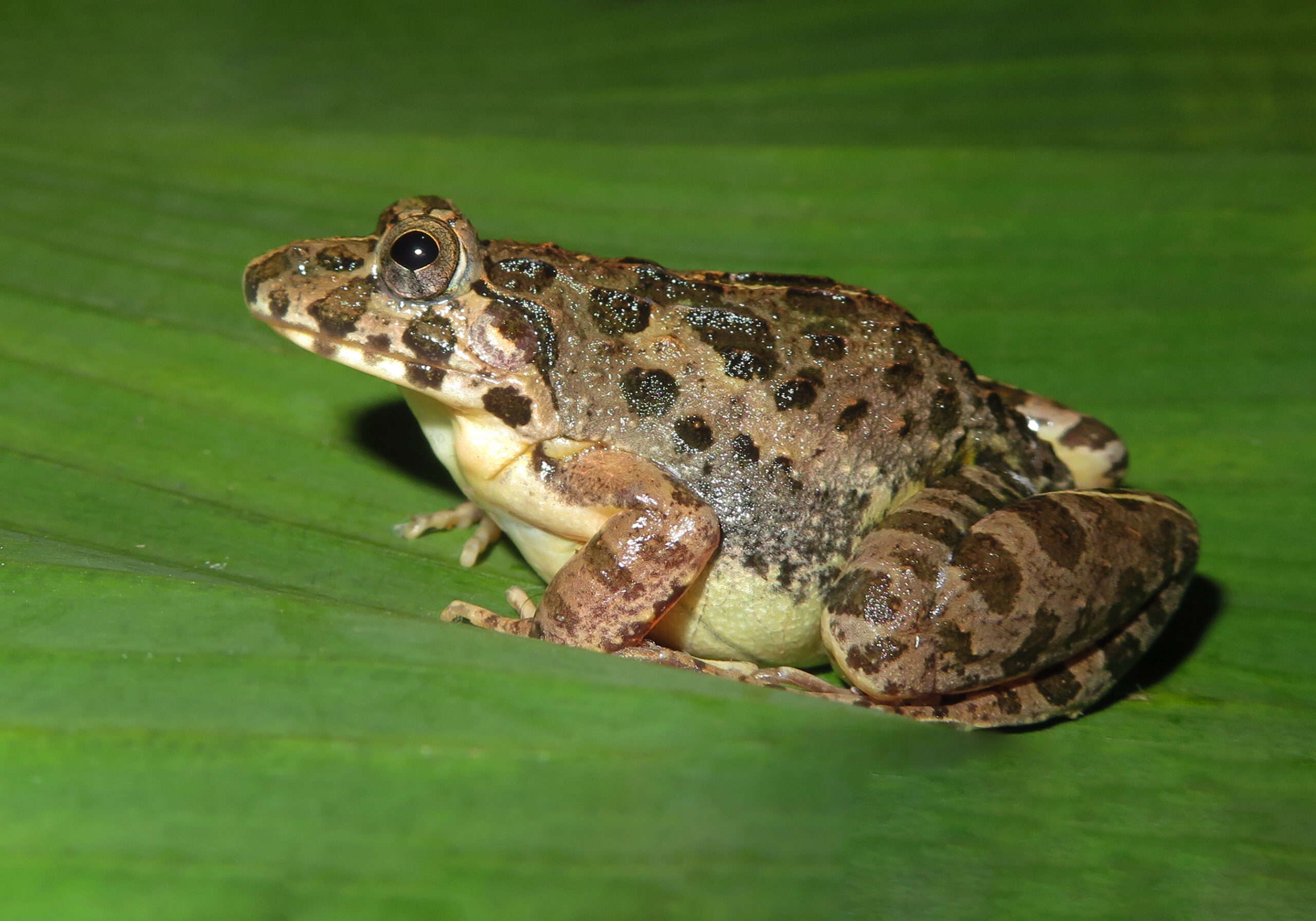
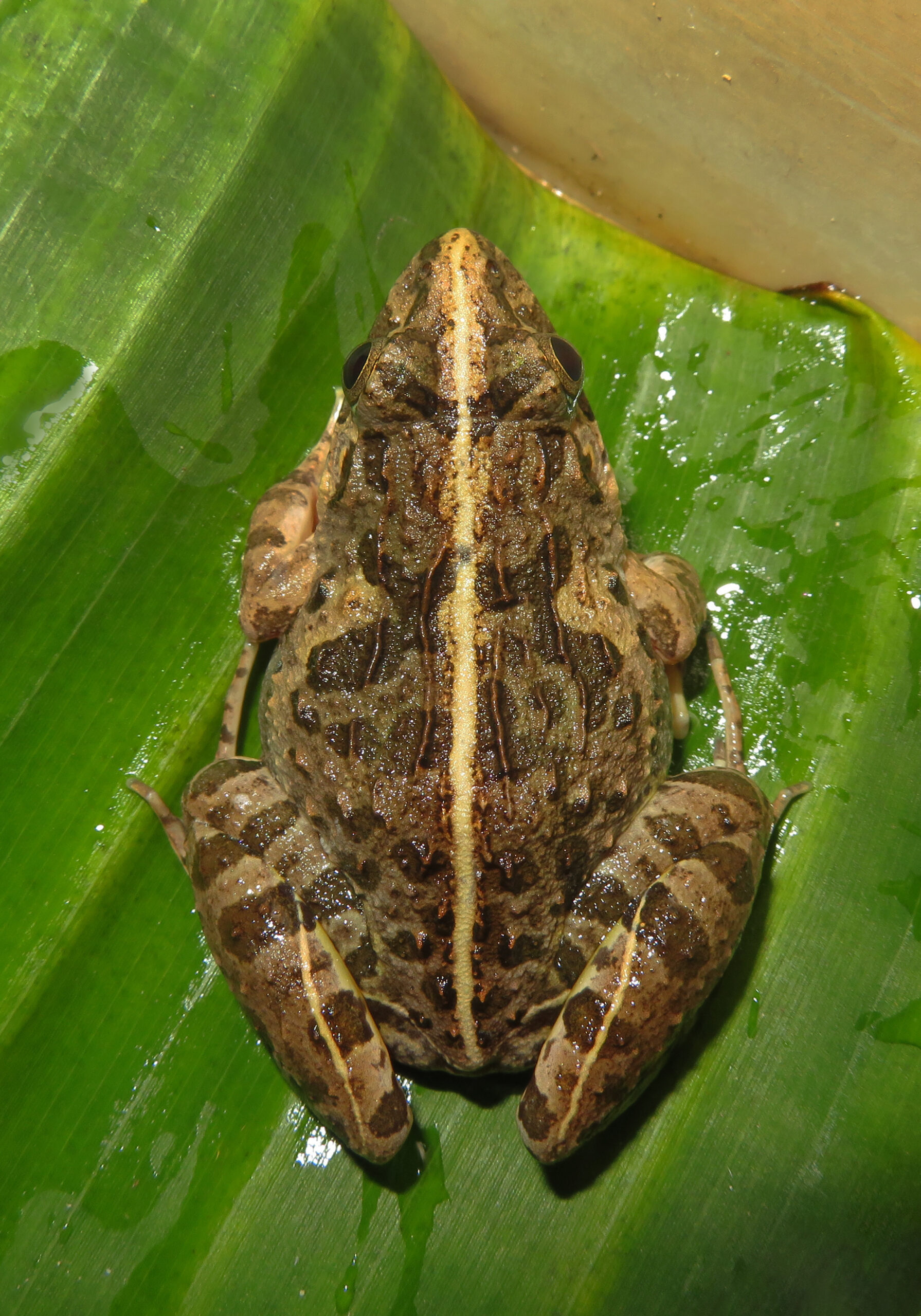
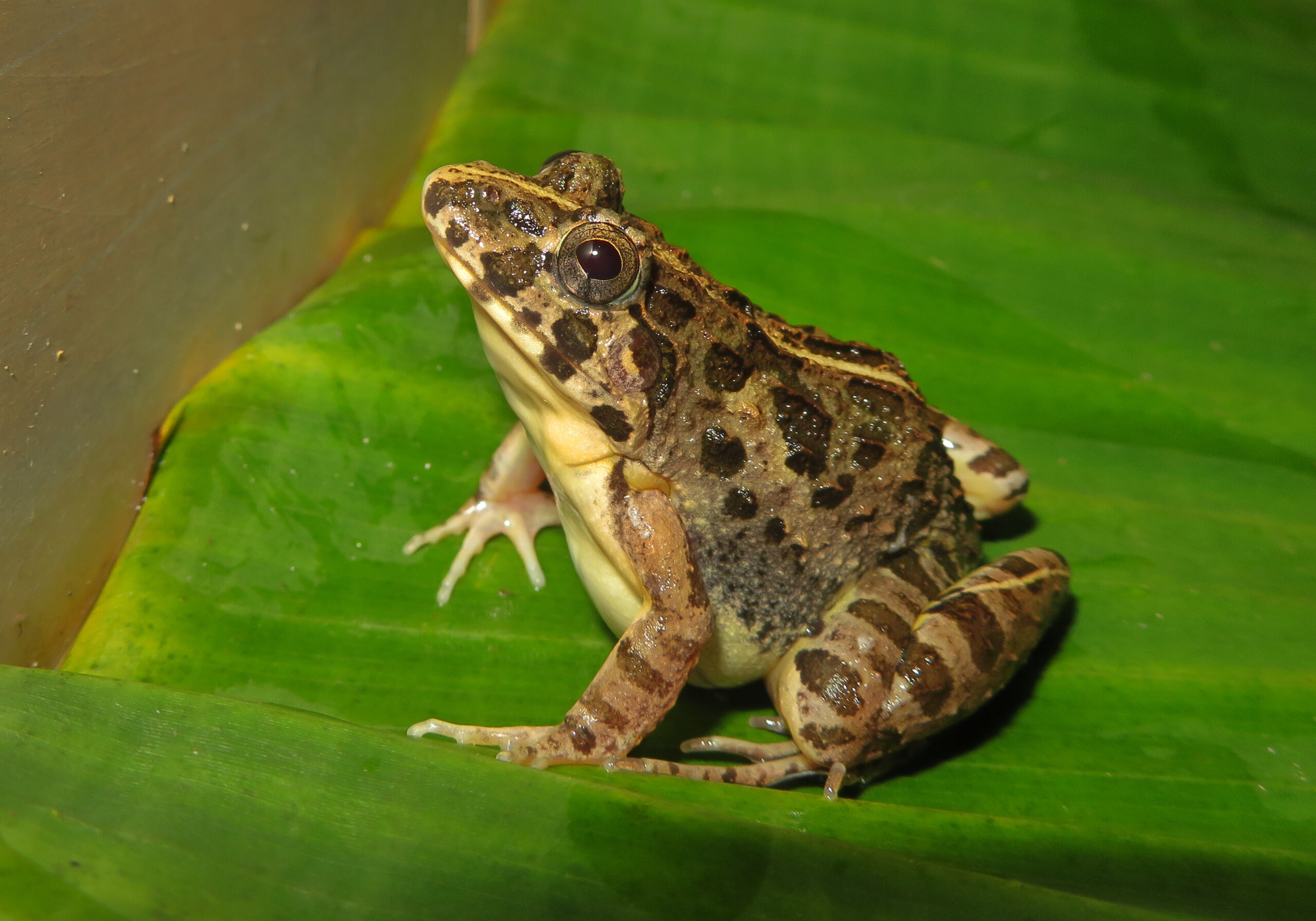
Frogs of the family Dicroglossidae vary considerably in size and appearance, ranging from small ground-dwelling species to large aquatic frogs. They generally have a robust body, strong hind limbs adapted for jumping or swimming, and moist skin that may be smooth or slightly rough. Coloration is often cryptic, including shades of brown, green, or gray that provide camouflage in their habitats.
A characteristic feature of this family is the structure of the tongue, which is often partially divided or “forked,” giving rise to the common name fork-tongued frogs. Many species also possess well-developed vocal sacs used by males during breeding calls.
The life cycle follows the typical amphibian pattern involving metamorphosis. Eggs are usually laid in water, where they hatch into aquatic tadpoles with gills and tails. Tadpoles later transform into terrestrial or semi-aquatic adults.
Feeding habits are primarily carnivorous. Adult dicroglossid frogs feed on insects, worms, crustaceans, and other small invertebrates, while larger species may consume small vertebrates. Tadpoles are generally herbivorous or omnivorous.
The family includes numerous genera such as Fejervarya, Hoplobatrachus, Limnonectes, and Occidozyga, representing a broad range of ecological adaptations and lifestyles.
Ecologically, Dicroglossidae plays an important role in controlling insect populations and contributing to aquatic and terrestrial food webs. Many species are also important indicators of environmental health due to their sensitivity to habitat changes and pollution. While some species adapt well to disturbed habitats, others face threats from habitat loss, pollution, overharvesting, and environmental change.