Bali Wildlife
Every Spices Matter


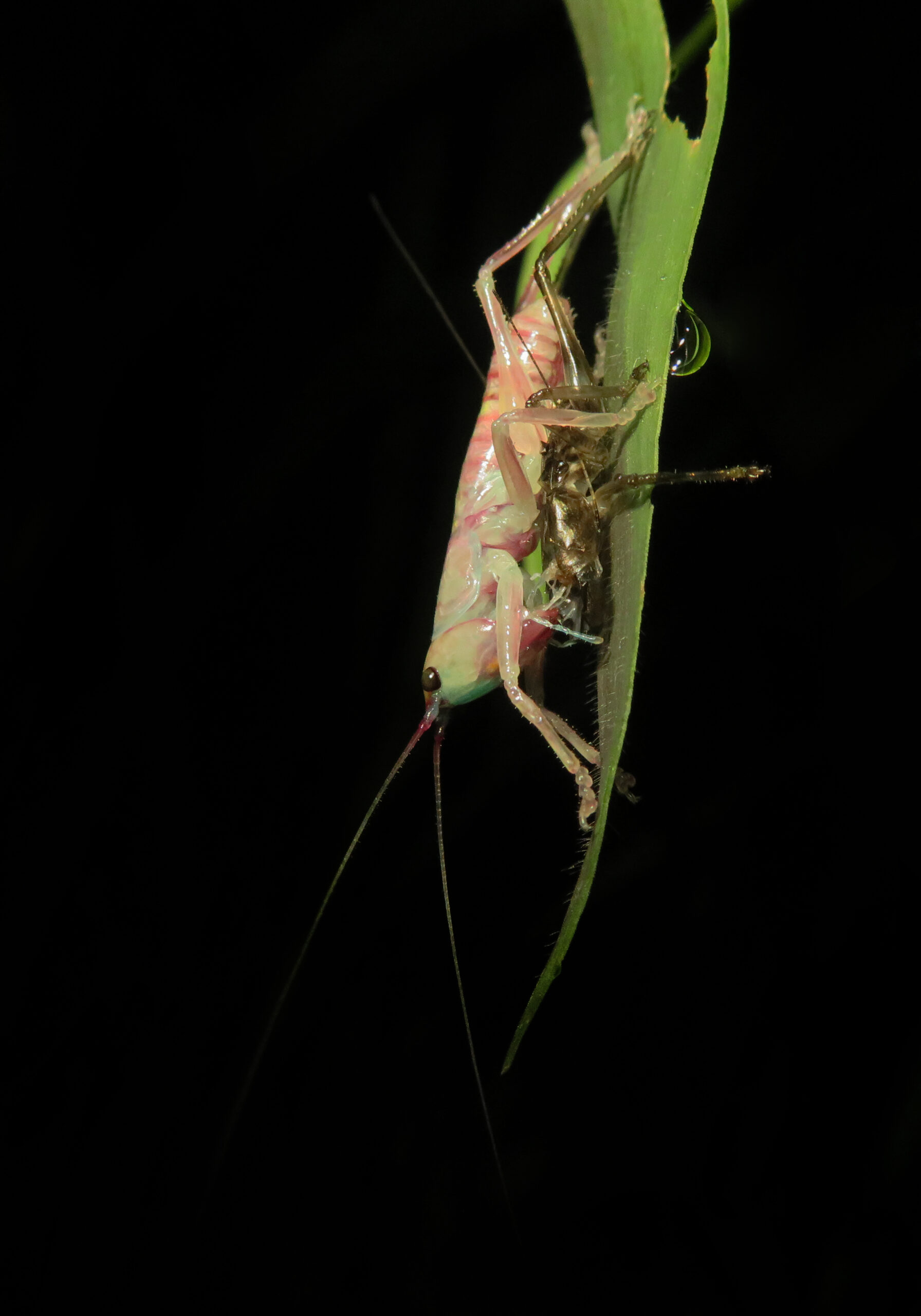
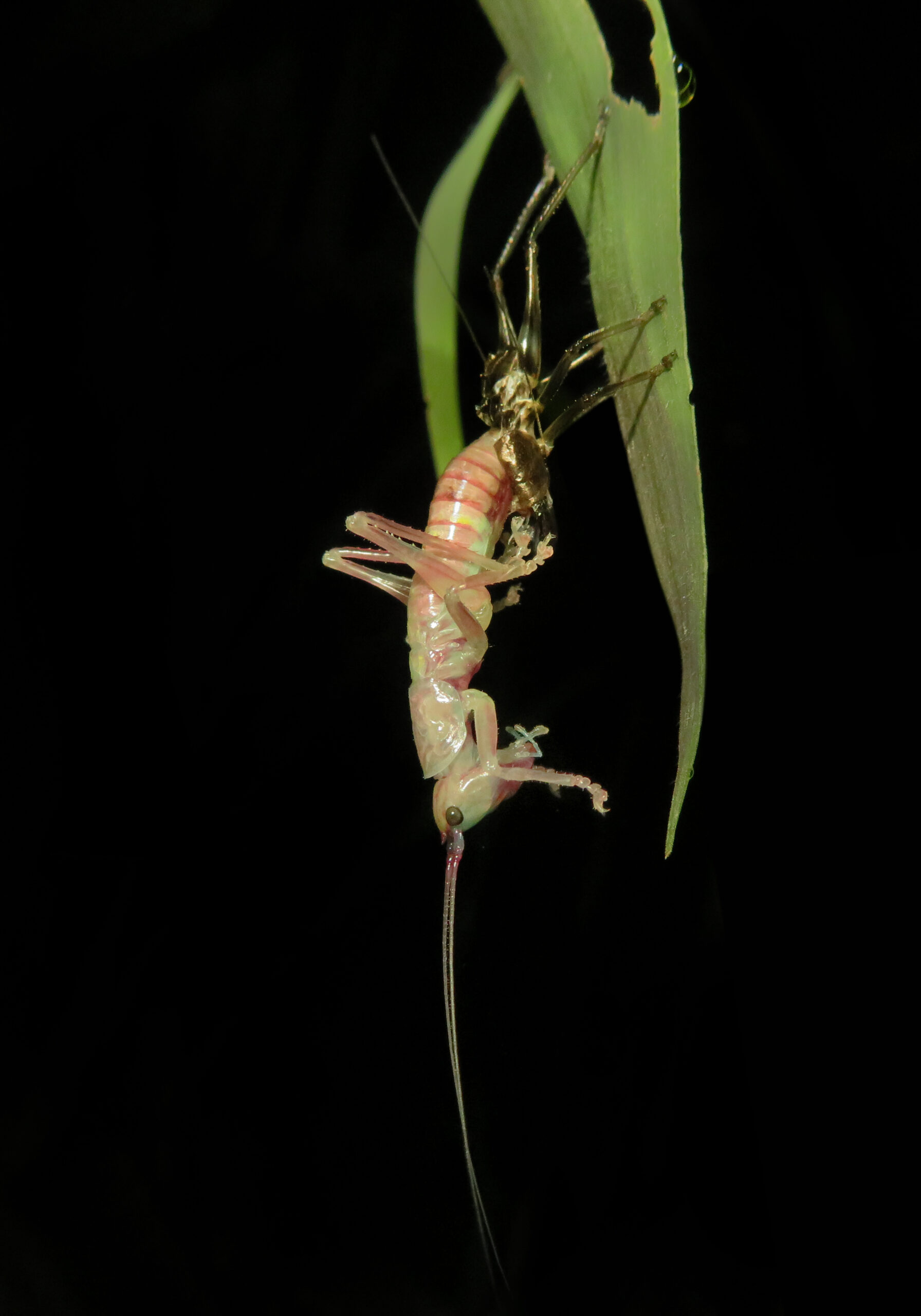
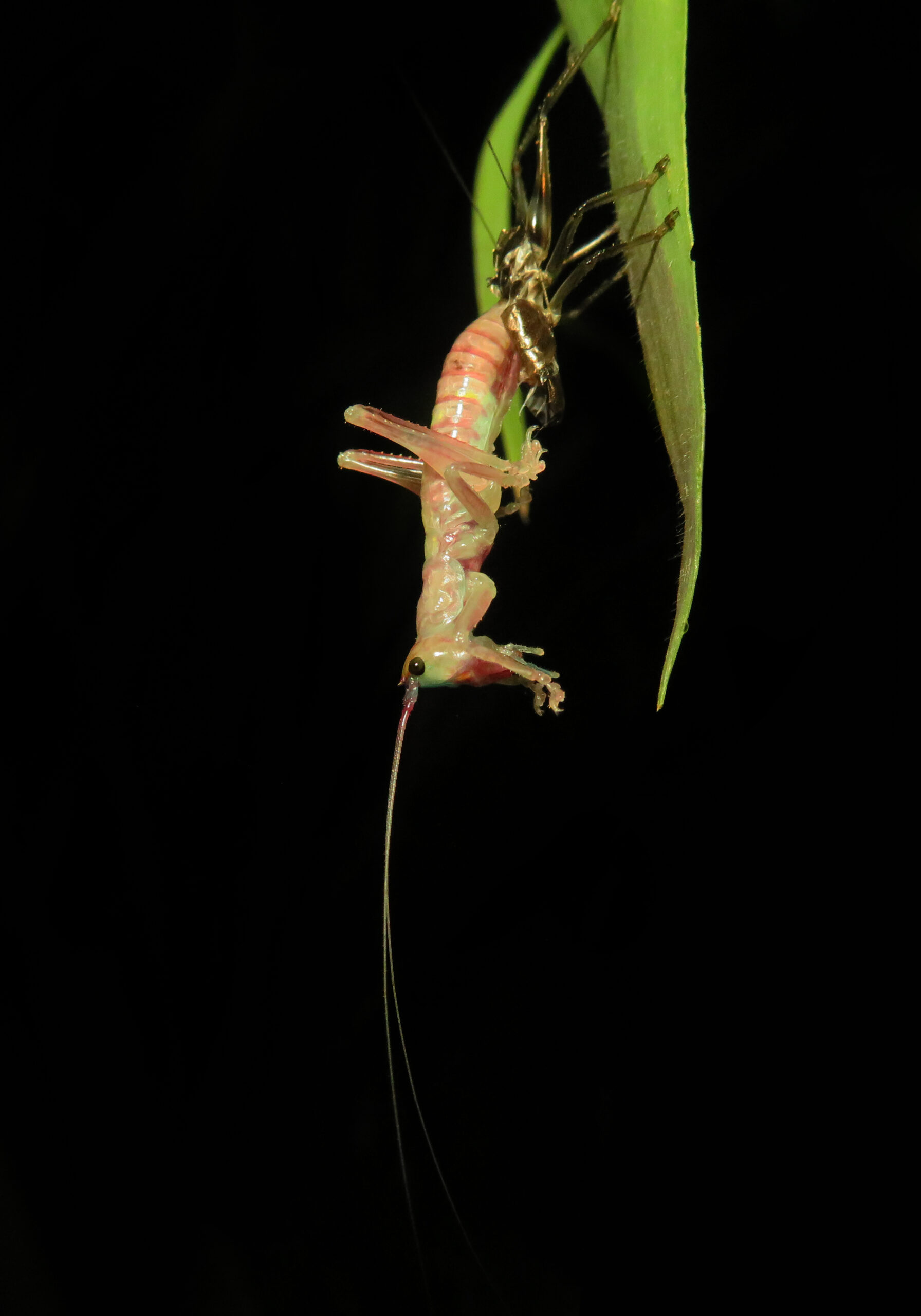
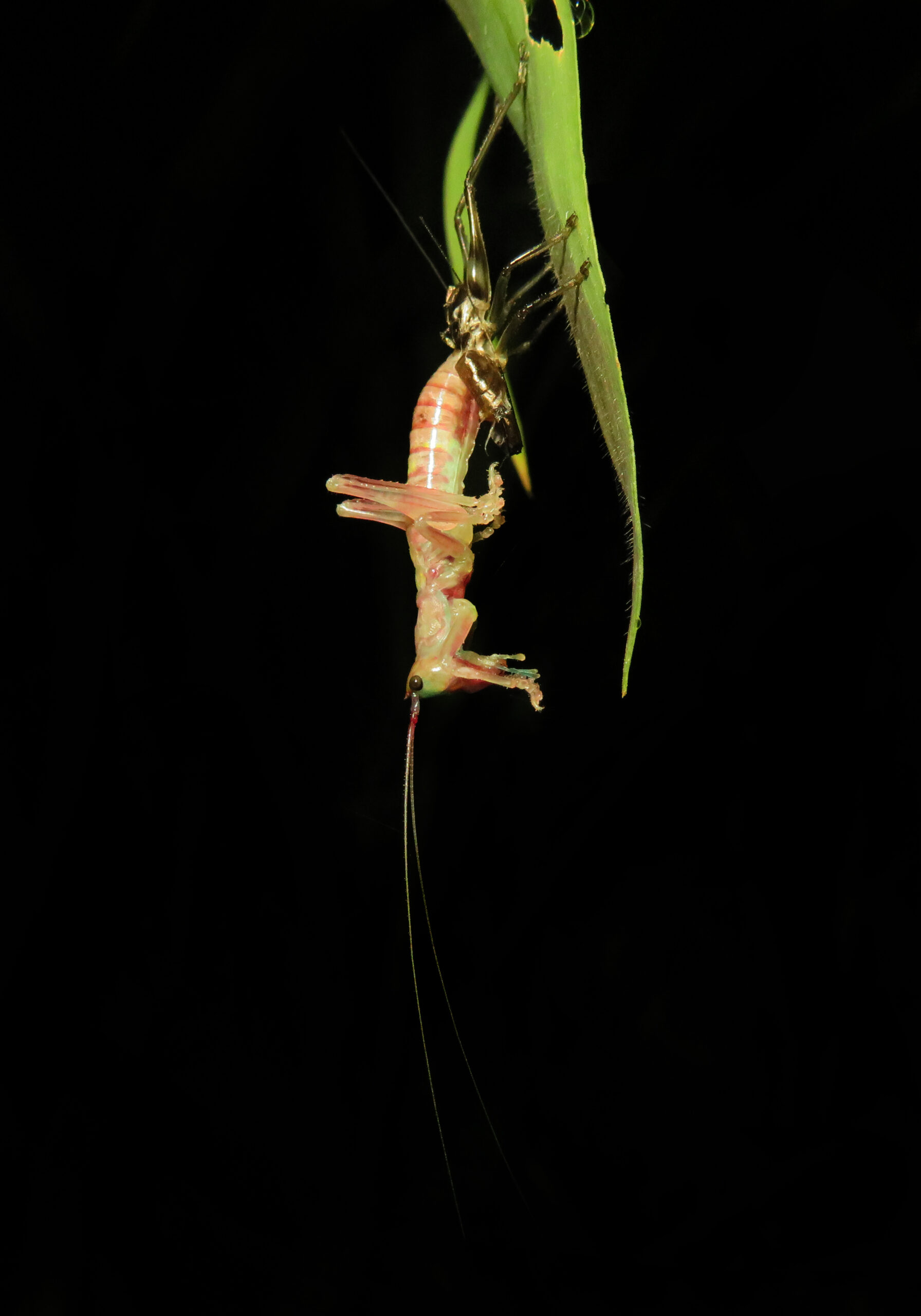
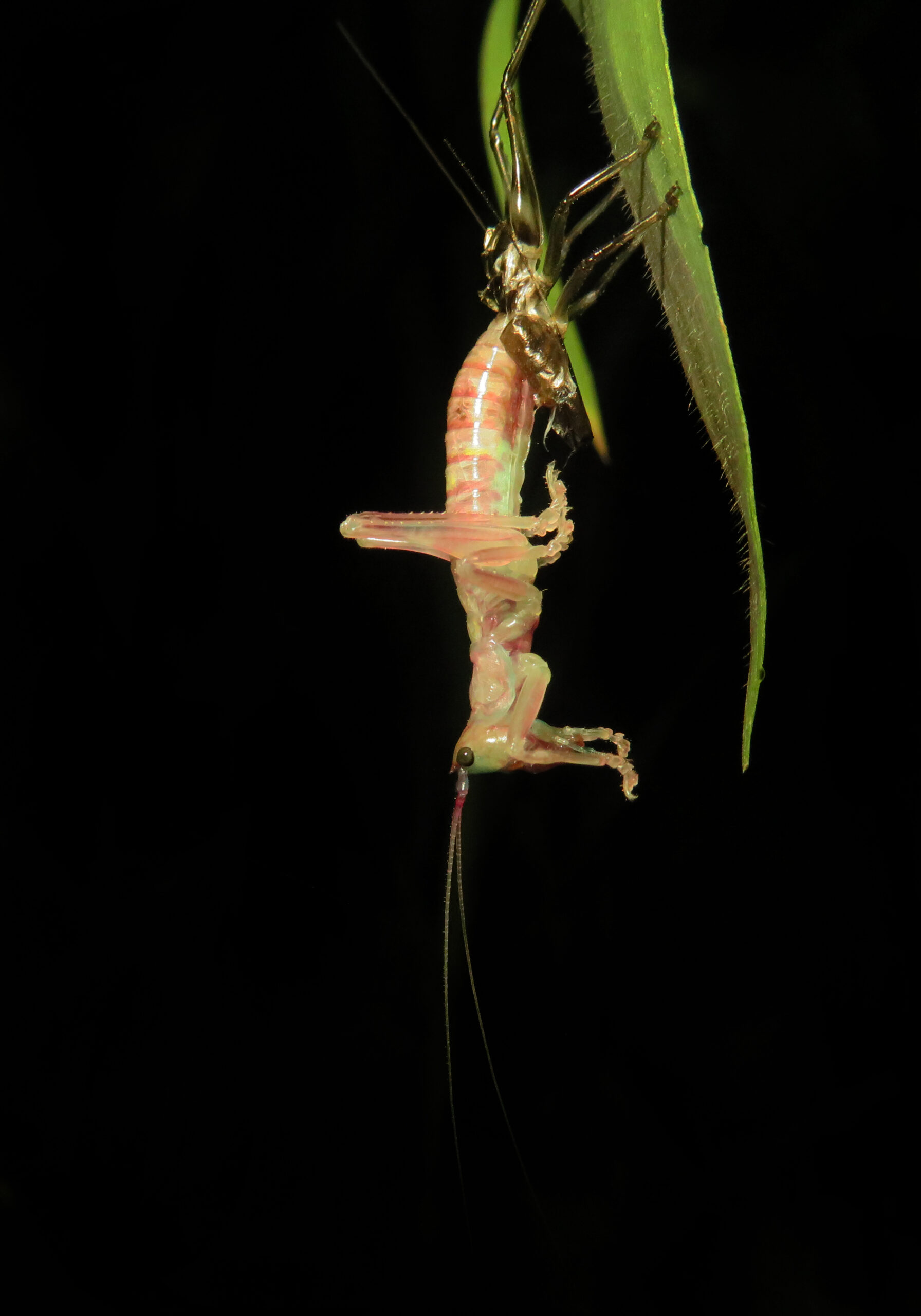
Stenopelmatoidea is a superfamily of orthopteran insects within the suborder Ensifera (Order Orthoptera). Members of this superfamily include the Jerusalem crickets, king crickets, weta, cooloolas, and their relatives. The group comprises several hundred described species distributed across North and Central America, South America, Africa, Asia, Australia, and New Zealand. They inhabit forests, grasslands, shrublands, caves, alpine environments, deserts, and agricultural landscapes, with many species closely associated with soil, leaf litter, decaying wood, or underground burrows.
Members of the superfamily Stenopelmatoidea are generally medium to very large insects characterized by a robust, cylindrical body, large head, strong chewing mouthparts, and powerful legs adapted for digging, climbing, or jumping. Most species are wingless or possess highly reduced wings, making them incapable of true flight. Body coloration is usually cryptic, consisting of shades of brown, reddish-brown, yellow, black, or orange, often blending with soil, bark, rocks, or leaf litter.
Most species are nocturnal, spending daylight hours concealed beneath stones, logs, leaf litter, inside burrows, or within tree cavities. At night they emerge to forage and search for mates. Communication typically occurs through substrate drumming, body vibrations, or stridulation, depending on the family. Unlike true crickets, many members lack well-developed auditory organs, relying instead on vibration-sensitive receptors to detect signals and approaching predators.
Members of Stenopelmatoidea are generally omnivorous, feeding on roots, leaves, seeds, fungi, mosses, lichens, decaying organic matter, and a variety of small invertebrates. Some species actively scavenge carrion, while others prey on insects and other arthropods. Their varied diet allows them to occupy important ecological niches as both decomposers and predators.
The life cycle involves incomplete metamorphosis, consisting of egg, nymph, and adult stages. Females deposit eggs in moist soil, decaying wood, or protected crevices. Wingless nymphs resemble miniature adults and undergo several molts before reaching maturity. Both nymphs and adults occupy similar habitats and exploit similar food resources throughout their lives.
The superfamily includes several families, notably Stenopelmatidae (Jerusalem crickets), Anostostomatidae (weta and king crickets), Cooloolidae (cooloolas), and Gryllacrididae (leaf-rolling crickets or raspy crickets, included in some classifications). Many species exhibit specialized adaptations to burrowing, cave life, or arboreal habitats, reflecting their remarkable ecological diversity.
Ecologically, Stenopelmatoidea insects are important components of terrestrial ecosystems. They contribute to decomposition, nutrient cycling, seed dispersal, and the regulation of invertebrate populations through their omnivorous feeding habits. They also serve as prey for birds, reptiles, amphibians, mammals, spiders, and predatory insects. Because many species are highly sensitive to habitat disturbance and have restricted distributions, they are valuable indicators of ecosystem health, soil quality, and biodiversity.