

True Crickets and Allies (Superfamily Grylloidea)
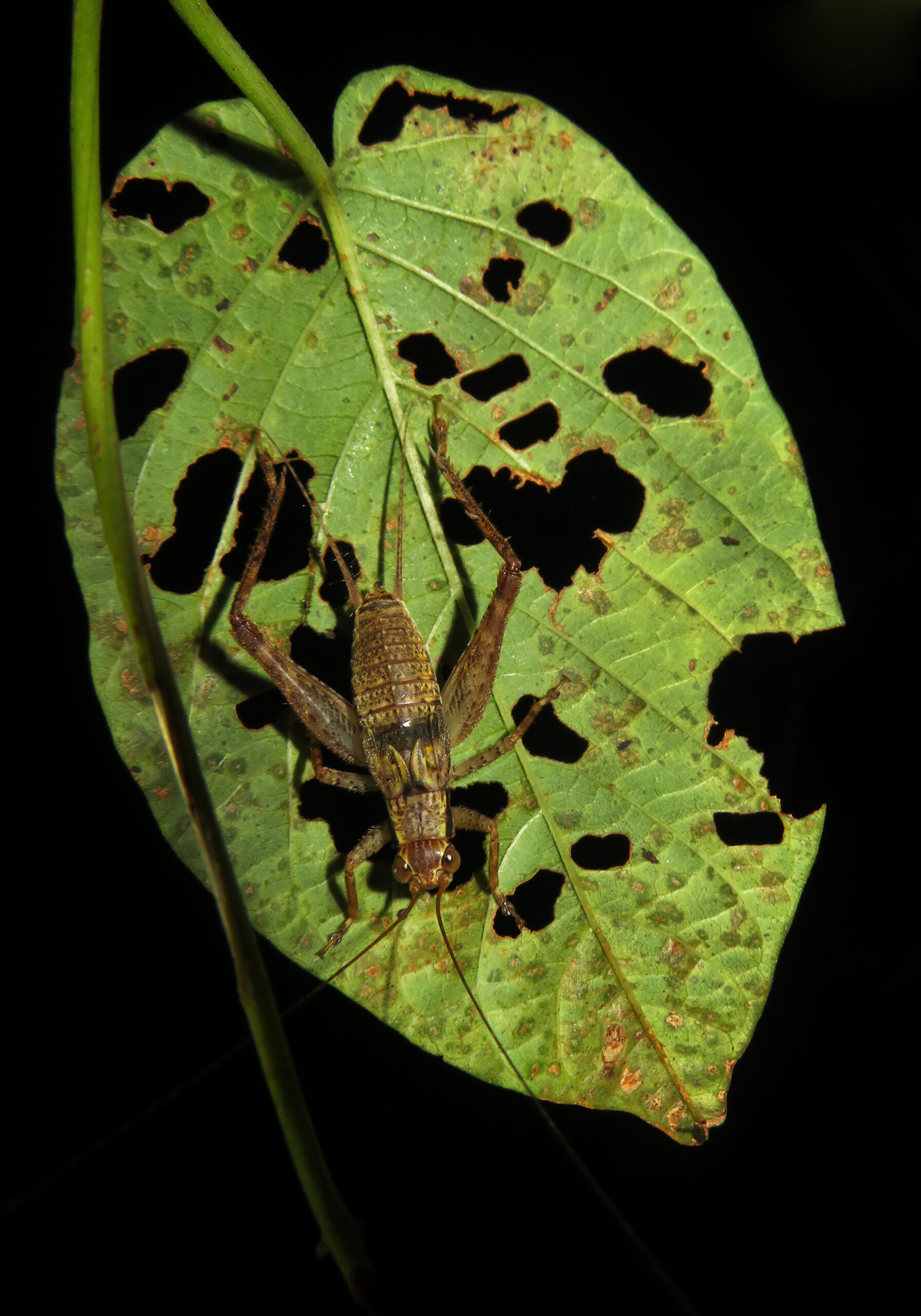
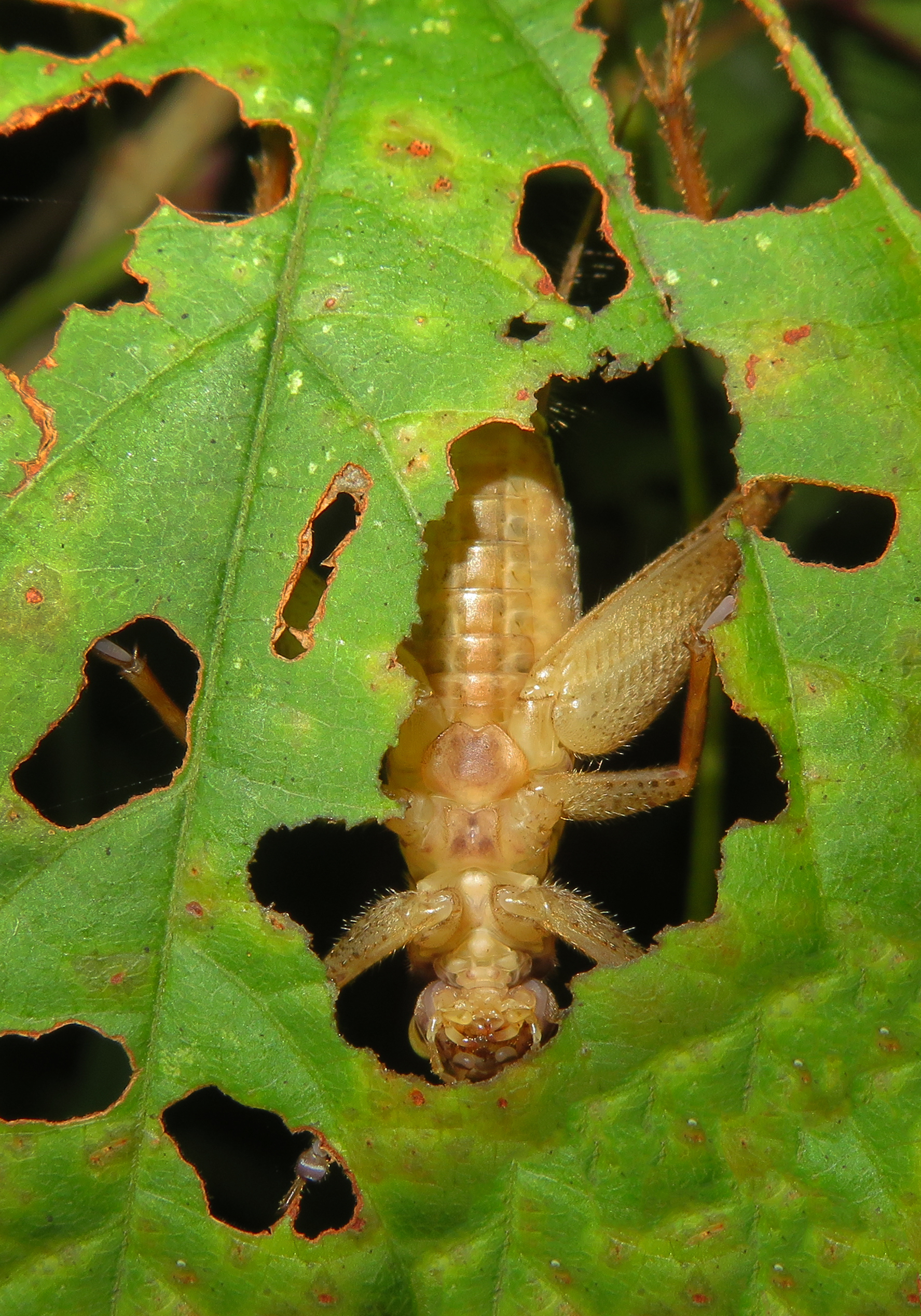
Grylloidea is a superfamily of orthopteran insects within the infraorder Gryllidea, suborder Ensifera (Order Orthoptera). It comprises the true crickets and several closely related families, representing one of the largest and most diverse groups of singing insects. The superfamily includes more than 6,000 described species distributed worldwide, with the greatest diversity occurring in tropical and subtropical regions. Members inhabit forests, grasslands, shrublands, wetlands, caves, deserts, agricultural fields, parks, gardens, and urban environments.
Crickets of the superfamily Grylloidea are generally small to medium-sized and are characterized by a cylindrical body, rounded head, and exceptionally long, thread-like antennae that often exceed the body length. They possess powerful chewing mouthparts and enlarged hind legs adapted for jumping. Most species have leathery forewings (tegmina) that protect the membranous hindwings, although some species are short-winged or wingless. Body coloration is usually cryptic, consisting of black, brown, gray, yellow, or green, allowing them to blend with soil, bark, leaf litter, or vegetation.
Most Grylloidea are nocturnal or crepuscular, remaining hidden beneath stones, logs, leaf litter, inside burrows, or among dense vegetation during the day. Males are renowned for producing characteristic chirping songs through stridulation, created by rubbing specialized structures on one forewing against the other. These songs are used for mate attraction, courtship, territorial defense, and species recognition. Females detect the calls using tympanal organs located on the forelegs.
Members of Grylloidea are generally omnivorous, feeding on leaves, seeds, flowers, fruits, fungi, algae, decaying organic matter, and small invertebrates. Some species are opportunistic scavengers or predators, while others have specialized diets associated with particular habitats or host plants.
The life cycle involves incomplete metamorphosis, consisting of egg, nymph, and adult stages. Females use a long, well-developed ovipositor to insert eggs into soil, plant tissues, rotting wood, or other protected substrates. Wingless nymphs resemble miniature adults and undergo several molts before reaching maturity, occupying similar habitats and exploiting similar food resources throughout development.
The superfamily includes several families, including Gryllidae (true crickets), Phalangopsidae (spider and cave crickets), Trigonidiidae (ground and sword-tailed crickets), Mogoplistidae (scaly crickets), and Myrmecophilidae (ant-loving crickets). These families display remarkable diversity in body form, habitat preference, behavior, and acoustic communication.
Ecologically, Grylloidea crickets are important components of terrestrial ecosystems. They contribute to decomposition, nutrient cycling, seed dispersal, and the regulation of plant and invertebrate populations through their omnivorous feeding habits. They also serve as an essential food source for birds, reptiles, amphibians, mammals, spiders, and predatory insects. Because many species are sensitive to habitat disturbance, pollution, and environmental change, Grylloidea crickets are widely regarded as valuable indicators of ecosystem health, habitat quality, and biodiversity.