Bali Wildlife
Every Spices Matter


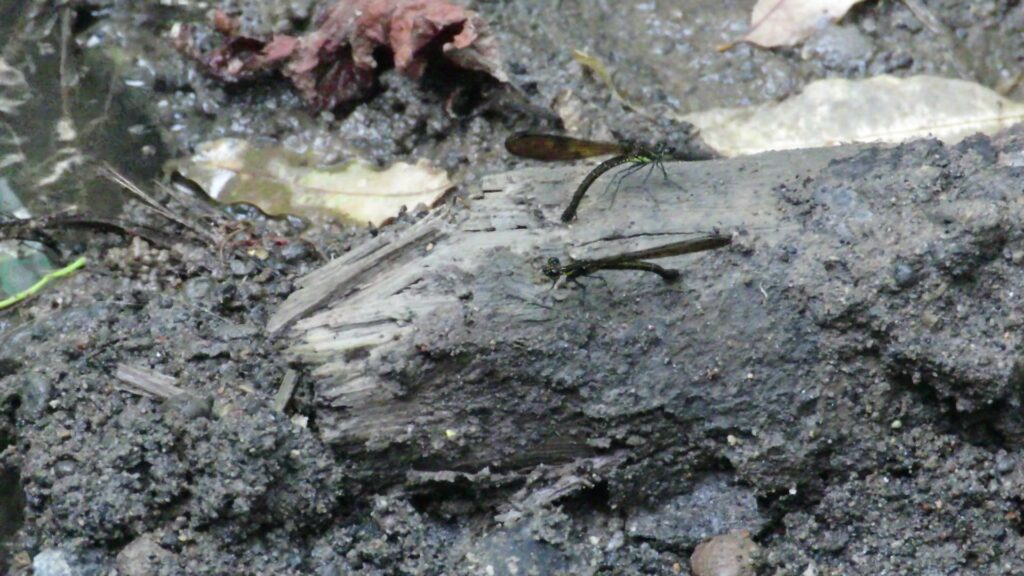
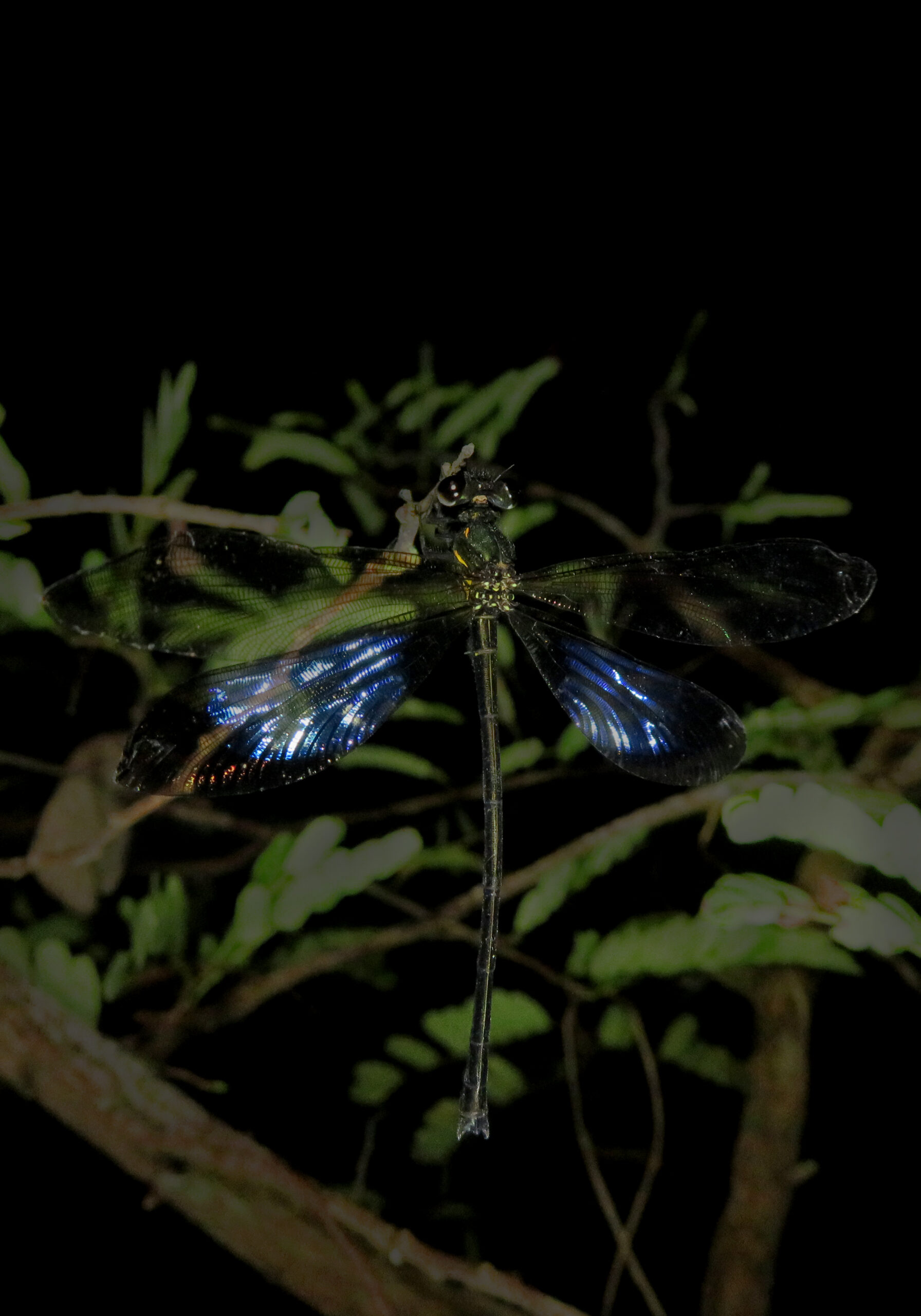
Zygoptera is a suborder of the order Odonata comprising the damselflies. With more than 3,000 described species worldwide, damselflies are distributed on every continent except Antarctica. They are closely associated with freshwater ecosystems such as streams, rivers, ponds, lakes, marshes, swamps, and wetlands, where their aquatic immature stages develop.
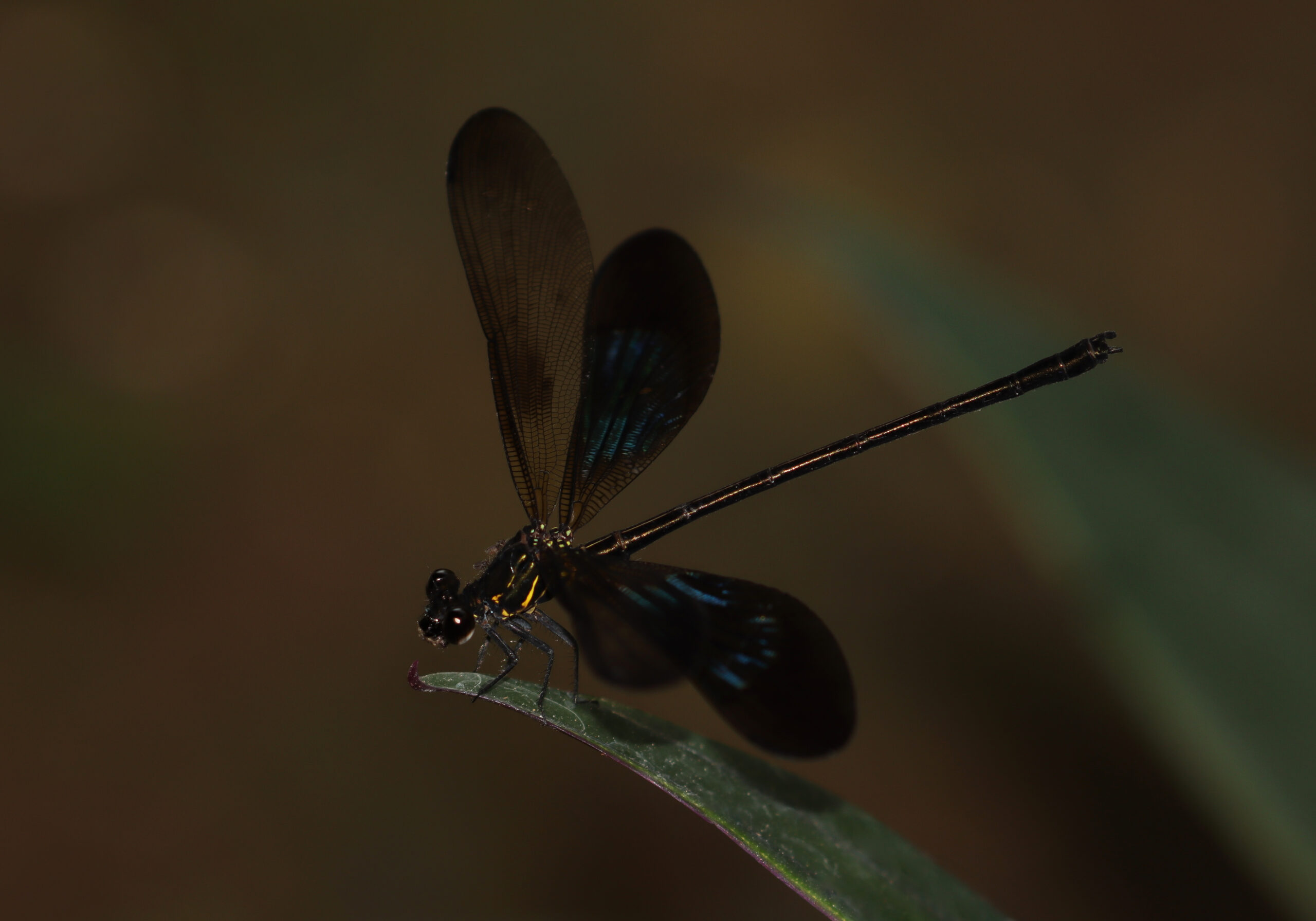
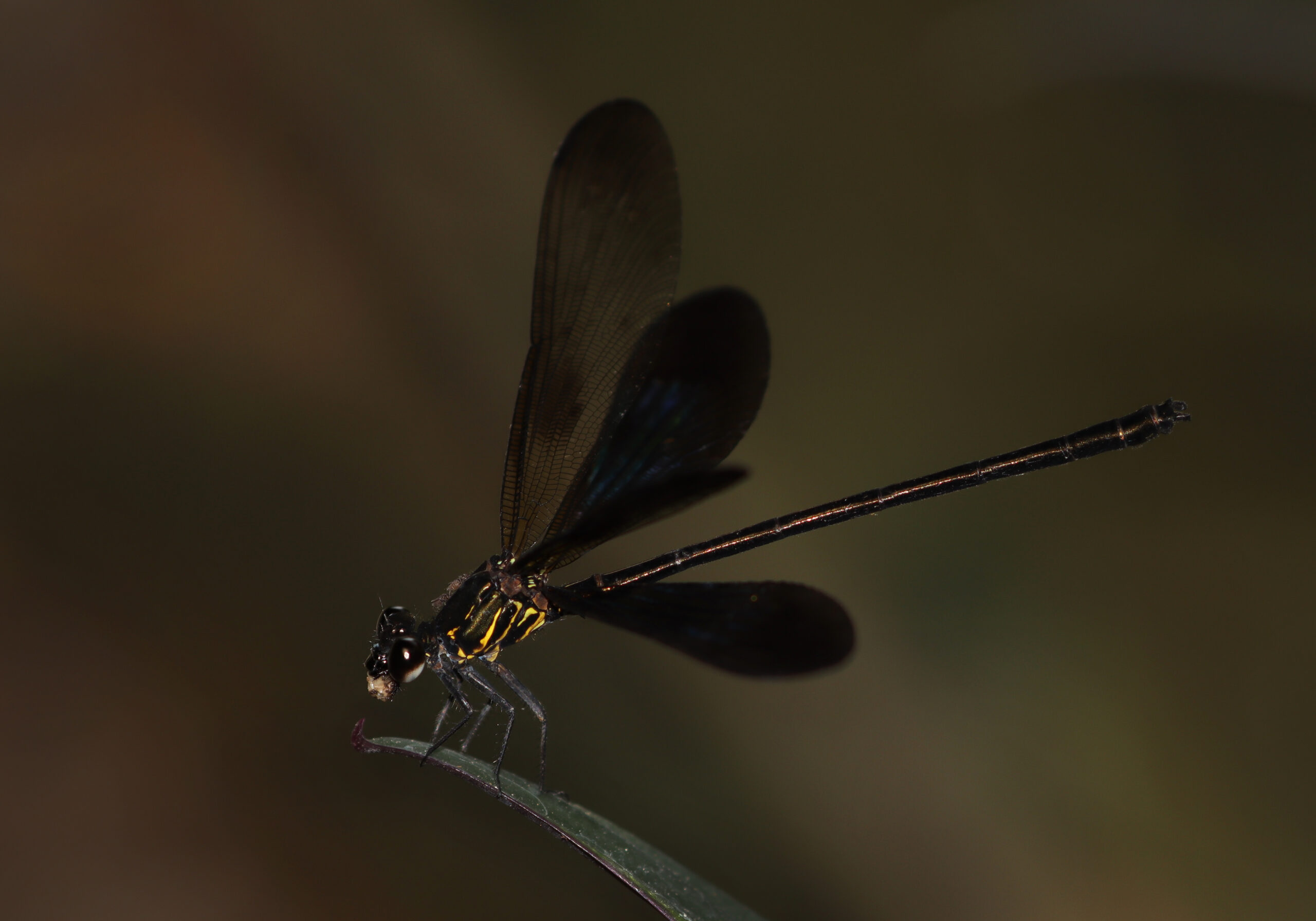
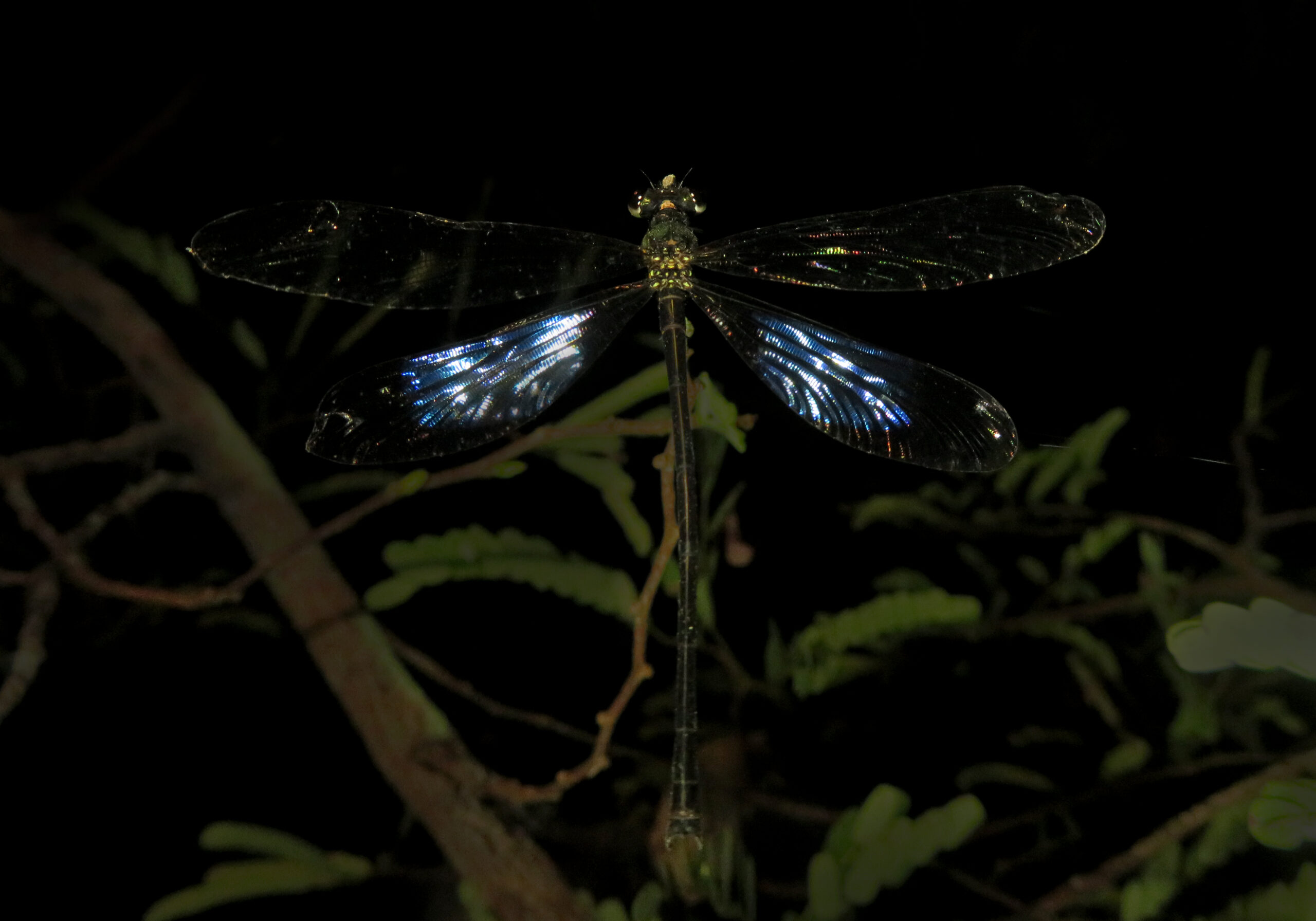
Damselflies are generally smaller and more slender than dragonflies. They possess an elongated body, two pairs of narrow membranous wings with similar shape and size, large compound eyes that are widely separated on the sides of the head, and short antennae. Unlike dragonflies, most damselflies hold their wings folded together above the abdomen when at rest.
Adults are agile aerial predators that rely on excellent vision to capture small flying insects such as mosquitoes, midges, flies, and other soft-bodied arthropods. Although their flight is generally weaker and more delicate than that of dragonflies, they are highly maneuverable among dense vegetation surrounding freshwater habitats.
The life cycle involves incomplete metamorphosis, consisting of egg, aquatic nymph (naiad), and adult stages. Females usually deposit eggs into aquatic plants or submerged vegetation. The nymphs are aquatic predators equipped with an extendable lower lip (labium) used to seize prey rapidly. Unlike dragonfly nymphs, damselfly nymphs possess three leaf-like external caudal gills at the end of the abdomen, which function in respiration and swimming. After completing development, the mature nymph emerges from the water and molts into the winged adult.
The suborder includes numerous families, such as Coenagrionidae (pond damselflies), Calopterygidae (broad-winged damselflies), Platycnemididae (white-legged damselflies), Lestidae (spreadwings), and others, each exhibiting distinctive wing shapes, coloration, and ecological adaptations.
Ecologically, Zygoptera species are important predators in both aquatic and terrestrial ecosystems. Nymphs help regulate populations of aquatic invertebrates, while adults consume large numbers of flying insects, including mosquitoes. Damselflies also serve as prey for fish, amphibians, birds, spiders, and larger insects. Because they are sensitive to water quality, habitat degradation, and environmental change, they are widely regarded as valuable indicators of freshwater ecosystem health and biodiversity.