Bali Wildlife
Every Spices Matter


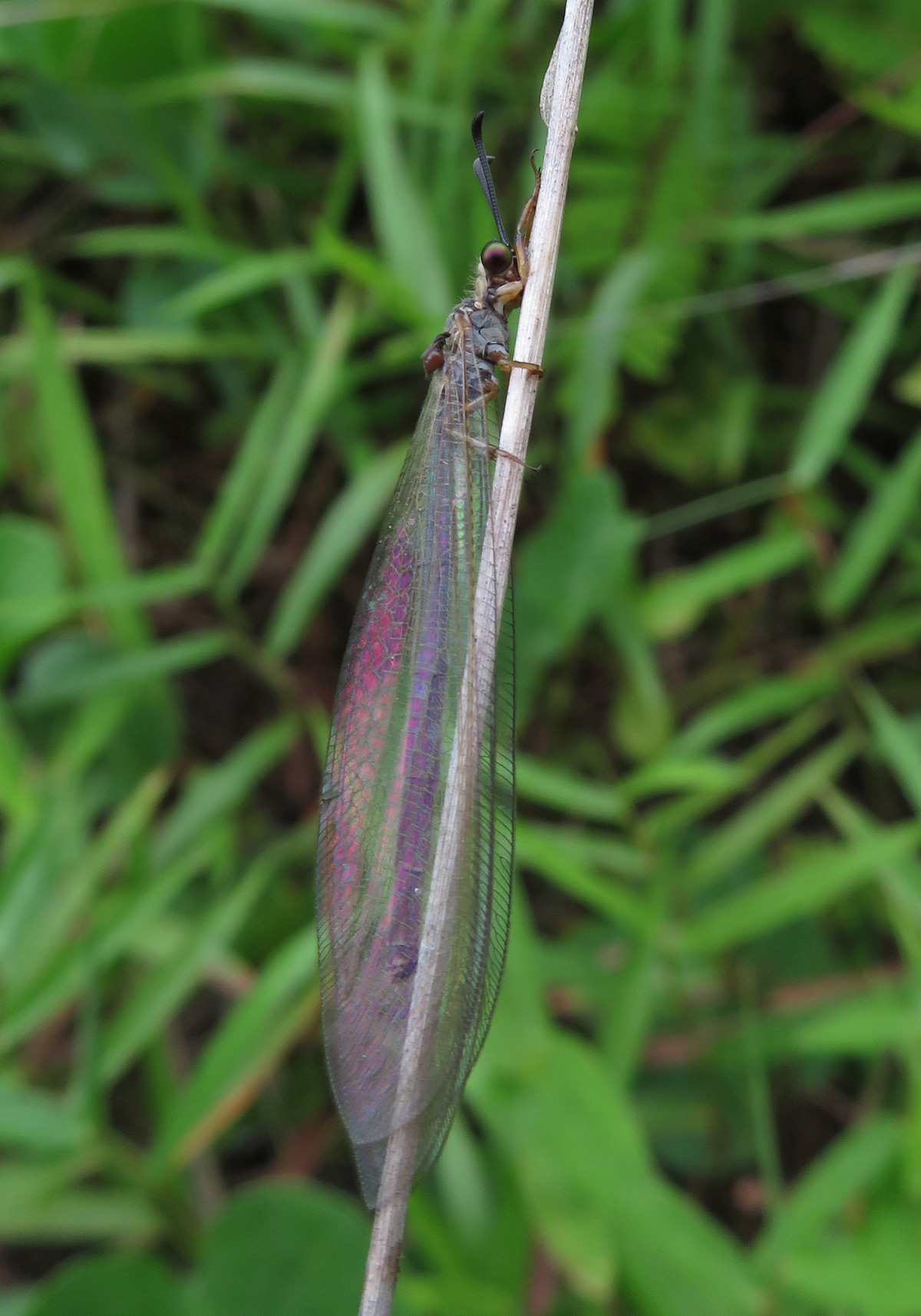
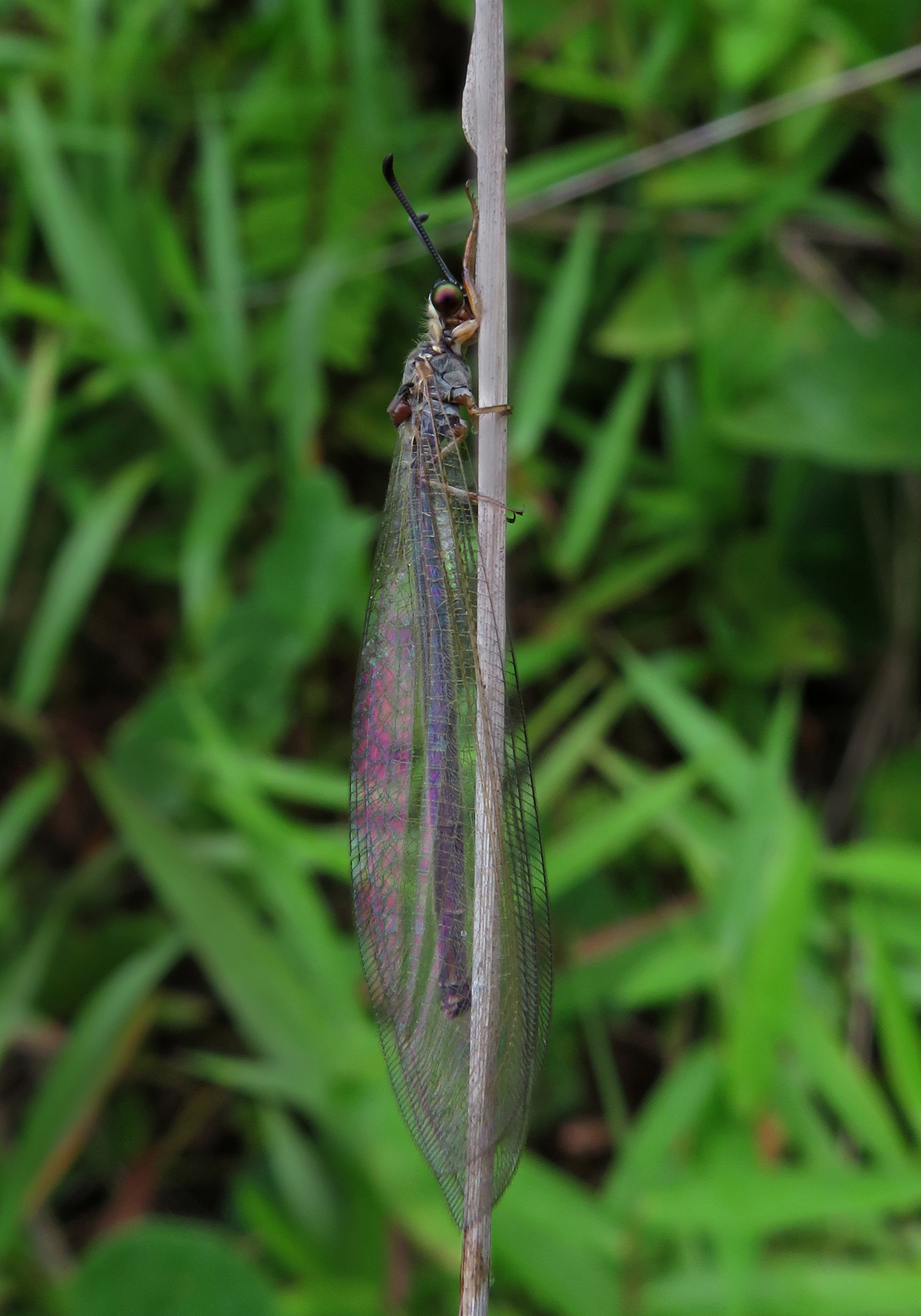
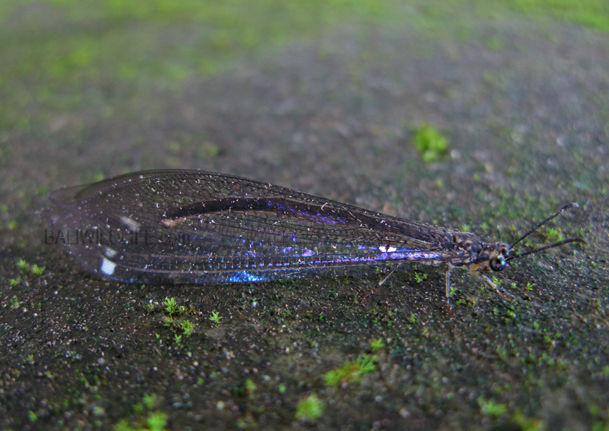
Family Myrmeleontidae comprises a diverse group of insects in the order Neuroptera, commonly known as antlions. They are widely distributed across the world and occur in a variety of terrestrial habitats, including deserts, grasslands, forests, sandy riverbanks, and open woodland. Adult antlions typically have elongated bodies, long antennae with enlarged tips, and two pairs of delicate, net-veined wings that are often held roof-like over the body when resting. Their larvae are usually stout-bodied predators with large, curved, sickle-shaped jaws adapted for capturing and consuming small arthropods. Many species construct distinctive funnel-shaped pits in loose, sandy soil, where they wait beneath the surface to trap ants and other small insects that fall inside. Other species hunt without building pits, hiding beneath soil or leaf litter. Adults generally feed on small insects and other arthropods, and some may also consume nectar or pollen. Myrmeleontidae plays an important ecological role by controlling populations of small invertebrates in terrestrial ecosystems.